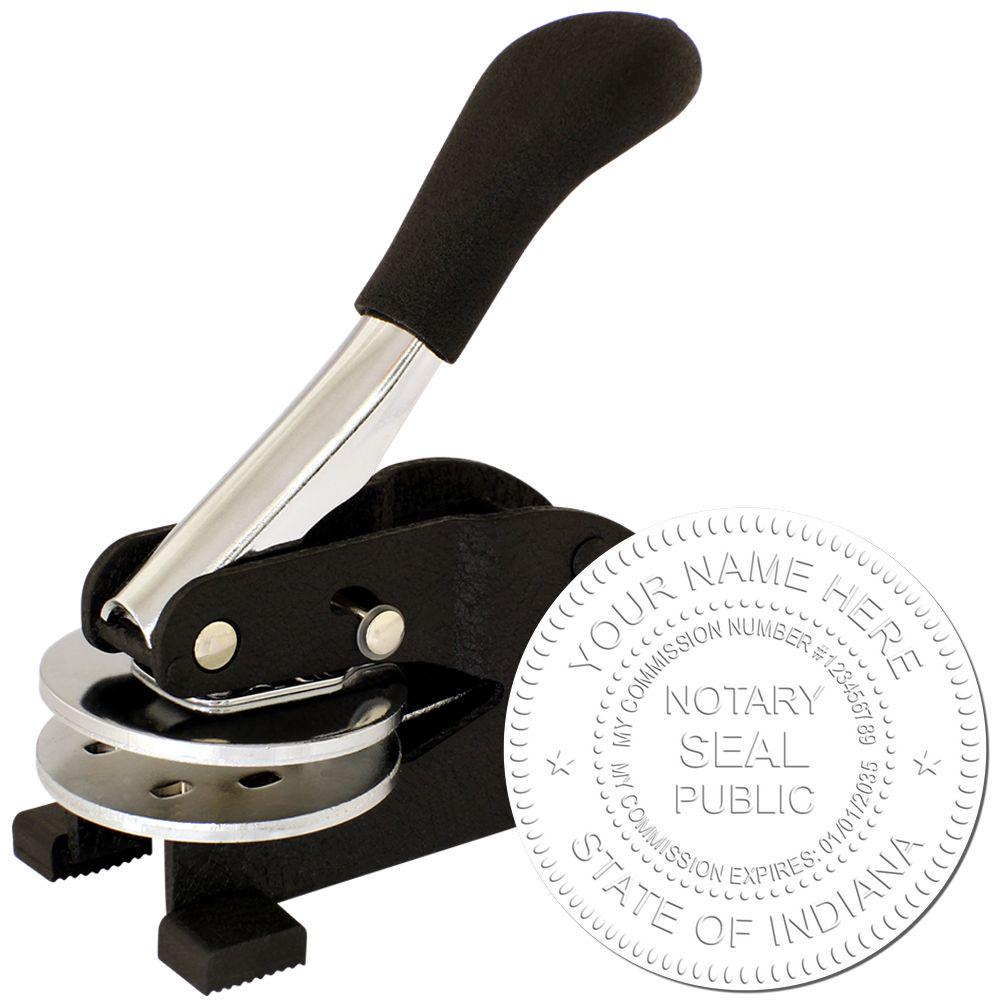
Understand Indiana Notary Seal Requirements
If you are an Indiana notary public, it is crucial to know your Indiana notary seal requirements from the very start of your commission. Having the right seal not only ensures you comply with state regulations, but also helps protect the integrity of any document you authenticate. By familiarizing yourself with these guidelines early, you make your day-to-day operations smoother and more professional.
Seals are more than a mere formality. In Indiana, they serve as an official mark that confirms your name, commission details, and the authenticity of your notarizations. Paying close attention to these requirements can save you from unintentional noncompliance, prevent legal complications, and build confidence in your notarial services.
Below, you will find an overview of what you need to know about these requirements, including tips for choosing the best seal format, assembling your essential supplies, and safeguarding your commission. Whether you are a new notary or have years of experience, a clear understanding of what the state expects will keep your work consistent and reliable.
The Legal Foundation
Indiana law provides specific guidelines to help notaries maintain uniformity and credibility. The seal itself must be clear, legible, and include specific text. In general, you should ensure:
- The seal starts with “State of Indiana” or a comparable indication that you hold an Indiana commission.
- Your name is displayed exactly as it appears on your notary commission.
- Additional details, such as your commission number or expiration date, can be included if required by state statute or recommended for clarity.
Though the exact formatting can vary, the core elements generally remain the same to promote consistency across all official documents. This uniform approach reassures signers and recipients that the notarized documents are authentic and enforceable.
Recognize the Legal Foundation
To fully honor Indiana notary seal requirements, it is useful to grasp the rationale behind the regulations. When the state sets specific parameters for how your seal should look and function, it is to help safeguard recipients from fraud or tampering. Clear guidelines make it simpler for anyone reviewing a document to verify that a licensed notary actually performed the notarization.
Indiana’s rules for your notary seal:
- Maintain an official impression that is sharp, distinct, and easy to read.
- Ensure that the seal contains correct and up-to-date information.
- Observe any size specifications that the state might request, so the seal fits comfortably on documents without obscuring important text.
Understanding these fundamentals helps you see how your daily actions fit into a broader system of reliability. No step is purely decorative. Every part of your notary seal, from the border design to the naming convention, is anchored to a legal purpose.
Choose Your Ideal Notary Seal
Once you know what your Indiana notary seal requirements are, you can decide whether a notary stamp or an embosser suits you best. Both formats are permissible in Indiana, but each has unique advantages. Ultimately, the choice will hinge on your personal preferences and the type of documents you handle most frequently.
Stamps vs Embossers
- Notary Stamps: These are quick and convenient. With a gentle push, you create a crisp, inked imprint that is easily visible on copies and scans. If you frequently mail or electronically send notarized documents, a stamp ensures your seal remains clear when reproduced.
- Notary Embossers: These produce raised impressions that give documents a professional look and help discourage tampering. However, raised impressions can be tougher to scan or photocopy. Some prefer the classic style of embossing for more formal or ceremonial documents.
There is no single correct answer. The best approach is to think about what your everyday tasks require, how often you will need to make copies of notarized paperwork, and what style of seal best reflects your personal preference. Many notaries keep both a stamp and embosser on hand, providing options that match any situation.
Assemble Essential Notary Supplies
Having the right notary supplies within arm’s reach can make your commission run smoothly. If you are just starting out, you will find that a well-stocked notary toolkit not only keeps you efficient but also helps you remain consistent with the legal expectations you have learned.
Essential items may include:
- Official Notary Seal: As required by the state, either in stamp or embosser form.
- Notary Journal: Even if not explicitly mandated, a journal offers a secure record of all transactions.
- Ink Pads: If you prefer pre-inked or self-inking stamps, these cartridges matter for re-inking and consistent clarity.
- Storage Case: Storing your items in a dedicated case keeps them organized and away from potential damage.
How to Shop Smart
To get the best value, look for reputable suppliers whose products meet or exceed Indiana’s quality guidelines. Durability matters, especially if you have a high volume of notarial work. Over time, a subpar stamp or embosser can leave faint impressions, smudge, or break down entirely. Before you make a purchase:
- Double-check the supplier’s customization options, ensuring they can add your name and commission details precisely as needed.
- Read reviews from other Indiana notaries to confirm the product’s longevity and clarity.
- Look at the supplier’s return or replacement policy in case there are any errors or defects.
Partner With Acorn Stamps
When selecting your notary supplies, consider a trusted brand like Acorn Stamps. We take pride in being a top supplier of Indiana notary stamps and Indiana notary seals. This family-owned business has been around since 1964, which means we have decades of experience, and that translates into reliable products you can trust. Over the past 60 years, Acorn Stamps has developed a reputation for stellar customer service and super-fast turnaround times—two factors that can significantly reduce any stress you might feel about ordering or updating your notary seal.
Moreover, when working with Acorn Stamps, you have the advantage of a company that truly understands Indiana notary seal requirements. We offer pre-inked stamps, self-inking stamps, and embossers specifically designed for Indiana notaries. Each product features crisp impressions that hold up across multiple notarizations, and there is plenty of room to personalize your seal format according to each legal guideline. From everyday documentation to special events that require an embossed finish, you can find a notary product that matches your personal style and commission needs.
Whether you are ordering your first seal or updating an older one, you can trust Acorn Stamps to guide you through the process and ensure every mandatory detail is included. Our family has built its business on supporting your public service efforts, so you never have to worry about substandard materials or unclear impressions.
Follow Proper Usage Guidelines
Once you secure your seal, actual day-to-day usage matters just as much as meeting the state’s guidelines. You will use your notary seal on documents ranging from affidavits to property deeds, so proper handling reinforces your professional credibility.
- Leave Room on Documents: Make sure you have enough space to place your seal without covering important text or signatures. If a document has limited space, position your seal carefully on the margin or an open area.
- Apply a Crisp Impression: For a notary stamp, press down evenly to avoid smudges or partial prints. If you have an embosser, apply consistent pressure so your raised impression is clear enough to be read and felt.
- Include the Correct Date: Indiana notary seal requirements may call for your commission expiration date, which ensures recipients know your commission is active when the notarization occurs.
- Keep a Notary Journal: Document each transaction faithfully if you want a thorough record. It can resolve disputes and confirm that every notarization was performed properly.
Storing Your Seal Safely
Security is a major part of maintaining the credibility of your notary seal. Whether you use a stamp or an embosser:
- Lock It Away: If possible, store your seal in a safe or lockable drawer. This prevents others from using it or tampering with it in your absence.
- Check for Wear: Regularly inspect your stamp or embosser to ensure all text remains legible. If the edges are wearing or your impression looks weak, consider ordering a replacement from a reputable supplier like Acorn Stamps.
- Limit Usage: Only use your seal for official notarizations. Resist the temptation to demonstrate your seal casually on scrap paper for friends. Each impression should be tied to a legitimate notarial act.
Avoid Common Notary Pitfalls
Even well-meaning notaries can slip up if they fail to keep a consistent approach. Below are some common mistakes and how you can steer clear of them:
- Forgetting Updates: If your name changes or your commission expires, you need to update your seal immediately. Keeping personal information current ensures you do not run afoul of state regulations.
- Using a Poor-Quality Seal: A substandard device might fade or smudge, interfering with the official look of your documents. It is best to invest in something long-lasting and made specifically for Indiana notaries.
- Misplacing the Seal: Not storing your seal securely can open the door to fraudulent notary acts committed by unauthorized individuals. Keep your stamp or embosser in a locked container or a safe place.
- Skipping the Fine Print: Each document can come with its own notarial language, especially if it is from a different state. Make sure the document’s instructions align with Indiana protocols before you stamp or emboss.
By avoiding these hazards, you ensure every document you notarize holds up under scrutiny and is consistent with Indiana’s standards. You also protect your reputation in the community as a professional who takes their notarial responsibilities seriously.
Frequently Asked Questions
Do I Have to Use a Specific Size for My Indiana Notary Seal?
Indiana law does not typically mandate a strict size, but it must be large enough for all required text to be readable. Aim for dimensions that produce a clear and legible impression.
Can I Use an Embosser Instead of a Stamp?
Yes, both stamps and embossers are acceptable in Indiana. Many notaries prefer a stamp for everyday use and keep an embosser on hand for more formal settings or to add a distinguished look.
What Information Must Be Included on the Seal?
There should be a clear indication of “State of Indiana,” your exact name as it appears on your commission, and any other mandatory details. Some notaries add their commission number or expiration date for clarity.
How Often Should I Replace My Seal?
You should replace your seal if it shows signs of wear or if you change your name or commission details. Regularly checking your seal’s clarity will help you determine if it is time for a new one.
Where Can I Buy Quality Indiana Notary Supplies?
You can find excellent stamps, embossers, and other supplies through Acorn Stamps. Family owned and operated since 1964, we provide personalized products that meet all state requirements and maintain lasting clarity.
Taking the time to understand these points can make your experience as an Indiana notary more rewarding. From the moment you purchase your seal to the day you retire your commission, staying informed and prepared will help you confidently carry out your responsibilities. By choosing reliable supplies, securing them properly, and regularly refreshing your knowledge of Indiana requirements, you can guarantee that every notarization you perform meets the highest possible standards.