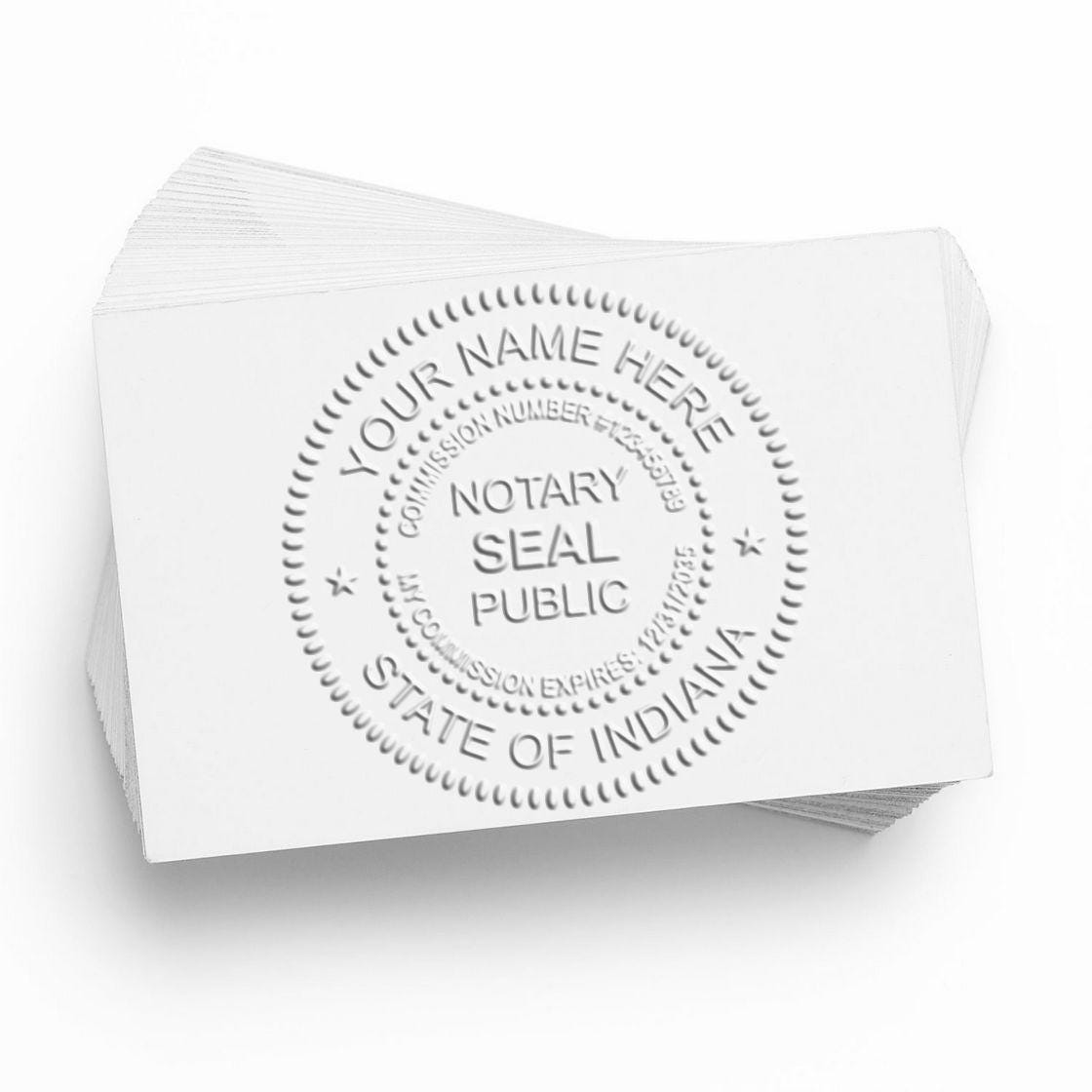
Understand The Purpose Of An IN Notary Seal
If you serve as an Indiana Notary Public, you already know how crucial your IN notary seal is. This small yet mighty tool allows you to authenticate documents and validates your role as an impartial witness. By placing a clear, official seal on every notarized document, you help prevent fraudulent activities and demonstrate professional credibility every time.
Why Indiana Requires A Notary Seal
In the state of Indiana, a notary seal (often paired with your notary stamp) confirms that you are legally commissioned and in good standing. This requirement ensures each notarial act meets high standards of integrity. Your seal basically says: “Yes, I’m authorized. Yes, this document is verified.”
- It deters document tampering.
- It upholds uniformity across all notarized papers in Indiana.
- It helps government agencies, businesses, and private individuals confirm the notary’s identity.
In short, the state relies on your IN notary seal to keep legal processes transparent and protected.
Key Components Of An Official Seal
When you shop for a seal, you’ll notice a few typical elements:
- Your name exactly as it appears on your commission.
- “Notary Public” designation.
- “State of Indiana” to confirm your jurisdiction.
- Optional wording like “My Commission Expires…” along with your expiry date.
Double-check your official commission details before ordering. A mismatch could render your seal invalid, so it’s always best to verify each character, spacing, and punctuation mark.
Know The Types Of Indiana Notary Seals
Choosing a notary seal might seem straightforward, but you actually have several options. Each type comes with its own advantages, and finding the right fit for your style of work can streamline your day-to-day notarial acts.
Embossers Vs. Ink Stamps
The classic embosser creates a raised impression without ink. This look can appear very professional, but it can sometimes be harder to photocopy, especially if the paper’s thickness is inconsistent or if the imprint isn’t quite deep enough.
An ink stamp, on the other hand, is easy to see, especially when scanning or copying documents. In Indiana, you can use either format, but you should confirm the recipient’s preference. Some clients or organizations prefer an ink stamp for quick verification on digital copies.
Self-Inking Vs. Pre-Inked
If you’re leaning toward an ink-based seal, you’ll usually choose between two main styles:
- Self-Inking Seals
The ink pad is built-in and automatically re-inks the rubber die after every use.Quicker to operate, generally less messy. Often require ink refills or pad replacements after several thousand impressions.
- Pre-Inked Seals
Contain ink within the stamp itself, providing crisp and detailed impressions.Typically produce a sharper image. Last for more impressions before requiring a refill. Either option works well for everyday notarizations, so it comes down to how frequently you stamp and whether you mind refilling pads more regularly.
Shop With Confidence: Essential Factors To Consider
You’re about to invest in a tool you’ll likely use for years, so take a moment to think about performance, durability, and ease of maintenance. It’s similar to buying a quality pair of shoes: you want something comfortable, reliable, and able to withstand daily use.
Material Quality
Look for seals made with robust components. Steel-based embossers or high-grade plastic stamp bodies resist wear and tear. You don’t want to replace your seal prematurely simply because the handle broke or the impression plate came loose.
Design Preferences
Making sure your name and commission details are accurately represented is nonnegotiable, but you can still explore small design choices. Some notaries love minimalist seals that keep the text clean. Others prefer a decorative border. As long as the mandatory wording is included and clarity isn’t sacrificed, feel free to choose a style that suits your taste.
Budget And Maintenance
Most basic seals—embosser or stamp—won’t break the bank. However, you can also find upgraded models with premium finishes or ergonomic handles. Beyond the upfront cost, factor in long-term maintenance. If you choose a self-inking or pre-inked stamp, set aside a small budget for refills. If you prefer an embosser, think about where you’ll store it and how you’ll transport it safely if you handle onsite notarizations.
Trust Acorn Stamps For Your Needs
When you’re ready to purchase, it’s important to work with a supplier that prioritizes quality and authenticity. Acorn Stamps stands out as a top supplier of Indiana notary stamps and Indiana notary seals. You’ll find an impressive catalog of stamp designs, embosser options, and more.
Why Choose A Family-Owned Supplier
Acorn Stamps has been family owned and operated since 1964, marking 60 years of dedicated service. That legacy translates into reliability and a genuine commitment to helping notaries like you thrive. You’re not just another order number, and you’ll sense that personalized care the moment you connect with them.
Stellar Customer Service And Fast Turnaround
Sometimes you just can’t wait days or weeks for your new notary seal. Acorn Stamps understands that. Their streamlined production process ensures a swift turnaround, and you’ll also benefit from customer service experts who can answer any questions about Indiana’s specific rules for notary seals. Whether you prefer an embosser or an ink stamp, you can trust that your order will be fulfilled with attention to detail.
Step-By-Step: How To Order An IN Notary Seal
Navigating the notary supply process shouldn’t be difficult. Once you know which kind of seal you want—embosser or stamp—simply follow a few key steps to ensure you receive a compliant, high-quality product.
Check Official Requirements
Before finalizing your purchase, review Indiana’s statutory guidelines for seal design. Confirm the required text, your name’s spelling, commission number if needed, and expiration date guidelines. If you’re purchasing a new seal because your name changed or your commission is up for renewal, verify that you have all the updated details on hand.
Choose Your Design
Next, explore the options that speak to you. Do you want a traditional embosser for a timeless look? Or is a streamlined, pre-inked stamp more your style? In either case, pay attention to font size and layout. You’ll want an impression that’s readable and consistent. If you’re ordering online with Acorn Stamps, you can often see a preview of the seal design before you complete your purchase.
Submit Your Details
Once you’ve chosen the product, provide your name, commission information, and any other required text. Double-check everything thoroughly. A small spelling error can force you to reorder your seal. If you’re ever uncertain about formatting, reach out to Acorn Stamps’ support team. They’re trained to help you spot potential issues before it’s too late.
Keep Your IN Notary Seal In Top Shape
Once your seal arrives, you’ll want to maintain it properly for continued crisp impressions. Here are a few tips to keep yours in peak condition:
- Embosser Storage
Store your embosser in a protective pouch if possible. Keep it away from extreme heat or moisture that might warp its metal parts.
- Ink Stamp Upkeep
If you notice fading impressions, it’s time to refill or replace the ink pad. Follow the manufacturer’s instructions for safe refilling.
- Regular Testing
Give your seal a test on scrap paper every few weeks. This helps you spot any alignment or ink flow issues before you notarize official documents. Treat your new seal well, and you’ll rarely face downtime or unexpected reorders.
Security Tips For Notaries
Your IN notary seal represents legal authority, so safeguarding it matters. If your seal goes missing or is misused, serious consequences can follow. Practice these best security measures to protect both your seal and your commission:
- Lock It Up
Secure your seal in a locked drawer or cabinet when you’re not using it. This simple step prevents unauthorized hands from grabbing it.
- Don’t Share
Never allow anyone else to “borrow” your seal or use it on your behalf. You alone are accountable for every impression that seal makes.
- Monitor Expiry
Know when your commission expires. Beyond legal obligations, an expired commission can lead to confusion or invalid notarizations, especially if your seal references outdated information. Staying proactive keeps your notary practice professional and above reproach.
Overcoming Common Notary Seal Challenges
Even the most careful notaries encounter occasional hiccups. Here’s how to troubleshoot typical issues:
- Ink Stamping Too Light
This often indicates the ink pad is running low or the stamp isn’t pressing firmly. Refill the pad and apply even pressure for best results.
- Uneven Embosser Imprint
Make sure you place the paper in the embosser at the correct angle. If the steel plates are slightly misaligned or the paper’s thickness is inconsistent, you might see a partial imprint. In that case, re-adjust and press more firmly.
- Wrong Commission Info
If something in your seal’s text is incorrect—like a misspelled name—discontinue its use immediately. Contact the supplier to reorder a correct version and notify the state if required. By addressing problems promptly, you’ll maintain trust with the clients who depend on your services.
FAQs:
Below you’ll find answers to the questions Indiana notaries frequently ask about shopping for and maintaining an IN notary seal.
How soon should I replace my seal after renewing my commission?
It’s best to order a new seal as soon as you have confirmed your updated commission details. Using a seal that references an expired commission or an outdated name could lead to legal complications.
Can I reuse my old embosser if my name or commission changes?
Typically, no. You must order a new seal that reflects the current legal name and commission expiry. Reusing a seal with incorrect details violates state regulations.
How long do self-inking stamps usually last?
A self-inking stamp can last for several thousand impressions before needing a new ink pad. The lifespan varies based on frequency of use and the brand’s specific design.
What’s the main advantage of an embosser over an ink stamp?
An embosser offers a clean, professional look without the risk of smearing ink. However, for photocopying, an ink stamp may be more visible. Personal preference and client requirements typically guide this choice.
Where can I buy a new IN notary seal with fast shipping?
Acorn Stamps is a popular choice among notaries throughout Indiana. They offer quick turnaround, attentive customer service, and a wide range of seal options, all backed by a family tradition of craftsmanship since 1964.
Shopping for your IN notary seal should be a positive experience—after all, this tool is central to your role in verifying important documents. When you partner with a trusted supplier like Acorn Stamps, you’ll gain peace of mind knowing that every impression you make is crisp, compliant, and truly professional. By considering the factors outlined above, you’re one step closer to a seamless notarial process. Here’s to many successful notarizations ahead!