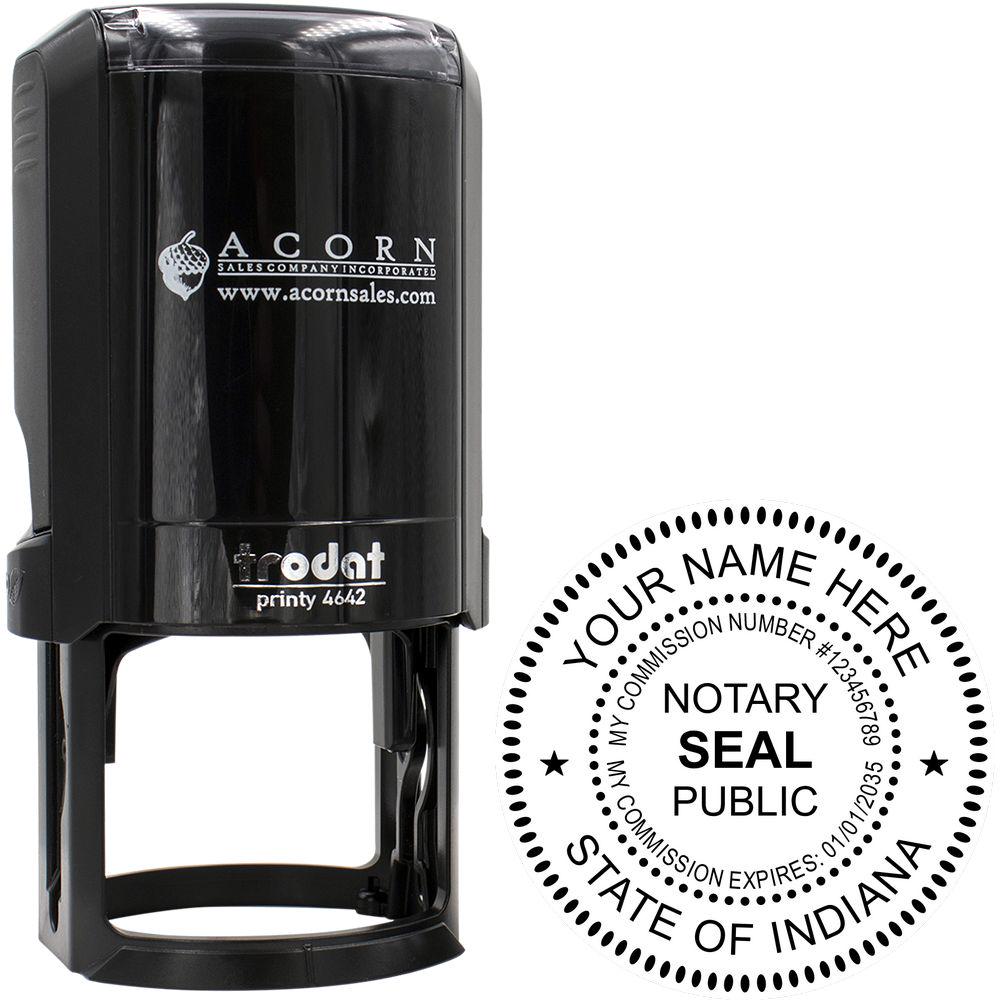
If you are an Indiana notary public, having the right indiana notary public stamp can make your official tasks smoother, more accurate, and fully compliant with state regulations. Whether you are just getting started or looking to replace an old seal, there are a few essential factors to keep in mind. From choosing the ideal stamp type to handling proper storage, this guide will help you navigate every step so you can notarize documents with confidence and efficiency.
In this article, you will explore the fundamental rules set by the state of Indiana for notary stamps, the variety of stamp styles available, and practical tips for selecting high-quality products. You will also learn how to extend the life of your stamp and streamline your notarization process. By the end, you will have a clear roadmap to acquiring a stamp that suits your needs—while ensuring your notarial work always adheres to Indiana’s legal requirements.
Understand Indiana Stamp Requirements
Before you invest in a new indiana notary public stamp, it is crucial to understand the specific requirements set forth by Indiana law. These rules exist to protect both you and the general public by ensuring the integrity of each notarial act. While the guidelines are straightforward, they do vary from state to state—so it pays to be thorough.
Required Information on the Stamp
Most states, including Indiana, dictate that your stamp or seal must contain particular details to identify you as the notary. Generally, you need to include:
- Your full name, exactly as it appears on your notary commission.
- The words “Notary Public.”
- The word “Indiana,” denoting your jurisdiction.
- (If required) Commission number or expiration date.
Because these requirements may change over time, you should verify the most up-to-date rules every time you purchase or renew a stamp. Official state sites and legal databases are reliable places to check. Accurate information on your stamp not only safeguards your notarial acts but also prevents potential fines or disciplinary actions.
Ink Color and Stamp Shape
Indiana typically allows for a variety of ink colors and stamp shapes, as long as the details are legible. However, certain institutions, including county recorders or specific agencies, sometimes have preferences or internal guidelines. If you frequently notarize documents for financial institutions, real estate transactions, or government agencies, it might be worth confirming any preferences they have. While most notaries in Indiana stick with traditional rectangular self-inking stamps, round designs are also popular for the official look they provide.
Explore Popular Stamp Types
Now that you have an overview of the stamp requirements, it is time to familiarize yourself with the different types of notary stamps. Each type offers unique benefits, and the best choice largely depends on your personal workflow, preferences, and budget. Below are a few of the most common stamp types you will find on the market.
Self-Inking Stamps
A self-inking stamp includes an inner mechanism with a built-in ink pad. When you press down on the handle, the stamp flips onto the pad and transfers the ink evenly onto your document. Once you lift it, the stamp flips back and re-inks itself automatically. This convenience makes self-inking stamps a top choice among notaries who handle a high volume of documents. They are known for:
- Speed: You can stamp multiple sheets in quick succession.
- Clean Operation: There is no separate ink pad to juggle or misplace.
- Consistency: The mark is usually crisp and uniform.
Self-inking stamps are popular for frequent use, but it is still wise to replace the ink pad periodically to keep the imprint clear and legible.
Pre-Inked Stamps
Pre-inked stamps store ink within the stamp die itself, resulting in exceptionally clean and sharp impressions. While they typically cost more than self-inking stamps, pre-inked varieties are reliable and often provide a more detailed print. They can handle thousands of impressions before needing a refill. Pre-inked stamps:
- Suit notaries requiring ultra-clear imprints.
- Operate quietly and smoothly.
- Offer a sleek profile that fits neatly in a bag or pocket.
Because these stamps use a gel-based ink, the refill process is slightly more involved than swapping out a self-inking pad. However, if clarity is your top priority, a pre-inked stamp is hard to beat.
Rubber Hand Stamps
Rubber hand stamps are the traditional option, typically used with a separate ink pad. While they can be bulkier and a bit messier than self-inking or pre-inked stamps, they are frequently the most affordable. For notaries who only notarize documents occasionally, a hand stamp can be a cost-effective choice. Just remember to store the ink pad in a convenient spot so you are not scrambling when you need to notarize on short notice.
Choose a Trusted Supplier
Selecting a trustworthy supplier is as important as picking the right stamp type. You want to make sure your stamp meets Indiana’s legal standards, arrives on time, and is backed by reliable customer support. Although there are multiple options on the market, you should be sure to balance affordability with quality. A poorly made stamp that leaks ink or produces a blotchy impression can slow you down or, worse, invalidate a notarized document.
Why Buy From Acorn Stamps
When you are looking for an indiana notary public stamp, one name you can rely on is Acorn Stamps. As a family owned and operated business since 1964—meaning 60 years of dedicated service—Acorn Stamps understands the ins and outs of Indiana notary requirements. With super fast turnaround times for custom orders and a reputation for stellar customer service, Acorn Stamps makes it simpler and more convenient to get the perfect stamp. Whether you prefer a self-inking or pre-inked model, you can rest assured they will deliver a high-quality product built to last.
Key Factors in Supplier Selection
When shopping around, keep an eye out for the following supplier qualities:
- Compliance: Ensure your chosen stamp meets Indiana’s regulations.
- Durability: Look for sturdy construction and crisp, consistent impressions.
- Speed of Delivery: Particularly important if you are renewing or nearing your current stamp’s expiration date.
- Customer Support: In case of typos, misprints, or returns, you want a supplier who stands behind their product.
- Longevity: Companies with decades of experience often know how to consistently provide high-quality gear and smooth transactions.
Care and Maintenance
No matter which stamp you select, proper care can help prolong its life and maintain the clarity of each impression. By allocating a few minutes every week or month to upkeep, you will get the most out of your investment while avoiding inky mishaps or fuzzy imprints.
Store in a Clean, Dry Space
Dirt and dust can easily accumulate on or around the surface of your stamp, especially if you keep it in a busy office environment. Storing your stamp in a drawer or protective case helps prevent debris from landing on the ink pad. If you are using a hand stamp, keep your separate ink pad covered or in a sealed container when it is not in use.
Re-Ink Promptly
Over time, the ink reservoir in a self-inking or pre-inked stamp gradually depletes. The result is a faded imprint that is hard to read. Once you notice the impression losing its sharpness, refill or replace your ink pad (depending on the type of stamp you have). Neglecting to re-ink your stamp can lead to incomplete notarial imprints that could undermine the legality of the document.
Clean Excess Ink
Especially if you use your stamp daily, ink residue may build up around the edges of the stamp die or on the outer casing. This buildup creates smudges and uneven markings. You can gently clean the surface with a slightly damp cloth or use specialized stamp cleaning products that remove ink residue without damaging the rubber. Just be sure to let everything dry thoroughly before stam ping again.
Tips for a Smooth Notarization Process
Now that you know which indiana notary public stamp to buy and how to maintain it, here are some practical insights for streamlining the notarization process. Efficiency, clarity of instructions, and maintaining a professional image can all go a long way in ensuring client satisfaction.
Organize Your Toolkit
Keep all your notary tools in a single, easy-to-reach location. Your notary bag or briefcase should include:
- Your official Indiana notary stamp.
- A journal or logbook for recording transactions.
- A reliable pen (or two) for signing certificates.
- Additional essentials like your ID, embosser (if applicable), and spare ink refill.
A well-prepared notary can handle unexpected tasks or last-minute public requests without hassle.
Double-Check Document Requirements
Each document you notarize may have specific needs or instructions. Some might require a thumbprint, others a signature in multiple places. Before applying your stamp, ensure you have read and understood all instructions. If your client is not sure how to proceed, you can provide clarification but always be mindful not to cross the line into legal advice.
Confirm the Signer’s Identity
Verifying identity is a crucial step in a notarial act. Taking the time to thoroughly check IDs—driver’s license, passport, or another acceptable proof—builds trust and maintains the authenticity of the notarized document. A few extra seconds can make the difference between a valid notarial act and a contested one.
Document Each Act
Maintaining a notary journal is not just a good habit. In many states, it is also a legal requirement (though Indiana’s rules may vary, it is wise to keep consistent records anyway). By writing down the signer’s information, the type of document, and the date of notarization, you create a detailed audit trail that will protect you if a notarized document is ever questioned.
|
Final Thoughts
Choosing and caring for your indiana notary public stamp is not complicated, but it does require attention to detail and a commitment to upholding Indiana’s legal standards. By thoroughly understanding your stamp requirements, selecting a dependable supplier such as Acorn Stamps, and adopting best practices for maintenance and notarization, you will set yourself up for long-term success. Whether you are new to the industry or a seasoned professional, getting your stamp right is an investment in your notary career.
Remember, the stamp is more than just a piece of office equipment. It symbolizes your authority and responsibility to protect and authenticate the documents entrusted to you. When you give careful thought to your stamp’s design, durability, and upkeep, you can feel confident every time you reach for your seal.
Frequently Asked Questions
Do I need a round or rectangular stamp in Indiana?
Indiana does not mandate a specific shape. Both round and rectangular are acceptable, as long as your stamp includes all required information (name, state, and so on) and produces a legible impression.
What if my commission name is different from my legal name?
You must ensure the name on your stamp matches your official commission exactly. If your legal name changes, you will need to update your notary commission before ordering a new stamp.
How often should I replace or refill my notary stamp?
This depends on usage. If you regularly notarize documents, you may need to re-ink a self-inking or pre-inked stamp every few months. Hand stamps last as long as you have a fresh, well-maintained ink pad.
Can I order more than one stamp?
Yes. Many notaries keep multiple stamps—perhaps one for their home office and another for travel. Just remember that each stamp must comply with Indiana law. Companies like Acorn Stamps can quickly produce additional styles if you want variety.
What happens if my stamp becomes illegible?
You should immediately stop using a stamp that no longer produces a clear imprint. Refill the ink or replace the stamp so that your notarial acts remain valid. Using a faded or illegible stamp can cause the notarization to be disputed or rejected.
Careful planning from the moment you choose your supplier to the moment you press your seal on the document will help ensure a smoother notarial experience. By following these guidelines and proactively maintaining your indiana notary public stamp, you will be able to serve your clients quickly, efficiently, and with complete peace of mind. Safe stamping!