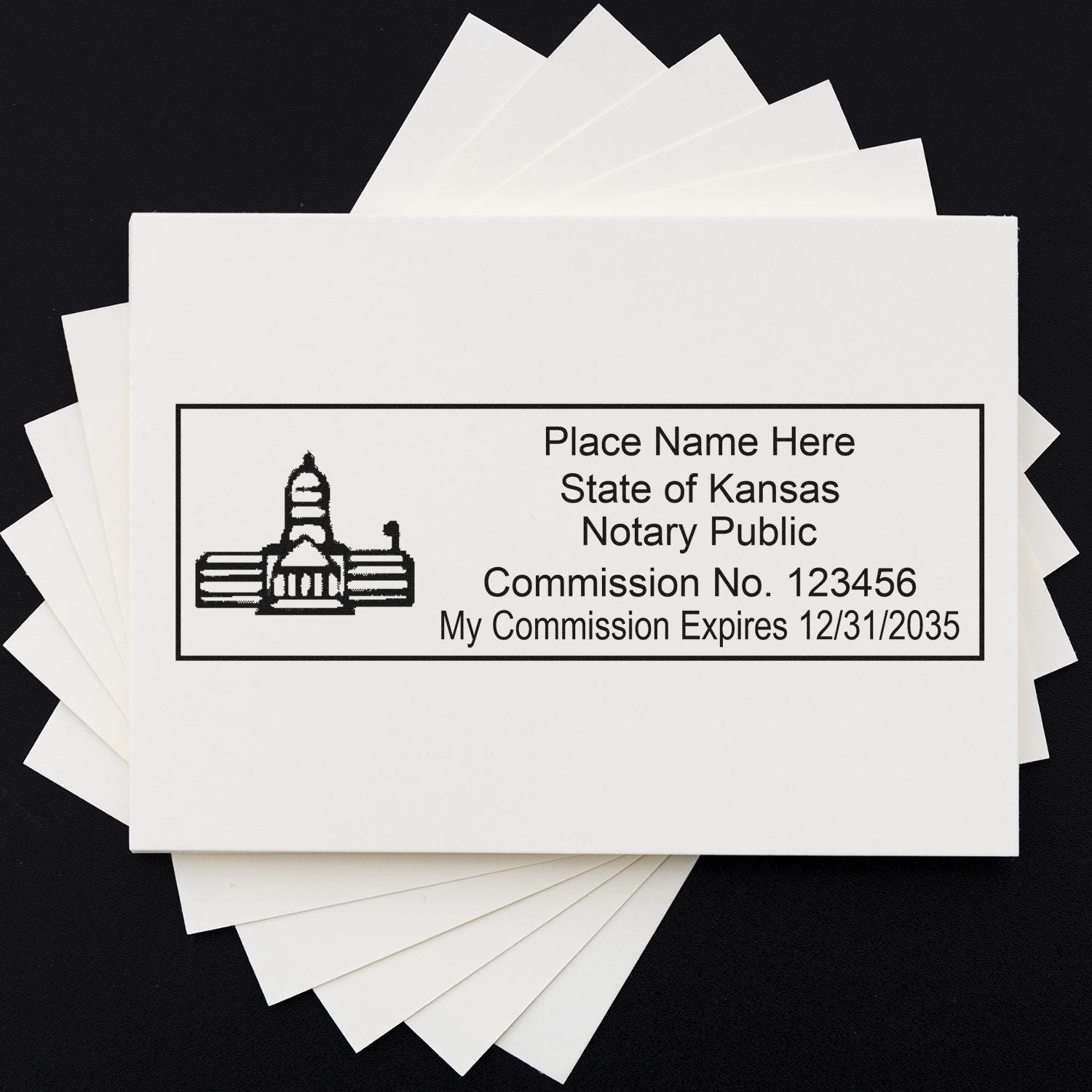
KS Notary Stamp and Seal: What You Need to Know
Whether you’re a newly commissioned Kansas notary public or you’ve been serving your community for years, your KS notary stamp and seal are essential tools you’ll rely on every day. Not only do these items verify your authority and prove the authenticity of the documents you notarize, but they also help protect you from potential legal disputes.By understanding the requirements for your notary stamp and seal, navigating the purchasing process, and learning best practices for usage, you’ll keep your commission in top shape and ensure smooth notarizations for years to come.
Below, you’ll find a comprehensive look at the ins and outs of a Kansas notary stamp and seal. From the basic rules and regulations to practical tips on how to store, use, and renew your notary supplies, this guide offers a clear path to confidently serving as a notary public in the Sunflower State.
Understand Kansas Notary Requirements
Before diving into the details of selecting or ordering your KS notary stamp and seal, it’s helpful to confirm you meet all the basic requirements set by the Kansas Secretary of State. While these rules might seem routine, fully grasping them ensures you’re operating within proper guidelines:
- You must be at least 18 years old.
- You must be a resident of Kansas or regularly employed in Kansas with a place of business in the state.
- You must be able to read and write English.
- You must not have had a notary commission revoked in the past 10 years.
- You must not be convicted of a felony or specific misdemeanor (check out the Kansas statutes for the most up-to-date list).
Why the Rules Matter
In Kansas, each notary public has a sworn responsibility to prevent fraud by properly identifying signers and ensuring government and legal documents are authentic. With that level of responsibility comes strict guidelines. If you fail to comply, you could jeopardize your commission, face legal repercussions, or risk penalties for misconduct.
Verifying Your Status
If you’re uncertain about your current standing or you want to ensure you haven’t missed a recent regulation, take a moment to verify your commission details on the Kansas Secretary of State’s official website. This step can prevent confusion if, for example, you’ve moved, changed your name, or had any other status adjustments.
Choose the Right Type of Stamp or Seal
When it comes to a KS notary stamp and seal, your main options are typically an inked rubber stamp or an embosser seal. Each choice has unique benefits, and your decision will depend on personal preference, your daily workflow, and specific requirements in your locality.
Inked Stamp
- Produces a clear, easily readable impression.
- Quick to use, which is ideal for high-volume settings.
- Commonly includes essential details like your notary's name, commission expiration date, and the words “Notary Public” and “State of Kansas.”
Embosser Seal
- Creates a raised imprint on paper, offering a more traditional and official look.
- Some offices prefer embossed seals because they are harder to forge.
- May require a separate ink pad or inker if an inked impression is needed for record-keeping or copying.
Combination Approach
Many notaries choose to have both an inked stamp and an embosser. The stamp is used for everyday notarizations, while the embosser adds an extra layer of security and prestige for important documents such as real estate deeds or estate documents. This dual approach can help you adapt to various client preferences and ensure your notarizations meet the gold standard.
Ordering Your KS Notary Stamp and Seal
After covering the basics of notary requirements and deciding whether a stamp, a seal, or both is right for you, it’s time to place your order. You’ll need a reliable supplier who understands notary regulations in Kansas and can provide exactly what the state mandates.
Selecting a Trusted Supplier
You want a supplier that offers quality and convenience. Here’s what to look for:
- Knowledge of Kansas notary laws, ensuring stamps and seals meet state standards.
- Stellar customer support to assist if you have questions or concerns.
- Fast turnaround so you don’t run into delays, especially if you’re replacing an expiring stamp.
- Durability and clarity in the stamping device, so impressions remain crisp and compliant.
At Acorn Stamps, our team understands these needs because we’ve been serving Kansas notaries for over 60 years. We’re a family-owned business that values high-quality workmanship, quick turnaround, and personalized assistance. Whether you’re ordering your first notary stamp or renewing an old one, our knowledgeable staff is ready to help.
Information to Provide
When you order your KS notary stamp and seal, make sure you have the following information on hand:
- Your exact name as it appears on your notary commission.
- The expiration date of your commission.
- Your address in Kansas or the address of your regular place of employment in Kansas.
- Any preferences regarding ink color, stamp style, or embosser design.
Providing accurate information reduces any chance of errors or misprints, so double-check the spelling of your name and the relevant commission details before submitting your order.
Processing and Delivery
Turnaround time can vary from one supplier to another. Acorn Stamps usually processes most orders quickly, offering you the flexibility to meet your commission deadlines—ideal for those mid-commission renewals when you can’t afford unnecessary downtime.
Proper Care and Usage
Keeping your KS notary stamp and seal in top condition is just as important as purchasing a compliant model. Stamps and embossers can wear out with frequent use, especially if they’re not cleaned or stored properly.
Storage Tips
- Keep your stamp away from direct sunlight or extreme temperatures. High heat can cause the ink to dry prematurely, while cold weather can make the stamp material brittle.
- Store your embosser in a protective case or pouch to prevent dust buildup.
- Limit access to your notarial tools. Treat them as secure items, ensuring only authorized individuals can handle them.
Cleaning and Maintenance
- Wipe rubber stamps gently with a soft cloth or a cleaning wipe designed for stamps to remove ink residue.
- For embossers, periodically inspect the raised die (the metal or plastic plate that makes the impression) for wear. If you notice bent or damaged edges, contact your supplier for a replacement part or a new seal.
- Re-ink your stamps as needed to maintain a crisp mark. Low ink can lead to faint or incomplete impressions, raising questions about authenticity.
Using Your Stamp in Practice
- Always confirm the signer’s identity by examining government-issued photo identification.
- Make sure each document is fully completed before you apply your stamp or seal—never notarize a blank section.
- Place your stamp in a visible area on the document, typically near the notarial certificate wording. Most states, including Kansas, do not allow your impression to overlap text or signatures.
Sticking to these best practices will help you avoid the common pitfalls that lead to misprints or compliance issues. Your notary stamp and seal are the evidence that you have officially notarized a document- if that evidence is ever questioned, you’ll be glad you maintained strict care standards.
Renewal and Replacement
Your notary commission in Kansas typically lasts for four years. During that time, you’ll need to ensure that any changes in your contact information, name, or address are promptly updated with the Kansas Secretary of State. Approaching the expiration date can be nerve-wracking if you rely on your notary work for income, but renewing and replacing your KS notary stamp and seal doesn’t have to be stressful if you plan ahead.
When to Renew
It’s smart to start your renewal process at least a few months before your commission expires. This buffer allows time for:
- Completing the necessary renewal application forms.
- Paying the state fee for renewal.
- Ordering a new stamp or seal that reflects your updated expiration date.
Replacing a Worn-Out Stamp
If you notice that your stamp impression is fading or the embosser isn’t leaving a distinct mark, don’t wait until it’s completely unusable. Promptly ordering a replacement ensures every notarization you perform meets legal standards. In some cases, you’ll only need to replace the ink pad or an internal component, so check with your supplier to see if repairs are more appropriate than ordering a brand-new device.
Lost or Stolen Stamp
If your notary stamp or seal is lost or stolen, report it to the Kansas Secretary of State’s office right away. Unauthorized use of your stamp could have serious legal consequences. You’ll likely need to order a replacement stamp or seal and update your records to reflect the incident.
Additional Best Practices for Kansas Notaries
Once you have your KS notary stamp and seal ready for action, practicing diligence is key to maintaining a strong professional reputation and avoiding common mistakes.
Keep a Notary Journal
Kansas law does not strictly require maintaining a journal for every notarization, but it’s a best practice that can protect you if a transaction is ever questioned. A notary journal records details of each notarization, such as:
- Date and time of notarization.
- Signer’s name and any identifying information.
- Type of document notarized.
- Notarial acts performed (acknowledgment, oath, affirmation, etc.).
Should a client or third party contest the legitimacy of a signature, your journal provides a clear record of your actions and the verifications you performed.
Stay Updated on Laws
Statutes and administrative rules regarding notaries can evolve. Make a habit of periodically reviewing the Kansas Secretary of State’s website for any updates. You can also join a local or national notary association, which often sends newsletters and updates about changing regulations.
Handle Remote Online Notarization (RON) Carefully
As technology advances, some states have adopted remote online notarization. Kansas has also established provisions for it. If you plan to offer RON services, be sure to review the state’s guidelines and adopt the secure platforms required for authenticating identities and safeguarding your notary stamp and seal in a digital environment.
FAQs About KS Notary Stamp and Seal
Below are five frequently asked questions that may help clarify how to effectively manage and use your KS notary stamp and seal.
Do I need to buy my KS notary stamp and seal from a specific vendor?
There’s no requirement to purchase from a specific vendor but choosing a reputable supplier—like Acorn Stamps—ensures you receive a device that meets Kansas’s legal specifications. A trusted supplier typically has experience with state requirements, offers guidance if any questions arise, and provides quality materials built to last.
Can I use my existing notary stamp from another state if I recently moved to Kansas?
No. If you’ve moved to Kansas and become a notary here, you’ll need to obtain a new stamp and seal that reflects the Kansas jurisdiction. Each state has unique requirements, and your notarial commission in Kansas must be backed by a Kansas-specific stamp.
What if I need to notarize a document out of state with my Kansas commission?
Generally, you can notarize a document originating from any state, provided you’re physically within Kansas at the time of notarization (and as long as the document also allows a Kansas notarial act). Always confirm the out-of-state document instructions to ensure it recognizes a Kansas notary.
Do I have to use both an ink stamp and an embosser?”
Kansas law does not explicitly require you to use both. However, you do need a notarial seal (which can be either a stamped seal or an embossed seal) that includes your name, the words ‘Notary Public,’ and ‘State of Kansas.’ Many notaries prefer to have both for added security or aesthetics, but ultimately, it’s your decision.
When should I replace my notary stamp during my commissioned term?
You’ll want to replace it if your information on the stamp changes (e.g., your name or address), if you run out of ink, or if the impression no longer meets legal readability standards. It’s always better to replace sooner rather than later to avoid risking invalid notarizations due to a poor seal impression.
By staying informed, following practical care guidelines, and using reliable notary tools, you’ll be well-prepared to finalize important transactions for businesses, friends, and community members.In doing so, you not only protect the integrity of each notarized document but also uphold the trusted tradition of notarial service in Kansas.
Remember, your KS notary stamp and seal are vital instruments that speak volumes about your professionalism. If you’re ready to order your first stamp, replace a worn-out device, or learn more about what sets Kansas notaries apart, Acorn Stamps is here to guide you.
With over 60 years of serving notaries nationwide, we’re committed to providing durable, compliant stamps and seals at a fast turnaround, backed by the personalized customer support that comes from being a family-owned business. You’ll be able to conduct your notarial duties with complete confidence- knowing you’re equipped with the tools you need to serve your state and community well.