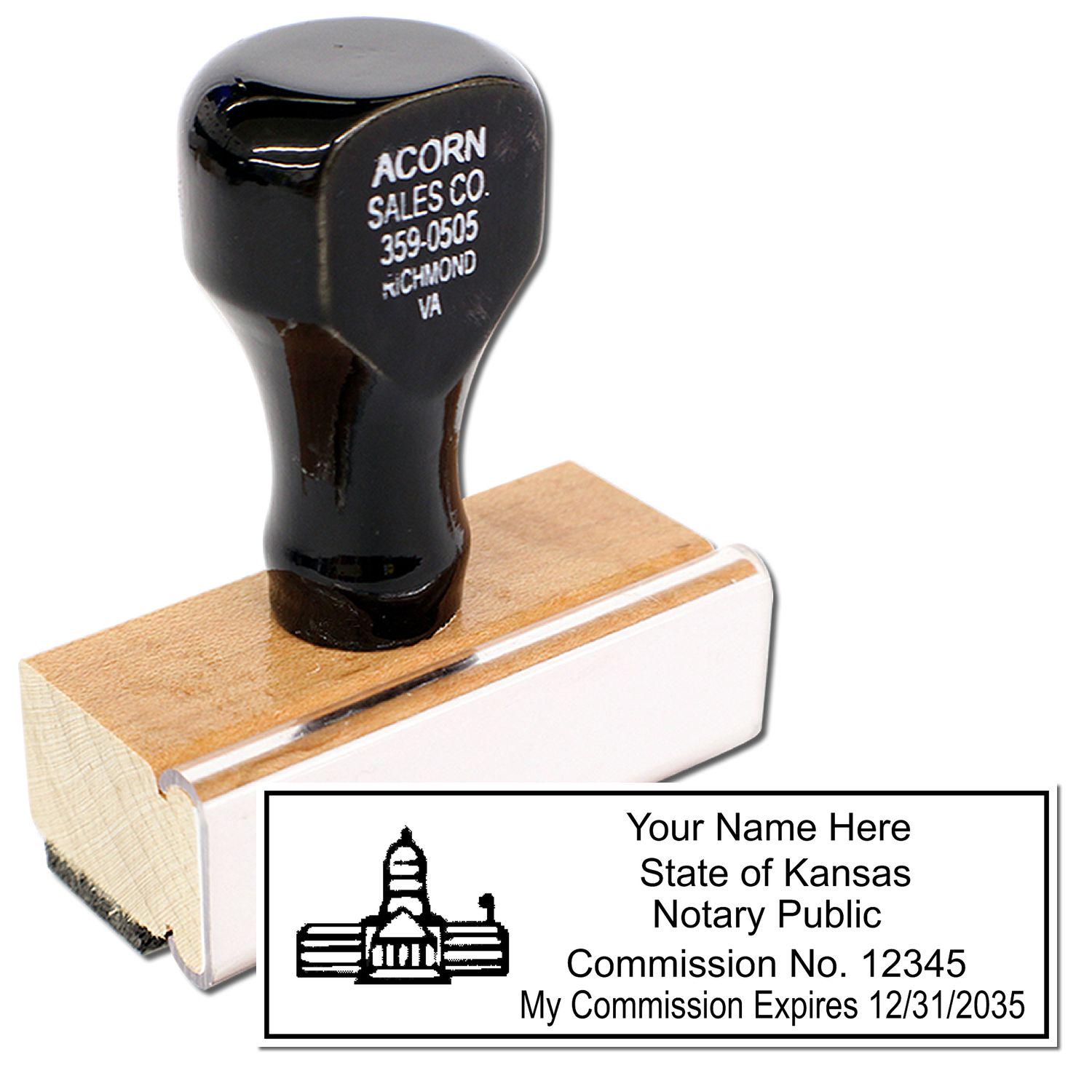
In Kansas, your KS notary seal is more than a basic stamp or embosser. It is a vital tool that lets you authenticate signatures and uphold the trust placed in you as a notary public. Whether you have just received your commission or have been notarizing documents for years, learning about the different types of seals, understanding state regulations, and knowing how to maintain your seal will help you perform your duties smoothly. In this guide, you will discover everything you need to secure and care for your KS notary seal with confidence.
Explore Why You Need a KS Notary Seal
As a Kansas notary public, you have a responsibility to verify identities, witness signatures, and deter fraud. Your notary seal, whether it is a stamp or an embosser, instantly confirms the authenticity of the notarized document. When someone sees your seal next to your signature, they can trust that you have followed state guidelines to validate the signer’s identity.
A proper KS notary seal also helps protect you. If you consistently use a seal that meets state requirements, it becomes more difficult for fraudsters to replicate your credentials. This layer of security safeguards your reputation and the integrity of your notarial acts. By obtaining, using, and maintaining an official seal, you reinforce your standing as a reliable professional who supports the legal and business communities.
Along with this trust comes responsibility. You must comply with Kansas notary laws to keep your commission in good standing. The state has specific regulations about the design of your seal and how you apply it. If you use an invalid design or apply your seal incorrectly, you risk legal consequences and may jeopardize the validity of notarized documents. By investing time in knowing your KS notary seal requirements, you lay a solid foundation for your notarial practice.
Identify the Key Requirements in Kansas
Before you choose or update your notary seal, it is important to know what the state expects. Kansas mandates that notaries use a clear, legible seal that contains specific details:
- Your Name: The seal should include your exact name as it appears on your notary commission.
- The Words “Notary Public”: This indicates your official position.
- The Word “State of Kansas”: This clarifies your legal authority to operate within Kansas.
You are also required to include your commission expiration date on the seal or near the seal, though the preferred format can vary. Some notaries use a rubber stamp for the expiration. Others opt to incorporate the date into the design of the seal itself. Whichever approach you take, make sure the seal’s text is sharp and does not smudge, bleed, or fade.
Another key point is the size of the seal. Aim for a design that fits neatly in the space provided on most standard documents. Oversized seals might make documents look cluttered or even overwrite important text. Undersized seals, on the other hand, might be difficult to read. A middle-ground size roughly one to two inches in diameter (if using a round seal) or a similar height/width (if using a rectangular stamp) will often work best.
Understand Different Types of KS Notary Seals
Selecting the right seal can seem daunting with so many options. Generally, you can choose between stamps (self-inking or pre-inked) and embossers. Each type has advantages, so it is worth comparing them before you decide.
Self-Inking Stamps
Self-inking stamps have a built-in ink pad that automatically re-inks itself after each impression. This makes them convenient if you notarize a high volume of documents throughout the day. You simply press down on the stamp, and the seal is applied instantly. Self-inking stamps are known for their speed and consistent clarity, though you will need to re-ink or replace the self-inking pad occasionally.
Pre-Inked Stamps
Pre-inked stamps contain ink within the die itself, often producing a crisp and precise imprint. This type of stamp can last for thousands of impressions before re-inking is required. Pre-inked models are typically more expensive but are favored for their sharpness and long-lasting performance. If you want a professional look with minimal smudging, these might be the right choice for you.
Embossers
An embosser creates a raised, three-dimensional impression on the paper by applying pressure between two engraved metal plates. Embossed seals look official and are sometimes preferred by those who handle important or ceremonial documents. One downside, however, is that embossed text can be less visible on photocopies or scans. You might need to add extra measures, such as shading the embossed area with a light pencil before making a copy, to ensure it is recognized.
Ultimately, the style you choose will depend on personal preference and how you plan to use your notary seal. If you regularly notarize documents in professional environments, a self-inking or pre-inked stamp may suit you well. If you want a timeless style for certificates or formal documents, an embosser could add a sophisticated touch.
Learn the Steps to Obtain or Renew Your Commission
Even if you already hold a notary commission in Kansas, it is smart to review the process occasionally. This helps ensure you stay compliant when it comes time to renew or if you need to update your seal. While the exact steps might change based on local regulations, the general process includes:
- Meet Eligibility Requirements: Typically, you must be at least 18 years old, a resident of or employed in Kansas, and without convictions that would disqualify you.
- Complete an Application: Provide personal information and attest that you understand your duties. Some counties or jurisdictions may require additional forms.
- Pay a Filing Fee: The fee covers processing your application and often includes any necessary bonds.
- Purchase Your Seal: Once your commission is approved, you buy a KS notary seal that meets the guidelines outlined by the state.
- Keep Accurate Records: While Kansas does not require you to keep a journal, it is best practice to record your notarial acts for self-protection.
Renewal typically involves submitting a renewal application and paying the appropriate fee. You should start this process before your current commission expires so you do not have a gap in notary authority.
Maintain Your KS Notary Seal Properly
Your notary seal is an important investment, and caring for it helps ensure clear and professional impressions every time. Proper maintenance also extends the life of your seal, saving you time and money in the long run.
- Store Your Seal Safely: When not in use, keep your stamp or embosser in a protective case, or place it in a clean drawer. Avoid storing it in extreme heat or cold.
- Keep It Clean: Over time, ink residue can build up on stamps, leading to blotchy or unclear imprints. Gently wipe the surface of the stamp die with a soft, lint-free cloth. If you use an embosser, check the metal plates for any debris that might affect embossing quality.
- Re-Ink When Needed: If you notice that your stamped impression is consistently faint, it may be time to add ink to your self-inking or pre-inked device. Use an ink specially formulated for your seal to avoid clogs or damage.
- Monitor Wear and Tear: The hinge on an embosser or the mechanism inside a stamp can degrade over time. Inspect your seal periodically, and if you spot cracks or misalignments, consider repairing or replacing it.
By taking these simple steps, you will enjoy crisp, professional impressions while maintaining the professionalism that Kansas notaries are known for.
Choose the Right Supplier
You want an official seal that meets Kansas regulations, arrives quickly, and produces high-quality impressions time after time. That is why you should consider ordering from a trusted supplier who can deliver on all these fronts. At Acorn Stamps, you will find an array of Kansas notary stamps and seals that fit your needs, whether you prefer a self-inking, pre-inked, or embossed style.
Acorn Stamps is known for stellar customer service, providing super fast turnaround when delivering your notary supplies. Family owned and operated since 1964, and with 60 years of service under their belt, they take pride in tailoring stamp designs to meet Kansas guidelines accurately. Plus, if you ever have questions about the layout or best practices, they are ready to guide you toward the perfect solution.
When you are choosing a vendor, remember to look for a company that stands by their products with warranties or guarantees. This indicates a level of confidence in the seal’s quality. Also, a responsive customer service team can be a lifesaver if you need help with replacements or re-inking. Spend a little extra time vetting your supplier, and you will ensure a smooth experience when you need to update or replace your KS notary seal.
Avoid Common Notary Seal Pitfalls
Even the most conscientious notary can run into problems. Reviewing common mistakes will help you steer clear of any slip-ups:
- Using Faded Impressions: Double-check that every notarized document has a clear impression of your seal. Faded or partially legible seals can cause recipients to reject or question the document.
- Mixing Up Your Dates: Some notaries accidentally use an expired seal or forget to update the expiration date on their stamp. Before notarizing, confirm the dates are correct and current.
- Over-Stamping: Placing your seal over signatures or essential text can obscure important details. Always stamp in a clear area to maintain the readability of the document.
- Lending Out Your Seal: Only you are authorized to use your official seal. Never leave it unattended or allow someone else to stamp documents on your behalf.
- Ignoring State Updates: Regulations and guidelines can evolve. Periodically check the Kansas Secretary of State’s website or similar resources to ensure you are following the latest requirements.
By watching out for small but serious errors, you will maintain a strong reputation and protect the integrity of every document you notarize.
Frequently Asked Questions
How Do I Know If My Seal Meets Kansas Requirements?
Your seal must include your name, the words “Notary Public,” and “State of Kansas.” It should be legible and sized correctly so it fits neatly on standard documents. You also need to indicate your commission expiration, either on the seal or near it.
Can I Use an Embosser and a Stamp at the Same Time?
Yes, you can use both if you want the official raised impression from an embosser plus the clarity of an inked stamp. However, be sure each impression remains legible and does not overlap critical text.
How Often Should I Replace My KS Notary Seal?
Replace it when the impression becomes faint or when the mechanical parts no longer align properly. If you keep good care of your stamp or embosser, you can often go years before needing a new one.
Is a Notary Journal Required in Kansas?
Kansas does not mandate that you keep a notary journal, but it is highly recommended. A journal protects you if there is ever a dispute about a notarized document, and it helps you track your notarial acts.
Where Can I Purchase a Quality KS Notary Seal?
You have many options, but choosing a reliable, knowledgeable vendor is essential. Acorn Stamps, for example, has served the notary community for 60 years by providing fast shipping, friendly service, and seals that strictly adhere to Kansas guidelines.
By familiarizing yourself with Kansas laws, selecting the best seal design, and practicing careful maintenance, you ensure every notarized document is clear and valid. Your KS notary seal is not just a legal requirement, it is your professional signature. With a trustworthy supplier and a proper understanding of state regulations, you will be well on your way to covering all your notarial bases.