How to Choose an IA Notary Stamp That Lasts
Understand IA Notary Stamp Basics
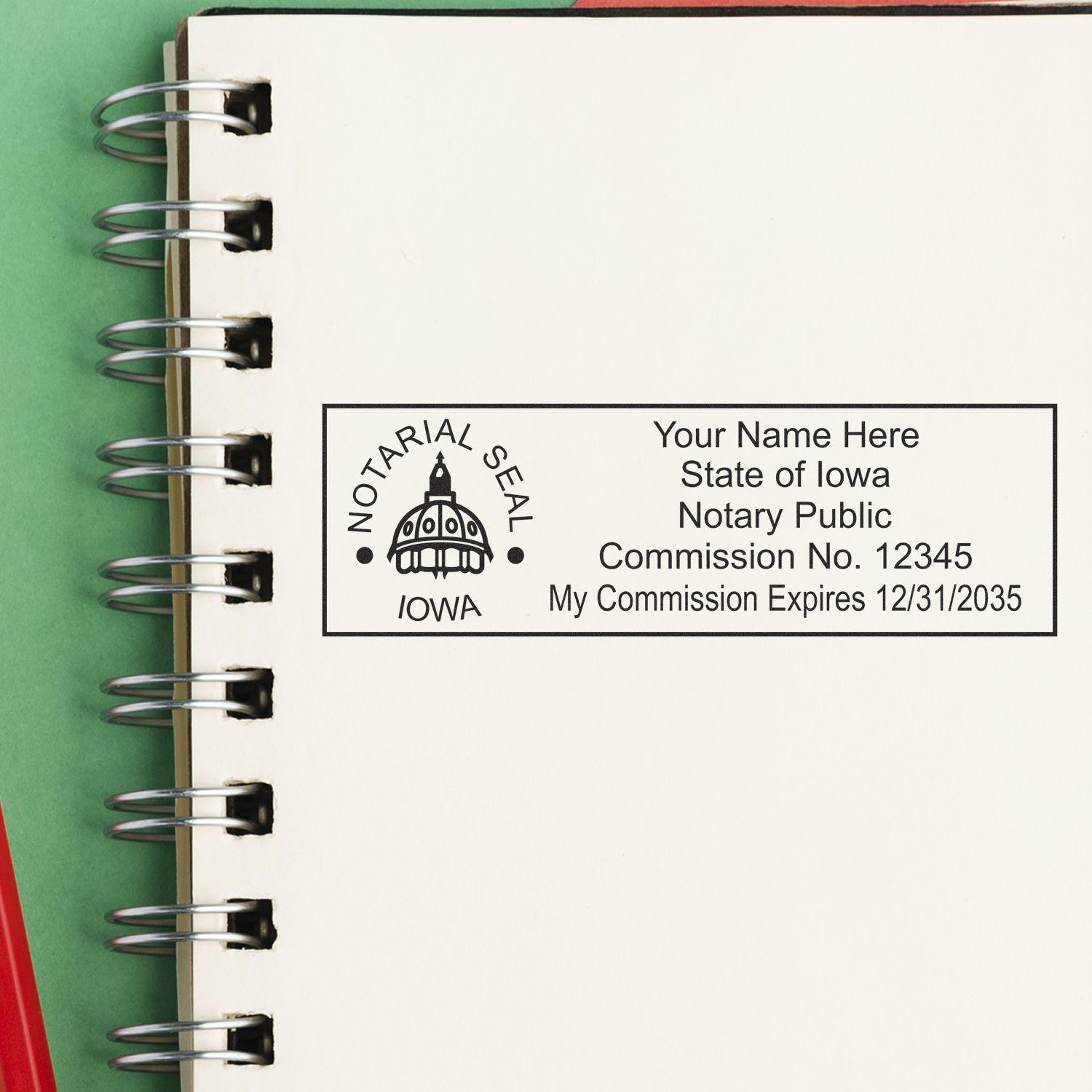
Choosing an IA notary stamp that genuinely stands the test of time can feel overwhelming, especially when you want to fulfill Iowa’s official requirements. As an Iowa Notary Public, you already understand that the right notary supplies are crucial for performing your duties accurately and efficiently. However, before you invest in any particular stamp, it helps to review the basic elements that make an Iowa notary stamp suitable, reliable, and compliant.
Common Requirements
- Your stamp must contain your name as it appears on your commission.
- It should include the words "Notarial Seal" and "Iowa."
- Some stamps also include space for your commission number or the expiration date of your commission.
These requirements help ensure that documents you notarize are valid within the state. By understanding these foundational standards, you can focus on selecting a stamp built to last, rather than having to replace it due to non-compliance. The good news is, many reputable suppliers—like Acorn Stamps—stay up to date on the latest Iowa regulations, so you don’t have to memorize all the details.
Focus on Durability and Materials
Even though Iowa notary rules provide guidelines on the layout of your IA notary stamp, those rules don’t dictate which specific materials you should choose. That decision is yours, and it plays a large role in the longevity of your stamp. When you’re weighing your options, it’s helpful to consider how often you plan to notarize, the climate and environmental conditions you’ll work in, and how you typically store your supplies.
Metal vs. Plastic Frames
Stamps generally come in either metal or plastic frameworks. Plastic frames are popular because they are lightweight and often cost-effective. These designs can be durable enough for moderate use, provided you handle them with reasonable care.
- Metal frames are typically heavier and sturdier, and they often handle long hours of regular stamping more gracefully.
- Plastic frames may be less expensive initially, but they can eventually crack if subjected to repeated pressure or if dropped.
If you perform a large volume of notarizations daily—perhaps in a busy office or legal setting—a metal-bodied stamp might be a worthwhile investment. It can better withstand the constant pressing motion and, as a result, maintain a crisp impression for hundreds of documents without showing signs of wear.
Stamp Ink Types
Another factor that can affect durability is the ink itself. You have a few choices, such as water-based ink, oil-based ink, and even quick-drying formulations. Each can influence how often you’ll need to re-ink your stamp.
- Water-based ink is fairly common, but it can dry out more quickly if you leave it in direct sunlight or if you’re in a low-humidity environment.
- Oil-based ink tends to stay intact longer, though it can sometimes take a little more time to dry on the page.
Your ideal choice comes down to convenience. If you’re planning to make frequent, back-to-back stamps, an ink that dries fast might be better for avoiding smudges or accidental transfers. However, if longevity is your top priority, you might select an ink that retains moisture well, even if it takes an extra second to fully set on the document.
Plan Your Stamp Layout
An IA notary stamp typically highlights your name, the state, and any other mandated text or symbols. The simpler and cleaner this information is, the easier it will be for signers and officials to verify notarized documents at a glance. Paying attention to layout also contributes to better clarity in your stamped impressions.
- Keep the design minimal. You want essential text that meets Iowa law, without extra flourishes that crowd the space.
- Consider your font choice. A crisp, readable font prevents confusion.
- Make sure the stock size fits. Too large of a stamp may not align neatly on some documents, while a stamp that’s too small might be hard to read.
Precise and legible impressions project professionalism. Whether you regularly stamp legal briefs, real estate documents, or medical affidavits, having a straightforward layout helps each notarial act remain clear and valid, which maintains trust and professionalism.
Maintenance for a Long-Lasting Stamp
Once you’ve settled on an IA notary stamp that meets Iowa’s standards, you’ll want to keep it in prime condition. Maintenance can feel like an afterthought, but it plays a major role in extending the life of your stamp and ensuring your notarial seal keeps making sharp, uniform impressions.
- Store your stamp in a cool, dry place. Humidity and direct sunlight can cause the polymer or rubber in the stamp die to deteriorate.
- Re-ink according to usage. If you notice faint or uneven impressions, it may be time to add ink. Follow the manufacturer’s guidelines for how and when to re-ink.
- Wipe away excess ink. Ink can accumulate around the edges of the die, leading to smudgy impressions. A quick wipe with a lint-free cloth can help.
Routine care doesn’t have to be time-consuming. Even a few seconds of mindful upkeep each day can greatly expand the life and quality of your notary stamp. If you ever notice significant wear or cracks in the handle or die, you’ll want to replace the stamp promptly to maintain professional standards.
Choose a Trusted Supplier
One of the most important steps in picking a stamp that truly endures is finding a provider that knows their craft. Acorn Stamps is a top supplier of Iowa notary stamps and Iowa notary seals, recognized for stellar customer service and super fast turnaround times. Family owned and operated since 1964, Acorn Stamps has 60 years of service refining the art of stamp-making.When you work with a reputable supplier, you’re not just getting a product off the shelf. You also gain access to:
- Knowledge of local Iowa notary regulations.
- Customized options that ensure your stamp reflects your name and commission details perfectly.
- High-quality frames and inks that can handle regular or even heavy stamping volume.
- Personalized customer support to answer questions—whether it’s about re-inking or commission name changes.
For many Iowa notaries, finding a reliable supplier is the secret to skipping future headaches of reordering or discovering a mismatch in official requirements. The added bonus of partnering with a family-owned business is getting an extra layer of personal commitment from a team that’s been refining stamps for decades.
Why Material Quality Affects Your Notarial Acts
Your notary seal, in a sense, is your professional fingerprint. Each time you place a seal on a document, you’re verifying that you’ve followed proper procedure and that the document is properly notarized. If your IA notary stamp doesn’t produce a consistent, legible impression:
- You may invite uncertainty about the integrity of your acts.
- Clients or signers could question the validity of their documents.
- You might even have to re-notarize items, which wastes time for everyone involved.
From a professional standpoint, investing in a high-quality stamp that gives clear marks on the first press can help you avoid these pitfalls. You also show your commitment to both excellence and the signers’ peace of mind. The cost difference between a basic, low-quality stamp and a durable one is usually modest compared to the improved longevity and reliability you gain.
Consider Specific Stamp Types
Not all stamps are created equal, and understanding the main types can help you make a more informed decision:
Self-Inking Stamps
These stamps contain an internal ink pad that re-inks the die each time you press, so you don’t have to carry a separate ink pad. They’re convenient and typically offer thousands of impressions. However, when the ink pad dries out, you’ll need to replace or refill it.
Pre-Inked Stamps
A pre-inked stamp differs from a self-inking stamp in that the ink is in the stamp’s die itself. Often, these stamps yield the sharpest impressions and can last for tens of thousands of impressions before needing re-inking. They tend to cost a bit more but are favored by notaries who want consistently crisp marks.
Rubber Stamps with Separate Ink Pad
The classic approach is a rubber stamp that requires you to press it onto an external ink pad before stamping. While this method delivers workable results, it’s not always the most convenient for busy notaries or mobile notary assignments.Each option can serve you well as long as it meets Iowa’s design requirements. Ultimately, your choice depends on how often you notarize, your budget, and your personal preference for re-inking.
Tips for Customizing Your Iowa Notary Seal
Though Iowa notary seals follow certain rules, there is still some room for personal touches that make your stamp uniquely yours while staying compliant. You might choose to emphasize your name in bold or pick a particular font style that you find readable. Some notaries like a rectangular shape, while others prefer a circular stamp. Either form is acceptable in Iowa, as long as the essential notary language is correct.
- Size and shape: Rectangular stamps often create a neat fit on the edges of documents. Circular stamps look traditional and stand out on multicolored paper.
- Font choice: A simple, block-style font is usually easiest to read and yields clean impressions.
- Border details: Many notary seals include a border that encloses the design. This border can be a fine line or a decorative ring, provided it does not crowd the required text.
If you’re still unsure about what design is best for your paperwork, you might explore a standard recommended layout. Acorn Stamps can also guide you through the formatting process, ensuring everything is lined up properly and legally sound.
Pairing Quality With Convenience
Selecting your notary stamp isn’t purely about materials, ink type, or design. It’s also about convenience. Consider how and where you typically perform your notarial duties. If you’re a traveling notary who needs to drive to clients, you may appreciate a self-inking or pre-inked solution that removes the need to juggle an external pad. If you mostly notarize documents at a desk in your home office, you might not mind keeping a separate pad handy.Additionally, convenience extends to:
- The ease of refill or re-inking.
- The compactness of the stamp in a briefcase or bag.
- Assurance that your official seal is always ready for the next form or affidavit.
When you strike the right balance, your IA notary stamp will seamlessly integrate into your day-to-day routine.Essential Takeaways
- The state of Iowa requires key information on your stamp, including your name, "Notarial Seal," and "Iowa," so start with that basic framework.
- Invest in durable materials. Metal frames hold up well under frequent use, and quality ink reduces smudging and frequent re-inking.
- A clean, minimal layout ensures your notary seal remains readable. Choose fonts and sizes that support clarity.
- Consistent maintenance, from re-inking to proper storage, significantly extends the life of your IA notary stamp.
- Partnering with a reputable provider, such as Acorn Stamps, is an effective way to secure support, authenticity, and long-term performance.
By grounding your choices in durability, clarity, and Iowa’s guidelines, you set yourself up for a smooth, reliable notary experience every time you reach for your stamp.
Frequently Asked Questions
Do I Need a Specific Design for an IA Notary Stamp?
Iowa law doesn’t mandate one exact design. However, your stamp must include your name as listed on your notary commission, the words "Notarial Seal," and "Iowa." Beyond that, you can choose a circular or rectangular shape, plus other layout preferences, so long as everything remains easy to read and meets state standards.
How Often Should I Re-Ink or Replace My Notary Stamp?
It depends on how frequently you use your stamp. For a busy notary stamping multiple documents daily, you might need to re-ink or replace the pad more often, perhaps every few months. If you only notarize a few documents per month, your ink supply may last significantly longer. As soon as the impression starts to fade or become uneven, it’s time to re-ink.
Is a Metal Stamp Really Worth the Extra Cost?
A metal-framed stamp can be a great investment if you perform a high volume of notarial acts. They typically handle regular pressing with fewer signs of wear. While the upfront cost might be higher, the longevity and consistent impression can save you money in the long run by reducing the need for frequent replacements.
Can I Use a Self-Inking Stamp for All Official Documents?
Yes. Self-inking stamps generally produce crisp, clear impressions and are popular among notaries who value convenience. As long as your self-inking stamp adheres to Iowa’s required elements (your name, "Notarial Seal," "Iowa," etc.), it’s perfectly suitable for official use.
Why Choose Acorn Stamps for My IA Notary Stamp?
Acorn Stamps is a family-owned and operated company that has been in business since 1964. With over 60 years of service, they’re a top supplier of Iowa notary stamps and Iowa notary seals. You’ll benefit from a combination of stellar customer service, super fast turnaround, and expert support on meeting state guidelines. Their team can help you customize your notary seal so it matches your legal name and commission details while maintaining sharp, lasting impressions.
By investing in a quality IA notary stamp and maintaining it properly, you’ll find that notarizing documents remains an efficient process. Considering the demands on a notary public’s time and the importance of a legible seal, focusing on durability, layout, and professional support is well worth the effort. With the right stamp in hand, you’ll be ready to tackle every critical document that comes your way.