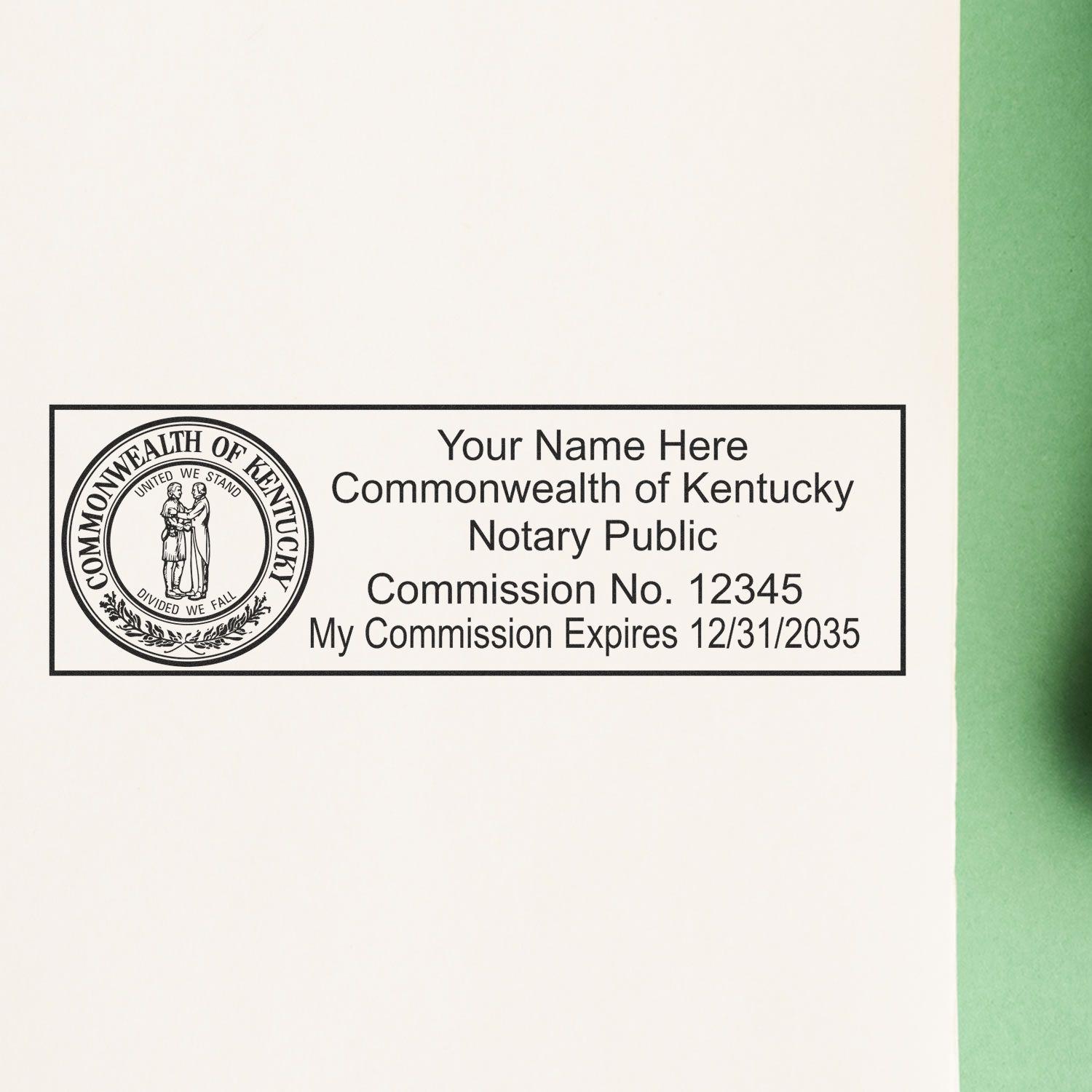
The Essential Kentucky Notary Stamp Every Notary Should Have
Why Your Kentucky Notary Stamp Matters
A Kentucky notary stamp is more than just ink on a page. It is a visual confirmation of your authority as a public officer commissioned by the state of Kentucky. When you provide your stamp on important documents, you are verifying the authenticity of signatures and ensuring that all parties involved can trust the transaction.
That trust is crucial for everything from property deeds to affidavits, and your notary stamp plays a starring role in maintaining integrity and legality.
Your commission as a Kentucky notary public is a point of pride, but it also comes with responsibility. Without the correct stamping practices and the right design for your official seal, you risk invalidating legal documents or creating confusion for individuals who need those documents notarized.
Because of this, it is essential to understand exactly what a Kentucky notary stamp is and how it differs from other tools, such as a raised-emboss seal. Whether you have just received your commission or have been serving as a notary for years, your stamp remains one of the most important symbols of your role.
Kentucky Notary Stamp vs. Notary Seal
When people speak about notaries, they may use the terms “notary stamp” and “notary seal” almost interchangeably. In Kentucky, however, you will often see notaries rely on a rubber stamp for quick and clear impressions.A notary seal refers to an embosser that crimps the paper, leaving a raised impression. Both can be valid, but the inked stamp is typically the most convenient tool for day-to-day notarial duties in Kentucky.
Quick Comparison
- Kentucky Notary Stamp: Uses ink, considered fast, easy to apply, and less prone to misalignment. You can typically see at a glance whether the impression is complete and legible.
- Embossed Seal: Creates a raised mark on the paper. It can look more traditional, but it may be harder to reproduce the impression clearly on documents that get scanned or photocopied.
Some states require both a stamped ink impression and an embossed seal, but Kentucky law is flexible regarding the form of the official seal. Most public offices, lenders, and agencies nowadays prefer a crisp, inked stamp because it is more legible in digital copies.Still, you might find it useful to own both, especially if you want a more formal look or if you regularly notarize ceremonial documents such as wedding officiations or certain legal certificates.
Required Elements of a Kentucky Notary Stamp
Not all notary stamps are created equal. You will see older stamps, new stamps, stamps with round edges, and stamps that are rectangular. Regardless of shape, design, or color, your Kentucky notary stamp must include specific information to comply with state requirements.Before finalizing any purchase, you want to ensure your notary stamp includes the following:
- Your Name
Your name should appear exactly as it is on your notary commission. Even a small discrepancy, like an additional initial or missing middle name, could cause issues when someone scrutinizes the legality of your notarizations.
- "Notary Public - State at Large" or "Notary Public - Special Commission"
Kentucky notaries are typically commissioned as “state at large,” which means you can notarize documents anywhere in Kentucky. If you have a special commission, specific wording might apply. Make sure the appropriate phrase is part of your stamp.
- Your Commission Number
Although notaries in Kentucky were once not required to list a commission number, modern commissions often include a unique identifier. If you have a commission number, ensure your stamp clearly displays it.
- Expiration Date
Notaries have a set commission term, usually valid for four years. You need to display your commission’s expiration date so that any party requesting your services can confirm that your commission is active and legitimate.By following the above guidelines, you safeguard yourself and the individuals relying on your notarial acts. If your stamp is missing any of these pieces, it can make your notarizations vulnerable to legal challenges.
Choosing the Right Kentucky Notary Stamp
When searching for your Kentucky notary stamp, you have more options than you might think. The ink color, shape, size, and even the handle style can differ from one product to another.Although you do not have to overcomplicate your choice, it is good to know a few tips that will help you select a stamp that lasts and meets your needs.
1. Opt for Durable Construction
Your notary stamp will see substantial use over its lifespan. Spongy, poorly made stamps can wear out quickly, leading to smudged or incomplete impressions. Look for a stamp made of durable materials, such as hard plastic or metal.Stamps that feature a replaceable ink pad are also helpful because you can easily refresh your impressions without buying a brand-new stamp.
2. Consider Ink Color
Usually, black ink is standard for many notary stamps. However, some notaries prefer blue or purple to distinguish the notarial impression from other standard office stamps or printed text.Check with your receiving agencies or typical document recipients to see whether they have any specific ink color guidelines. In most Kentucky notarial situations, black ink works just fine, unless otherwise specified by the entity you are working with.
3. Review Shape and Size
Rectangular notary stamps remain the most common choice, but you can also find circular or square options. All can meet Kentucky’s requirements, provided the required text fits. Before choosing a large stamp, consider whether you frequently notarize small spaces on official forms. If your stamp is too wide, it might not fit comfortably in the designated notarial boxes or lines on certain documents.
4. Look at Portability
As a Kentucky notary public, you may travel to locations such as hospitals, banks, or clients’ homes to perform notarizations. Consider investing in a self-inking stamp that has a protective cover.Some stamps lock in place, preventing accidental ink leaks in your bag or briefcase. This simple feature saves you the embarrassment of rummaging through an ink-stained tote and ensures your stamp is at the ready whenever you need it.
How to Use Your Kentucky Notary Stamp Properly
Getting your stamp and applying it to documents can seem straightforward, but you still want to follow some best practices to make sure every notarized document stands up to scrutiny.
- Confirm the Signer’s Identity
Before you even reach for your stamp, verify the signer’s identity. Ask for a current, government-issued photo ID. By Kentucky regulations, it is your job to ensure the person who appears before you is who they claim to be.
- Check Document Completeness
You want to ensure there are no blank lines or missing sections that could be filled in later without your knowledge. A notary stamp on an incomplete document creates a risk of fraud, which can undermine your integrity as a public official.
- Complete the Notarial Certificate
In Kentucky, most documents require either a jurat (oath/affirmation) or an acknowledgment. Make sure the language in your certificate is correct according to the type of notarization.If the document does not include notarial wording, you should fill in the correct certificate or attach a loose certificate that is valid under Kentucky law.
- Apply Your Kentucky Notary Stamp
You want a clean, fully inked impression. Press firmly but avoid rocking the stamp from side to side, as this can cause smears.Double-check that your stamp is placed in a clear area, typically near or below the notarial certificate.
- Record the Notarial Act
Even if the state does not always require detailed recordkeeping, you should maintain a notary journal to log each transaction. At a minimum, record the date, type of notarization, names of signers, and any pertinent details. This practice provides a traceable record should anyone ever question the authenticity of the notarized document.
Buying From Acorn Stamps
When it comes to selecting a reliable supplier for your Kentucky notary stamp, you want a partner you can rely on for quality, speed, and excellent customer service. That’s where Acorn Stamps stands out.As a family-owned and operated business established in 1964, Acorn Stamps has spent 60 years building a reputation for stellar customer service and top-quality products.Shopping for a Kentucky notary stamp with Acorn Stamps ensures:
- High-Quality Materials: Constructed using durable components that deliver crisp, clear impressions.
- Fast Turnaround: If you need a new or replacement stamp quickly, Acorn Stamps has a proven track record of delivering orders efficiently.
- Authorized Notary Designs: You can trust that stamps from Acorn Stamps meet all current Kentucky requirements for notarial text, size, and design.
- Personalized Service: Because Acorn Stamps is family-owned, you can always expect a responsive and knowledgeable team ready to guide you toward the right products.
Many notaries also appreciate having a direct line of communication with real people who care about your professional needs. Whether you have just been commissioned or are renewing for another term, Acorn Stamps aims to make your purchase experience simple, friendly, and reliable.
Maintenance and Storage Tips
Your Kentucky notary stamp is essential for performing your duties day in and day out. Proper care extends its life, improves the clarity of every impression, and prevents embarrassing smudges or blotches.Here are some easy ways to look after your stamp and make sure it stays in top shape:
Store It in a Clean, Dry Place
Moisture can degrade the rubber and ink pad. Whether you keep your stamp in a desk drawer, briefcase, or storage bin, ensure the area is cool and dry. If you conduct mobile notarizations, invest in a carrying case or protective sleeve.
Clean Your Stamp Periodically
Ink residue and dust can collect on the surface of your stamp. Use a soft cloth to gently wipe away any debris. Avoid using harsh solvents that might break down the rubber or damage the stamp’s housing.
Re-Ink as Needed
If you find that your impressions are becoming faint or uneven, it might be time to replace the ink pad or re-ink your self-inking stamp. Follow the manufacturer’s instructions carefully. Putting too much ink in the pad can cause leaks, while too little can prevent you from getting a clear imprint.
Protect Against Unauthorized Use
Never leave your stamp lying around in public areas. Keep it locked away or in your possession at all times. Since your stamp is a legal tool, unauthorized use can be dangerous and legally problematic. Only you, the commissioned notary, should have access to this device.
Common Mistakes to Avoid
Even the most diligent notary can make a slip every now and again. Familiarizing yourself with these common errors will help you avoid them:
- Failing to Update Information
Your notary stamp must match your current name and commission details. If you moved or changed your name, do not keep using the old stamp. Apply for a replacement with your updated information.
- Overlooking Document Requirements
Some documents need an acknowledgment, while others require a jurat. Using the wrong notarial certificate can invalidate the entire document. Confirm you are using the correct language before stamping.
- Applying an Illegible Stamp
If you stamp too lightly or run out of ink, the receiving party might not accept the document. Always inspect the impression immediately. If it isn’t clear, place a second stamp near the first in a designated notary area, or re-ink and apply again (if the document allows space).
- Not Keeping Accurate Records
While Kentucky notarial law might not always mandate a formal journal, maintaining one is a best practice. Without a journal, you have no record to defend yourself if someone questions your notarization.
- Failing to Screen the Signer
Always ensure the signer is willing, aware, and not under duress. If you suspect wrongdoing, you have the right to refuse notarization. It is better to be cautious and uphold ethical standards than to risk enabling fraud.
Conclusion
When you operate as a Kentucky notary public, your responsibility to the community is immense. Your stamp is a key part of that responsibility. It authenticates signatures, underpins crucial transactions, and reassures the public that they are working with a trustworthy professional.
From understanding the required elements of your seal to selecting a sturdy, high-quality stamp that fits your workflow, every decision you make reinforces the trust people place in you.Proper usage is just as essential as having the right stamp. By confirming identities, recording transactions, and ensuring your stamped impressions are always crisp and legible, you show your dedication to the highest standards of notarial practice.
Whether you are a brand-new notary seeking your first official stamp or a longtime practitioner looking for an upgrade, keep in mind that where you buy your stamp matters. Investing in a reputable supplier like Acorn Stamps means you are choosing a durable, compliant stamp backed by stellar customer support.In the end, a well-chosen Kentucky notary stamp is not only a legal device.
It is also a personal emblem of your dedication to upholding the rule of law and the trust of your fellow citizens.
Frequently Asked Questions
Below are five of the most common questions you may have about your Kentucky notary stamp and notarial duties in general:
- Do I Need an Embosser, or Is a Stamp Enough?
Most Kentucky notaries rely on an inked stamp for daily use. While you can also use an embosser if you prefer the traditional raised impression, it is not strictly required. The ink stamp is generally more convenient and more easily read on photocopies or scans.
- Can I Use a Self-Inking Stamp, or Should I Use a Traditional Hand Stamp?
Both types are allowed in Kentucky. Many notaries favor self-inking stamps for speed and convenience. Traditional hand stamps require a separate ink pad but can also be perfectly valid if they meet state requirements for design and text.
- What If My Kentucky Notary Stamp Becomes Illegible Over Time?
If your stamp’s text or image starts to wear out, you should replace or re-ink it as soon as possible. A smudged or faint imprint can lead to rejections of notarized documents and cast doubt on your professional reliability.
- Can I Share My Stamp with Other Notaries in My Firm or Office?
No. Your stamp should be used only by you, the commissioned notary. Every notary public in Kentucky has individualized information- your name, commission number, and expiration date- so no one else can legally use your stamp or seal.
- Is a Journal Required by Kentucky Law?
Kentucky does not always mandate a detailed journal for notarial acts. However, keeping a journal provides an extra layer of protection for both you and your signers. If a notarized document is ever challenged, your journal will serve as evidence of when and how the notarization took place.
By investing in the right Kentucky notary stamp and following best practices, you can ensure your notarial acts remain both effective and respected. Your stamp is an important reflection of your authority. Treat it with care, and you will serve your community with confidence throughout your commission.