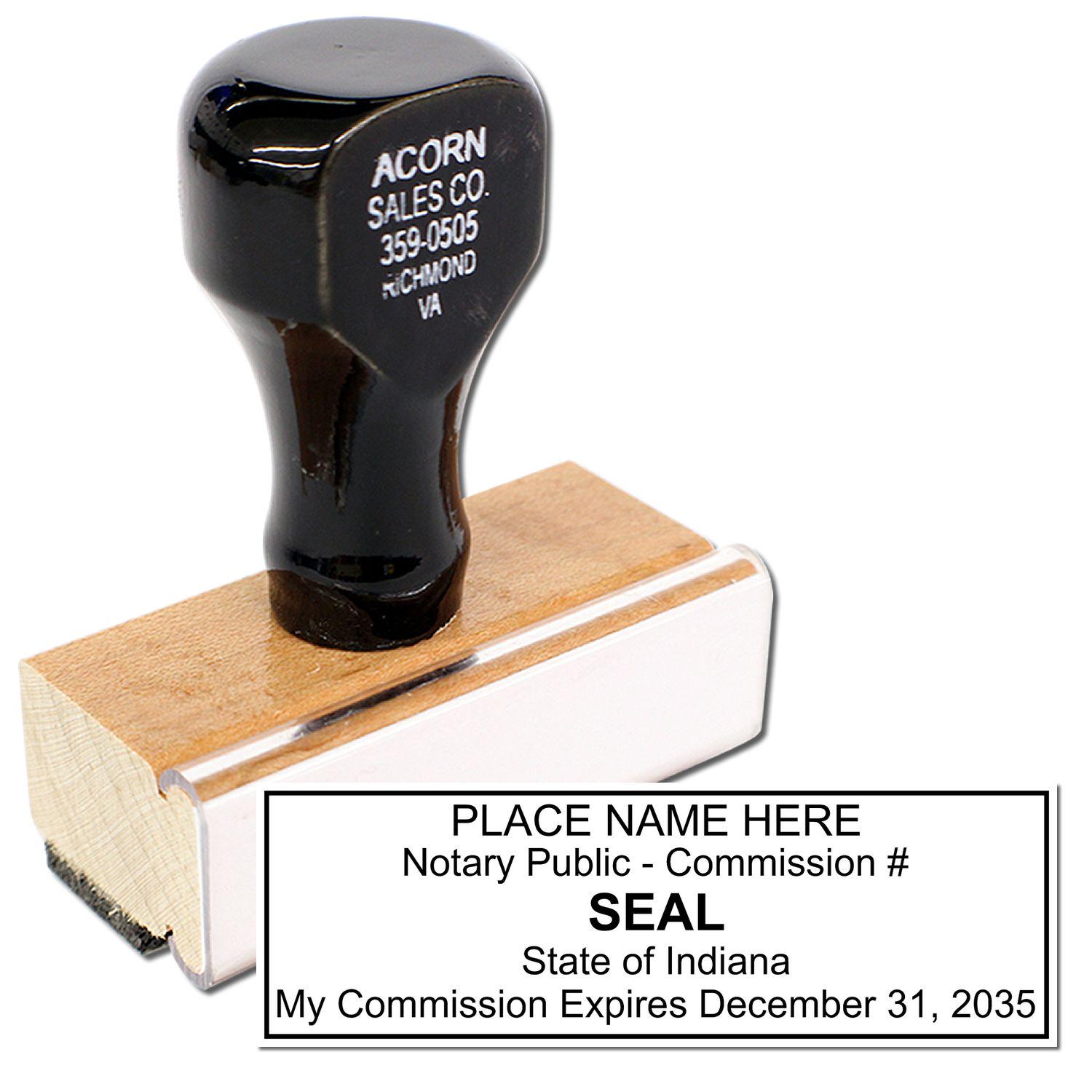
You rely on a clear, crisp imprint to validate your role as an Indiana Notary Public. An indiana notary embosser can be one of your most important tools. Beyond the simple act of stamping or embossing, you want a seal that stands up to daily use, leaves a professional mark, and meets Indiana’s legal guidelines. In this article, you will discover how an Indiana notary embosser works, which features to look for, and how to maintain it over time. You will also get practical tips for ensuring your notarial seal exudes reliability, while learning how to place your order with a trustworthy supplier like Acorn Stamps.
Understand Indiana Notary Embossers
An Indiana notary embosser is a specialized device that creates a raised impression on paper to authenticate your official notarial act. When you press the embosser on a document, the pressure transfers your commissioned details—like your name, commission number, and the words “Notary Public”—onto the paper in a distinctly embossed pattern. This impression raises the text, making it visually and tactilely verifiable.
- Embossers are often used alongside notary stamps, adding an extra layer of protection against falsification.
- Many public offices in Indiana are familiar with embossed seals, so they can instantly confirm the document’s authenticity.
Your role as a notary is to confirm identity, witness signings, and deter fraud. With an embosser, you reinforce these responsibilities in a manner that stands the test of time. The raised texture is more challenging to duplicate than a flat stamp alone, and that reassurance serves you well if the document is ever questioned in a legal or official context.
By understanding the fundamental purpose of your Indiana notary embosser, you set a firm foundation for using it correctly. As you read on, you will learn the essential features and best practices to keep your seal in top shape, which ultimately preserves the integrity of the documents you certify.
Recognize Essential Features
When you shop for an Indiana notary embosser, you want to be confident in its build and ease of operation. Not all embossers perform the same, some are designed for quick one-hand use, while others provide a more robust press-and-seal mechanism. Keep these essential features in mind as you compare different models:
Sturdy Construction
- Look for a heavy-duty metal body or reinforced polymer materials that can handle repeated presses without bending or breaking.
- A reliable embosser should be rugged enough to last through many years of active notary service.
Comfortable Grip
- You will likely use your embosser multiple times a day, so an ergonomic handle that fits comfortably in your hand is vital.
- Some handheld devices have rubberized grips or angled handles that reduce strain on your wrist.
Crisp Impression
- Your embosser die (the engraved metal plate) should be crafted with precision to ensure a clean, raised mark on every use.
- The imprint should remain clearly visible, even on thinner paper.
Customizable Layout
- Indiana notary embossers generally require specific text, such as your name, commission number, and “Notary Public” references, but you can often arrange these elements in an orderly fashion.
- Ensure the die size is appropriate for the official layout mandated by Indiana law.
Locking Mechanism or Storage Case
- Some models include a lock or a small case to keep your embosser safe and prevent it from being accidentally compressed in your bag or storage drawer.
- Proper storage also reduces the risk of unauthorized use.
These features not only simplify your day-to-day stamping tasks, they also offer peace of mind. A high-quality embosser that is easy to manage helps you project professionalism each time you validate a document. Think about your frequency of use, work environment, and comfort as you decide on the model that best suits your commission.
Discover Key Benefits
Choosing an Indiana notary embosser over other tools delivers multiple benefits for both you and the recipients of your notarial services. While stamps are common, embossers can boost the authenticity and prestige of your compliance efforts.
- Enhanced Security:
The raised impression cannot be easily reproduced through scans or photocopies. This feature often deters document fraud.
- Long-Lasting Mark:
Embossed text does not fade the way inked impressions might over many decades, offering durability for long-term documents.
- Professional Appearance:
Individuals or businesses who trust you with their important transactions will appreciate the crisp, raised seal. It looks (and feels) more official, which helps distinguish your work.
- Increased Public Confidence:
People instantly recognize the embossed seal as a higher standard of verification. That heightened legitimacy can instill confidence in clients, lenders, and other parties.
- Versatility:
An embosser works well on various documents, from affidavits and deeds to financial agreements. Whether you seal an estate planning document or a power of attorney, your mark remains consistent. Because of these benefits, many established notaries prefer to use an embosser in conjunction with an inked notary stamp. The two tools together provide comprehensive, fail-safe indicators of authenticity. If a document is ever challenged, that dual confirmation can be a powerful asset. You want to show that your notarial act was deliberate, informed, and compliant.
Compare Embosser Types
Indiana notary embossers generally come in two main categories—handheld and desktop. Each type has its own advantages, so you will want to weigh your workspace, mobility needs, and frequency of use.
Handheld Embossers
- Portable:
If you travel frequently to serve clients at various locations, a handheld embosser is easier to carry around in your bag or briefcase.
- Lightweight Operation:
Many handheld versions use a lever action that requires minimal force, although it might get tiring for high-volume tasks.
- Space-Saving:
They do not take up much room on your desk or in your drawer and are generally quite compact.
Desktop Embossers
- Greater Leverage:
Desktop models often have longer handles or more stable bases, requiring less hand strength for repeated stamping.
- Consistent Pressure:
The bigger frame ensures an evenly distributed force across the die, typically resulting in a flawless imprint each time.
- Suitable for High Volume:
If you process stacks of documents daily, a desktop embosser can significantly speed up your workflow. Deciding which tool fits you best may rest on how many documents you handle per day. If you accommodate walk-in or traveling appointments, a handheld embosser might serve you better. On the other hand, notaries with established offices who see a constant stream of clients may benefit from a stable desktop model.
Maintain Your Notary Seal
A well-tended indiana notary embosser will continue producing clear, crisp impressions over its lifetime. To protect your investment—and the validity of your documents—it is important that you regularly maintain and store your embosser properly.
Clean the Die and Plate
- Dust and small bits of paper can build up over time, dulling the fine lines in the metal.
- Gently wipe your seal with a soft cloth to remove debris. Avoid abrasive cleaning tools that might scratch the metal.
Store in a Safe Place
- Keep your embosser in a case, drawer, or locked cabinet when it’s not in use. If the model has a locking mechanism, engage it.
- Protecting it from moisture prevents rust or corrosion that could hinder its function.
Check Alignment
- Every so often, emboss a scrap sheet of paper and look for any misalignment or partial print.
- If you notice uneven pressure or an incomplete impression, you may need to adjust the top and bottom plates or consult the manufacturer’s guidelines.
Avoid Excessive Force
- Press firmly to get a clear imprint, but do not apply excessive force that might warp the handle or damage the die. Allow the tool to do most of the work for you.
Keep It Secure
- You are responsible for preventing unauthorized use of your notary seal, so never leave it unattended in public spaces.
- Some embosser manufacturers offer lock-and-key or password-locked cases for extra security.
Regularly maintaining your embosser means you will avoid last-minute repairs or unprofessional half-prints. You will also ensure your notary commission remains compliant with Indiana’s regulations, reinforcing your reliability in the eyes of your community and clients.
Order from Acorn Stamps
When you are ready to purchase or upgrade your Indiana notary embosser, choosing a dependable supplier can make a big difference. Acorn Stamps has been a family-owned and operated business since 1964, offering 60 years of service to notaries looking for top-quality stamps and seals. At Acorn Stamps, you can expect:
- Stellar Customer Service:
Friendly, informed staff will guide you through design options, ensuring you meet Indiana’s notary guidelines.
- Super Fast Turnaround:
Whether you have a tight deadline or simply want to proceed quickly, Acorn Stamps expedites orders without sacrificing quality.
- Reputation for Quality:
Decades in the business mean they have refined their craft, providing you with reliable embossers and superior inks when you need them.
- Customizable Designs:
Your Indiana notary embosser will reflect all your pertinent commission details in a crisp, easily legible layout. You can also outfit yourself with additional Indiana notary supplies, such as inked stamps for certain documents or notary journals that boost your record-keeping efficiency. Having everything in one place simplifies your workflow and ensures your materials match the standards set by Indiana law.
Create a Professional Impression
Even with the best embosser in hand, there are several steps you can take to ensure a polished, professional look across all your notarized documents.
Choose the Right Placement
- Usually, you will place your embosser near your notary signature and commission expiration date.
- Avoid margins that are too close to the paper’s edge. This prevents your seal from bending off the page or partially printing.
Press Firmly, Then Release
- Align your document carefully, press down firmly, then gently release.
- Make sure your seal is fully impressed before you remove it from the page.
Pair with an Inked Stamp (If Required)
- Some recipients want a more visible seal for photocopying or scanning.
- If you often encounter requests for additional clarity, you can apply an inked notary stamp near the embossed area.
Keep It Legible
- If your document has text where you plan to emboss, it might clutter the design. Consider a blank space for the seal so it remains easy to read.
- This clarity pays off when officials or clients review the page at a later date.
Be Consistent
- Consistency in seal location and clarity across your documents strengthens your professional image.
- Regularly check for wear and tear, and reorder your embosser if the impression starts to fade or warp.
By incorporating these practices, you reinforce your credibility as a notary public. Every crisp seal shows your attention to detail and dedication to ensuring valid transactions on behalf of Indiana residents.
Frequently Asked Questions
What Are the Legal Requirements for an Indiana Notary Embosser?
Indiana law requires your notary seal to include your name (as it appears on your commission), the words “Notary Public,” and sometimes your commission number or expiration date. The impression must be clear enough for verification. Consult Indiana’s official notary guidelines if you are unsure about mandatory elements.
Can I Use an Inked Stamp Instead of an Embosser?
Yes, most notaries in Indiana use an inked stamp, which is perfectly valid. However, an embosser offers a raised, tactile imprint that many consider more secure and professional. You might use both, some documents benefit from the instant visibility of an inked stamp, while others call for the assurance of a raised seal.
How Often Should I Replace My Embosser?
With proper care, an embosser can last for years, sometimes coinciding with your notary commission renewal. Inspect your seal periodically. If the raised impression appears faint or misaligned, you may need to adjust or replace the embosser. It is also a good idea to upgrade if your state guidelines change or your personal information (like your name) is updated.
Do I Need a Special Storage Case?
While not legally required, a lockable case or a small storage compartment helps protect your embosser from everyday wear and tear. It also prevents unauthorized use. If you travel to meet clients, a carrying case with a secure latch can guard against accidental activation in your bag.
Why Choose Acorn Stamps Over Other Suppliers?
Acorn Stamps has spent 60 years perfecting notary products in a family-run environment, giving you consistent quality and personalized customer service. They understand Indiana’s legal requirements for notary seals, so you can order with confidence. Plus, they ship quickly, giving you peace of mind that you will receive your tools in time for any upcoming client appointments.
An Indiana notary embosser is more than just a piece of metal,it is a testament to your credibility as a notary public. By selecting a durable, high-quality embosser and consistently applying best practices, you make each notarial act more secure and trustworthy. When you are ready to invest in a reliable seal, Acorn Stamps stands ready to help you finalize your purchase and continue serving Indiana’s citizens with pride.