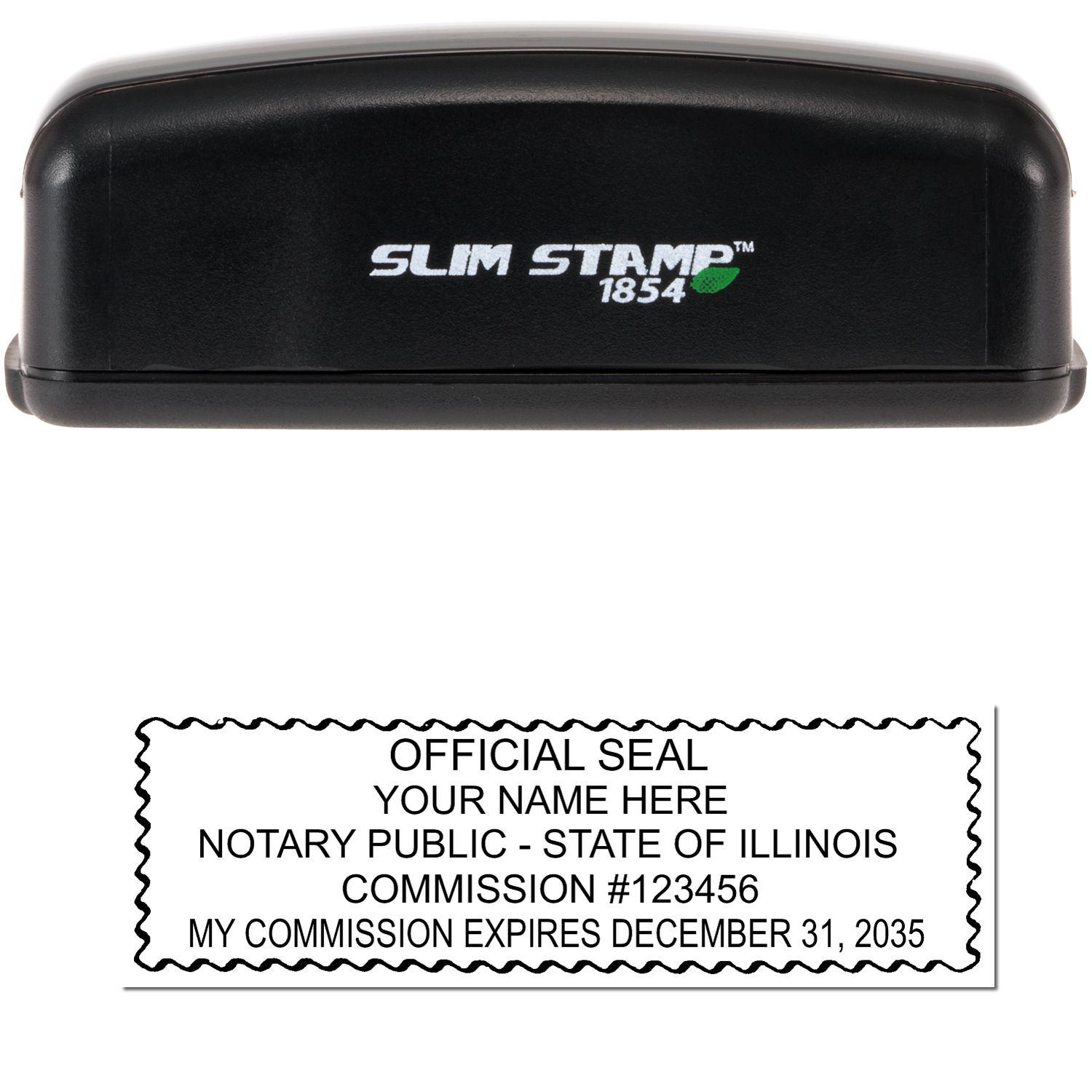
Understand the Illinois Notary Stamp and Seal
When you become a notary public in Illinois, one of the first and most essential things you’ll need is your Illinois notary stamp and seal. These tools play a major role in verifying that your notarized documents meet state regulations. They also provide an extra layer of authenticity and trust in every notarized transaction you handle. Whether you’re brand-new to the world of notarial work or you’ve been doing it for years, understanding the specifics of your notary stamp and seal in Illinois is vital for your daily responsibilities.
Having the proper stamp and seal helps you comply with Illinois state laws and ensures that the documents you witness carry your official notary imprint. But beyond that, this guide aims to help you choose the right product, use it effectively, and avoid common pitfalls. By the time you finish reading, you’ll feel confident about mentioning your notary stamp and seal needs to vendors, checking compliance, and enhancing your professional credibility.
The Legal Background
In Illinois, the notary public office is regulated by state law. This legislation details what your notary stamp and seal must include, such as your name, your role as a notary public, and optionally the county in which you’re commissioned. There are requirements regarding the ink used, the imprint readability, and expiration date details. While these might seem like minor details, each guideline protects the legal standing of the notarized document. If your stamp or seal doesn’t meet official standards, your notarial acts could face legal challenges down the line.
Why Stamps and Seals Matter
You might wonder why using a notary stamp and seal is such a big deal. After all, can’t someone simply confirm your notary status from a database? While that’s partially true, most official agencies still require a physical or embossed impression for fast verification. Your stamp and seal serve as tangible proof that the document has been legally notarized by you, a recognized notary public in Illinois. This helps deter fraud, speeds up document processing, and adds an important layer of security to critical paperwork like real estate transactions, affidavits, and power of attorney documents.
How to Choose the Right Illinois Notary Stamp and Seal
No two notaries have exactly the same preferences when it comes to their stamps and seals. Fortunately, Illinois law provides flexibility, and you can select from various styles, shapes, and ink colors, as long as you meet the state’s guidelines.
Material and Durability
You’ll find that notary stamps and seals come in a wide range of materials. Some are plastic and lightweight, easy to carry in a purse or briefcase. Others are built with more metal components for durability and longevity. When choosing a stamp, think about how often you’ll be using it:
- If you perform multiple notarizations a day, a sturdier, high-volume stamp could be worth the extra investment.
- If you only notarize occasionally, you might be fine with a more budget-friendly option.
For the seal, an embosser typically comes in a metal body that can handle frequent use. But if portability is your top priority, consider a pocket embosser that folds neatly.
Ink Type and Color
While Illinois does not strictly mandate a specific ink color, it’s generally recommended to use a dark color that stands out on any page. Black, blue, or purple inks are common choices. You want to ensure your stamp remains legible even after photocopying or scanning. A high-quality ink ensures a crisp impression, and many modern stamps come with refillable ink pads that last through thousands of uses.
Steps to Properly Use Your Illinois Notary Stamp and Seal
A stamp or seal might seem straightforward, but there are a few best practices to guarantee readability and legal integrity. Using them correctly every time preserves the official standing of your notarial acts.
Verification Steps
Before reaching for your stamp, confirm the person presenting the document is who they claim to be. Illinois law requires proper identification, such as a driver’s license or other government-issued photo ID. Double-check the document for completeness as well:
- Look for blank spaces in the document.
- Ensure personal details, dates, and relevant clauses are filled out.
- Verify that the name on the document matches the name on the ID.
Once everything is verified, you can proceed with your notary act:
- Have the signer provide their signature in the designated spot.
- Date and sign your own name.
- Impress your Illinois notary stamp and seal on the document in a clear, uncluttered area.
Storage and Maintenance
Caring for your notary stamp and seal might not be top of mind, but a little maintenance keeps them both reliable for longer. Consider these tips:
- Store your stamp in a clean, dry place.
- Keep an extra ink pad handy if your stamp is self-inking, so you’re never caught without a usable impression.
- If you notice any fading or blurred edges, it might be time to re-ink or replace the stamp head.
- Always lock your seal embosser if you have the option, so that only you can access it.
A secure storage location helps prevent misuse or fraud. Since your Illinois notary stamp and seal represent your authority, you don’t want them falling into the wrong hands.
Common Mistakes to Avoid
Even experienced notaries sometimes slip up. Here are some pitfalls you can sidestep to keep your notarial acts completely valid:
- Missing Key Information: Remember to include your signature, the date, and your notary stamp or seal impression. If any of these are absent, the notarization could be deemed incomplete.
- Stale Commission Information: If your notary commission has expired, renew before continuing any notarial acts. Also, update your stamp and seal with the new expiration date if it’s required by law.
- Overlapping the Text: When placing your Illinois notary stamp and seal, avoid stamping over essential text. Overlapping can obscure words and might invalidate the document.
- Poorly Stored Notary Tools: Leaving your stamp in a space where the ink dries out or letting your embosser collect dust can lead to unclear imprints.
By steering clear of these common mistakes, you’ll protect your reputation and keep your commission in good standing.
Where to Get Your Illinois Notary Stamp and Seal
When you’re ready to purchase your Illinois notary stamp and seal, it’s tempting to order from just any supplier. However, partnering with a reputable company can make all the difference in product quality and customer service.
Why Choose Acorn Stamps
At Acorn Stamps, you can count on top-notch products specifically tailored for Illinois notary public needs. Whether you need a practical self-inking stamp or a professional-grade embosser, Acorn Stamps offers a comprehensive range of options. Plus, we’ve served the community for 60 years—family owned and operated since 1964—and pride ourselves on ensuring you get everything you need quickly and correctly. When you work with Acorn Stamps, you’ll discover:
- Stellar customer service that helps you navigate any questions or concerns.
- Super fast turnaround times, because we know how important it is to keep your notary work uninterrupted.
- High-quality materials to withstand daily use.
Ordering Tips
Placing your first order for an Illinois notary stamp and seal should feel straightforward. Here are a few steps you can follow:
- Make sure you have your official commission information, including your name as it appears in your notary application and any required business address details.
- Double-check the product description to confirm it meets Illinois’s guidelines.
- Choose the features you need—self-inking or manual, round or rectangular, etc.
- Confirm processing and shipping times to align with your notarial schedule.
One bonus tip: If you already have a notary seal but need a fresh stamp, many suppliers let you purchase these items separately. That way, you can keep both your stamp and seal up to date without ordering more than you need. And if you have any uncertainties about what to include, you can always reach out to Acorn Stamps for personalized guidance.
FAQs
Below are five of the most commonly asked questions about the Illinois notary stamp and seal:
Do I Need Both a Stamp and a Seal?
While Illinois law makes a notary seal mandatory, many notaries add a stamp for practicality. This dual approach lets you easily leave a quick ink impression for daily needs, while the seal provides an added layer of formality for certain documents.
What Happens If My Stamp Impression Is Unclear?
If your impression isn’t crisp or is difficult to read, it can jeopardize the validity of the document. Practice stamping on a scrap piece of paper first, and make sure your ink pad is adequately filled. If it’s still unclear, switch to a fresh pad or replace the stamp.
Can I Use a Fancy Font or Design on My Stamp?
Generally, the focus should be on readability. Many states, including Illinois, prefer stamps that list your name, commission expiration, and official notary public designation in a clear and legible font. Too much flair might reduce clarity and could even lead to a rejected notarization.
How Often Should I Replace My Illinois Notary Stamp?
The lifespan depends on usage. If you’re a high-volume notary, your ink might run out faster. Re-inking can extend the life of a self-inking stamp, but if the impression starts to fade even with fresh ink, it’s time for a new stamp. An embosser can last longer, though you might need to adjust the pressure over time.
Is It OK to Lend My Stamp or Seal to Someone Else?
Absolutely not. Your notary stamp and seal are tied to your personal commission. Allowing someone else to use them could expose you to serious legal and financial liabilities. Always keep them securely stored.
With the right Illinois notary stamp and seal, you can conduct your official duties confidently and efficiently. By choosing a reputable supplier like Acorn Stamps, you’ll ensure quality products, fast turnaround, and a support team ready to guide you through the entire purchase process. Put these tips into action and keep honing your notarial skills—you’ll deepen trust with clients, streamline your workflow, and uphold the high standards expected of an Illinois notary public.