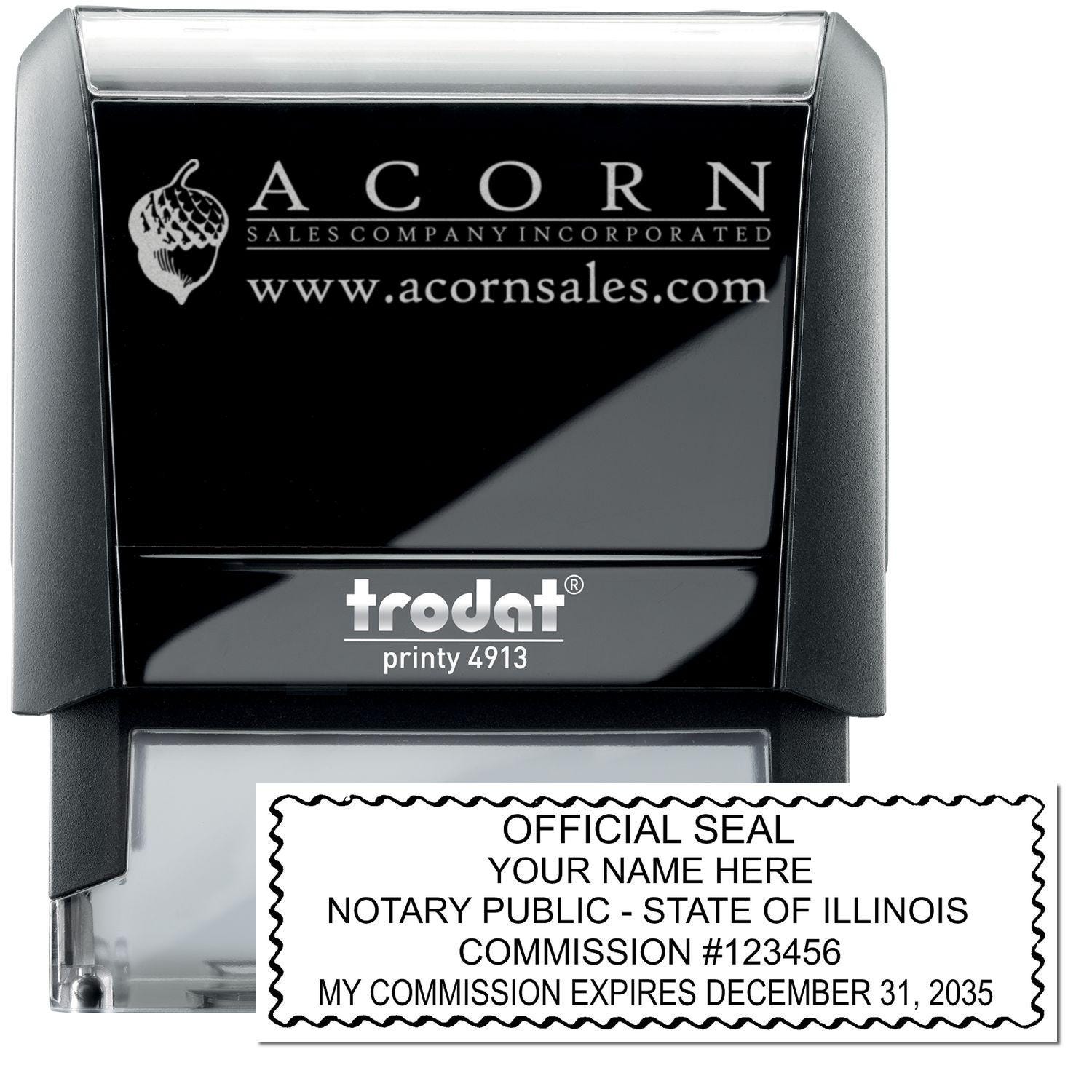
When you decide to become a notary public in the state of Illinois, you take on a role that involves essential responsibilities and legal obligations. Understanding core Illinois notary requirements from the very beginning helps you prepare properly for each notarization and avoid any confusion or conflicts down the road. Whether you are just starting out or looking to refresh your knowledge, it is important to familiarize yourself with the state’s rules and best practices to confidently serve your community. Along the way, having the right materials, like Illinois notary stamps and seals, allows you to perform your duties professionally.
At Acorn Stamps, we understand how critical it is to meet every requirement with precision. Our family-owned company has been providing notary supplies since 1964, which adds up to 60 years of dedicated service. Below, you will learn the key aspects of becoming and serving as an Illinois notary public. You will also discover helpful tips to maintain your commission, plus answers to some of the most commonly asked questions about notarial duties in the state.
Understand The Illinois Notary Role
Before you gather your supplies or start completing applications, you need to be clear on the main role and purpose of an Illinois notary public. As a notary in Illinois, you confirm the identity of individuals who need to sign important legal documents. You also administer oaths, affirmations, and acknowledgments. Your signature and seal affirm that the party signing a document has been properly identified and signed under the correct legal circumstances.
Key Functions Of A Notary
- Verify Identity: You examine a valid, government-issued ID to ensure the signer is who they claim to be.
- Witness Signatures: You watch individuals sign documents in your presence, ensuring the acts are voluntary.
- Administer Oaths: When required, you help apply formal oaths or affirmations before a statement is signed.
- Provide Official Certification: You apply your notary seal or stamp to show you notarized the document legally.
In essence, your job is to serve as an impartial witness and an honest broker of trust in legal dealings. When you perform each duty thoroughly, you protect the parties involved and help keep official business above board.
Fulfill The Eligibility Criteria
To serve in Illinois, you must meet certain straightforward qualifications. First and foremost, you must be at least 18 years old and, in most cases, a resident of Illinois or work in the state. Ensuring you meet these basic criteria is your first step in aligning with Illinois notary requirements.
Residency Or Employment
The state typically requires that you live in Illinois or, if you do not reside there, you still work in the state. This ensures you can conveniently perform notarial acts where local residents and businesses need you. You should also have no felony convictions on your record unless you have been legally restored to your rights. The Illinois Secretary of State’s office provides details about any exceptions or further eligibility questions.
Complete The Application Process
Once you know you are eligible, the official steps toward becoming an Illinois notary public are fairly straightforward. Most counties in Illinois follow similar rules, but make sure you confirm specifics with your local county clerk or the Illinois Secretary of State.
- Obtain An Application: You often download the notary application from the Secretary of State website or pick one up from your county clerk’s office.
- Obtain A Surety Bond: Illinois requires you to post a $5,000 surety bond to protect individuals from potential financial harm caused by your mistakes or misconduct.
- Fill Out All Sections: Be thorough with your personal details, including your legal name, address, and any relevant employment information.
- Submit To The County Clerk: You can mail or drop off your application and payment to the county clerk’s office. Once approved, your commission begins on the date indicated by the state.
Once the Secretary of State has processed your application, you will receive your commission certificate. This document is your official authorization to begin carrying out notarial actions under Illinois law.
Gather Your Notarial Tools
Having the correct notary supplies in hand is essential. Chief among these tools are your Illinois notary stamp and seal. These are the items that mark documents with all the details required to validate a notarial act within the state.
Illinois Notary Stamp And Seal Requirements
- Clear Identification: Your stamp or seal should include your name exactly as it appears on your commission, as well as the words “Notary Public” and “State of Illinois.”
- Legible Impression: Make sure every imprint is crisp and clear, so the document’s authenticity is never in doubt.
- Consistent Use: Use the same stamp and name format on all official documents. If your legal name changes, you must update your commission accordingly.
Acorn Stamps has been specializing in Illinois notary stamps and seals for decades, so you can rely on our experience. As a family-owned business with 60 years of service, we pride ourselves on delivering quick turnaround times. That way, you can start notarizing as soon as your commission is approved.
Observe Best Practices For Notarial Acts
Properly conducting each notarial act can seem straightforward, but mistakes do happen if you rush or miss a step. Adhering to best practices ensures that your notarial acts hold up legally and ethically.
Verify Identity Thoroughly
Always examine a current, government-issued photo ID. This might be a driver’s license, passport, or other valid identification. The name on the ID should match the name on the document to be notarized. If you have any reasonable cause for suspicion, take the time to ask for alternative forms of ID or additional proof.
Confirm Willingness And Awareness
You must be sure the individual signing the document is doing so voluntarily and with an awareness of what the document entails. If there’s any sign of coercion or confusion, you have the authority and responsibility to refuse the notarization. By asking simple questions, you can quickly gauge a signer’s understanding.
Keep A Notarial Journal (Recommended)
Although Illinois does not universally require notaries to keep a journal, maintaining a log of each notarization is a best practice. It helps protect you in the event of a dispute and serves as an excellent reference if a notarized document is questioned in court. In your journal, list the signer’s name, type of ID offered, date of notarization, and document details. This adds a powerful layer of security for both you and the public.
Renew And Maintain Your Commission
Your notary commission in Illinois is valid for four years. Once that term nears its end, you must go through a renewal process so you can continue to serve. Renewal entails resubmitting a new application, updating your bond, and purchasing a fresh notary stamp or seal with the extended commission dates if necessary.
Keep Up With Personal Information
If you change your name, address, or other details during your commission term, notify the Secretary of State or local county clerk promptly. Accurate records allow the state to reach you with any updates or changes to the law. This also ensures your stamp or seal always represents your current legal name and contact information.
Stay Current On Legal Updates
Illinois may change or add new requirements for notaries over time, so it is prudent to check the Secretary of State website or subscribe to newsletters that offer updates. Being proactive about ongoing legal changes protects you from potential violations and helps you serve the public with confidence.
Spot And Avoid Common Mistakes
Even if you follow guidelines carefully, a few missteps can cause issues with your notarial acts. The key is to know what these common pitfalls are and how best to avoid them from the outset.
Notarizing Without Proper ID
One of the biggest errors you can make is failing to check or confirm the signer’s ID. Doing so overlooks your fundamental responsibility, which is establishing the signer’s identity beyond doubt. Avoid any shortcuts, and always keep thorough records of the identification used.
Not Maintaining A Spare Seal
If you lose your official seal or if it becomes damaged or unreadable, you might have to pause your notarial duties until you replace it. It is a good idea to keep a backup stamp or seal, ensuring you can fulfill your responsibilities without delay.
Forgetting The Commission Expiration Date
Sometimes notaries stamp a document even though their commission has expired. This quickly invalidates the notarization. Always know your commission’s start and expiration date. Use a calendar reminder or organized filing system to stay on top of renewal deadlines.
Conclusion And Next Steps
Complying with Illinois notary requirements goes beyond checking off a few boxes, and it ultimately comes down to taking on a serious legal responsibility. By ensuring you are eligible, successfully applying for your commission, and adhering to all protocols, you safeguard the transactions you oversee. Paying close attention to how you verify identities, prepare your documents, and store your stamp is equally crucial. These best practices shield you from liability and instill confidence in the individuals who rely on your notarial services.
When it comes to gathering your supplies, you want a provider who understands the nuances of Illinois law and delivers products that match every requirement. At Acorn Stamps, we have spent the last 60 years helping Illinois notaries serve with efficiency and professionalism. Whether you need a fresh stamp for a renewal or you are about to complete your first application, our team is here to guide you. With our quick turnaround times and personalized service, you can begin notarizing without stress.
Below, you will find answers to common questions that new notaries often have. Review them to round out your knowledge and ensure a smooth experience every time you notarize a document.
Frequently Asked Questions (FAQs)
How Do I Apply For An Illinois Notary Commission?
You can start by downloading a notary application from the Illinois Secretary of State website or reaching out to your local county clerk’s office. Complete the form, secure a $5,000 surety bond, and submit your application and fees as instructed. Once approved, you will receive your notary commission certificate.
Whom Do I Contact If My Address Or Name Changes?
If your legal name or address changes, notify the Secretary of State and your local county clerk as soon as possible. This helps maintain accurate records and allows you to update your notary stamp or seal so it matches your current information. Make sure all official documentation remains consistent throughout your commission term.
Do I Need To Keep A Notary Journal?
Illinois law does not require you to maintain a notary journal in every situation. However, many notaries choose to do so because it provides a detailed record of each act, which can be invaluable if your work is ever called into question. Consider logging information such as the signer’s name, type of ID presented, and the type of document notarized.
Can I Notarize Documents For Family Members?
Legally, Illinois does not forbid you from notarizing for family. However, it is generally discouraged if you have a direct financial or beneficial interest in the transaction. Exercising caution is wise, because any appearance of partiality can undermine the validity of the notarization if contested later.
Where Can I Buy An Illinois Notary Stamp?
Acorn Stamps is a trusted resource for Illinois notary stamps and seals. We have been family owned and operated since 1964, providing notaries across the state with top-quality products, stellar customer service, and a quick turnaround. With our extensive experience, you will find it easy to select the perfect seal or stamp to fit your needs and comply with Illinois regulations.
By following the guidelines outlined above and keeping these FAQs in mind, you can expertly serve as an Illinois notary public. Doing so not only ensures legal compliance, but it also helps you stand out as a dedicated professional providing an essential service to individuals and businesses across the state. Remember that reliable, high-quality supplies are always available from Acorn Stamps whenever you need them. Here’s to confident notarizing and many successful, worry-free transactions ahead!