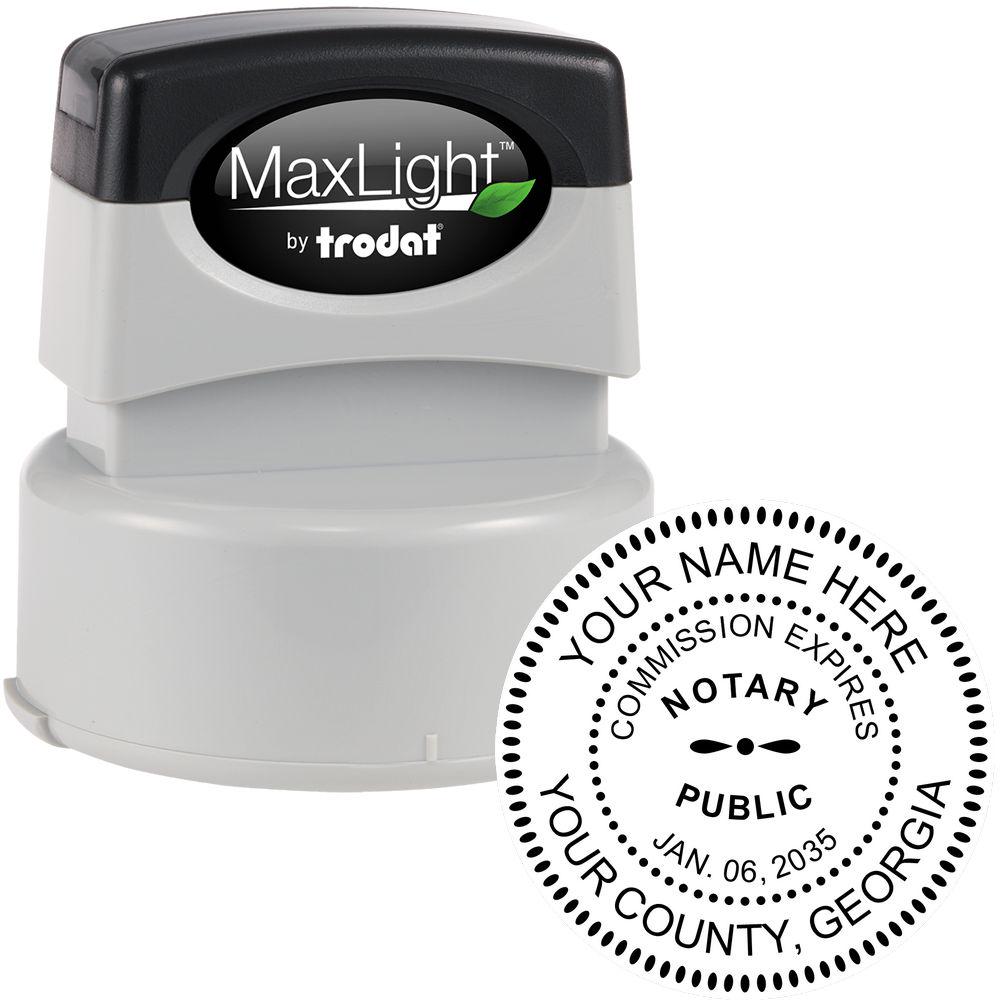
Selecting the right Georgia notary stamp is an important part of your role as a notary public. You want a stamp that meets Georgia’s requirements, holds up well over time, and is easy to apply to various documents. Fortunately, modern manufacturing has made notary stamps more consistent and durable than ever, allowing you to focus on the integrity of your notarial acts instead of worrying about whether your seal will fade or smudge. In this guide, you will learn what to look for in a Georgia notary stamp, explore popular types, and gain practical tips on maintaining your stamping equipment to save time and money in the long run.
Below, we will walk through each step in selecting a stamp you can depend on for years to come. By understanding how different factors—such as stamp type, durability, ink quality, and legal guidelines—affect your day-to-day notary tasks, you can streamline your search and make an informed purchase that truly reflects your needs. Whether you are newly commissioned or simply looking to upgrade, this comprehensive look at Georgia notary stamps will help you decide on the best choice for your unique situation.
Understand the Importance of a Notary Stamp
Your Georgia notary stamp serves as an official mark that validates the document you witness. It provides visible proof that you have verified the identity of the signer and confirmed they are signing voluntarily and with an understanding of what they are signing. This stamp must include certain information required by state law, so it is critical to pay attention to both the design and compliance standards.
How Your Stamp Protects Signers
When you affix your Georgia notary stamp, you provide a layer of protection for the signer. The stamp indicates that the document is legally notarized and can be trusted by other parties who review it. This is especially important in legal and financial transactions, where a notary’s seal helps prevent fraud and ensures accountability.
- The stamp confirms you are authorized by the state to certify signatures.
- It signals that the signer provided valid identification and met the legal requirements of notarization.
- It helps deter tampering by showing precise, official details on each page.
Why Georgia Has Specific Requirements
Different states have different rules regarding notary public duties, including the layout of the notary stamp. In Georgia, your stamp design must meet statewide regulations. These regulations outline which details appear on the stamp, how clear the impression should be, and what information must remain legible over the life of the stamp. By adhering to these guidelines, you uphold the integrity of every document you notarize.
Explore Your Stamp Options
One of the biggest choices you will face is what type of notary stamp to buy. Several styles are on the market, each with unique characteristics. Knowing the pros and cons of each can help you decide which best aligns with your day-to-day work style.
Pre-Inked Stamps
Pre-inked stamps are known for producing crisp, dark imprints and can last a long time before needing an ink refill. These stamps use an internal reservoir of oil-based ink that transfers cleanly onto the paper. You often get thousands of sharp impressions before any maintenance is required. Pre-inked stamps tend to be more expensive initially, but you regain that cost over time with certainty of high-quality, consistent stamping.
Self-Inking Stamps
Self-inking stamps are a popular and budget-friendly option. They have a built-in ink pad that re-inks the die after each impression, making them faster to use in high-volume settings. While they might not produce quite as crisp an impression as pre-inked stamps, their convenience and relatively low initial cost make them a go-to choice for many notaries. If you plan to notarize only a moderate amount of paperwork each day, a self-inking stamp could be a perfect fit.
Wood Handle Stamps
A classic wooden-handled stamp offers a traditional feel. To make your impression, you will press the die onto a separate ink pad, then onto the document. Many seasoned notaries enjoy the tactile control of a wood handle, but it does require purchasing a separate ink pad and sometimes leads to more variance in imprint consistency. If you prefer a timeless, hands-on approach and do not mind taking a few extra seconds, a wood handle stamp can be a delightful option.
Embossers and Seals
An embosser creates a raised impression on the page. Although Georgia typically allows inked stamps, some notaries choose an embosser for special documents or as a backup. Bear in mind that, in many cases, an embossed seal is not enough on its own in Georgia—you will still need an ink-based impression. However, an embosser can add an extra level of professionalism, especially for ceremonial or decorative documents.
Compare Key Stamp Features
Once you have decided on a stamp type, you still have a few more factors to consider. Details such as stamp size, shape, ink color, and handle design can all play a role in how comfortable and efficient your notary work can be.
Shape and Size
Stamps typically come in either rectangular or round shapes. Rectangular notary stamps can accommodate slightly more text, while round stamps offer a classic look. Either shape is acceptable as long as your stamp meets Georgia’s clarity and legibility requirements. You should also consider the overall size of the impression—too big, and it may not fit neatly on documents. Too small, and it might cramp required information. Look for a balanced option that feels neither cramped nor oversized.
Ink Quality and Color
Although black ink is most common, some stamps allow you to choose different ink colors such as blue or red. Whichever color you prefer, confirm that it is acceptable under Georgia notary rules. Ensuring the stamp ink is high-quality will help preserve the clarity of your notarial acts. Using a smudge-resistant, fast-drying ink also reduces the chance of accidental smears.
Comfort and Grip
If you sign and stamp multiple documents each day, hand comfort is no small matter. A well-designed handle or stamp body can minimize strain. Rubberized grips, lightweight builds, and user-friendly shapes can make a noticeable difference when you are dealing with high volumes.
Check Georgia Legal Guidelines
Before finalizing your Georgia notary stamp purchase, make sure you are complying with the state’s official guidelines. While Georgia law mandates that specific details appear on your stamp, it also leaves some room for your personal preferences.
- Your stamp must include your name as it appears on your commission.
- You typically need to include the words “Notary Public” and “Georgia.”
- Make sure the expiration date of your commission is on the stamp if Georgia law calls for it.
- The imprint must be legible enough for easy reading and photocopying.
If you have any confusion regarding state requirements, you can reach out to colleagues, experienced notaries, or the Georgia Superior Court Clerks’ Cooperative Authority. Checking official Georgia resources ensures that you do not invest in a stamp that might need immediate replacement. Redoing your stamp can be costly and time-consuming—so understand those requirements right from the start.
Factor in Longevity and Maintenance
A Georgia notary stamp is an investment. Quality matters, and so does caring for your tools. Think about how, where, and how often you plan to use your stamp to gauge what kind of durability you need.
Materials That Last
Consider stamps made from sturdy plastic or metal components. While cheaper models can cut costs initially, they may show wear and tear sooner—especially if you are stamping multiple times per day. Metal frames generally offer longer life and a robust feel in your hand. If you go with a wood handle, choosing a high-quality wood can help maintain a consistent imprint and prevent splitting.
Proper Maintenance Tips
Regardless of stamp type, you will want to extend its life by following a simple maintenance routine:
- Store your stamp in a cool, dry place.
- Wipe off any excess ink or debris regularly.
- Refill the ink or replace ink pads according to the manufacturer’s instructions.
- Check impressions periodically to ensure clarity.
Taking just a few moments each week to clean and inspect your stamp can alert you to any potential issues early on. For instance, a worn die will produce less precise markings, which can compromise the credibility of notarized documents.
Shop Confidently with Acorn Stamps
When you are ready to purchase your Georgia notary stamp, you deserve a supplier who recognizes how essential your stamp is to your notarial duties. Acorn Stamps has been a top provider of Georgia notary stamps and seals for 60 years, which means they have extensive experience in crafting products you can rely on for crisp, consistent imprints.
Why Choose Acorn Stamps
Acorn Stamps is family owned and operated since 1964, offering generations of expertise in stamping and sealing. You will find a variety of pre-inked, self-inking, and traditional wood handle stamps that comply with Georgia notary requirements. Because the company is grounded in personal pride of ownership, they focus on product quality and customer satisfaction.
- Excellent Reputation: Thanks to their sterling track record, you know you will get a dependable stamp made from premium materials.
- Industry Knowledge: Their decades of experience have shown them exactly what Georgia notaries need from their stamps.
- Wide Selection: Whether you like pre-inked stamps for their crispness, self-inking for speed, or a wooden handle for a classic feel, you will find your match.
Fast Turnaround and Stellar Service
As a notary, you do not have time to wait for weeks if your order is delayed. Acorn Stamps prides itself on a super fast turnaround, so your new stamp often arrives before you know it. Their customer service team is also ready to address any custom requests or specific concerns you may have about compliance. If you need guidance on which stamp type might be best, they are always happy to help.
FAQs About Georgia Notary Stamps
Below, you will find five of the most commonly asked questions about purchasing and using a Georgia notary stamp. Use these answers as a quick reference to stay on track.
Do I Need a Specific Type of Georgia Notary Stamp?
Georgia law allows notaries to use several types of stamps, as long as the impression includes your name, the state, the words “Notary Public,” and any other information Georgia requires. You can use pre-inked, self-inking, or manual stamp styles. Just confirm that your stamp design meets all clarity and legibility standards.
How Often Should I Replace My Stamp?
This depends on frequency of use. If you notarize documents regularly, you may notice wear and tear sooner. Check your stamp’s impression every few weeks to ensure the text remains sharp. If the letters start to fade or blur, it is time for a re-inking, replacing the ink pad, or potentially ordering a brand-new stamp.
Can I Use a Seal Instead of a Stamp?
In most cases, Georgia requires an inked stamp for official notarial acts. You can certainly use an embosser for decorative or ceremonial purposes, but do not rely on a raised seal alone unless you have verified it meets state requirements. Many Georgia notaries keep both an embosser and an inked stamp handy, though the inked impression is key to legal validity.
Can I Customize My Stamp?
You can personalize certain aspects of your stamp, such as adding your name exactly as it appears on commission documents. Some notaries prefer additional details for easy recognition, but make sure not to clutter the stamp with unnecessary information. The primary concern is that the wording and layout remain compliant with Georgia rules, so keep your customizations minimal and ensure readability.
Where Can I Get Replacement Ink?
Most stamp manufacturers, including Acorn Stamps, sell refills designed for your specific stamp model. Using ink from the company that made your stamp is ideal, because it is formulated to deliver the best quality impression and to flow correctly through the stamp pad or reservoir. If you are unsure of the correct refill to buy, reach out to customer service for guidance.
Wrap Up Your Decision
Finding the right Georgia notary stamp ensures you can perform your duties effectively, confidently, and in compliance with state regulations. By clarifying your needs beforehand—whether that is a reliable self-inking stamp for speedy processing or a long-lasting pre-inked stamp for crisp detail—you can invest in a tool that you will depend on each day. Check to confirm that your chosen stamp meets the legal requirements, aligns with your comfort preferences, and supports the volume of documents you handle.
As you weigh your options, remember that a well-crafted stamp is more than just a rubber imprint. It is a direct reflection of your professionalism and the care you bring to each notarized transaction. When you trust a reputable provider like Acorn Stamps, you gain peace of mind knowing that your notary supplies are built to last. Embrace the confidence that comes from using gearing designed to help you focus on what truly matters: serving the public and safeguarding important legal transactions in the state of Georgia.