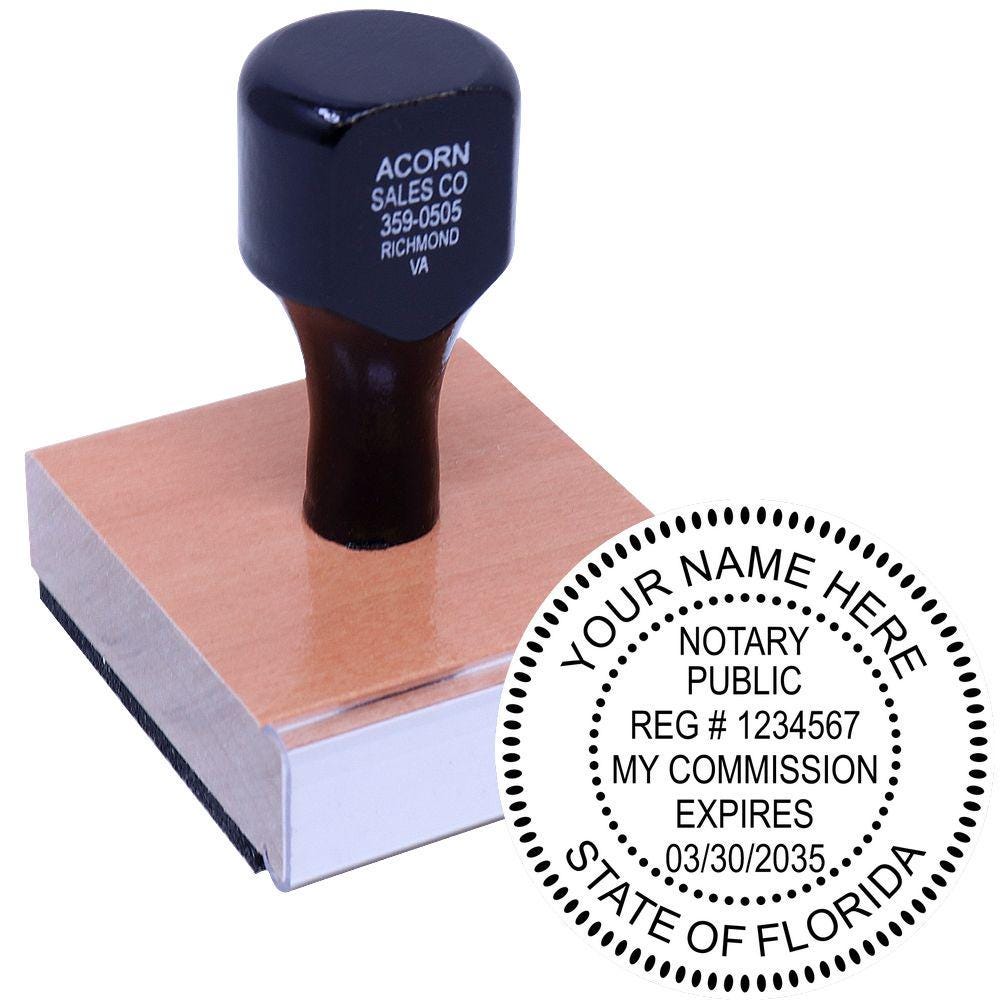
If you are a Florida Notary Public, getting your own Florida notary stamp is an essential step in performing your duties properly. Having the right stamp not only affirms your official capacity but also helps you streamline the process of certifying documents for your clients, friends, and community members. The following guide walks you through everything from state requirements to daily care tips, so you can approach the job with confidence and peace of mind.
Understand Florida Notary Requirements
Before you shop for a Florida notary stamp, it is vital to understand the broader responsibilities of serving as a notary in the state. When you take on the role, you must comply with Florida laws that regulate how you verify and witness signatures, confirm identities, and maintain records. You are expected to:
- Verify the identity of individuals whose signatures you notarize.
- Keep clear, accurate records of all notarial acts.
- Use a proper seal or stamp on specific documents.
- Stay current on Florida statutes that impact your notarial duties.
Staying compliant enhances trust in the documents you notarize. If you ever skip any required procedures, you risk invalidating important documents or facing potential legal complications. Having a firm grasp of these expectations helps you decide what kind of notary stamp you should invest in and how often you will use it.
Importance Of An Official Seal
A notary stamp serves to authenticate the documents you sign off on. In Florida, the seal is typically a rubber stamp that imprints critical details:
- Your name as it appears on your commission.
- The words “Notary Public, State of Florida”.
- Your commission number.
- Your commission expiration date.
These details confirm that you have the authority to notarize documents. The stamp also allows recipients, whether they are government agencies or private businesses, to verify the authenticity of notarized paperwork quickly. In essence, your stamp is a fundamental part of performing notarial responsibilities.
Choose The Right Notary Stamp
With many options available, choosing the right Florida notary stamp can feel overwhelming at first. However, focusing on size, readability, durability, and ink consistency ensures you purchase a stamp that lasts a long time and prints sharp, clear impressions every time.
Consider Size And Readability
Legible imprinting is crucial so that anyone reviewing your notarized document can quickly see key details. Most Florida notary stamps are designed to fit the official text within a standard rectangular shape, but you still have some flexibility:
- A compact stamp (around 1x2 inches) works well if you frequently travel
- A larger stamp provides extra clarity for high-volume use
No matter the size, make sure each element (your name, commission number, etc.) is easy to read and does not smudge. Consistency and clarity build trust in your notarial work, which is why it is good practice to test sample impressions.
Look For Durability And Comfort
Because you will likely handle your stamp daily, invest in a design that feels sturdy and comfortable. Stamps with ergonomic handles or compact self-inking mechanisms are less likely to cause strain and misalignment over time. A well-constructed stamp is more stable in your hand, reducing the risk of uneven stamping on important documents.
- Self-inking stamps simplify repeated use with a built-in ink pad.
- Pre-inked models often provide a crisp print but may require periodic re-inking.
- Traditional hand stamps need separate ink pads and allow for custom ink colors.
Each style has its advantages, so weigh your typical notary workflow when deciding. If you know you will be stamping dozens of documents daily, a faster self-inking stamp might be more convenient. On the other hand, if you prefer to precisely control ink density, a traditional hand stamp could be appealing.
Meet Florida Stamp Guidelines
Florida has established clear guidelines about what constitutes an acceptable notary seal. As you shop, keep an eye on the state’s required elements along with permissible variations.
- Must include your official name and the words “Notary Public, State of Florida.”
- Must feature your commission expiration date and commission number.
- Can be circular, rectangular, or square, but most officials favor a rectangular format.
- Should be legible enough to reproduce in photocopies or scanned files.
Following these guidelines ensures your seal is legally valid. If you use a stamp missing any of these critical details, you could face rejection from agencies or cause confusion for document recipients. Additionally, you want to confirm that the information on your stamp mirrors exactly what is on your notary commission certificate.
Double Check Wording And Spelling
Spelling errors or typos in your name or commission information can invalidate your seal. Before ordering, carefully compare your final design with your commission certificate:
- Confirm each word is accurate, including “Notary Public, State of Florida”
- Verify your commission number digit by digit
- Check the expiration date format (month, day, and year)
You want your stamp to reflect the official records precisely. If your name is missing a middle initial or has a spelling variation, you may encounter issues. By triple-checking everything upfront, you avoid the hassle and expense of reordering a corrected stamp later.
Maintain Your Stamp Properly
Once you have your Florida notary stamp, proper maintenance helps preserve the life of the device and the clarity of every impression. You will want to develop a few easy habits, especially if you rely on your stamp multiple times per day.
Store Properly
Too much exposure to heat or direct sunlight can dry out the ink, causing patchy or faint impressions. Place your stamp in a protective case or desk drawer when not in use. If your stamp is self-inking, store it upright to minimize ink leakage or uneven flow.
- Keep your stamp away from radiators, vents, and sunny windows.
- Avoid tossing your stamp loosely into a bag or briefcase.
- If traveling, use a protective cover to shield it from scratches.
Re-ink When Necessary
Even the best self-inking and pre-inked notary stamps need fresh ink occasionally. You will know it is time to re-ink if your impressions start fading or develop blank spots. Re-inking your stamp extends its life, saving you money in the long run. Most stamp manufacturers provide instructions for adding new ink. Be sure to use ink specifically made for your model, as mixing incompatible inks can cause clumping or bloating of the pad.
Test Impressions Periodically
Use scrap paper to test how your stamp prints before you notarize an official document. This preview helps you confirm that the text is crisp and readable. If you notice any random blotches or misaligned text, clean the stamp surface gently or re-ink as needed. Identifying issues early prevents substandard impressions on vital paperwork.
Trust Acorn Stamps For Quality
When you are ready to invest in a top-notch Florida notary stamp, you want a supplier that offers reliability, build quality, and exceptional customer care. That is where Acorn Stamps comes in. Family owned and operated since 1964, Acorn Stamps has spent 60 years perfecting notary stamp manufacturing. You benefit from their extensive experience and dedication to personalized service.
Stellar Customer Service
From answering your questions about Florida notary stamp requirements to helping you pick the perfect design, Acorn Stamps prides itself on personalized guidance. If you are not sure how to incorporate your commission details, you can speak directly with a knowledgeable representative. Having someone to guide you so you do not overlook any tiny detail can bring real peace of mind.
Fast Turnaround Time
When you need your Florida notary stamp quickly, receiving it days late can put your notarial duties on hold. Acorn Stamps understands that speed and precision are crucial. They offer efficient order processing and shipping, so you can start using your new seal in no time. This quick service might be a lifesaver if you have upcoming appointments or looming deadlines that require immediate notarization.
Commitment To Quality
Quality is non-negotiable when it comes to a Florida notary stamp. You want each imprint to be exactly the same, whether you stamp your 1st or 100th document of the day. Acorn Stamps uses durable materials and time-tested manufacturing processes. The result is a stamp that resists wear-and-tear and maintains crisp, consistent impressions throughout its lifespan.In addition, the family legacy behind Acorn Stamps underscores their dedication to excellence. After all, sticking around for 60 years takes a true commitment to both craftsmanship and customers.
Review Common FAQs
Below are five frequently asked questions about getting your Florida notary stamp. By reviewing these points, you can feel more confident about your purchase decision and ongoing responsibilities.
Is A Florida Notary Stamp Required By Law?
Yes. The state of Florida requires that your notary seal or stamp appear on specific notarized documents. It verifies your commission, ensuring the person viewing the document knows it was certified by an authorized notary.
Can I Use A Personalized Logo On My Stamp?
Generally, Florida law is strict on what must appear on your stamp (your name, commission number, etc.). While you may see creative notary stamp styles in other states, Florida typically requires a standard format. Double check that any customization still includes all required official text in a readable manner.
How Often Do I Need To Replace My Stamp?
It depends on how frequently you use it and whether your information changes. For example, if you get a new commission or if your name changes, you will need a revised stamp. Otherwise, you can often simply re-ink a quality stamp for years before considering a replacement.
Will My Stamp Be Accepted Outside Florida?
A Florida notary stamp verifies your authority within Florida’s jurisdiction. If a document is used out of state, other entities typically accept a Florida notarization as long as it meets Florida’s legal requirements. However, if you move or plan to notarize in another state, you should follow the guidelines for that area.
Where Should I Store My Stamp If I Take It Off-Site For Work?
Consider a secure and protective carrying case, especially if you notarize documents at client offices or legal firms. You do not want the impression surface to rub against other items in your briefcase or bag, which could reduce your stamp’s lifespan or cause accidental stamping.
Bringing It All Together
Acquiring a Florida notary stamp is not merely about following state regulations. It is also about supporting your day-to-day efficiency as a notary, instilling trust in your clients, and ensuring the documents you stamp remain valid for years to come. When you take time to choose a stamp that meets Florida’s requirements, offers durability, and consistently produces pristine impressions, you set yourself up for success.
Familiarize yourself with Florida’s specific mandated details, from the text that must appear to the recommended shape of the impression. Verify those details carefully, and do not forget to check spelling, commission numbers, and expiration dates. Pay attention to maintenance, so your stamp’s impression never disappoints. By testing your stamp regularly, re-inking when necessary, and keeping it safe from harsh conditions, you help prevent stamping mishaps before they occur. In addition, picking a reputable supplier such as Acorn Stamps eases many of your worries. You gain the reassurance only six decades of experience can bring. Their fast turnaround means you will have your new notary stamp in hand quickly. Their personalized service suits both brand-new Florida notaries who need guidance and seasoned professionals looking for a convenient reorder.
Ultimately, the more you know about selecting, caring for, and using a Florida notary stamp, the smoother your notarial tasks become. You will spend less time worrying about potential errors in your seal and more time focusing on the crucial work of verifying and protecting important legal documents. By following this friendly buying guide, you can feel well-prepared to make a choice that supports your notarial career today and for years to come.