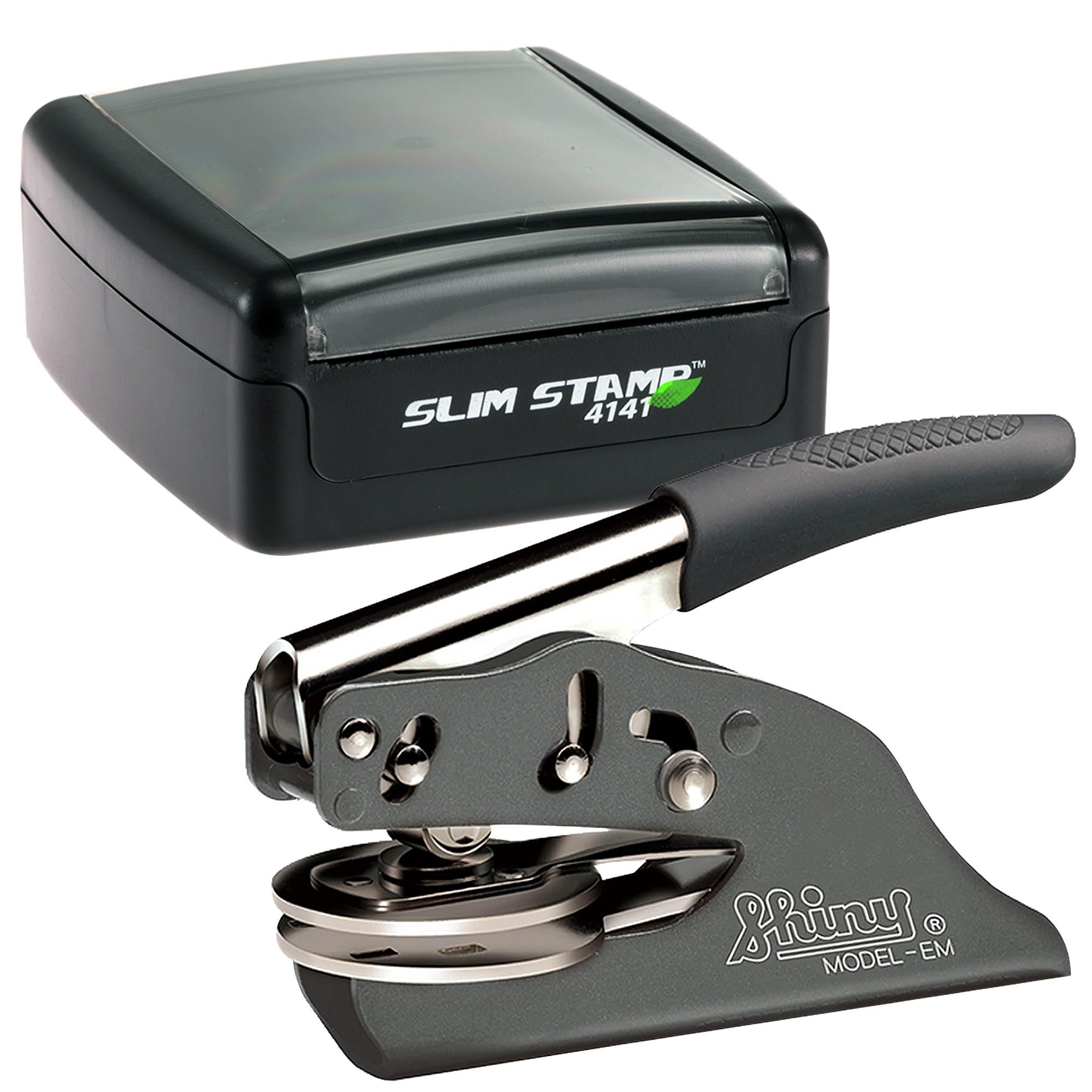
You may already know that being a notary public in Arizona involves more than just stamping a document and signing your name. Your responsibilities include verifying identities, ensuring the integrity of important documents, and adhering to Arizona’s notarial laws. To accomplish these tasks confidently, you’ll need an organized and reliable Arizona notary kit. Below, you’ll discover which items are absolutely essential, along with tips on how to maintain them so you can keep meeting your professional obligations with ease.
Understand The Importance Of An Arizona Notary Kit
Your notary kit represents your professional toolbox. It contains all the tools and resources you need to carry out your duties accurately and efficiently. When you’re prepared with the right supplies, you avoid delays, stay compliant with state regulations, and provide a smooth experience for the clients you serve. Equipping yourself with a comprehensive Arizona notary kit is especially vital because:
- You handle sensitive documents that can have legal and financial implications for signers.
- In Arizona, notarial acts must follow specific guidelines, including stamping documents accurately and keeping thorough records in a notary journal.
- Unexpected situations can arise during notarizations. Having a complete kit means you won’t have to pause or reschedule because you lack a critical item.
A well-stocked notary kit is more than just practical. It speaks to your professionalism, offering peace of mind for you as well as for the individuals relying on your services. As you study the following must-have items, think about how each piece supports your day-to-day notarial tasks.
Essential Items You Need
Below are the core items you’ll want to include in your Arizona notary kit. Keep these supplies on hand whether you’re operating from a home office or traveling to meet clients.
1. Your Commission Certificate
Your Arizona commission certificate is the official documentation that confirms you are legally authorized to execute notarial duties within the state. It’s issued by the Arizona Secretary of State once you’ve fulfilled the requirements for becoming a notary. You don’t necessarily have to carry the physical certificate everywhere, but you do want a copy:
- For quick reference if a client questions your authority.
- As proof of your notarial commission should it be requested.
- To ensure you have the commission expiration date on hand for renewing on time.
Even though you may not need to show it publicly as often, safely storing a copy (and potentially laminating it) will protect it from wear and tear.
2. Arizona Notary Stamp Or Seal
Your notary stamp or seal is at the heart of every notarization. You use it to validate documents and demonstrate you have verified the identity of the signer. Arizona law dictates what your notary seal must include, typically:
- Your name exactly as indicated on your commission.
- The words “Notary Public” and “State of Arizona.”
- Your commission expiration date or commission number, depending on state specifications.
A reliable stamp not only meets these requirements but also provides a crisp, clear impression every time. You’ll want to invest in a high-quality stamp that won’t fade or skip ink. That way, you avoid any confusion that might arise if your seal is faint or illegible.
3. Notary Journal
Keeping a notary journal is a legal requirement in Arizona. By logging every notarial act you perform, you protect yourself and the public from potential fraud or errors. A well-bound journal helps you stay organized, and it simplifies your recordkeeping when the Secretary of State asks for an audit. Important things to track in your logbook include:
- Date and time of the notarization.
- Type of notarization (for instance, acknowledgement or jurat).
- Signer’s name and method of ID verification.
- A brief description of the document.
- Your fees collected, if any.
Make sure your journal has enough room for detailed entries. Overstuffed or sloppy notes can create confusion if you’re ever required to present the journal as evidence. Choose a format you find easy to update daily, whether that’s a traditional bound book or a loose-leaf binder.
4. Ink Pad And Refill Supplies
Although self-inking stamps are popular for their convenience, ink pads and refill cartridges are still crucial. In some situations, you might need to use an embossing seal or a different stamp that requires a separate ink pad. Keeping a spare ink refill on hand ensures:
- You never run out of ink at a critical moment.
- Your stamp consistently leaves a clear, legible imprint.
- You maintain a professional look across all of your documents.
If you do use a self-inking stamp, check the ink level regularly. Watch for fading or uneven impressions, which are signs it may be time for a refill.
5. Clear Adhesive Notarial Certificates
You may come across a signing scenario where the notarial wording is incomplete or missing from a document. Rather than writing in the wording by hand or tampering with the typeset, you can keep ready-to-go notarial certificate stickers. These adhesive certificates contain pre-printed verbiage, which you can affix neatly onto the page. You can also choose certificate pads if you prefer not to use stickers. In either form, they help:
- Ensure each notarized document meets Arizona’s exact wording requirements.
- Maintain a uniform appearance and professional image.
- Save you time in adding required language.
Be mindful to use the correct type of notarial certificate for the type of act you are performing, such as acknowledgements or jurats. When in doubt, consult the Arizona Revised Statutes or official guidance from the Secretary of State.
6. Thumbprint Pad (Optional But Recommended)
In certain transactions, especially those involving significant financial or legal stakes, you might want to use a thumbprint pad for additional security. This simple tool adds an extra layer of identity verification. While not required by Arizona law, some notaries choose to:
- Provide evidence if a transaction is ever called into question.
- Discourage potential fraud by making signers aware of the thumbprint requirement.
Should you opt to include a thumbprint pad, keep it stored alongside your journal. A discreet approach often reassures clients that their security is a priority while ensuring you don’t appear overly intrusive.
7. Secure Storage Case
Small but highly important, a protective case keeps your notary tools organized and safe from damage. You might already have a bag or briefcase, but a dedicated case with compartments will help you quickly locate your supplies when you need them. Consider these features:
- A locking mechanism for an extra layer of security.
- Pockets tailored to hold pens, extra stamp pads, and other small items in your kit.
- Durable, lightweight construction that’s easy to carry, especially if you travel.
By using a secure carrying case, you minimize the risk of misplacing items and ensure the privacy of your notary journal. Plus, a tidy kit reduces stress and saves you time, letting you focus on providing excellent service.
Maintenance And Organization Tips
Having the right items in your Arizona notary kit is one thing. Keeping them in good condition is another. Below are best practices for ensuring your supplies last and remain compliant with state regulations.
Regularly Inspect Your Stamp
Check your notary stamp at least once a week. Look for any indication of worn or missing text, and pay attention to whether the impression is still crisp. If the stamp becomes worn or damage occurs to the rubber surface:
- Replace it promptly to maintain professional-quality imprints.
- Confirm the replacement includes all the mandated details.
A faint or smudged stamp can cause issues if your document’s authenticity is questioned, so consider it a top priority to keep yours working at tip-top condition.
Protect Your Journal
Your journal serves as a legal record of your notarial acts, so treat it like a prized possession. Never leave it unattended, and keep it under lock and key when not in use. Also:
- Store it in a cool, dry place to prevent ink from bleeding or pages from warping.
- Back up important entries by taking periodic photos or scans of your journal.
Storing your completed journals is equally important. Even after you’ve moved on to a new logbook, you might be called upon to present older records to support the validity of a particular document.
Track Your Commission Expiration
Make it a habit to note your commission expiration date well in advance. You don’t want to scramble for renewal paperwork at the last minute. Keep a reminder in your calendar 60 to 90 days ahead of your expiration date. Also, verify if the Secretary of State has updated any rules regarding notary renewals. That way, you can prepare all the required documents and fees on time.
Keep Extras On Hand
Whether it’s spare adhesive certificates or pens, you’ll appreciate having backups whenever your supplies run low. You never know if you’ll find yourself in a busy signings season, and restocking your kit in advance will save you from missed opportunities or canceled appointments.
Additional Tools To Consider
While the items listed above are the baseline for your Arizona notary kit, you might benefit from a few optional accessories that provide extra convenience or professionalism:
- Small Stapler: Useful when you need to attach certificates or secure documents before returning them to clients.
- Business Card Holder: Makes it easy for a client or potential customer to remember your service and reach you.
- Paper Clips And Sticky Notes: Helpful for marking signatures, highlighting important sections, or separating pages in busy signings.
- Mobile Device Charger: If you often rely on your phone or tablet for scheduling, confirmations, or GPS, a charger ensures you’re never stuck with a dead battery.
Few things are more frustrating than having to pause a signing to track down loose supplies. By carefully assembling and maintaining the full scope of your kit, you’ll stand out for your reliability.
Where To Find Quality Notary Supplies
You might be wondering where to purchase your Arizona notary stamp, seal, and other kit essentials. One trusted name worth mentioning is Acorn Stamps. Family owned and operated since 1964, they have spent 60 years perfecting the art of creating high-quality notary supplies. You’ll find:
- Arizona notary stamps and seals that follow state guidelines precisely.
- A knowledgeable customer service team ready to answer your questions quickly.
- Super fast turnaround times so you can keep your business moving.
When you invest in professionally made supplies, you instill greater confidence in the people who come to you for notarizations. Whether you’re renewing your notary commission or just starting out, it’s worth choosing a supplier with a proven reputation.
Frequently Asked Questions
Below are five common inquiries about building and maintaining an Arizona notary kit. If you’re new to the notary world or looking to refresh your approach, these questions can guide you toward best practices.
What Should I Do If My Stamp Becomes Damaged Or Lost?
If your Arizona notary stamp is ever lost, stolen, or broken beyond repair, it’s crucial to address the situation immediately. Report the loss to the Arizona Secretary of State if necessary, especially if you suspect it was stolen. Then, order a replacement stamp that meets all state requirements. It’s better to temporarily pause notarial activities than to use an invalid or incomplete seal.
Am I Required To Keep Multiple Journals For Different Types Of Notarial Acts?
You’re only required to maintain a single sequential journal in Arizona, although you may use additional journals if that helps you stay organized. The key requirement is to make sure each notarial act is logged in chronological order and that the entries are thorough. You can keep separate journals for different categories of notarizations (for instance, real estate versus general documents), as long as you comply with Arizona’s guidelines for each.
Can I Use A Digital Journal Instead Of A Physical One?
Arizona law generally requires a physical record of notarial acts, although electronic notarizations have grown in popularity. If you plan to offer remote online notarizations, check Arizona’s latest regulations about digital recordkeeping. Should it still be under review or in a pilot phase, it’s safer to maintain a physical journal. When in doubt, you can keep both a paper log and an electronic backup, as long as you never rely solely on an unapproved digital method.
Do I Need Specific Storage For My Arizona Notary Kit When I’m Not Working?
Whether you work from home or travel to client locations, your kit should always be stored in a secure place. This is particularly important for your notary journal and stamp. While some notaries opt for a lockable bag or briefcase, others use a permanent locked cabinet in their office. The goal is to limit unauthorized access, since any misuse of your stamp or tampering with your journal can lead to serious legal issues.
How Often Should I Replace Or Update My Notary Seal?
You must replace your seal whenever your commission is renewed, but you’ll also need a replacement if the text on your stamp wears out or becomes unreadable. Arizona law requires a clear, legible seal to legally validate documents. Even a small smudge or blur could cast doubt on the authenticity of the notarization, so aim for consistent, high-quality imprints. If your commission information changes at any point, you’ll need to update the seal accordingly.
Final Thoughts
A well-assembled Arizona notary kit goes beyond a simple collection of items. It’s the foundation of your professional practice, allowing you to solidify your credibility, stay compliant with state regulations, and help people complete some of life’s most important paperwork. You’ll quickly discover that paying attention to the little details, such as keeping extra ink refills or properly securing your journal, can prevent headaches and make each notarization smoother.
If you’re just starting to gather your kit, focus on the essentials first: a sturdy and clear notary stamp, a properly organized journal, and the mandatory commission certificate. As you grow in your role, you can add helpful extras like secure storage solutions, thumbprint pads, and streamlined notarial certificates. By doing this, you ensure you’re never caught off guard when a client hands you a document in need of notarization.
When you want a reliable resource for high-quality notary stamps, seals, and other supplies, consider Acorn Stamps. With a solid legacy stretching over six decades, they’re committed to providing the best professional tools for Arizona notaries like you. By investing in the right supplies, you’ll handle each notarization confidently, protect yourself from potential legal issues, and serve the community with care and expertise.