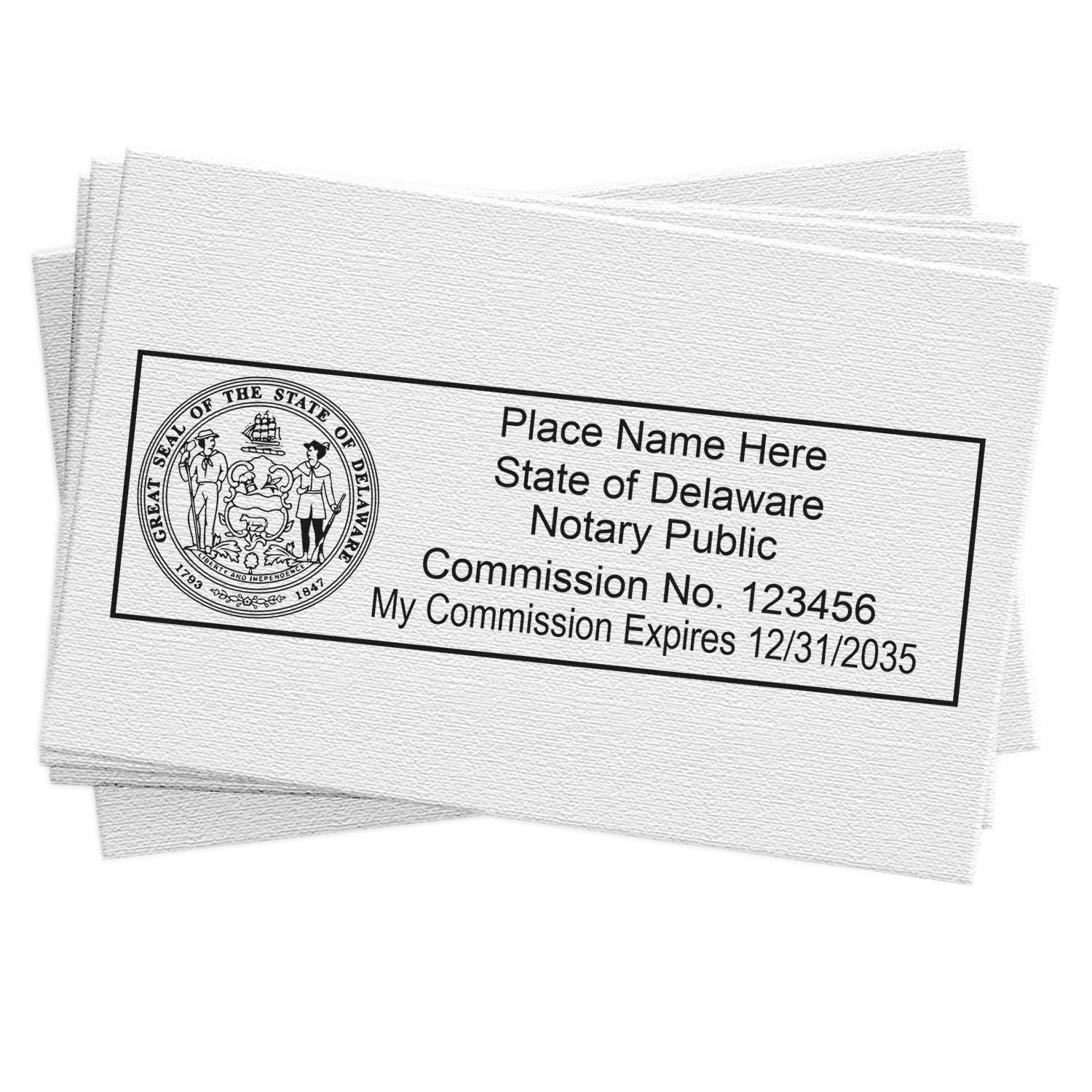
Understand the Role of a Delaware Notary Seal Embosser
A Delaware notary seal embosser is central to your work as a notary public. You use it to authenticate official documents, offer a clear mark of legitimacy, and uphold the trust that others place in your services. When you impress this raised seal on paper, you confirm the identity of the signer, indicate your notary commission details, and help guard against fraud.The embossing process leaves a unique raised impression that’s difficult to replicate. For many Delaware notaries, opting for an embosser instead of—or in addition to—a self-inking notary stamp is a sensible choice. Each method has its advantages, but it’s important to understand exactly how an embosser aligns with Delaware’s notary requirements and why it matters so much in your daily notarial duties.
Recognize the Difference Between Stamp and Embosser
When shopping for your notary supplies, you’ll typically choose between a notary stamp and a notary seal embosser. Although both tools accomplish the same general purpose, each has distinct benefits.
Visual Appearance
- Stamp: Produces inked information that’s immediately visible on the document.
- Embosser: Leaves a raised impression without ink. Some embossers can also come with an inked sticker or a “gold foil” to make the impression stand out.
Ease of Use
- Stamp: Quicker to apply, especially if you need to process multiple documents in a short period.
- Embosser: Requires slightly more pressure to grip and press into the paper, but results in a tactile mark that’s more resistant to forgery.
Legal Recognition
Both stamps and embossers are acceptable in Delaware, but certain institutions and clients still prefer the official look of an embossed seal. When you show an embossed impression, you’re offering a visually distinctive mark that’s tough to duplicate or tamper with.
Comply With Delaware Notary Requirements
In Delaware, you must include proper identification details on any document that you notarize. An embosser typically features:
- Your name as it appears on your notary commission.
- The words “Notary Public.”
- The name “Delaware.”
- Any additional text the state might require.
Before purchasing your Delaware notary seal embosser, confirm that it meets all state mandates. You’ll want to double-check:
- That your name is spelled exactly as it appears on your commission.
- That the embosser’s design includes all required wording.
- That your commission number (if required) and commission expiration date (if required) are correct.
Even if you’ve been using standard notary stamps for a while, upgrading to an embosser can enhance your professional image. Some legal offices and financial institutions in Delaware prefer embossed documents because they’re more difficult to falsify or reprint. By choosing an embosser that meets state guidelines, you protect yourself and your client from the repercussions of improper notarizations.
Choose the Right Embosser Design
The design of your Delaware notary seal embosser should reflect both state guidelines and your personal preference. Delaware typically requires certain text and layout to ensure your seal is valid. However, you can still select from a few styles to find something user-friendly and long-lasting.
Pocket vs. Desk Embossers
- Pocket Embossers:
- Compact and portable.
- Easy to carry with you if you’re a mobile notary.
- Usually require a bit more hand strength because they’re smaller and lighter.
- Desk Embossers:
- Heavier and built for stable use.
- Ideal for an office setting where you frequently emboss documents.
- Some designs have leverage arms that reduce the effort needed to make a clear impression.
Embossing Orientation
- Bottom of Page: Some notaries prefer the seal at the bottom near their signature.
- Side Margin: Others place it in the side or top margin for a cleaner look.
- Impression Depth: Look for an embosser that delivers a crisp result without tearing the paper.
Materials and Durability
Consider materials such as steel frames and ergonomic handles. A sturdier embosser will stand up to heavy usage and provide clear impressions every time. When you’re placing an order, confirm that you’re getting a design specifically approved for Delaware’s requirements. You don’t want to risk invalidating a notarization by using an incorrect or incomplete seal layout.
Use the Embosser Properly
Even if you’ve selected a top-notch device, your Delaware notary seal embosser will only perform well if you use it correctly. Proper technique ensures a clean, professional imprint and maintains the official appearance of your documents.
- Align the Document: Place your document in the slot of the embosser, making sure you’ve lined it up where you want the raised impression.
- Apply Steady Pressure: Grip the embosser handles firmly and apply uniform pressure.
- Inspect the Impression: After releasing, double-check that the seal is legible and raised enough to be felt on both sides of the paper.
- Use Embossing Foil (Optional): If you like a more decorative look, you can place an embossing foil sticker on the paper and then press your seal into it. This can make the details clearer and more noticeable.
Common Mistakes to Avoid
- Pressing at an angle, which can lead to a crooked or incomplete impression.
- Embossing multiple pages at once. Always emboss one sheet at a time for best results.
- Forgetting to include the seal in an official act. Even though you might be used to your notary stamp, certain documents in Delaware could specifically request or require an embossed seal.
Store and Maintain Your Embosser
Proper storage and maintenance will keep your Delaware notary seal embosser working smoothly for years. Maintaining the device also ensures your embossed impressions continue to look sharp and easy to read.
- Store in a Protective Case: Many embossers come with a carrying case or pouch. If yours doesn’t, consider getting one to prevent dust and debris from collecting in the metal frame.
- Keep It Clean: Wipe your embosser regularly with a soft cloth. This removes tiny particles that can accumulate in the plates and compromise the clarity of your seal.
- Check Periodically for Wear: Over time, the raised text on the embosser’s metal plates can wear down. If you notice shallow or fuzzy impressions, it might be time for a replacement.
- Avoid Extreme Temperatures: Prolonged exposure to excessive heat or cold can warp the metal or affect how the parts fit together.
Why Choose Acorn Stamps
When you’re ready to purchase a new Delaware notary seal embosser, selecting a reputable supplier ensures that you get a quality product. Acorn Stamps has been serving notaries for 60 years, making the company a trusted option if you need a custom seal pattern tailored to Delaware’s requirements.
- Family Owned and Operated: Since opening in 1964, Acorn Stamps has maintained a commitment to customer satisfaction.
- Stellar Customer Service: If you have detailed questions about Delaware’s notarial design rules, Acorn Stamps’ friendly experts can help.
- Super Fast Turnaround: Once you’ve confirmed your design, you can count on a swift shipping process to get your embosser promptly.
- Top Supplier of Delaware Notary Stamps and Seals: With products made precisely for the Delaware market, you eliminate guesswork when assembling your notary toolkit.
In addition to the embosser itself, you can pick up other essential notary supplies at Acorn Stamps. That might include an inked notary stamp to use alongside your embosser, additional ink refills, replacement plates down the line, or even a carrying pouch to keep your device safe.
Frequently Asked Questions
1. Do I Need Both a Notary Stamp and a Delaware Notary Seal Embosser?
Not necessarily, but many notaries in Delaware prefer having both. A stamp offers a quick, ink-based imprint, while an embosser provides a raised mark that’s harder to replicate. You can choose the tool that best fits the document type or client request. Some documents may explicitly request an embossed seal, so always verify your client’s or the receiving institution’s preferences.
2. How Often Should I Replace My Seal Embosser?
It depends on how frequently you use it and how well you maintain it. Durable embossers can last for years, but you should inspect your seal periodically for signs of wear—like shallow impressions or incomplete lettering. If you notice any deterioration, it’s time to replace or re-engrave the plates.
3. What Happens If My Embosser Doesn’t Match My Commission Name?
Your embossing seal must match exactly what appears on your notary commission. If your name changes or if you spot a spelling error, you should order a new embosser. Using a seal with incorrect or outdated information can invalidate your notarization and potentially cause legal complications.
4. Is Embossing Legal on Electronic Documents?
For electronic notarizations, a physical seal embosser doesn’t apply in the same way as for paper documents. Some notaries use electronic seals, but these are separate digital tools that add an electronic stamp or signature to the file. If you perform remote notarizations in Delaware, make sure you
comply with any state guidelines for eNotary solutions.
5. Should I Keep Records of Every Embossed Document?
Tracking the documents you’ve notarized is a wise practice, whether you use an embosser or a stamp. Although Delaware may not mandate a dedicated journal for every single notarization type, good record-keeping helps confirm who signed what and when, and it protects you if there’s ever a question about the authenticity of a document.
By choosing a high-quality Delaware notary seal embosser and follow-through on proper usage, you’ll reinforce the trust people have in your role as a notary. You’ll also demonstrate your dedication to upholding state requirements and providing a higher standard of verification for every document you notarize.