In this article, you will explore the essential Idaho notary requirements that help ensure each document you notarize is valid and recognized. Whether you are new to the profession or renewing your commission, familiarizing yourself with these guidelines will make your notarial acts more reliable and efficient. Below, you will find everything from basic qualifications to practical tips on choosing the right notary stamp and seal, with an emphasis on how to maintain a hassle-free practice.
Understand Idaho Notary Requirements
As an Idaho notary public, you hold a vital role in safeguarding the legitimacy of documents used throughout the state. Idaho notary requirements set the framework for who can become a notary and what steps you need to follow to establish your commission. When you fulfill these requirements, you help individuals and organizations trust that their agreements, contracts, and official papers are properly witnessed.Meeting Idaho notary requirements typically includes the following:
- Verifying that you meet the state’s age and residency criteria.
- Completing an application and obtaining a notary bond.
- Securing an official notary stamp and seal.
- Understanding your notarial responsibilities, such as recordkeeping and ethical guidelines.
When you adhere to the mandates set by the Idaho Secretary of State, your notarizations gain legal credibility. It is worth noting that failing to comply with required steps may lead to errors or, in worst-case scenarios, invalid notarizations. By diving into each detail, you will be equipped to handle your role responsibly and confidently.
Essential Qualifications for Idaho Notaries
Before applying, ensure you meet Idaho’s basic qualifications so you can proceed without delays. At a minimum, you must:
- Be at least 18 years old.
- Be a resident of Idaho or have a place of employment or practice in the state.
- Have the ability to read and write English.
If you meet these criteria, you can move to the next stage of applying for an Idaho notary commission. Verifying your qualifications early on saves time and prevents complications in your official application.
Steps to Obtain Your Idaho Notary Commission
The process of becoming a notary in Idaho involves specific steps that confirm your knowledge and ensure your credentials are up to date. Taking each piece of the application process seriously will make your commission valid and help you avoid rejections.
Complete the Application
Your journey begins with the official notary application from the Idaho Secretary of State. This application will ask for personal information, including your name, contact details, and confirmation that you meet the minimum requirements. Make sure all details you provide are accurate and match your official identification.
- Download or request the official Idaho notary application form.
- Carefully fill out each section, double-checking for typos.
- Ensure you follow any additional instructions from the Idaho Secretary of State’s office.
Acquire the Required BondIdaho requires notaries to hold a surety bond for financial protection. This bond helps cover damages if someone suffers a loss due to a notarial error or misconduct. To secure your bond:
- Contact a surety company or insurance provider that offers notary bonds.
- Decide on the coverage amount required by the state, which is typically $10,000.
- Pay the bond premium, and retain the proof of purchase for your records.
Having this bond ensures you are better protected legally and financially. It also boosts trust in your services, reassuring your clients that an official mechanism is in place to compensate them if errors occur.
Notary Stamp and Seal Essentials
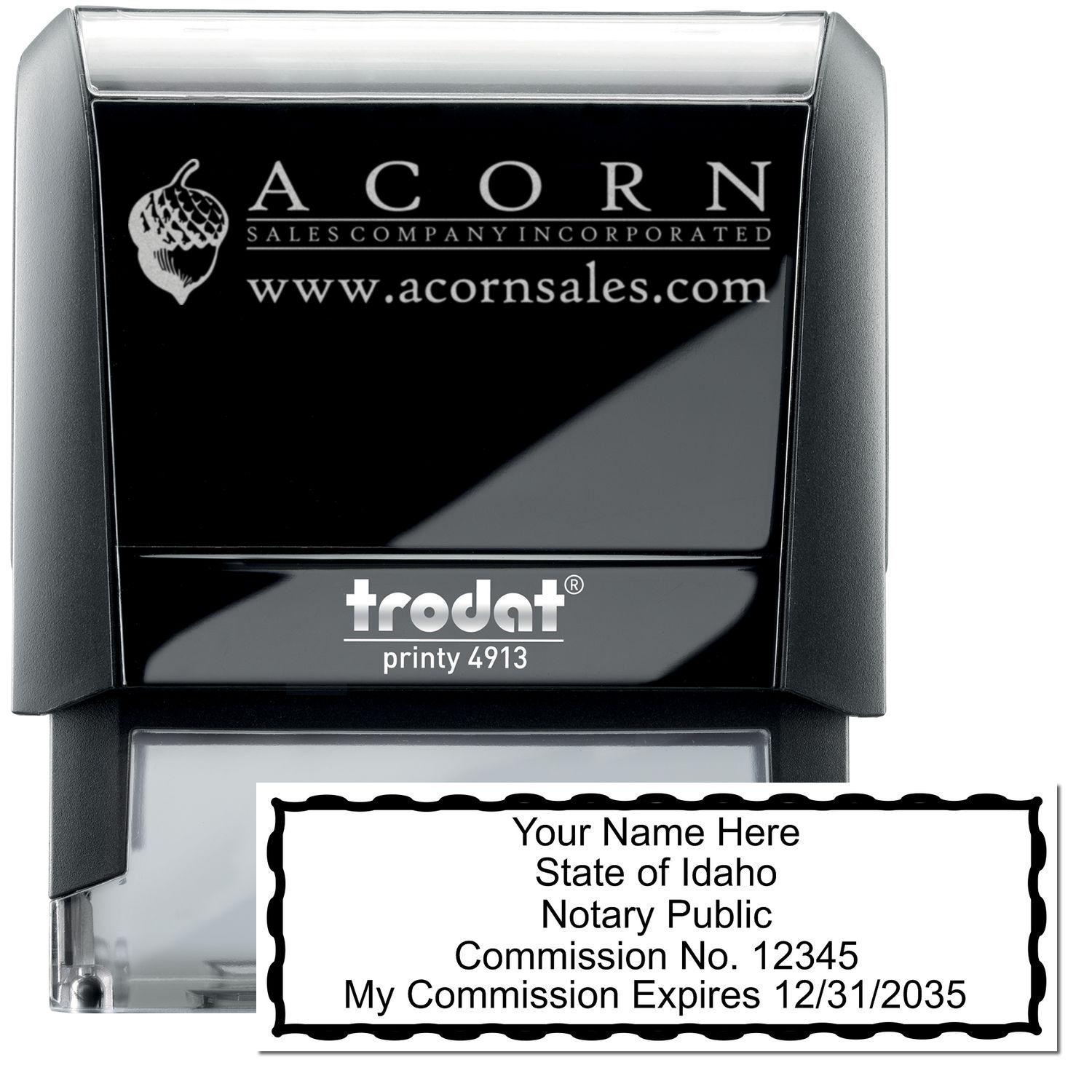
One of the final steps in meeting Idaho notary requirements involves obtaining your official notary stamp and seal. This tool authenticates each notarization you perform.In Idaho, your stamp or seal must include:
- The words “Notary Public”
- Your name as it appears on your commission
- “State of Idaho”
- Your commission expiration date
Carefully review the state regulations, because any mistake in the text on your seal can invalidate notarized documents. Additionally, always keep your stamp in a secure location. Unsupervised access to your seal could lead to fraudulent acts committed in your name.
Submit Your Application
After gathering all essentials, it is time to submit your completed application and supporting documents to the Idaho Secretary of State’s office. Prepare the following:
- Your completed notary application form.
- Proof of your surety bond.
- Payment for any required application fees (as set by the state).
Once the state office reviews and approves your submission, you will receive an official certificate confirming you are a commissioned Idaho notary public. This certificate is verification that you have fulfilled state requirements and can legally perform notarizations.
Important Duties and Responsibilities
Once you are commissioned, you must carry out your notarial acts with diligence and integrity. Although the specific regulations can change over time, here are some core responsibilities you will typically uphold:
- Verifying the identity of signers: Always request proper identification, such as a driver’s license or other government-issued photo ID, to ensure you are witnessing the correct individual.
- Observing signers: Witness the signing of documents in person. The signer must be present to prevent potential fraud or coercion.
- Ensuring signer awareness: Confirm the signer is of sound mind and willingly signing the document.
- Maintaining a notary journal: Keeping a comprehensive record of each notarization helps resolve disputes and protects you in the event of a legal challenge.
When you approach your duties with these essential principles in mind, you strengthen the credibility of your notarial acts. Any deviation from these responsibilities could lead to legal complications, so remaining consistent is the key to success.
Maintaining and Renewing Your Commission
Your commission as a notary public in Idaho is not permanent. Eventually, you will need to renew it to remain active. Renewal typically includes completing another application, securing an updated surety bond, and paying the relevant fees. The renewal process is similar to your initial application but is generally more straightforward since you have already been commissioned before.
- Mark your calendar: Keep track of when your commission expires so you can begin the renewal process early.
- Re-confirm your qualifications: Ensure your status as an Idaho resident or employee remains valid.
- Update your stamp and seal: If the commission expiration date changes, you will need to update your notary supplies accordingly.
Renewing your commission without a lapse means you can continue providing notarizations seamlessly. Avoid letting your notary status expire, because it can be more complicated to start from scratch than to maintain continuous eligibility.
Choosing the Right Notary Stamp and Seal
A reliable notary stamp or seal is a cornerstone of your practice in Idaho. You want a product that is durable, easy to use, and fully compliant with state regulations. Take a moment to consider a stamp that leaves a clear, readable impression on every document you notarize.
Top Supplier: Acorn Stamps
If you are looking for a trusted provider, Acorn Stamps is a top supplier of Idaho notary stamps and Idaho notary seals. Family owned and operated since 1964, they have provided 60 years of service delivering:
- Stellar customer service: Whether you have questions about ordering or need guidance on customizing your seal, their team is dedicated to helping you.
- Super fast turnaround: Timely service keeps your notary practice going without interruption, especially if you need to replace a worn-out stamp in a hurry.
- Compliance with Idaho state guidelines: Their stamps and seals meet the specific layout, text, and appearance requirements mandated by Idaho law.
Choosing the right company and product ensures that every imprint on your notarial documents remains valid, legible, and professional. Once you acquire your supplies, store them securely and keep track of when reinking or replacements become necessary.
Why Quality and Service Matter
Your stamp or seal directly reflects the legitimacy of your notarial acts, and high-quality equipment reduces the chance of fading, smearing, or misprints. Additionally, working with a supplier that understands Idaho notary requirements spares you from potential noncompliance. Reliable support also means you can quickly get replacement ink pads, re-inking instructions, or a new seal if yours is lost or damaged.
Common Mistakes to Avoid
To keep your notary journey running smoothly, be mindful of the pitfalls that can lead to headaches or legal issues:
- Skipping proper identification checks
Always verify the identity of signers. Not doing so can invalidate the notarization.
- Failing to keep a notary journal
Record every act meticulously. This helps protect you against legal disputes and establishes a trustworthy paper trail for each transaction.
- Using an incorrect or damaged stamp
If your stamp impression is faint, incomplete, or missing required details, you put the validity of the notarized document at risk.
- Ignoring filing deadlines for renewals
Missing the renewal window can cause a gap in your commission. Prepare early to avoid unnecessary delays.
- Not staying updated on law changes
Regulations can shift over time. Check for updates from the Idaho Secretary of State to ensure your practices always align with the latest requirements.Avoiding these mistakes keeps your notary reputation intact and cements you as a reliable resource for friends, family, and clients who need your services.
FAQs
Below are five frequently asked questions about Idaho notary requirements, along with brief answers that address common concerns:
What Is the Minimum Age to Become a Notary in Idaho?
You must be at least 18 years old to qualify for a notary commission in Idaho. Make sure you also meet residency or employment requirements within the state.
Do I Need a Notary Journal in Idaho?
While some states have optional journal requirements, maintaining a notary journal is highly recommended in Idaho. This record can protect you in potential legal disputes and helps you stay organized.
How Often Do I Need to Renew My Notary Commission?
Idaho notary commissions typically last for a set number of years, often six or seven. You will need to renew before your existing commission expires to continue performing notarial acts without interruption.
Can I Perform Remote Online Notarizations in Idaho?
Idaho does allow remote notarizations under certain conditions. You must register as a remote online notary and use approved technology platforms. Always verify the latest rules with the Idaho Secretary of State’s office before offering these services.
What Happens if I Lose My Notary Stamp?
If your notary stamp or seal is lost or stolen, report it immediately to the Idaho Secretary of State. You should obtain a replacement seal from a trusted provider like Acorn Stamps to continue notarizing documents without raising validity concerns.
Conclusion
Mastering Idaho notary requirements makes your notarial acts much more reliable and professional. By familiarizing yourself with qualifications, application steps, bonds, stamp regulations, and renewal processes, you set yourself up for a successful notary career. Remember that attention to detail and ongoing vigilance are your best defenses against errors or invalidations.
Selecting and caring for your notary stamp or seal is equally crucial. Providers like Acorn Stamps, with a proud history since 1964, understand exactly what you need to keep your commission in good standing. When you combine quality supplies with dedicated adherence to the rules, you gain an edge in delivering fast, trusted service to your community.
Take the time to set up your commission correctly from the start, and maintain your responsibilities with diligence. Your role as an Idaho notary is essential in facilitating secure and legally binding transactions, and with the right knowledge, tools, and attitude, you will confidently fulfill your duties every day.