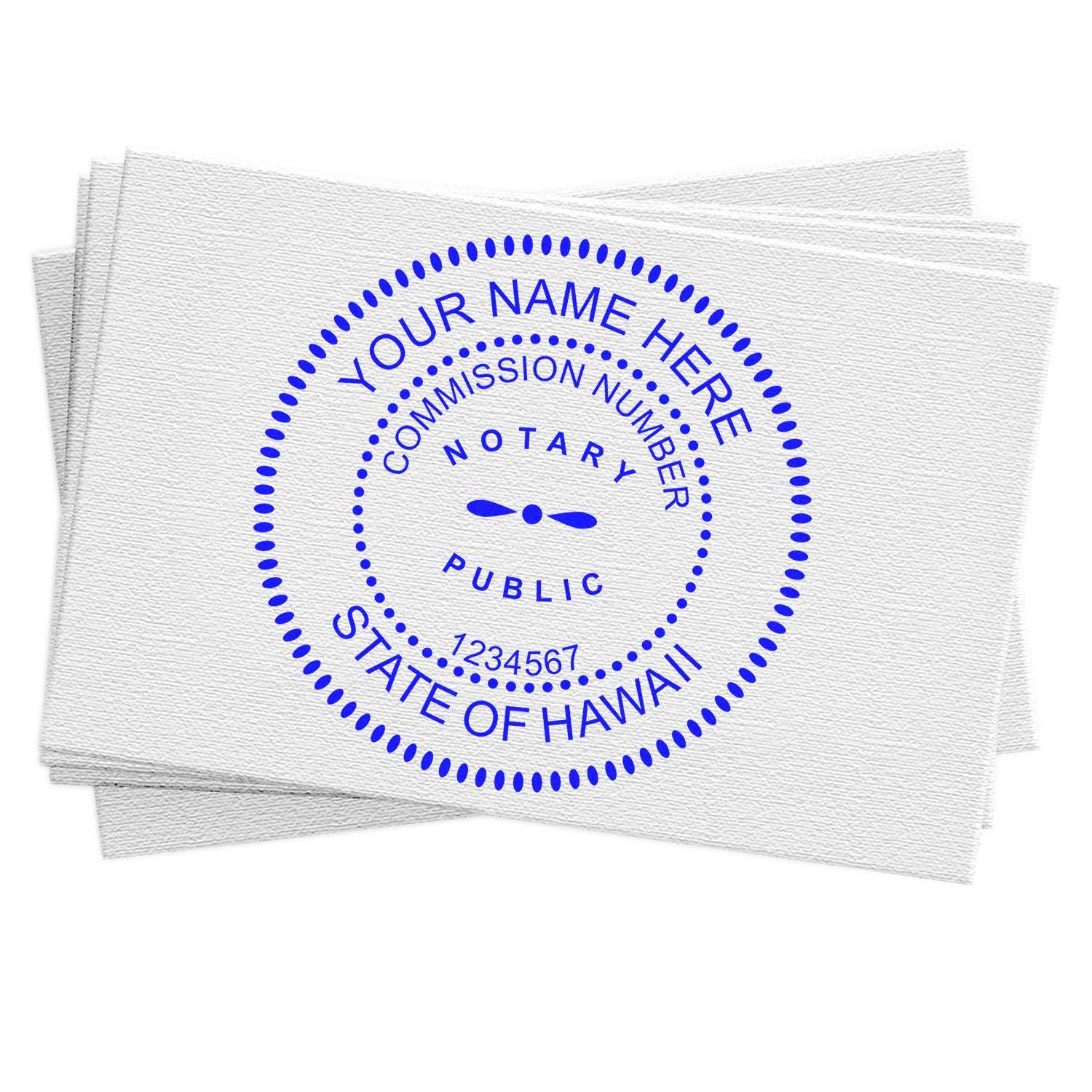
Explore Hawaii Notary Supplies
If you serve as a Notary Public in the Aloha State, having the right Hawaii notary supplies can make all the difference in your day-to-day work. From official stamps to impressive seals, reliable tools ensure you operate smoothly and uphold your notarial duties. In this guide, you will learn how to select and care for high-quality supplies, meet state requirements with confidence, and streamline your notarial process.
Notaries in Hawaii occupy an important position of trust. With that responsibility comes the need for practical tools that let you focus on verifying signatures, confirming identities, and protecting the integrity of vital documents. The good news is that outfitting yourself with top-tier resources is easier than you might think. Read on to discover what items you should have in your notary toolkit and how choosing the right provider can accelerate your success.
Your Role As A Hawaii Notary
Before you gather your hawaii notary supplies, it helps to understand precisely why these materials matter in your everyday role. As a notary, you confirm that signers are who they claim to be and that they are signing important documents willingly—without pressure or coercion. You also observe the signature process and administer oaths when needed.Here are some key duties you manage:
- You serve as an impartial witness during signings.
- You verify the identity of each signer.
- You record the notarial act in a journal or log (as required under Hawaii law).
- You apply a suitable stamp or seal, signifying your authority.
Given these responsibilities, you want reliable, easy-to-use tools that meet the Hawaii Department of the Attorney General’s requirements. By using official supplies designed for Hawaii notaries, you reduce your risk of making mistakes and gain the confidence to deal with busy signing schedules. Whether you are stamping loan documents or signing off on legal affidavits, dependable equipment keeps everything running efficiently.
Why Hawaii Notary Supplies Lead To Success
Unlike general office items, specialized notary supplies align with state regulations so your acts are legally valid. This is crucial for maintaining the chain of trust in legal documents. Without the right stamp, seal, or record-keeping materials, your professional standing could quickly come into question. Preparing yourself with high-quality resources is a direct investment in your reputation and in the smooth operation of your notary work.
Gather Essential Tools
When building your toolkit, you need more than just a stamp and seal. While these two items are often at the top of the list, other supplies help you stay organized and compliant. If you have never compiled a kit before, consider joining or consulting local notary communities for helpful tips.Below is a quick rundown of must-have items:
- Notary Stamp or Embosser: Officially validates signed documents.
- Ink Pad (if required by your stamp style): Ensures crisp impressions.
- Notary Journal or Record Book: Maintains a record of every notarized document.
- Security-Enhanced Pens: Prevents fraudulent alterations.
- Storage Case: Keeps everything organized and portable.
Depending on how frequently you handle documents, you might also benefit from extras such as document covers, reference guides, or additional ink refills. But at a minimum, stamping equipment and a detailed record book are essential. By maintaining a checklist of these items, you can quickly restock when you’re running low or when it’s time for an upgrade.
Additional Organizational Tips
- Keep your journal or record book up to date, ideally in chronological order.
- Store all notary supplies in a safe, dry place, away from children and pets.
- Log each notarization in your record book right after it is performed.
Understand Notary Stamp Options
When planning your hawaii notary supplies, focus first on the stamp. Hawaii laws typically require an official inked seal that includes certain information about your commission. You want a stamp that is easy to use, designed for many impressions, and properly sized to fit onto the margin of standard documents without losing clarity.
Common Stamp Types
- Self-Inking Stamps: These feature a built-in ink pad, making them quick and clean to use. They often last for thousands of impressions before needing a refill.
- Pre-Inked Stamps: Ideal for high-volume notaries, they offer consistently crisp, clean impressions. The ink is already integrated into the die, so you will experience less mess and fewer smudges.
- Rubber Stamps With Separate Ink Pads: While economical, these require frequent re-inkings. They can be a good backup option or an additional stamp to store in your case.
When buying a new notary stamp, double-check that it includes your name, the phrase “Notary Public,” and references the state of Hawaii as required. Verify your notary ID number and the commission expiration date are also noted if the state’s guidelines call for it. Getting all the details right ensures that every document you notarize is legally valid.
Tips For A Reliable Stamp
- Opt for durable construction so the handle or casing won’t crack after repeated use.
- Choose a model that is comfortable to grip, reducing fatigue during lengthy signing sessions.
- Keep a small bottle of ink on hand if you opt for self-inking or pre-inked models to avoid downtime when the stamp begins to lighten.
Perfect Your Notary Seal
Depending on your preference and local guidelines, an embosser seal can be an excellent companion to your notary stamp. While stamps primarily rely on ink, an embosser uses pressure to create a raised impression on the document. This subtle imprint can help deter tampering or fraud because it is more difficult to replicate.
Types Of Embosser Seals
- Handheld Embosser: Compact and portable, suitable if you travel frequently.
- Desk Embosser: Heavier and designed to sit on a flat surface. This option offers consistent pressure and a crisp seal impression.
- Pocket Embosser: A smaller version of the handheld style, often accompanied by a carrying pouch for convenient storage.
In Hawaii, you may find that an ink-based seal is more practical because copies and scans remain legible. However, some professionals and signers appreciate the look of an embossed seal, especially for official certificates. Confirm with the Hawaii Department of the Attorney General if certain documents require an embossed seal or if an ink stamp alone suffices.
Getting Your Embossing Technique Right
- Position the seal correctly on the page and apply even pressure.
- Practice on spare paper to ensure you become comfortable with the amount of force required.
- Align the text or logo on your document so your seal appears neat and professional.
Maintain Your Supplies
Once you have everything you need, the next big piece is maintenance. Poorly cared-for stamps, worn embossers, or disorganized journals can cause frustrations at the worst possible moments. By preserving your items in good condition, you boost your reliability and extend the life of your tools.Here are a few tips:
- Clean Your Stamps Regularly
After each use, double-check that no ink residue clogs the impression surface. Lightly wipe the stamping surface with a lint-free cloth if there are visible marks. Avoid using harsh chemicals. A gentle cleaner or mild soap with water can help if ink accumulates over time.
- Store Embossers Properly
Protect the delicate embossing plates by keeping them closed when not in use. If you own a desk embosser, try placing a dust cover over the device. This helps ensure dust and other debris won’t build up in the mechanism.
- Replace Ink Pads or Refill Inks Promptly
If your stamped impressions begin to fade, it is time for a refill or a replacement pad. Always keep a spare bottle of ink for your specific stamp model on hand. This way, you can refresh the ink supply without halting your workflow.
- Safeguard Your Journals
Your notary journal or record book is a record of every official act you perform. Keep it in a locked drawer or safe. Ensure that you have a backup method for referencing older entries, especially if you use an electronic journal alongside your physical one.
- Inspect Supplies Periodically
Make a habit of doing a quick monthly check to spot any early signs of wear or damage. Small cracks in your stamp handle or misaligned embossing plates are easier to fix if caught early.
Partner With Acorn Stamps
For reliable Hawaii notary supplies, consider partnering with Acorn Stamps, a trusted family-owned and operated brand with a decades-long track record—serving notaries and businesses since 1964. Their 60 years of expertise show in the consistently high-quality stamps and seals they produce. It is also easy to appreciate their stellar customer service, quick turnaround times, and personalized support for Hawaii notaries.
Highlights Of Acorn Stamps
- Family Owned Since 1964: You benefit from over half a century of industry knowledge.
- Fast Turnaround: Their efficient production process satisfies tight deadlines.
- Quality Materials: Stamps, embossers, and accessories are engineered for durability and clarity.
- Exceptional Service: Friendly, knowledgeable support ensures you get precisely what you need.
If you are seeking a straightforward, dependable place to order your commissions’ requirements, Acorn Stamps works hard to keep your notarial duties on schedule. You can order everything from a single notary stamp to a full suite of supplies that includes an embosser, stamp refills, and organizational accessories based on your preferences.
Frequently Asked Questions
Below are five common questions about Hawaii notary supplies and how they affect your role. Feel free to refer to these in a pinch, especially if you are newly commissioned or simply looking to refresh your knowledge.
Do I Need Both A Stamp And A Seal In Hawaii?
Hawaii typically requires an ink-based seal that includes your commission details. However, some notaries also use an embosser to add an extra level of security. Check state regulations to confirm if both are necessary or if one is enough to meet your obligations.
How Often Should I Replace My Notary Stamp?
The lifetime of a stamp depends on its quality and usage. If your stamp impressions become faint or the text starts to look misaligned, it is time for a replacement. Self-inking or pre-inked stamps often produce thousands of impressions before needing a refill or complete replacement.
Where Should I Store My Supplies When Not In Use?
Always keep your notary supplies in a secure place, such as a locked drawer or cabinet. This prevents unauthorized access and reduces the risk of losing or damaging essential items. A dedicated case can help you stay organized and protect your tools.
Is It OK To Share My Stamp With Others?
No. Your notary stamp and seal are linked to your personal commission and not to be used by anyone else. Allowing others to use your stamp could lead to unauthorized or invalid notarizations, exposing you and the documents’ signers to legal risks.
How Can I Check If My Supplies Meet Hawaii Requirements?
Review Hawaii state guidelines or the instructions provided to you when you were commissioned. Additionally, reputable suppliers like Acorn Stamps ensure their products meet local requirements. Always confirm the text on your stamp or seal clearly displays your official notary details as set by Hawaii law.
Equipping yourself with top-notch Hawaii notary supplies is an essential step in delivering smooth, professional services to your clients. When you use easy-to-maintain stamps, clear notary seals, and well-organized journals, you elevate your role within the community. By aligning with a reputable supplier, you streamline your notarial workflow and feel confident about each document you sign off on. Whether you are starting your commission or updating your toolkit, having the right resources in place will help you excel every time someone needs a trusted, impartial witness.