Mastering Kansas Notary Seal Requirements: A Friendly Guide
Kansas notary seal requirements can sometimes feel confusing when you first receive your commission. It is important to follow the correct guidelines so that each notarization you perform is valid and recognized under Kansas law.In this friendly guide, you will learn the essentials of creating, using, and safeguarding your Kansas notary seal. You will also discover why the right seal can help you carry out your duties more efficiently and how Acorn Stamps, a family-owned and operated business since 1964, can support your success.
Understand Kansas Notary Seal Requirements
Your Kansas notary seal serves as a physical representation of your authority to verify signatures, administer oaths, and perform other official acts. The state expects you to maintain a clear, readable imprint or embosser that includes vital details about your commission. By taking the time to familiarize yourself with these requirements, you can avoid mistakes that lead to document rejections or legal complications.
When you think about your notary seal, envision it as your personal stamp of authenticity. Without it, documents may have little legal ability to stand up in court or fulfill official purposes. Paying close attention to the rules around your seal, from its design to proper usage, will set you on a path of efficient notarizations.
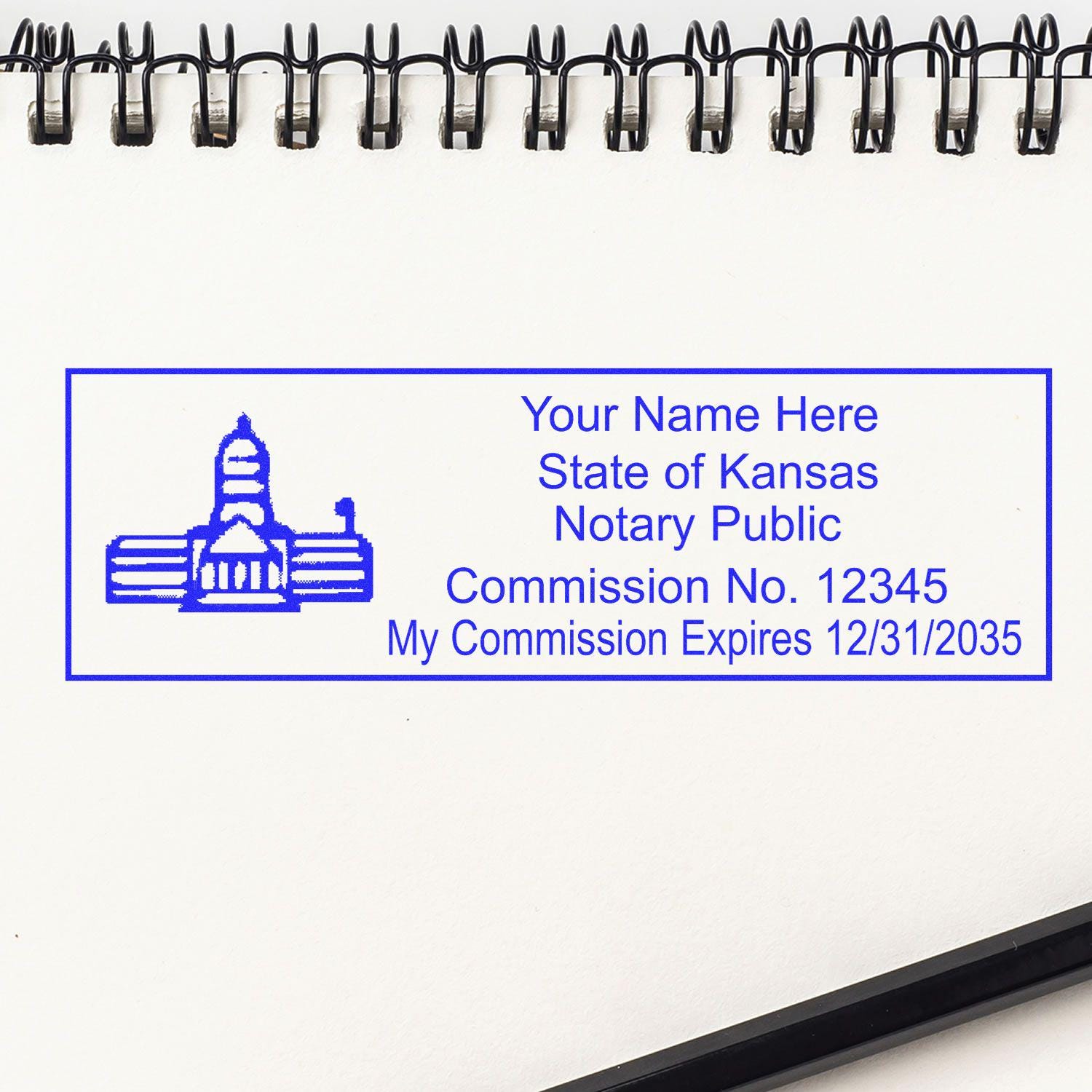
Key Components to Include
- Your name exactly as it appears on your notary commission.
- The words “Notary Public.”
- The words “State of Kansas.”
- In some cases, your commission expiration date (although Kansas law does not always require this on the seal; many notaries find it helpful to include).
What the Seal Does for You
- Prevents forgeries or unauthorized modifications to notarized documents.
- Reinforces the legitimacy of the signer’s identity and signature.
- Demonstrates your adherence to Kansas notary laws.
While these points might seem straightforward, a thorough understanding of each aspect is crucial. You want to make sure your seal is crisp, clear, and consistent each time you use it. Even small details, like the ink color, can influence the overall legibility and compliance of your seal. Always check for errors before finalizing a notarization to preserve your professional reputation.
Recognize Key Legal Obligations
Kansas notaries must follow certain legal standards to maintain an active commission and produce valid notarizations. Beyond simply knowing how your seal should look, you also need to understand when, where, and how to apply it in accordance with state regulations.
When to Apply Your Seal
You are required to use your notary seal on every proper document you notarize. This typically happens after you have:
- Verified the signer’s identity.
- Confirmed the signer’s willingness and understanding of the document.
- Ensured there are no signs of duress or coercion.
Only ink-stamped or embossed seals that meet state guidelines will hold up if the document is challenged in court. Do not sign your name or affix your seal to any document without verifying these legal requirements.
Avoiding Illegal Use
You must never use your seal to notarize a document if:
- You are named as a party to the transaction.
- You have any financial interest in the matter.
- A close family relationship might compromise your impartiality.
- The signer is not present to confirm their identity and sign willingly.
These boundaries protect the integrity of the notarial act and help prevent fraud or conflicts of interest. If you are unsure about a specific situation, it is always best to consult the Kansas Secretary of State’s official notary public resources or reach out to a trusted mentor for guidance.
Choose the Ideal Notary Seal
Selecting a robust, legally compliant seal is one of the most important steps in preparing for your new duties. A high-quality notary seal will create a crisp, clear impression every time. You also want a design that meets Kansas notary seal requirements, including the appropriate wording and layout.
Types of Notary Seals
- Pre-Inked Stamps:
These are convenient because they carry their own ink reservoir. They can produce thousands of sharp impressions before needing refills.
- Self-Inking Stamps:
Similar to pre-inked models, but they typically sit in a self-contained ink pad that flips up when pressed onto paper.
- Embosser Seals:
These create a raised impression on the paper. Although not always required, they can add an extra layer of security and sophistication.
Each type has its own benefits and feels slightly different in the hand. The best approach is to consider the environment in which you perform notarizations. If you often meet signers in various locations, a compact or lightweight stamp can be more convenient.On the other hand, if you work primarily in a fixed office, you might choose a larger seal or even an embosser for a classic look.
Selecting the Right Ink
The color of your ink can affect the legibility of your seal. While Kansas law does not strictly prescribe one ink color over another, you generally want an ink that contrasts well against most documents. Black ink is common because it tends to scan and photocopy clearly. Consistency is key: using the same color helps maintain a professional, uniform appearance.
Additional Considerations
- Durability:
Look for seals made from sturdy materials to ensure you get the most out of your investment.
- Portability:
Some seals are designed with a protective case for easy transport.
- Replacement Parts:
If your seal is refillable, confirm that refills are readily available.
- Customization:
Adding optional details, like your commission expiration date, can save time and reduce errors.
By taking the time to find a seal that feels comfortable and meets all legal obligations, you set yourself up for smooth notarizations.Remember that your seal is a reflection of your professionalism, so invest in one that you can rely on throughout your commission.
Follow Best Practices
Even if you have a completely legal, high-quality seal, your responsibilities do not end there. Each notarization is a legal act, and you need to ensure that your seal always reflects the correct information. Proper usage, storage, and maintenance will protect your seal from damage or misuse.
Storing and Maintaining Your Seal
- Keep it in a locked drawer or safe place when not in use.
- Clean the stamping surface periodically, especially if you notice blurred or partial imprints.
- Test your seal on a blank piece of paper from time to time to confirm it is producing crisp impressions.
It is good practice to keep extra ink or a backup seal on hand, particularly if you perform many notarizations. That way, you can quickly continue your work in the event one seal malfunctions or runs out of ink.
Documenting Each Notarization
Kansas requires you to maintain some form of notarial record. This record should typically include:
- The date of the notarial act.
- A brief description of the document you notarized.
- The name and address of the signer, or at least enough identifying information to confirm their identity.
- The type of identification presented.
By keeping a clear record, you create a reliable paper trail that may prove valuable if any questions arise about a past notarization. This helps protect both you and the signer by demonstrating your commitment to accuracy and compliance.
Understanding Liability
Being a notary public comes with a certain level of legal responsibility. If you accidentally or intentionally break the rules, you could face penalties, including:
- Legal liability.
- Monetary fines.
- Suspension or revocation of your notary commission.
Even minor issues, such as a smudged seal or a misdated certificate, can lead to complications or rejections of important documents. Taking time to confirm each step and double-check your seal before finalizing a notarization is one of the best habits you can develop.
Embrace Quality with Acorn Stamps
When it comes to meeting Kansas notary seal requirements, having a dependable partner is essential. That is where Acorn Stamps can step in. Acorn Stamps has been proudly family-owned and operated since 1964, offering reliable and high-quality notary supplies to notaries like you across the state. With 60 years of experience, they understand the nuances involved in creating seals that meet Kansas regulations.
Reasons to Rely on Acorn Stamps
- Stellar Customer Service:
You can trust Acorn Stamps to pick up the phone with a friendly greeting and guide you to the right product for your needs.
- Super-Fast Turnaround:
If you have tight deadlines or need a replacement stamp quickly, Acorn Stamps prides itself on rapid production and shipping.
- Compliance Expertise:
Their knowledgeable staff is familiar with state regulations, meaning they can help ensure your seal contains the correct information.
- Custom Options:
Whether you prefer a pre-inked stamp or want a traditional embosser, Acorn Stamps offers flexible choices that align with your personal style.
Having a top supplier in your corner makes it far easier to follow the laws and keep your commission running smoothly. You also gain peace of mind, knowing that your seal will arrive ready to use, so you can focus on giving each notarial act your full attention.
FAQs On Kansas Notary Seal Requirements
Below are some frequently asked questions about kansas notary seal requirements. Let these answers guide your understanding and help you feel more confident about your role as a notary public.
Are You Required to Have a Kansas Notary Seal?
Yes. Kansas law requires commissioned notaries to use an official seal for each notarization. This seal must include your name as it appears on your commission, the words “Notary Public,” and “State of Kansas.” Including your commission expiration date can also be helpful, although it is not always mandated. Without a proper seal, the notarial act may be considered invalid.
Can You Use a Pre-Inked or Self-Inking Stamp?
Absolutely. Both pre-inked and self-inking stamps are common for Kansas notary use. Choice often comes down to personal preference and convenience. Whichever style you pick, make sure the impression is clear, legible, and contains all required components. If you need guidance picking the right format, Acorn Stamps can help you explore your options.
Does Kansas Allow Electronic Notary Seals?
In certain circumstances, yes. The state has permitted electronic notarizations under specific guidelines. However, the rules surrounding remote online notarization (RON) and electronic seals can differ from traditional notarizations. You should consult the Kansas Secretary of State’s website or official resources to ensure you meet all technical and legal requirements before performing electronic notarizations.
What Should You Do If You Lose Your Seal?
If your seal is lost, stolen, or becomes unusable, you must discontinue notarizing documents until you obtain a replacement. Informing the appropriate authorities may also be necessary, depending on the specifics. For a quick, compliant replacement, consider contacting Acorn Stamps right away. They typically offer accelerated services, so you can keep disruptions to a minimum.
How Do You Properly Dispose of an Old or Expired Seal?
When your commission ends, you update your name, or you simply replace an outdated seal; it is best practice to destroy the old device to prevent unauthorized use. Shredding or defacing the rubber portion of a stamp or bending the embosser plate so the raised impression no longer works, can reduce the risk of it falling into the wrong hands. Always document the time and reason for disposing of the seal in case any questions arise later.
By staying informed about kansas notary seal requirements, choosing a seal that fits your work style, and partnering with a trusted supplier like Acorn Stamps, you will be well on your way to providing reliable, professional notarial acts. Even though managing a seal might seem like a small part of your overall responsibilities, it is a crucial one.
Treat your seal with care, keep detailed records, and you will earn the trust of everyone who relies on your notarial services. With attention to detail and a commitment to quality, you can confidently fulfill your duties as a Kansas notary public.