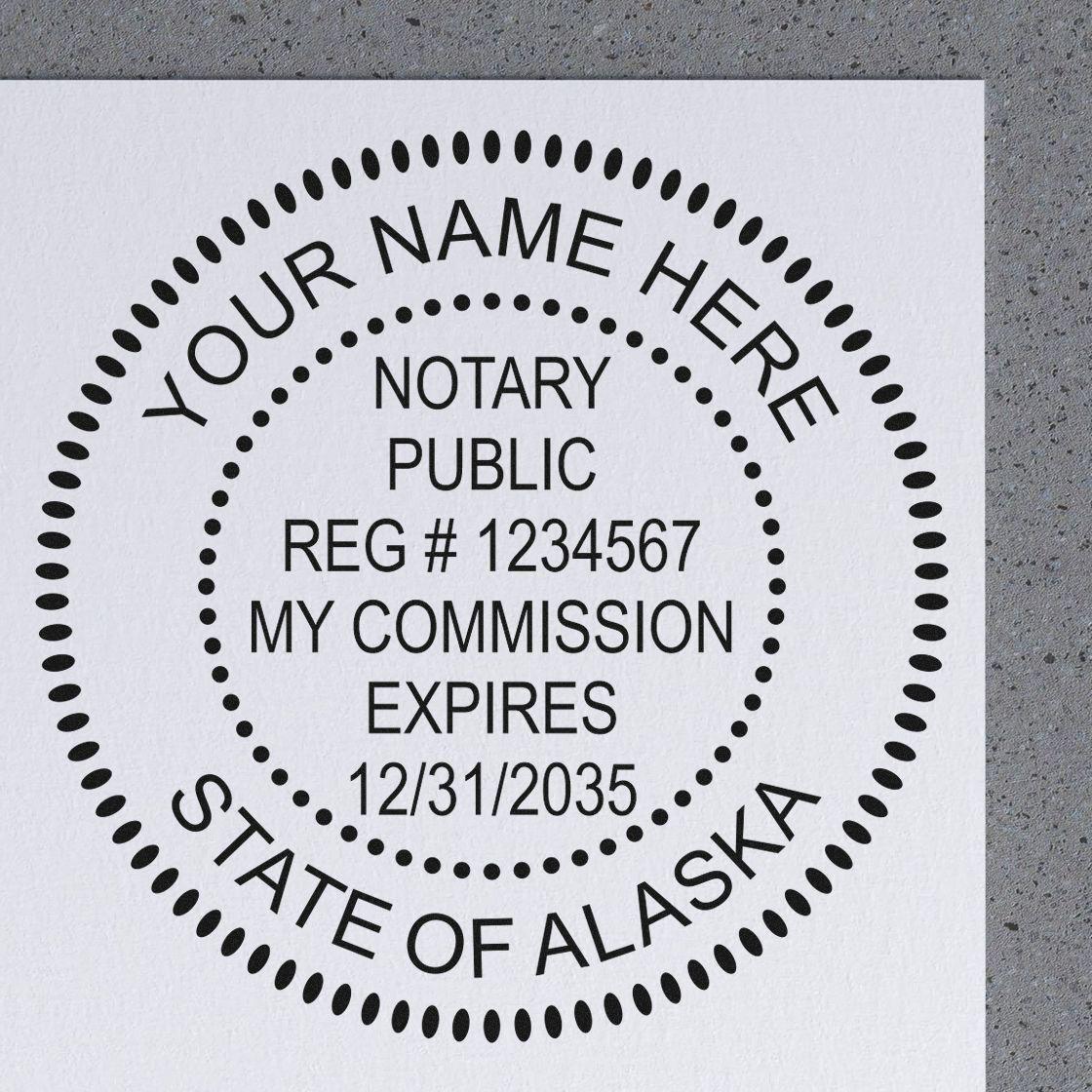
Ensuring you understand Alaska notary stamp requirements is essential for your role as an Alaska Notary Public. Whether you are just beginning your commission or have been serving your community for years, staying informed about the state’s regulations and best practices will help you perform your official duties effectively. Your notary stamp or seal remains at the heart of your notarial acts, which is why proper selection, use, and maintenance are so crucial.
You may already know that once you receive your formal commission from the state, you must acquire a notary stamp that clearly includes essential elements like your name and the words “Notary Public.” But there is more to it than simply having the right equipment. In this guide, you will explore each step of the Alaska notary stamp process, learn how to maintain solid recordkeeping, and gain a better understanding of how to keep your commission in good standing. You will also discover the benefits of working with a reliable vendor, such as Acorn Stamps, a top supplier of Alaska notary stamps and Alaska notary seals with stellar customer service and a reputation for super fast turnaround. Family owned and operated since 1964, Acorn Stamps has been proudly serving notaries for over 60 years. Below, you will find an in-depth look at each stage of your notarial journey, from meeting legal requirements and processing your application to properly using and safeguarding your stamp. By following these guidelines, you can help ensure that your notarial acts are valid and recognized, while also protecting yourself from potential legal or professional pitfalls.
Understand Alaskan Notary Basics
Before diving into specific stamp requirements, it helps to have a solid grasp of the fundamentals of being a notary public in Alaska. The primary purpose of your commission is to authenticate signatures, administer oaths, and provide impartial witnessing for various legal documents. Your role is vital in helping to prevent fraud and protect the integrity of the documents you notarize.
- Alaska notaries hold the authority to notarize documents within the state’s borders.
- You are tasked with verifying a signer’s identity and willingness to sign.
- Your notarization includes a certificate detailing the date, time, and place of the notarial act.
Because each notarial act includes your official notary stamp, understanding the far-reaching implications of your stamp’s design and usage can save you time and trouble later. From ensuring the stamp’s legibility to keeping up with official guidelines, each layer of the process matters.
Satisfy Legal Requirements
When you receive or renew your commission as an Alaska notary, state law mandates that you obtain an official seal that meets specific criteria. These Alaska notary stamp requirements exist so your notarial acts will be recognized and accepted.
Stamp Design and Size
Alaska statutes typically require that your notary seal or stamp include:
- Your name as it appears on your commission
- The words “Notary Public”
- The state name, “State of Alaska”
While there may not be an explicit size requirement, the impression must be legible and reproducible when making photocopies or scanning documents. A clear image reduces the chances of rejection by agencies that need to verify the stamp on the notarized document.
Ink and Type
Although different ink colors are allowed, black and blue remain the most commonly accepted choices for official notarial acts. If your Alaska notary stamp is self-inking, look for a reliable cartridge and consider keeping spare ink on hand to maintain crisp impressions. Traditional rubber stamps with separate ink pads can also be used, provided the impression meets Alaska’s clarity standards. Regardless of the type you choose, the goal is always a clean, easily readable imprint that reflects positively on your professionalism.
Secure Your Commission
Your official commission is quickly becoming the foundation for your duties as a notary public in Alaska. By understanding the steps and documentation involved, you will feel more confident when you begin or renew your notarial appointment.
Application Process
- Complete the Mandatory Form
- You must submit an application through the Alaska Lieutenant Governor’s office. Always review deadlines and guidelines carefully, as they can change over time.
- Obtain a Surety Bond
- Alaska requires you to supply a notary bond, typically for a specified amount. This bond acts as a financial guarantee for any claims arising from improper conduct or errors in notarizing documents.
- Pay the State Fee
- You will also need to pay an application fee to the state. Keep a record of any transactions, including confirmation notices or receipts.
- Await Approval
- Once your paperwork is processed, you will receive your commissioning documents. Store them in a safe, easily accessible location.
Duration and Renewal
Alaska notary commissions generally last four years. About six months before your commission expires, make a note in your calendar to begin the renewal process. Missing those deadlines can lead to a lapse in your commission, leaving you unable to carry out official notarial acts until you complete the renewal steps.
Choose Your Notary Tools
When it comes to selecting a quality notary stamp or seal, you have many options. The tool you choose can reduce errors and ensure consistent compliance with Alaska notary stamp requirements.
Self-Inking Stamps vs. Embossers
- Self-Inking Stamp
- Commonly used for everyday notarial acts
- Offers convenience and speed
- Produces a crisp, legible impression
- Works well with most paper stocks
- Embosser
- Creates a raised impression
- May be useful when you want an additional level of security
- Often used alongside a self-inking stamp
You can use one or both, depending on your preferences. However, state guidelines often require that ink stamps appear on the document itself for official recording. An embosser is sometimes supplemental.
Vendor Considerations
One of the most significant decisions you will make is where to purchase your notary stamp. Working with a trusted vendor helps ensure you receive a product that meets official standards. At Acorn Stamps, you will find a wide range of Alaska notary stamps and seals crafted to align with state regulations. In addition to delivering precise, high-quality impressions, Acorn Stamps offers:
- Stellar customer service
- Super fast turnaround on orders
- Family-owned tradition since 1964, celebrating 60 years of service
- Expertise in notary requirements for Alaska and other states
Partnering with a reputable supplier protects you from the frustration of incorrect customizations, blurred impressions, or slow shipping. Always double-check that your name, commission dates, and the state references are spelled correctly.
Follow Proper Stamp Usage
Once you have your Alaska notary stamp in hand, putting it to good use requires more than simply pressing it on paper. Alaska notarial acts come with precise steps and responsibilities to maintain legality.
Carefully Identify Signers
Your main responsibility as a notary is verifying the identity of the person signing a document. Proper identification procedures could involve:
- Examining a valid government-issued photo ID
- Asking signers to remove caps or sunglasses for clarity
- Comparing any signatures used for verification against the signature on the document
Once confirmed, you can safely sign, date, and stamp the document, thereby creating an official notarization.
Stamp Placement
Position your stamp close to, but never overlapping, your signature and notarial certificate. A smudged seal or one placed partially off the page can call the validity of your notarization into question.
Verify Your Certificate
Alaska notarial certificates should specify the type of notarial act (acknowledgment, jurat, or oath) and the date and location of signing. Always double-check that all required elements (including your stamp, signature, and the correct date) are present.
Keep Accurate Records
Appropriate recordkeeping is an integral part of ensuring your notarial acts are properly documented. Although Alaska does not mandate notaries to keep a journal for every acknowledgment or jurat, having a detailed log can protect you and bolster your professional credibility. A good practice is to maintain a notary journal that tracks:
- Date and time of each notarial act
- Type of document notarized
- Full name of the signer
- Method used to confirm signer identity
- Any relevant comments or special circumstances
Committing to a consistent log helps if a notarized document is later challenged in court. Being able to produce clear evidence of how and when you performed the notarization can be invaluable for clearing up disputes.
Secure and Organized Storage
Keep your log, commission certificate, and notary supplies in a locked drawer or storage cabinet. Only you should have access to your official stamp and notarial record. Proper storage prevents unauthorized use or accidental damage.
Partner With a Trusted Supplier
Your Alaska notary stamp and seal are key components of your role. Selecting the right supplier minimizes delays, helps you meet official standards, and lets you focus on your duties without worrying about equipment failures. When choosing a vendor, consider:
- Product Quality
- Make sure the supplier uses durable materials that stand up to frequent notarial use.
- Customer Service
- Look for friendly, accessible support teams that can answer your questions thoroughly.
- Turnaround Times
- Verify that your stamp or seal will be delivered on time, so you do not face disruptions in your work.
- Reputation
- Check the supplier’s track record, especially among other notaries in Alaska.
At Acorn Stamps, a family-owned business proudly operating since 1964, you will find the personal touch you need. Their experience spans 60 years, meaning you can count on their thorough knowledge of notarial rules, top-quality products, quick shipping, and a genuine commitment to your success.
Explore Frequently Asked Questions
Below are some common questions Alaska notaries ask when researching notary stamp requirements and best practices. Reviewing these details could clarify lingering doubts and ensure you are in full compliance with state guidelines.
1. Do I Need to Keep a Notary Journal?
Although the State of Alaska does not strictly require you to maintain a notary journal, it is strongly recommended. A journal provides an extra layer of documentation that can protect you if a notarized document is ever challenged. You can record signer details, document types, dates, and any special remarks related to the notarial act. This record is invaluable for demonstrating that you followed proper procedures.
2. Can I Use an Embosser Instead of an Ink Stamp?
Ink stamps are traditionally used and widely accepted, often because the impression appears clearly when a document is photocopied or scanned. While it is possible to use an embosser in addition to or in place of an ink stamp, most Alaska-based notaries rely on ink stamps to fulfill the essential requirement of a legible seal. If you choose to use an embosser, you may wish to pair it with an ink stamp to ensure your notarial seal is easily visible on duplicates.
3. How Soon Should I Start the Renewal Process?
Ideally, you should start renewing your notary commission around six months before it expires. This gives you enough time to complete the paperwork, obtain a fresh surety bond, and receive your new commission certificate without any gaps. A lapse in your commission means you legally cannot perform notarial acts until your renewal is granted.
4. Can I Change My Name Mid-Commission?
Yes, you can, but it involves additional paperwork. If you change your name during your commission term, contact the Alaska Lieutenant Governor’s office to find out the required procedures. You will typically need to update your bond and acquire a new notary stamp that reflects your updated name. To avoid confusion and potential legal challenges, always ensure your official records align with your new signature and stamp.
5. Where Should I Purchase My Official Notary Stamp?
Your best option is to work with a reputable and experienced supplier like Acorn Stamps. Because Alaska notary stamp requirements are strict about clarity and design, partnering with an established vendor helps ensure you receive the correct stamps that meet state standards. With a track record of 60 years, Acorn Stamps offers not only dependable products but also exceptional customer service and fast turnaround times. This partnership gives you peace of mind and helps you uphold your professional reputation.By maintaining a strong understanding of these key considerations, you will be ready to meet your responsibilities as an Alaska Notary Public and provide trusted services to your community.Always remember to verify current state laws, as regulations and requirements can evolve. Staying informed protects your commission status and supports the respectful and lawful execution of your notarial duties. When in doubt, reach out to seasoned professionals or contact the Alaska Lieutenant Governor’s office for clarification. Then, confidently rely on your reliable notary stamp and dedicated suppliers, like Acorn Stamps, to simplify each notarization you perform.