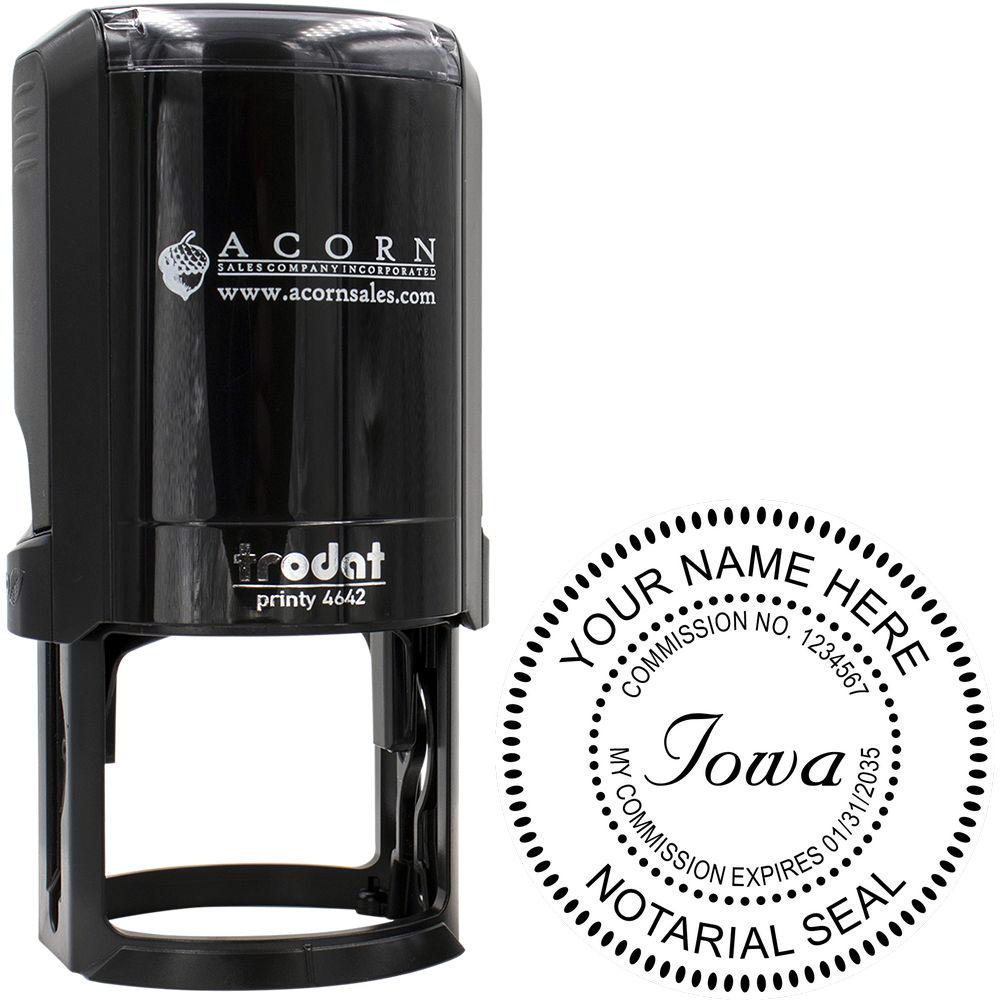
Iowa Notary Seal Requirements: Simplifying Your Notary Journey
As an Iowa Notary Public, understanding Iowa notary seal requirements can help you avoid confusion and ensure consistent, valid notarizations. By learning the role of your seal, the specific design standards, and best practices for usage, you will feel more confident in your everyday notarial duties. Below, you will find a friendly, in-depth guide that simplifies what you need to know and how you can get started.
Understand The Purpose Of Your Iowa Notary Seal
Your notary seal is far more than just a stamp or embosser. It acts as a critical piece of security that formally validates every document you notarize. To maintain the highest level of trust in the notarial process, Iowa law provides clear guidelines on how to create, store, and use your seal.
Reinforce Trust And Authenticity
When you apply your seal to a document, you confirm your authority to perform notarial acts. This physical mark demonstrates that you have properly verified identities, confirmed willingness, and followed the correct procedure. It protects all stakeholders by making it clear that each notarization was carried out ethically and lawfully.
Distinguish Official Acts
Your seal distinguishes notarial acts from signatures made in other capacities. If someone sees your seal on a document, they immediately recognize the presence of official, state-authorized verification. This clarity reduces disputes about whether a signature or agreement was properly witnessed.
Follow Required Iowa Seal Elements
Although Iowa notary seal requirements are fairly straightforward, it is crucial that you include the right details. That way, each notarization stands up to scrutiny within and beyond state lines.
Mandatory Wording And Layout
Your seal must include:
- Your official notary name, exactly as it appears on your commission.
- The words “Notarial Seal” or “Seal.”
- The words “Notary Public In And For The State Of Iowa.”
While Iowa does not strictly dictate the seal’s shape, round and rectangular seals are both commonly used. Ensure the text is legible and clearly stamped. Faint lettering or partial images can make notarizations invalid or raise questions about authenticity.
Ink Or Embosser
In Iowa, you are permitted to use either an inked stamp or an embossed seal. Some notaries prefer the crisp, clear appearance of an ink stamp, while others enjoy the tradition of an embosser. Both options are acceptable as long as the impression remains legible on the document. In highly important situations, you can even apply both an embossed impression and a visible ink stamp for added security.
Acquire The Right Supplies
Selecting quality materials from a trusted provider helps you comply with regulations and maintain a professional image. Whether you choose an embosser or a stamp, you need equipment that reliably produces a clear, durable imprint.
Work With A Reputable Supplier
Acorn Stamps, family owned and operated since 1964, has spent 60 years helping notaries across Iowa and beyond secure top-notch notary supplies. You can rely on their experience to craft seals that exceed your expectations. With stellar customer service and super fast turnaround, Acorn Stamps supports your notary journey every step of the way.
Check For Durability And Clarity
When shopping for an Iowa notary seal, focus on durability. Your seal should last through the duration of your commission without fading or breaking down. Look for:
- High-quality rubber or metal components
- Consistent ink flow
- Comfortable grip and easy alignment
If you opt for an embosser, choose one that is easy to squeeze without leaving your hands sore. For ink stamps, confirm that the ink pad won’t dry out quickly. Reliable materials give you the professional edge you deserve.
Ensure Proper Usage And Maintenance
Once you have your seal, proper handling helps preserve its integrity. Even the most robust notary seals need consistent care.
Clean And Store Securely
When ink accumulates on your stamp or residue builds up on your embosser, your impressions may lose definition. Gently wipe down your stamp or embosser after each use and store it in a clean, dry place. Avoid direct sunlight or extreme temperatures, which can damage parts and cause the seal to fade or warp.If you notice any irregularities with your seal, replace it immediately. You never want to notarize important documents with a faulty or hard-to-read imprint.
Record-Keeping Best Practices
While Iowa does not always mandate that notaries maintain a journal, it is highly recommended to keep detailed records. Your seal usage often goes hand in hand with a log of acts performed. In a typical notary journal entry, you might include:
- Date of the notarization
- Type of document
- Signer’s name and ID details
- Any relevant notes (e.g., address, special instructions)
This approach bolsters your credibility and offers a safety net if questions arise about a specific notarization down the line.
Identify Situations That Require An Iowa Notary Seal
Even though your notary commission may not require you to notarize every type of document, your seal comes into play whenever you officially acknowledge or witness a signature as an Iowa Notary Public.
Standard Notarial Acts
Your seal is typically required for:
- Acknowledgments: Confirming that someone signed a document voluntarily
- Jurats: Verifying the signer’s oath or affirmation that their statements are true
- Certified Copies: Providing an attestation that a copy is true to the original
In any of these acts, your seal must be clear and complete to validate the transaction.
Exceptions And Special Scenarios
While most notarizations call for your seal, there may be unique state or federal forms that do not require it. Always read the document’s notary certificate carefully to confirm its requirements. If you are uncertain, consult with an experienced Iowa notary group or ask legal counsel.
Renew And Update Your Seal On Time
Your Iowa notary seal is valid as long as your commission is active. However, you will need to refresh or adjust your seal if you renew your commission, undergo a name change, or choose to alter any aspect of your notarial practice.
Commission Renewal Timeline
You can usually renew your commission before the current term expires. Doing so ensures uninterrupted notarial authority. Once the state processes your renewal and issues a new commission, you may need to purchase a new seal that reflects any updated information. For instance, if your name changed, your official seal must match your most recent legal name.
Name Or Address Changes
If you legally change your name, you should update all relevant personal information with your commissioning authority. This step typically requires you to acquire a new seal showing the correct name. Make sure to destroy or retire your old seal once your new seal is in use. Running multiple seals that do not match your legal credentials can cause confusion or potential legal concerns.
Leverage Time-Saving Best Practices
A well-organized notary process helps you complete your tasks more efficiently and keeps you on track with Iowa notary seal requirements.
Streamline Document Reviews
Before you apply your seal, scan each document to confirm it:
- Includes the signer’s correct name
- Has space for your seal
- Specifies the proper notary certificate
If any details appear wrong or incomplete, request clarifications before you finalize the notarization. This diligence prevents mistakes and keeps your record impeccable.
Prepare For Busy Days
Sometimes you might have multiple signers in one session. Consider printing or labeling sticky tabs to remind them where to sign. By keeping people and their documents organized, you reduce confusion, ensure your seal is placed on the right pages, and maintain a smooth flow.
Store Extra Supplies
While you do not want to hold onto multiple official seals with different designs, it is helpful to have extra ink pads, pen refills, or a spare embosser insert on hand. This is especially helpful if you travel to provide notary services and cannot easily replace worn items during a busy day.
Why Choose Acorn Stamps
Whether you are just starting your notary journey or renewing your commission, Acorn Stamps stands ready to help you meet every Iowa notary seal requirement. Here’s what you can expect:
- Family owned and operated since 1964: Over 60 years of knowledge and expertise
- Highest quality materials: Sturdy stamps and embossers that provide consistent, clear impressions
- Stellar customer service: Friendly and responsive support to guide you through each purchase
- Fast turnaround: Quick shipping ensures you stay on schedule
When you partner with Acorn Stamps, you can feel at ease knowing your seal will exceed expectations and help you maintain a professional presence in the notarial world.
Frequently Asked Questions
1. Can I Use A Pre-Inked Stamp Instead Of A Self-Inking Stamp?
Yes. Iowa law does not mandate a particular branding, as long as the seal’s impression is clear, legible, and contains the required wording. Pre-inked, self-inking, or even traditional rubber stamps are valid choices.
2. Do I Need A Notary Journal To Track My Seal Usage?
While Iowa does not require every notary to use a journal, it is best practice to maintain one. Documenting each act provides a reliable reference if a notarization is ever questioned in the future.
3. How Often Should I Replace My Iowa Notary Stamp Or Embosser?
You only need to replace your seal if it breaks, becomes illegible, or if your commission details change. If you routinely take care of it and store it properly, a quality seal or stamp can last for years.
4. What Happens If I Lose My Notary Seal?
If your seal is ever misplaced or stolen, report it promptly to Iowa’s commissioning office to prevent unauthorized use. You should then obtain a replacement seal that meets the same official requirements.
5. Should I Notarize Documents For Immediate Family?
Iowa law does not explicitly prohibit notarizing for family members, but it is wise to check if you could benefit from neutrality by referring them to another notary. Always ensure that you are not a direct party to or financially benefiting from the transaction.By following these guidelines, you will stay compliant with Iowa notary seal requirements and provide the professional, dependable notarizations that your community needs. Happy stamping!