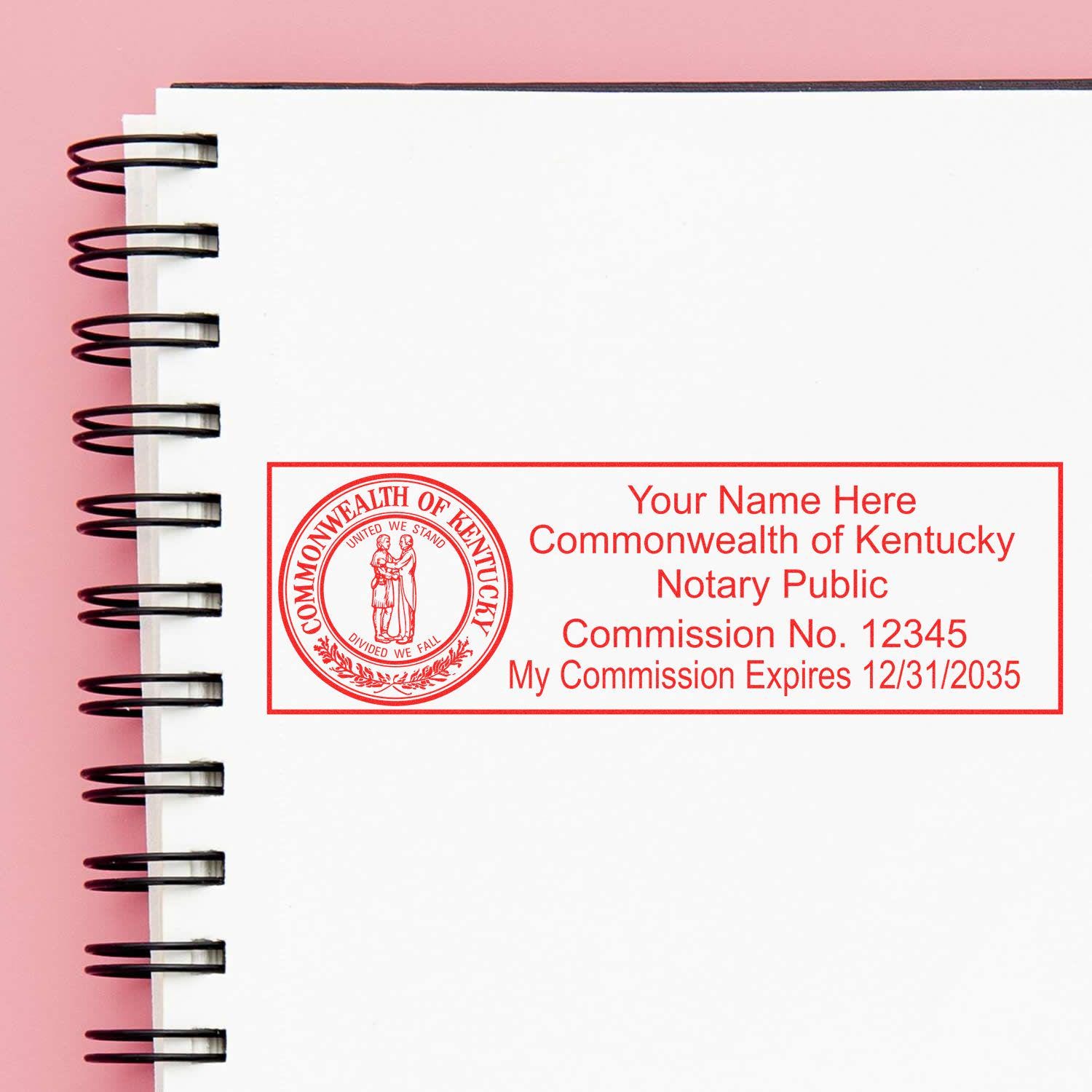
Top Features to Look for in a KY Notary Stamp
To find the perfect KY notary stamp for your role as a Kentucky Notary Public, you want a product that meets state requirements while delivering clear, consistent impressions. Not all stamps are created equal, so knowing what to look for ensures you can officiate documents confidently. From precision-engineered designs to reliable ink quality, each feature matters for day-to-day reliability.Below you will find essential considerations to guide your search for the right stamp, so you can focus on safeguarding legal transactions throughout the Commonwealth.
Recognize the Importance of Quality
Working as a notary involves verifying signatures, administering oaths, and validating official paperwork. The very nature of your role demands a robust KY notary stamp that sets a professional tone. A stamp with crisp, clear text can help you stay compliant with Kentucky regulations; while also showing clients you mean business.Quality stamps stand up to repeated usage without smudging, fading, or breaking down prematurely. In many cases, you may handle dozens of documents a day. You deserve a design that allows for quick and clean impressions, saving you from frequent re-stamping or worrying about legibility. Additionally, a top-notch stamp can reduce hand fatigue, making longer notary sessions more manageable.When you settle for subpar materials or a cheaper model, you risk unclear imprints or a wobbly casing. Either issue could affect the legitimacy of your notarized documents if details become unreadable. By recognizing the importance of quality from the start, you protect your reputation and reinforce your commitment to upholding state laws.
Examine the Core Stamp Components
A well-designed KY notary stamp includes specific components that maintain clarity and durability. Understanding the elements that make up a reliable stamp helps you compare options effectively.
Crisp and Consistent Impressions
One of the most critical aspects of any stamp is the clarity of the impression. Blurred or partially printed text may cause confusion and force you to re-stamp, slowing your workflow. Look for a stamp that features precision-engraved dies. This ensures even contact with the paper and prevents missing edges or partially rendered letters.If you can, test the stamp on a scrap piece of paper to confirm how crisply it prints. If you shop online, look for high-resolution photos or product descriptions highlighting “precision laser-engraved text” or similar technology. As a notary, clarity is crucial. Your state seal, name, commission number, and expiration date must all appear readable on the final document.
Comfortable Grip and Case
Since you may stamp multiple documents in a single sitting, the feel of the stamp matters too. A sturdy handle or case with an ergonomic design can reduce wrist strain, making repeated stamping sessions effortless. A poorly designed grip, on the other hand, may slip or feel flimsy, increasing the chance of misalignment or incomplete impressions.Some stamps use all-in-one plastic casings with a built-in ink tray, while others rely on separate pads. Both can work well, but you want one that sits comfortably in your hand. Products that allow a smooth stamping motion typically produce neat results and limit the risk of accidental smearing.
Long-Lasting Construction
Plastic exterior parts can be durable but be aware of the type of plastic and the thickness. Thinner plastics may succumb to cracks or breakage, especially if you frequently transport your stamp. Metal components tend to stand up better over time, but they can be heavier. Strike a balance between lightweight convenience and the resilience you need for daily notary tasks.Be sure to check for small details like tight assembly, well-fitted hinges, and no loose pieces. All of these indicators point to a stamp that will withstand the normal wear and tear of your business.
Compare Different Seal Designs
When you’re shopping for a KY notary stamp, you may also need a separate seal. In Kentucky, notaries often use a seal to emboss or ink their official mark. Both styles offer unique benefits and can help you maintain compliance.
Embossed vs. Inked Seals
An embossed seal raises the paper to create a three-dimensional impression. This approach is highly secure, since duplicates are difficult to forge. Embossers do require more pressure to create a crisp imprint. They are often handheld but can also come in desktop models for additional leverage.An inked seal, on the other hand, leaves a flat, colored imprint on the document. These can be quicker to apply and easier to read in terms of text, though they may not offer the same tactile proof that a raised seal provides. Depending on personal preference, you could use both, ensuring you meet all the requirements for the documents you notarize.
State-Specific Requirements
Before you commit to a particular design, double-check Kentucky’s notary laws. You might have official guidelines stating the required text or layout for your stamp and seal. Some states also specify elements like border style or whether the seal must appear in black ink.Although Kentucky notary regulations can be more flexible, you still want your stamp to meet the basics:
- Your name- as commissioned by the state.
- The words “Notary Public – State at Large” or similar text.
- Commission number if required.
- Commission expiration date.
Acorn Stamps is a leading supplier of Kentucky notary stamps and seals, offering designs that help you comply with local regulations without sacrificing style. Their products can be customized with your name, expiration date, and other essential details, so you don’t have to worry about accidental omissions.
Select Your Ideal Ink Color
While black ink is the traditional choice for many legal documents, you should consider whether other colors might be useful in your notarial practice. Kentucky does not wholly restrict notary stamp ink color, but certain institutions or clients may prefer standard hues like blue or black. Whichever route you choose, ensure consistency, so your business always looks uniform and professional.
Look at Readability
When selecting an ink color, legibility remains key. Black typically reads well on most types of paper, but on dark or specialty paper; blue might stand out more. If you decide on a color other than black, confirm it is acceptable for your clients and relevant institutions. Stamps that offer refillable ink cartridges also give you the flexibility to adjust color later if needed.
Consider Durability
Water-soluble inks can smudge if the document is exposed to moisture. Look for inks labeled “archival,” “quick drying,” or “water-resistant” to protect the longevity of your notarial imprint. Durability is especially crucial for documents that will be stored long term, such as property deeds or wills.
Choose a Reliable Supplier
Even the most robust design won’t matter if the supplier has poor quality control. Reputation and customer service can make a major difference in your overall satisfaction. You want a supplier who understands Kentucky’s requirements and stands behind their products.
Check Customer Service
When you have questions about custom text layout, shipping, or replacements, you deserve clear, prompt answers. Gauge how responsive a company seems and look for real user reviews. If others mention quick solutions to problems or an easy-going exchange or return process, you can likely trust that supplier.At Acorn Stamps, stellar customer service is a hallmark. Available by email or phone, their team can walk you through your KY notary stamp options from start to finish. Having a responsive point of contact is invaluable, especially if you need more guidance on design or compliance.
Expect a Fast Turnaround
Timeliness matters when you rely on a stamp for your core business. A vendor who offers same-day or next-day processing can be a lifesaver if your current stamp breaks or your commission renewal is approaching quickly.Acorn Stamps, family owned and operated since 1964, prides itself on delivering custom Kentucky notary stamps and seals with super-fast turnaround times, so you’re never left waiting on vital supplies.
Honor a Family Legacy
A supplier with a longstanding heritage, such as Acorn Stamps, invests consistently in quality improvements. A family-run operation often means someone is personally overseeing each phase, from product design to final shipping.With 60 years of service under their belt, they have plenty of experience catering to notaries’ exact needs. Choosing a trusted legacy brand can help you feel confident that your stamp will last for years to come.
Consider Additional Stamp Features
Beyond the basics, certain extras can improve your stamp’s usability and longevity. While these may not be absolute requirements for every notary, they’re worth exploring if you want a tailored solution.
Customization Options
Having your name, commission number, expiration date, and official position on a stamp is the baseline. However, you might need additional customization, such as extra lines for county information or a refined border design.Some suppliers also let you choose from multiple fonts, giving your seal a personal yet professional flair. Just be sure you don’t introduce elements that conflict with state guidelines.
Eco-Friendly Materials
If sustainability matters to you, look for stamps made from recycled materials or those using water-based inks. Some manufacturers use partially recycled plastics to reduce their carbon footprint.Others offer refillable ink pads you can simply re-ink as needed, minimizing wasteful replacements. These choices allow you to carry out your notarial duties responsibly without sacrificing quality or performance.
Frequently Asked Questions
Below are common questions you might have as you search for a reliable KY notary stamp.
- What Specific Wording Must Appear on a Kentucky Notary Stamp?
Generally, your KY notary stamp should include your name as commissioned by the state, your title (Notary Public, State at Large), and possibly your commission number or expiration date. Kentucky guidelines can vary, so confirm the exact format with state resources or your stamp supplier.
- Is It Required to Use an Embosser in Kentucky?
Kentucky does not strictly require you to use an embosser, but it remains popular for its tamper-proof impression. If you prefer an inked seal, make sure it meets any clarity standards set by local jurisdictions or the organizations that receive your notarized documents.
- How Do I Maintain My Stamp So It Lasts Longer?
Clean your stamp regularly by gently wiping the die free of dust or paper fibers. Store it in a cool, dry place to protect the ink from drying out prematurely. If you have a self-inking model, replace the ink pad or cartridge as needed. Proper upkeep ensures crisp imprints and extends the life of your notary supplies.
- Can I Customize the Look of My Seal?
Yes, as long as you stay within Kentucky’s requirements for text and layout. Customization options often include a choice of border design, ink color, and layout style. Many suppliers, such as Acorn Stamps, also offer custom fonts or logos when state regulations allow.
- Where Can I Purchase a Reliable KY Notary Stamp?
You can order your notary stamp directly from a professional stamp maker. Many shops specialize in state-compliant notary products, including Acorn Stamps, known for their family-operated history, stellar customer service, and prompt turnaround times. Ensure you choose a reputable supplier to avoid any issues down the line.
By reviewing these core features and considerations, you can invest in a KY notary stamp that meets your current needs and continues to serve you well in the future. Prioritizing clarity, durability, and adherence to Kentucky notary laws not only streamlines your day-to-day tasks, but also showcases the professionalism that clients expect.
With the right tools, you’ll attract more trust, confidence, and business as you carry out your notarial duties.