Understanding The Illinois Notary Embosser
Choosing the right Illinois notary embosser is an important step in fulfilling your responsibilities as an Illinois notary public. Your seal of office is not just another piece of stationery, but a symbol of trust and credibility. It ensures that the documents you notarize are marked with an official impression that meets state requirements and upholds the integrity of every notarization.
An embosser creates a raised imprint on paper. This distinctive, three-dimensional effect provides an extra layer of authenticity that is difficult to replicate or alter. By using an Illinois notary embosser, you reassure clients and recipients that the material you have stamped originated from a properly commissioned notary. Selecting a high-quality embosser not only meets state legal standards, but also makes your work more efficient and professional.
In this guide, you will learn about the different types of embossers, considerations for choosing an appropriate device, and tips for using and maintaining your notary seal. By the end, you will feel more confident about making a choice that suits your style, comfort, and budget.
Key Factors To Consider
When you begin your search for an Illinois notary embosser, you may notice a variety of options available. To zero in on the best one for you, consider these essential factors:
- Compliance With Illinois Law
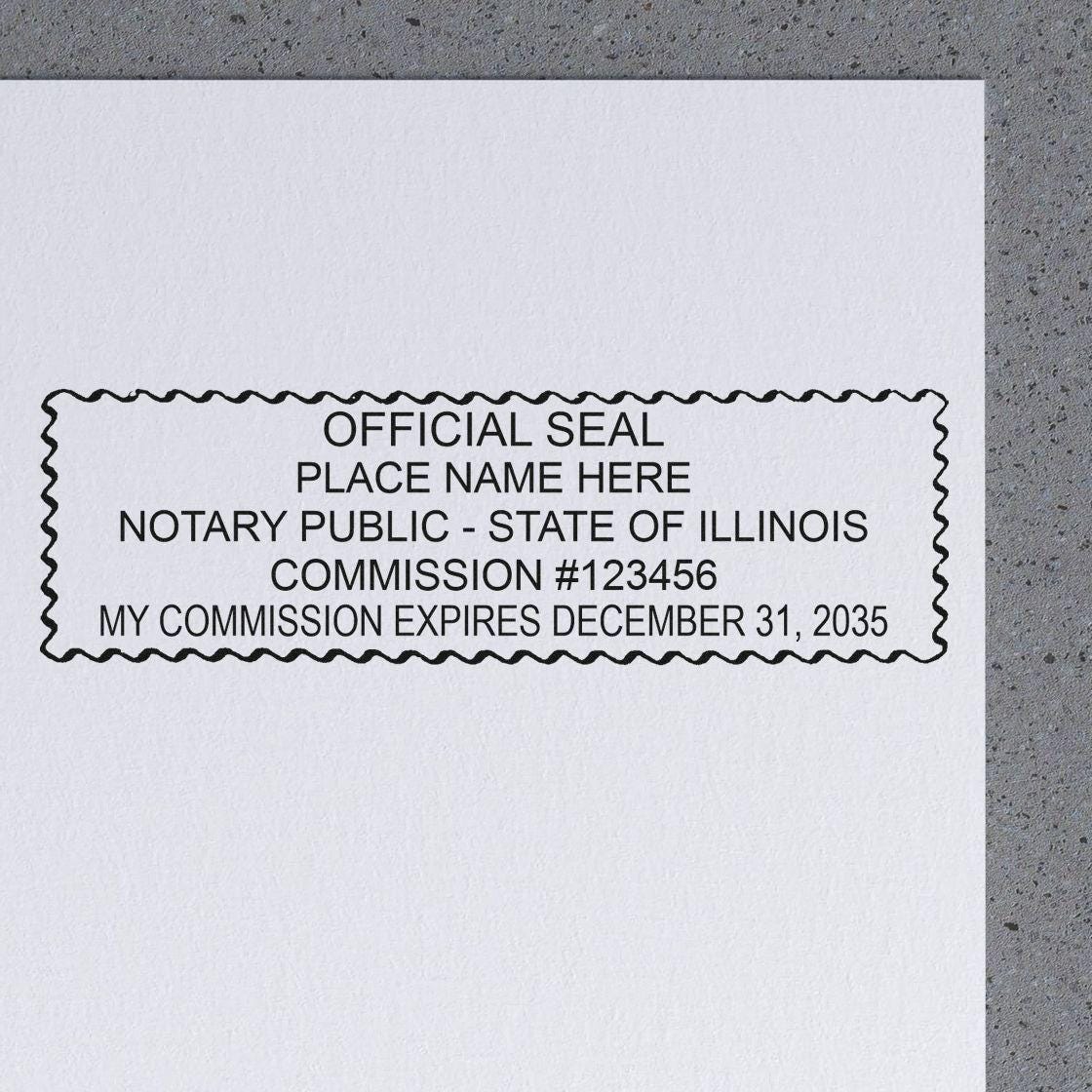
Illinois has specific guidelines regarding notarial seals, including the required wording and design features. Make sure the embosser you choose includes “Notary Public,” your name, the words “State of Illinois,” and any other mandated details.
- Ease Of Use
Some embossers have more ergonomic designs, making them comfortable to press and operate. If you know you will be stamping multiple documents in a day, think about how long you can comfortably press down without hand fatigue.
- Portability
If you travel frequently to meet clients, an embosser that fits neatly into a notary case or briefcase can be a huge plus. Look for a lightweight material or a compact model to simplify your work on the go.
- Durability
Embossers are typically constructed from metal or plastic. A sturdy metal embosser might resist wear and tear more effectively, especially if you provide regular notary services and stamp documents often.
- Impression Quality
A crisp, readable seal is vital. Some models have deeper embossing mechanisms that ensure clear, raised imprints. Test or read reviews to determine whether the embosser delivers a high-quality impression on paper. By keeping these considerations in mind, you can narrow your search and focus on a few models that best match your needs. Taking the time to evaluate each factor up front can help you avoid frustration or extra expenditure in the future.
Types Of Illinois Notary Embossers
Although all embossers may seem alike at first glance, there are a few differences in style and functionality. Understanding these distinctions will help you pinpoint what feels right for you.
Handheld Embosser
A handheld notary embosser is a small, compact tool you can grip easily. It typically features two handles that you press together to emboss the paper. This design makes it convenient to carry, as it often comes with a lock mechanism to keep it closed inside a protective case. While it may require a bit more hand pressure, handheld models are popular among mobile notaries or notaries who only need to emboss occasionally.
Desk Embosser
A desk embosser rests on a flat surface, allowing you to press down on an upper handle or lever. Because it uses the stability of a desktop, it generally requires less wrist strain while providing a crisp imprint. This is a suitable option if you work primarily from a single office location and process a high volume of notarizations. The heavier weight and stable base can also mean a more durable tool over time.
Long-Reach Embosser
If you deal with documents that often require a seal placed deeper into the page, a long-reach embosser may be your best bet. It features an extended reach, letting you place the seal further in from the page edge. This can look neater in certain formats, such as legal documents that include multiple stamps or more text near the edges. It can also be helpful if your clients frequently request an embosser mark on interior sections of the page.
Pocket Embosser
A pocket embosser is a more streamlined version of the handheld model. Slimmer and lighter, pocket embossers often come in a small case that easily fits in a bag or desk drawer. They can be beneficial if you notarize only a handful of documents per week. However, be mindful of impression depth. Some ultra-compact designs may produce shallower seals.
When And How To Use Your Embosser
You use your Illinois notary embosser as part of your official role to notarize documents. In general, you will add the seal right after you have confirmed the identity of the signer, witnessed their signature, and completed your notarial certificate. The raised impression provides a unique, tactile mark that can help safeguard the transaction.
- Position the embosser on a stable surface if you are using a desk model.
- For a handheld embosser, ensure a firm grip by placing your palm on one side and your fingers on the other.
- Align the document so that the notary certificate or designated notarial area is properly centered between the plates.
- Press the handles or lever smoothly until you feel the paper crimp and the seal is fully embossed.
- Double-check that the seal is clear and fully legible.
In some cases, you might also apply the seal on top of an inked notary stamp, depending on personal preference or your client’s request. This dual-seal approach can help if certain recipients prefer both a visible ink stamp and a raised imprint. Make sure everything remains within the guidelines set by Illinois law.
Managing Ink Vs. Crimp Seals
As an Illinois notary public, you have options regarding the type of official mark you can provide. The primary differences between ink seals and crimp seals come down to visibility and security.
- Ink Seal:
Easier to photograph or scan for record-keeping May fade in time if not properly stored Typically quicker to apply during high-volume notarizations
- Crimp Seal (Embosser):
Harder to forge due to its three-dimensional nature May not always show up clearly in photocopies or scans Creates a professional appearance that many signers appreciate You might choose to keep an ink stamp on hand for quick tasks, then use your Illinois notary embosser whenever you want extra formality or security. Some notaries even use both together for greater authenticity.
Comfort And Durability
Your comfort is key, especially if you notarize documents regularly. Repetitive motions can lead to wrist strain, which is why you should look for an embosser that feels good in your hand or works well on your desk.
- Metal construction often provides a sturdy, consistent impression.
- Plastic devices are generally lighter, but check that the handle design is comfortable for your grip.
- Try a sample press before buying, if possible, to gauge how much pressure is needed.
Durability is also a factor. You want your investment to last for years without wearing out too soon. If you plan to serve as a notary for the long haul, opting for a model made from durable materials might be worth the extra cost. Continuous usage can eventually dull or distort the seal, but a high-quality embosser is usually easy to maintain or recondition.
Where To Buy Your Illinois Notary Embosser
Finding a reliable provider for your notary embosser is just as important as selecting the design itself. You may encounter options at office supply stores, online marketplaces, or specialty stamp and notary shops. One leading choice for Illinois notary stamps and seals is Acorn Stamps.
Acorn Stamps is a top supplier of Illinois notary stamps and Illinois notary seals, known for stellar customer service and super-fast turnaround. Family owned and operated since 1964, they bring 60 years of service and expertise to notaries across the state. You can discuss your personal preferences with their support team to pinpoint the right embosser design and size. They also provide clear instructions and guidance on ensuring your embosser meets Illinois requirements.
When shopping online or in-store, always verify that the embosser you purchase includes the mandated notarial wording for Illinois, such as your official name and the words “Notary Public, State of Illinois.” If you are not certain which style meets state guidelines, do not hesitate to rely on a trusted provider for clarity.
Maintaining Your Embosser For Longevity
Just like any tool that sees regular use, your Illinois notary embosser will benefit from occasional maintenance. Taking good care of it helps prevent mechanical failures and ensures that your impression remains sharp.
- Clean The Plates
Dust or tiny bits of paper can accumulate in the crimping area. A quick wipe with a soft cloth or a gentle brush can keep your embosser clear of debris.
- Inspect For Wear
Plastic handles can crack over time, and metal parts can warp if accidentally dropped. If you notice changes in the handle alignment or the clarity of the embossed letters, it could be time for repairs or replacement parts.
- Store It Safely
Keep your embosser locked closed when not in use, especially if children or unauthorized individuals have access to your workspace. If it includes a protective case, store it inside to prevent accidental damage.
- Test Periodically
Before notarizing official documents, it is good practice to emboss a blank piece of paper. This ensures your seal is still crisp and helps you catch any alignment issues before stamping an important record.
- Adjust The Pressure
Some embossers have adjustable tension or pressure settings. If your impression starts to look faint or too deep, see if you can adjust the settings based on the manufacturer’s guidelines. By consistently checking your notary embosser’s performance, you will have peace of mind that every new impression meets the highest standards of clarity and professionalism.
Frequently Asked Questions
How Do I Know If My Illinois Notary Embosser Is Legal?
You will need to confirm that your embosser includes the correct wording, such as your commissioned name, “Notary Public,” and “State of Illinois.” You should also check that all text is spelled accurately and aligns with state guidelines. If you need help, contact an official notary reference or ask a reputable provider like Acorn Stamps to verify compliance.
Can I Use Both An Ink Seal And An Embosser On The Same Document?
Yes, you may apply both if you prefer. Many Illinois notaries find that an ink seal is quicker to photocopy, while the raised imprint from an embosser offers added security and authenticity. Using both together can be beneficial for documents that might require extra verification.
Does It Matter Where On The Document I Place The Embosser?
It can depend on the layout of the document. You will typically place it near your notarial certificate or signature line in a clear area with adequate space. If a client requests a specific location, make sure it still aligns with state notary rules. A long-reach embosser can help if you need to position the seal far from the edge.
How Long Does An Illinois Notary Embosser Usually Last?
With proper care and moderate use, a quality embosser can last several years. Metal embossers generally have a longer lifespan compared to cheaper plastic ones. Regular cleaning, safe storage, and prompt repairs all help extend its longevity.
Where Can I Get A Replacement Insert Or Update My Name On The Embosser?
In many cases, you will be able to order a replacement embossing plate or name insert through the original manufacturer or supplier. If you changed your name, gained a new commission, or updated your information, consult a trusted supplier, such as Acorn Stamps, to ensure the replacement insert meets Illinois laws and keeps your embosser functioning well.
By now, you know the crucial elements of choosing the right Illinois notary embosser, from exploring different styles to ensuring you meet every legal requirement. Whether you prefer a handheld model or a desk-based device, the important thing is that your seal remains snug in your hand and crisp on the page. With a dependable approach to maintenance and a reputable supplier to guide you, your embossing tool will serve you for years to come.