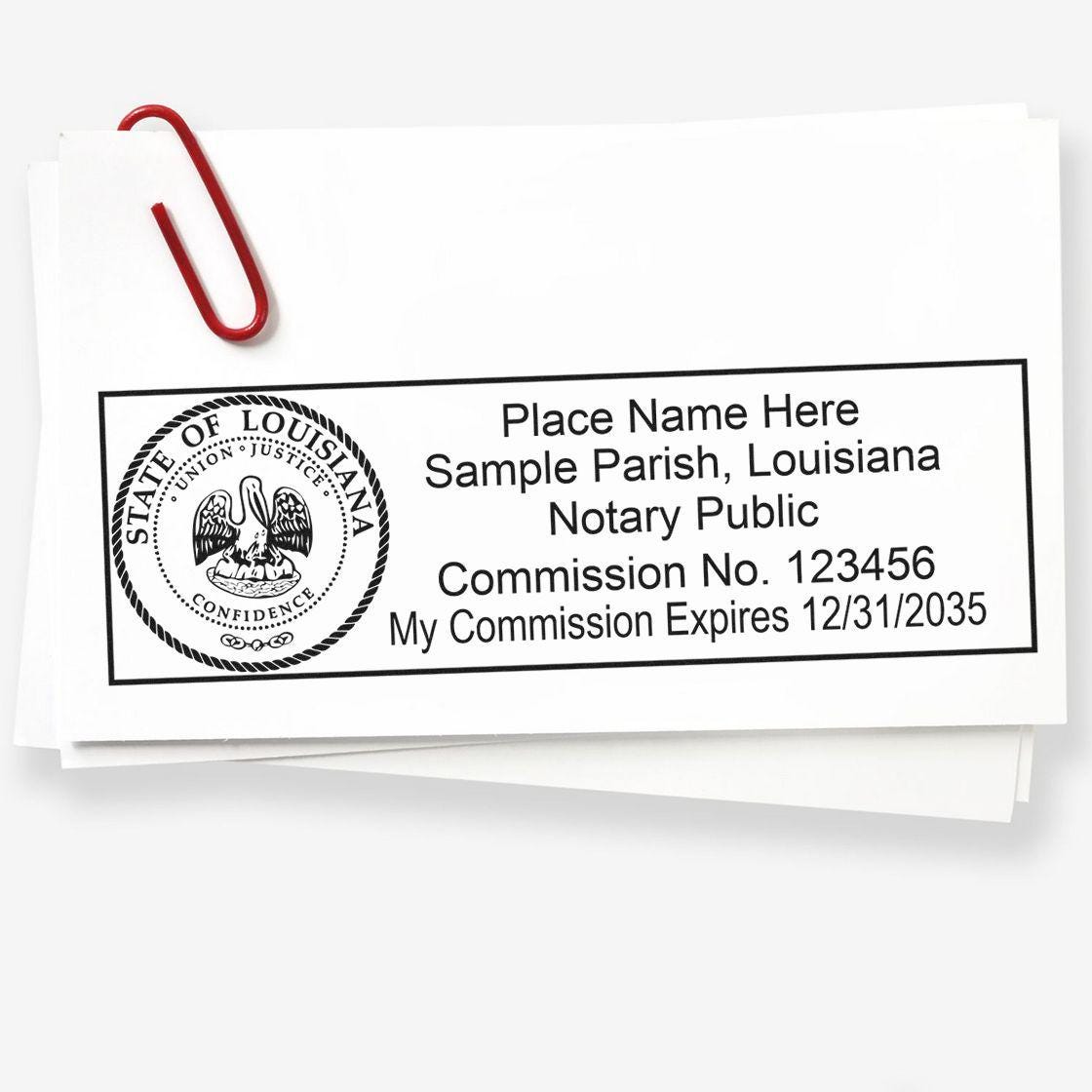
You rely on your Louisiana notary stamp to give your documents official weight—after all, it’s one of the most important tools in your notarial toolkit. Whether you’re starting your notary career or you’ve been commissioned for years, understanding the ins and outs of obtaining, maintaining, and using your Louisiana notary stamp ensures you meet state requirements while projecting a professional image. By paying attention to design, legal guidelines, and best practices, you’ll keep your commission in good standing and provide clients with the reliable service they expect.Below, you’ll find everything you need to know about the Louisiana notary stamp. You’ll learn why it’s essential, the types of stamps available, how to maintain them properly, and the key factors to look for when buying. You’ll even discover the benefits of purchasing from a trusted family-owned provider like Acorn Stamps, which has served notaries for decades. By the time you finish reading, you’ll feel confident in your ability to choose the right tools, follow Louisiana regulations, and represent your clients with professionalism.
Discover Louisiana Notary Stamp Essentials
A notary stamp is more than just ink—it’s the official marker of your authority in Louisiana. Using a proper stamp quickly affirms your status and adds credibility to the documents you notarize. Louisiana, like every state, has specific requirements for the design, content, and usage of your notarial seal. By keeping these necessities top of mind, you’ll avoid potential missteps that can invalidate your notarial acts.
Why You Need a Stamp
Even though some states allow a notary’s signature and seal to appear in other ways, Louisiana specifically dictates the elements that verify your commission. Here’s why you need a dedicated Louisiana notary stamp:
- It authenticates your notarizations. Your clients see you as a dependable professional, and your stamp conveys trust.
- It complies with Louisiana law requiring a clear and legible seal that includes your name, commission number, and—when applicable—your expiration date.
- It helps avoid confusion about who performed the notarization and confirms you’re authorized to act as a notary in the state.
Compliance With State Regulations
Louisiana has distinct laws that govern how your stamp looks and how you use it. You’re required to include:
- Your full name exactly as it appears on your commission.
- Your commission or identification number (if one is required by the state).
- The words “Notary Public” and “State of Louisiana” if applicable.
It’s wise to stay informed about updates to Louisiana’s notary laws. Regulations may change over time, and ignoring them can lead to documentation issues or even disciplinary measures. Keep an eye on official state resources, so you’ll always be ready to adjust your stamp if needed.
How Commissions Are Verified
Many notaries wonder how clients, businesses, and government agencies verify a notarial act. In Louisiana, the stamp makes it easy for anyone to trace documents back to your commission. If a piece of paperwork is questioned, the stamped seal paired with your signature serves as proof that you carried out the notarization. In turn, officials can quickly confirm you’re in good standing. A clear, properly formatted stamp supports your professional reputation and helps ensure speedier validation of notarized materials.
Explore Stamp and Seal Options
Once you understand the requirements, it’s time to choose the right type of Louisiana notary stamp or seal. Your selection often depends on your workflow, personal preferences, and aesthetic sensibilities. Here are a few of the most common formats available to Louisiana notaries.
Self-Inking vs. Pre-Inked Stamps
Not all notary stamps are created equal. You’ll generally find two main options:
- Self-Inking Stamp: This design uses a built-in ink pad that re-inks the die each time you press down. It’s convenient and usually lasts thousands of impressions before you need a refill or replacement ink pad.
- Pre-Inked Stamp: This style has the ink contained within the stamp itself. The imprint is usually crisp and can produce thousands of consistent impressions before running dry. Pre-inked models can be slightly pricier but may offer more precise detail.
Both types offer portability and speed, so choosing between them often comes down to personal preference. Testing or viewing samples can help you decide which best fits your workflow.
Metal vs. Plastic Body
In addition to the inking style, you’ll notice differences in the physical casing:
- Metal Body: Usually built with sturdier construction. Choose metal if you expect frequent use or want a stamp that endures heavy daily wear and tear.
- Plastic Body: Lighter and generally less expensive, these are great if you prefer something portable and easy to tote around.
When deciding, think about how often you’ll stamp documents and in what environment. If you constantly move between offices or attend countless off-site notarizations, you may favor a lightweight plastic body. If you work primarily from a desk and stamp hundreds of documents a week, a durable metal model might serve you better in the long run.
Embossers and Traditional Seals
Although stamps are the most common choice, some Louisiana notaries also use embossers—crimped impressions that physically press your notary details into the paper. You can use an embosser alongside your inked stamp for a more distinguished, professional look. Keep in mind that an embosser alone can be challenging to photocopy or scan, so most notaries combine it with an inked stamp to ensure clarity in digital files. If you opt for an embosser, confirm that it meets Louisiana’s size and content rules.
Maintain Your Notary Stamp Properly
Owning a Louisiana notary stamp isn’t a set-it-and-forget-it scenario. You need to care for your stamp to prevent ink blotches, fading, or smudged details that compromise the validity of your seals. Taking a few routine steps to store, clean, and replenish ink keeps your stamp in excellent shape for every notarization session.
Store Your Stamp Safely
Possessing a stamp that includes your name and license details means you must treat it like an official document. Unauthorized use of your notary stamp puts you at risk and compromises your clients’ transactions. A few simple guidelines:
- Keep it in a locked drawer or cabinet when not in use.
- Avoid leaving it in your car or bag where it can get lost or stolen.
- Track who has access—if you share an office, see that your colleagues understand its importance.
Additionally, you might want to purchase a sturdy cover or case to protect the stamping surface. This small investment preserves the die and helps prevent accidental ink spills.
Replenish and Clean as Needed
An easy way to ensure crisp, legible stamp impressions is regular maintenance:
- Refill or replace ink pads: While self-inking and pre-inked stamps can last a long time, they eventually need fresh ink or new ink pads. Also, check ink levels if you notice uneven or faint impressions.
- Clean the die: If you notice smudged details, gently wipe off dust or dried ink with a soft cloth or cotton swab.
- Avoid harsh chemicals: Most household cleaners are too strong and can break down your stamping rubber or plastic. If needed, use a mild soap and water, then thoroughly dry.
By establishing a routine schedule—maybe a quick check each month—you’ll preserve the clarity of your stamp and reduce the likelihood of mid-appointment embarrassment if your ink runs dry.
Choose Acorn Stamps for Quality
When it’s time to purchase or replace your Louisiana notary stamp, you want a supplier that knows the business inside and out. That’s where Acorn Stamps enters the picture. Family owned and operated since 1964, Acorn Stamps has spent the past 60 years supporting professionals like you with reliable, high-quality notary supplies.
Why Pick a Trusted Provider
Your stamp is central to your job—so trusting a knowledgeable company saves you time and stress. Acorn Stamps offers:
- Expert Guidance: With decades of experience, they understand Louisiana’s notary requirements and design stamps that meet them flawlessly.
- Stellar Customer Service: Have a question about your design or processing times? Acorn Stamps prides itself on responsiveness, ensuring you always feel supported.
- Fast Turnaround: You can count on quick shipping and minimal downtime if you need to replace a worn-out stamp or order multiple stamps for a growing notary business.
- Customization: If you want to add unique text or design flourishes while staying compliant, a reputable provider will help tailor a stamp or embosser to your specifics.
Supporting a Family-Owned Legacy
Acorn Stamps isn’t a faceless online retailer—you’re working with a family-owned company that values relationships. Over six decades, they've earned their customers’ loyalty by focusing on quality materials, honest guidance, and friendly interaction. They believe each notary is more than just an order number. By supporting them, you also back a tradition of craftsmanship that spans several generations.
Ordering With Confidence
Whether you’re in the market for a new stamp, a replacement ink pad, or an official embosser, Acorn Stamps has your notary needs covered. Their website makes it easy to browse designs, check product specifications, and finalize the formula for your seal. You can shop knowing that your order will be handled by specialists who genuinely care about your professional success.
Frequently Asked Questions
Below are five common questions about Louisiana notary stamps to help clarify lingering uncertainties.
What Does My Stamp Need to Include?
You must ensure your stamp includes your full name exactly as it appears on your notary commission. Louisiana law may also require you to include a commission number or ID, often accompanied by “Notary Public” and “State of Louisiana.” Check with your local parish or the Secretary of State’s office for any additional elements that might be necessary.
Can I Use an Embosser Instead of a Stamp?
While an embosser can add a professional touch, Louisiana typically expects an inked stamp to ensure clarity on documents and photocopies. You can certainly use an embosser for a decorative or supplementary seal, but most official documents require a clear, readable impression that a stamped seal always provides.
When Do I Have to Replace My Stamp?
You should replace your stamp if it no longer produces a crisp, legible impression, if it’s damaged, or if your personal or commission details have changed. If a renewal or variation occurs in your commission info—such as an updated name—order a new stamp right away to avoid confusion or invalid notarizations.
Are There Specific Colors I Must Use?
Louisiana regulations don’t always specify a single required ink color, but they do require the impression to be clear and discernible. Most notaries choose traditional black ink for its sharp contrast on standard documents. Red or blue may be used in some scenarios, though it’s best to discuss with clients or relevant agencies if you consider switching.
Where Can I Buy a Louisiana Notary Stamp?
You have plenty of options, but it pays to go with a supplier that has a proven track record and deep knowledge of state regulations. Acorn Stamps is a family-owned business with 60 years of service, offering stellar customer care, super fast turnaround, and top-quality products precisely tailored to your needs. By choosing a reputable vendor like Acorn Stamps, you can guarantee the stamp meets (or exceeds) Louisiana’s legal standards.
In the end, your Louisiana notary stamp is a cornerstone of your professional identity. Treat it with care, choose a supplier you trust, and stay on top of your state’s evolving guidelines. That way, you can stay focused on serving your clients confidently and efficiently. With thoughtful planning and attention to detail, you’ll have a smooth-running notarial practice built to last. Remember to seek guidance when needed, maintain your stamping tools, and let your clients see you as a reliable partner in authenticating their most important documents.