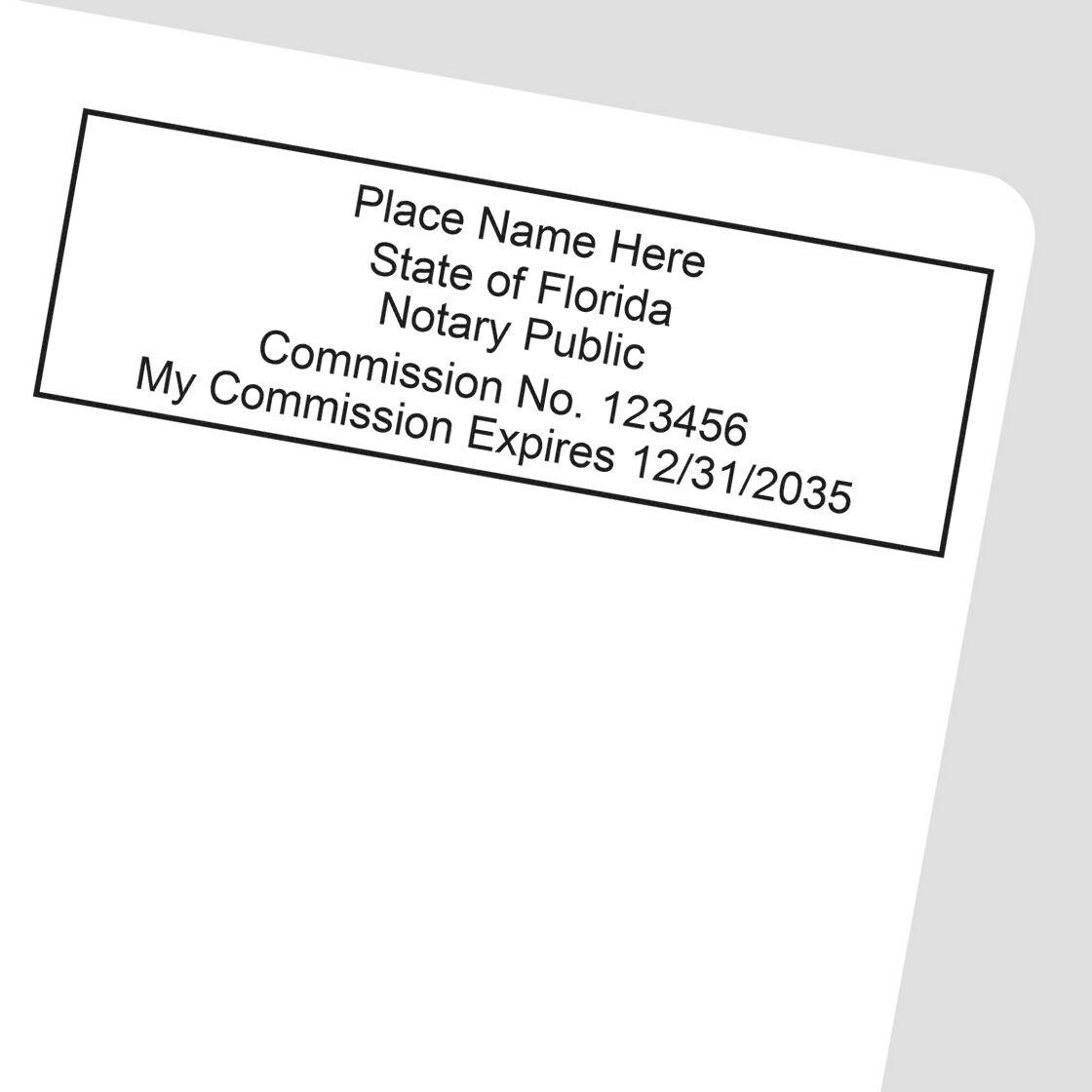
If you are a Florida Notary Public, choosing the right FL notary seal is one of the most important decisions you will make. Because your seal serves as a clear mark of authenticity on official documents, you want to ensure that every detail—from the impression it leaves to how easy it is to use—matches your needs. Below, you will find tips on what to look for when selecting a Florida notary seal, from state requirements and design preferences to long-term maintenance. By understanding the essentials, you can feel confident that you are making an informed and reliable choice.
Understand The Seal’s Purpose
Your seal is central to performing your duties as a Florida Notary Public. You use it to validate official documents such as affidavits, acknowledgments, power of attorney paperwork, and more. This stamp or embosser physically imprints your notarial commission details, helping recipients confirm the document’s authenticity.
Notaries in Florida are required to include certain information on their stamps or seals. This includes your name, which should match what appears on your notary commission certificate, your commission number, and your commission’s expiration date. A properly executed seal ensures the document is viewed as legally notarized and serves as a protection measure against fraud. Beyond these basic regulatory requirements, the look and feel of your seal also matter. It should leave a clean, legible impression that stands out on a wide range of paper types. Some Florida notaries also appreciate designs that subtly reflect their personal style, though the layout must still adhere to Florida law.
A high-quality FL notary seal further communicates professionalism. When your seal impression looks sharp on every page, clients and colleagues will recognize your thoroughness and attention to detail. Whether you choose a stamp or an embosser, think of it as a modest but meaningful investment in your notarial career.
Choose The Right Type
When you begin shopping for a FL notary seal, you will notice multiple types on the market. Each style has its own strengths, so it is helpful to consider your workflow and how you typically use your seal.
Pre-Inked Stamps
Pre-inked stamps use an ink reservoir built directly into the stamp’s die. They deliver crisp, high-definition impressions, often producing the most detailed markings possible. Because the ink is part of the stamp itself, you will not need a separate ink pad. The design is typically compact, which makes a pre-inked stamp easier to store and carry in your notary bag or briefcase.
- Pros: Sharp impressions, low maintenance, convenient.
- Cons: Higher cost initially, might need re-inking once the reservoir depletes.
Self-Inking Stamps
Self-inking stamps store ink in an interior pad that flips against the die when pressed. They are known for speed—after each impression, the stamp reloads itself. If you often find yourself notarizing multiple documents in quick succession, this might be the most efficient option.
- Pros: Fast, straightforward stamping, easy re-inking.
- Cons: Imprints may be less crisp over time compared to pre-inked stamps.
Embossers
An embosser creates a raised, three-dimensional seal impression. It can be a classic choice, and some signers perceive it as more formal or elegant. However, an embosser may be less visible on copies or scans of a document. If you wish to emphasize tradition, or your notary business includes many formal certificates, an embosser can be a good choice.
- Pros: Professional, traditional appearance.
- Cons: Harder to see on photocopies, can require more hand strength.
To make your decision, think about factors like volume of work, the environment where you notarize, and how critical clarity is on scanned documents. Pre-inked and self-inking stamps often work best if you regularly handle large volumes of paperwork. An embosser may be suitable when ceremony and visual gravitas matter most. Ultimately, selecting the style that fits your everyday routine will make your tasks smoother and more professional.
Check Florida Requirements
Florida law carefully outlines the requirements for your FL notary seal. While there is some flexibility in design, you will need to display key pieces of information, such as:
- The words “Notary Public-State of Florida.”
- Your exact name, matching the spelling on your notary commission.
- Your commission number.
- Your commission expiration date.
Size and shape also follow certain rules. Florida commonly uses a rectangular stamp or a round seal that does not exceed a certain diameter. Using a seal that is too large may cause legal and aesthetic issues, so be sure to check current guidelines from the Florida Department of State before finalizing your choice. Florida also specifies that your seal must be capable of making a clear, legible impression. Since the seal text includes critical details, any smudging or unclear print could result in document rejections. For this reason, look for stamp or embosser options boasting a high-resolution design, ensuring the letters and numbers appear crisp every time. Because these regulations can change, you should stay current on any updates from the state. If you need further clarification, you can consult Florida’s notary statutes or contact the appropriate office handling notary public commissions. By following state guidelines exactly, you will avoid unnecessary headaches and guarantee that your notarial acts are recognized as valid.
Assess Quality And Build
When you are on a quest for the ideal FL notary seal, quality matters. You want a durable product capable of surviving regular use, especially if you expect frequent notarizing. Look beyond the initial purchase price and consider how the materials, construction, and warranty will impact the seal’s lifespan.
- Housing Material: Stamps typically come in plastic or metal cases. Sturdy plastic can be lightweight and easy to store. Metal cases often cost more but can handle heavier usage.
- Quality Of Lock Mechanisms: Self-inking or pre-inked stamps feature moving parts that line up the die with the ink pad. Make sure these mechanisms are well-designed to prevent unwanted blurriness or partial impressions.
- Comfortable Grip: You might be notarizing thicker stacks of documents, so you want a comfortable handle that will not strain your hand. This is particularly vital for embossers, which you need to squeeze.
- Re-Inking Or Ink Pad Replacement: Check how simple it is to re-ink your seal. A user-friendly process saves you both time and frustration.
You can also look for product reviews from other notaries to get honest opinions on reliability. Peer recommendations can help you gauge whether the brand or specific model stands up over time. While every stamp or embosser will eventually experience wear and tear, a well-built seal used with the right maintenance can last your entire commission term and beyond.
Personalize Your Seal
Though Florida regulations do not leave room for much creative flair, there is still some opportunity to personalize your FL notary seal. Within the basic structure, you can sometimes choose from different fonts, borders, or standardized design elements that match your personal aesthetic, as long as you comply with the state’s requirements. Personalizing your seal can be a small but significant way to set yourself apart. If you specialize in certain document types, or if you have a distinct brand you bring to your notarial services, a professional-looking seal design can reinforce that brand identity. Here are a few ways you might fine-tune your seal:
- Choose Between Round Or Rectangular Shapes: Round seals often look traditional, while rectangular ones can appear more contemporary or straightforward.
- Select A Stylish (But Legible) Font: If you opt for a custom font, make sure it meets legal size standards and remains easy to read.
- Decide On Embossment Depth: Some embossers allow you to adjust pressure, so you can decide how pronounced you want the raised impression to be.
Regardless of how you personalize, always remember that clarity should trump style. Without a clearly visible name, commission number, and expiration date, you risk invalidating your work.
Pick A Trusted Supplier
Not all notary seal suppliers are created equal. It is smart to pick a company with a proven track record of delivering high-quality products on time. One such trusted provider is Acorn Stamps. Family-owned and operated since 1964, Acorn Stamps has spent over 60 years perfecting the craft of Florida notary stamps and seals. They combine stellar customer service with super fast turnaround, so you can get your seal quickly and begin or continue your notarial duties without delay. When selecting a supplier, pay attention to:
- Reputation: Look into reviews or ask other notaries about their experiences.
- Customization Options: Ensure you can meet all Florida requirements, including your commissioned name, number, and expiration date.
- Customer Support: You want a supplier who can walk you through the ordering process and offer guidance if you have any questions about design or compliance.
- Delivery Time: Delays in getting your seal can slow down your practice, so it’s beneficial to work with a company known for prompt shipping.
Working with a reputable supplier like Acorn Stamps means you can rely on a higher standard of craftsmanship. Their extensive experience also gives them deeper insights into your particular notary needs, such as the proper layout to adhere to Florida’s regulations. Rather than searching high and low for answers, you can simply ask or check the resources your supplier provides.
Consider Price And Value
While cost may be a primary concern, it is equally important to think about long-term value. A discount seal might look appealing at first, but if it wears out within months, you will have to spend more money—plus the inconvenience of reordering. In general, moderately priced stamps and embossers from reputable companies are your best bet.Look at each potential option holistically:
- Initial Purchase Price: Compare products of a similar type and quality.
- Materials And Construction: High-grade materials can extend the life of your seal.
- Ongoing Maintenance: How often will you need to re-ink your stamp or replace parts?
- Customer Support And Warranties: A good warranty can spare you from unexpected costs down the line.
A well-built FL notary seal can serve you throughout your entire commission term, saving you from having to reorder. Also, if you think you will be notarizing documents heavily, consider investing in a top-tier stamp or embosser. The smoother operation, crisp impressions, and longer durability are often worth the higher initial outlay. Simply put, a bargain is not really a bargain if it forces you to replace your seal too soon.
Care For Your Seal
Taking care of your FL notary seal goes a long way in preserving both the quality of your impression and the lifespan of the device. Stamps and embossers are relatively simple, but a little day-to-day attention keeps them functioning at peak performance.
- Keep It Clean: Dust can interfere with the stamping mechanism or embossing plates. Wipe down your seal regularly with a soft, dry cloth.
- Store Properly: If you are using a self-inking or pre-inked stamp, make sure the protective cover or lock is engaged to prevent accidental impressions and ink drying out.
- Re-Ink Routinely: Stamps become faded or patchy over time. Follow the
manufacturer’s instructions to refill the ink reservoir or replace the ink pad at the first sign of discoloration.
- Protect The Embosser’s Plate: If you use an embosser, avoid squeezing it without a document in place. This can wear down the die prematurely or create uneven impressions.
- Watch For Damage: If you notice misalignment in the text or a cracked handle, address it immediately.
- Replace Before It Expires: After you renew your notary commission, you will need a new seal with updated expiration information. Plan ahead so there is no gap in your ability to perform notarial acts.
Caring for your seal not only helps reduce costs down the road, it also ensures that every document you sign and seal is valid. Proper maintenance avoids any last-minute surprises, like a dry or broken stamp when you are on a tight deadline.
FL Notary Seal FAQs
Below are five frequently asked questions that many Florida notaries have about selecting, using, and caring for their seal. If you are new to the notary profession or simply want a refresher, these answers can help you feel more confident in your decisions.
Do I Need To Order A Specific Size Of Seal In Florida?
Yes. Florida dictates certain size limitations for the seal, usually around 1 inch by 2 1/4 inches if rectangular, or 1 3/4 inches if round. Always confirm the current guidelines with the Florida Department of State to ensure compliance.
Can I Use A Decorative Border On My Seal?
You can incorporate decorative borders only if they do not obscure the essential text. The seal must still be clear and legible, including your name, commission number, and expiration date. When in doubt, choose a simple, clean design.
What Happens If My Stamp Runs Out Of Ink During A Notarization?
You should always verify the clarity of each impression you make. If it starts looking faint, pause and re-ink or swap out your ink pad before continuing. An unclear or partial impression may invalidate the notarization.
How Soon Should I Replace My Seal After Renewing My Commission?
You should replace your seal as soon as your updated commission is confirmed. Your seal must reflect your current commission information. Even overlapping a few weeks is not recommended—using an expired seal can lead to confusion or legal issues.
Is It Legal To Have More Than One FL Notary Seal?
Yes, provided both seals contain your correct information. Some notaries keep a spare in case of damage or misplacement. However, each must include your valid commission details and must meet Florida legal requirements. When armed with the right knowledge and tools, selecting the ideal FL notary seal can be a straightforward process rather than a confusing chore. From the moment you confirm your commission details to the day you use your seal on an important document, it pays to invest in reliability and clarity. With trusted providers like Acorn Stamps—family-owned since 1964 and committed to super fast turnaround—you will have both the product quality and expert support you need. By keeping your seal in great shape and always following Florida’s notary guidelines, you can continue serving as a vital resource for your clients, making every document you handle fully valid and professionally executed.