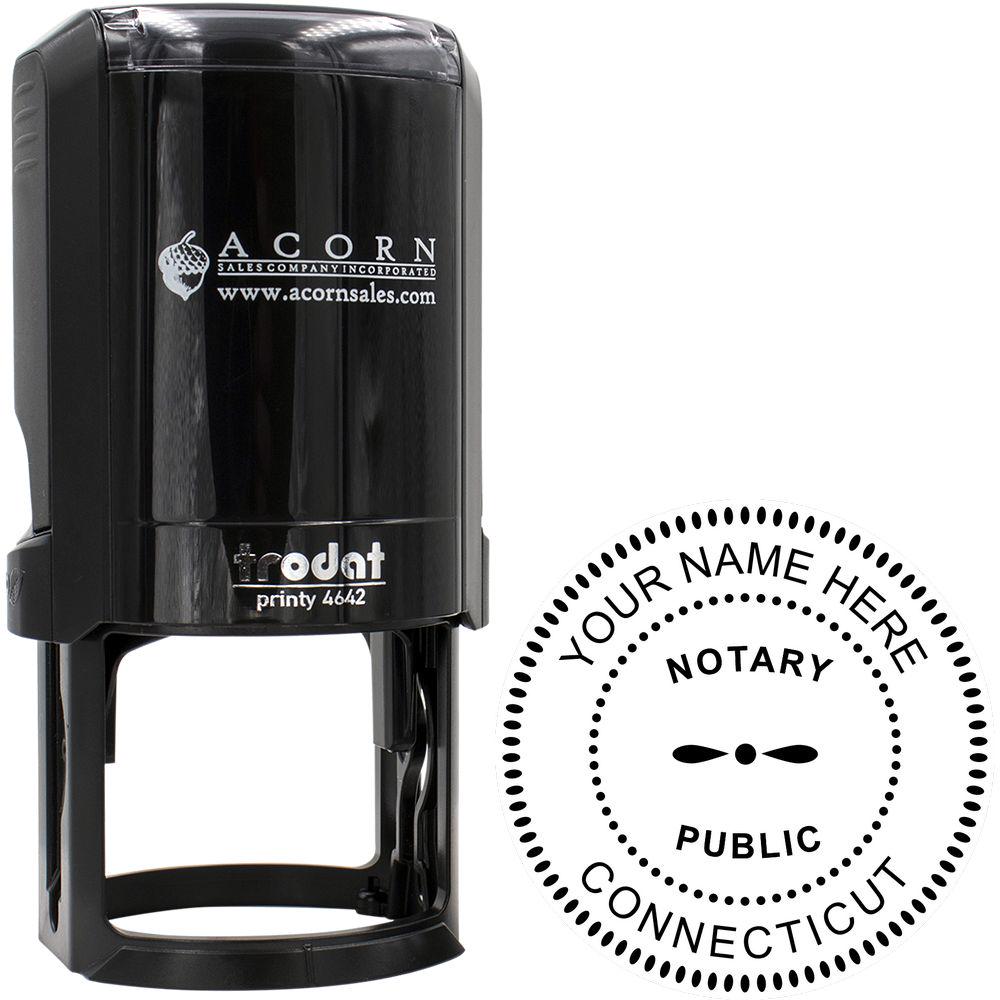
You know that the quality and dependability of your Connecticut notary stamp and seal directly impact the integrity of every document you notarize. More than just a formal mark, your stamp and seal signify the credibility of your notarized paperwork in the eyes of lenders, courts, and clients. When your tools leave a professional impression, the people who rely on you to authenticate crucial agreements can feel at ease. Below, you will learn why having a reliable set of notary tools matters, how to select the best option, and what steps you can take to keep them in peak condition.
Recognize Why Reliable Notary Tools Matter
Your notary stamp and seal play a vital role in your day-to-day responsibilities. From executing acknowledgments to verifying signatures, you rely on consistent performance to protect your clients, yourself, and the documents you notarize.
What Your Connecticut Notary Stamp And Seal Represent
When you affix your stamp and seal to an important document, you provide a tangible indication of legal standing. The impression of your notary tools shows that you are commissioned by the state, adding weight to the transaction. A crisp, clear stamp confirms the date, your official name, and your commission status, while a high-quality seal lends an official flair that makes your documents immediately recognizable. In essence, each mark you make connects your commitment as a Connecticut notary to your clients’ peace of mind.Beyond visual clarity, a reliable stamp and seal minimize the chance of errors or smudged imprints. If your stamp is difficult to read, or if ink fades prematurely, third parties might question your credibility. A well-designed stamp that leaves precise impressions ensures your work stands up to scrutiny, even years down the line.
Your Essential Duties As A Connecticut Notary Public
Part of being a notary public in Connecticut involves staying current with the state’s guidelines and following proper procedures. Each time you notarize a document, you must:
- Verify the signer’s identity using valid identification.
- Ensure the signer is fully aware of the document’s contents and is signing willingly.
- Enter the notarization in your official journal, if required by local regulations.
Your stamp and seal act as the finishing touches on this process. Without reliable tools, even the most diligent notary could face challenges if their mark fails to meet official standards or if it exudes unprofessional quality. This is why your Connecticut notary stamp and seal need to be dependable every single time.
Understand Connecticut Notary Requirements
As a Connecticut notary, you already appreciate how your commission is bound by state-specific rules. To maintain compliance, you should fully understand the regulations regarding your notary stamp and seal design, where to place the seal on documents, and how to keep your commission in good standing.
Meeting The Legal Mandates
The state lays out guidelines for notaries, including what elements your seal can display. You need to include your name, the words “Notary Public,” and the words “My Commission Expires” with an expiration date. While some aspects of your stamp may be optional—such as decorative borders or additional text—these basic components must be consistent with Connecticut’s mandates.It is also crucial to ensure you use the correct stamp size. Oversized seals can crowd or overlap critical document information, while undersized stamps risk being overlooked. Both scenarios can lead to official rejections or force you to redo the notarization, which is time-consuming and could reflect poorly on your professionalism.
Consequences Of Using An Improper Stamp Or Seal
If your notary stamp and seal do not comply with state standards, you could face fines or a suspension of your notary commission. Furthermore, documents notarized with improper tools may be deemed invalid, inconveniencing clients and potentially costing them money. This is why it is essential to pick tools from a retailer that thoroughly understands Connecticut’s legal guidelines.Using a seal that is easy to counterfeit or replicate can open the door to fraud. Keeping your stamp and seal up to date ensures that your work is consistently honored by banks, courts, and other institutions that depend on accurate, lawful notarization.
Select The Right Stamp And Seal
Whether you are renewing your commission or becoming a notary for the first time, choosing a high-quality Connecticut notary stamp and seal should never be an afterthought. With so many providers out there, your goal is to pick a supplier that delivers on clarity, durability, and state compliance.
How To Compare Different Providers
When you shop around, look for a supplier with extensive experience in notary supplies. A seasoned provider will have in-depth knowledge of state-specific requirements. For Connecticut, they can incorporate the mandatory text and layout without sacrificing a clean design.
- Read Reviews And Testimonials: Honest feedback from fellow Connecticut notaries offers priceless insight. Look for clues about the stamp’s lifespan, clarity, and reliability.
- Check For Guarantees: A reputable supplier will stand behind their product, often providing a warranty or free replacement if the stamp malfunctions.
- Inspect The Options: Some providers offer self-inking stamps, pre-inked models, or traditional hand stamps. Decide which format best suits your preferences and workload.
Why Trust Acorn Stamps
Acorn Stamps has served notary professionals for 60 years, since 1964. As a Family Owned and Operated company, they understand how essential a reliable stamp and seal are for your Connecticut notary responsibilities. When you purchase from Acorn Stamps, you benefit from:
- State-Specific Knowledge: Acorn Stamps ensures your Connecticut notary stamp and seal adhere to every required detail.
- Stellar Customer Service: If you have any questions or need recommendations, the team gives you expert support fast.
- Super Fast Turnaround: You can expect speedy shipping and swift delivery, perfect for last-minute renewals or commission changes.
- High-Quality Products: Their stamps leave crisp, clean imprints that remain legible for the duration of your commission.
Whether you are replacing worn-out tools or setting up your first commission, you can rely on Acorn Stamps to handle your order promptly and accurately.
Maintain Your Notary Stamp And Seal
Reliability does not end when you receive your Connecticut notary stamp and seal in the mail. Proper care ensures your tools produce consistent results. By spending a little time cleaning, storing, and testing, you can add months or even years to their longevity.
Storage And Cleaning Tips
Make sure to keep your stamp and seal in a protective case or pouch when not in use. This helps shield them from dust, moisture, and direct sunlight. For self-inking stamps, a piece of lint or debris can interfere with the ink pad, so wipe the handle area gently with a soft cloth if it accumulates dust.If your seal is a metal embosser, store it in a dry area to prevent rust. Occasionally wipe down the embossing plates with a clean, slightly damp cloth, then dry thoroughly. Proper maintenance also includes:
- Periodically re-inking your stamp pads.
- Checking the imprint on a piece of scrap paper every few days if you notarize often.
- Ensuring the hinge or lever on an embosser is tight and operates smoothly.
Replacing Worn Or Damaged Supplies
Eventually, even the highest-quality stamp or seal will wear down from frequent use. Monitoring the crispness of your impressions helps you catch potential issues early. If the imprint is faint, partial, or has missing text, replacing the ink or upgrading to a new stamp can save you from embarrassing rejections.When the raised seal on an embosser is not as sharp, you may need to invest in new plates. If you have an older style seal and suspect it might not meet current regulations, consult a certified supplier like Acorn Stamps for an upgrade. By investing in the upkeep of your notary tools, you safeguard the legitimacy of every notarization you perform.
Stay Up To Date With Renewals
Your Connecticut notary commission has an expiration date, and ensuring your stamp and seal match your active commission timeline is essential. If your commission expires, you must renew it before continuing to notarize documents; otherwise, you risk penalties and invalidating your notarizations.
Handle Commission Updates Promptly
Months before your official date expires, keep an eye out for instructions to renew. You will typically need to submit an application, provide a current signature, and pay a renewal fee. Confirm that the name and information on your notary stamp and seal match your new commission details, such as any name changes or updated addresses. If you let your commission lapse, the extra steps to reinstate it can be time-consuming and costly.
Documenting Changes
You may have changes in your legal name or professional details during the course of your notary career. If so, request a new stamp and seal reflecting your updated information. Always check state guidelines for the correct procedure to follow in these situations. Notifying clients or employers about any changes is also a smart move so that you avoid confusion about your notary status.
Follow Best Practices And Tips
Developing a reliable workflow ensures each notarization is seamless for you and your clients. Incorporating a few extra steps into your routine can help you feel confident about every document you touch.Confirm Identification ThoroughlyBefore you stamp, double-check the signer’s ID. Mistakes happen, so verifying details like name spellings prevents slip-ups that might compromise the validity of your notarial act.Keep A Notary JournalWhile Connecticut does not universally require notaries to maintain a journal, having one adds protection. A well-kept journal helps you recall details if any question arises in the future. Consistently record the nature of the document, the signer’s ID type, and the date.Choose Legible Ink ColorsBlue or black ink is standard. Always use an ink color that stands out if documents are scanned or copied. Avoid fancy colors that might confuse recipients or fail to copy clearly.Place Your Stamp ProperlyEnsure that your stamp does not overlap text, signatures, or critical sections. If you are working with an embossed seal, position it so that it does not obscure or tear paper with significant writing.Educate Yourself ContinuallyLaws and regulations can change, so staying updated helps you remain compliant. Check official resources periodically for news or updates related to notary guidelines in Connecticut.
Address Common FAQs
A clear understanding of how your Connecticut notary stamp and seal work can boost your confidence, reduce errors, and protect your commission. Consider these frequently asked questions:
Q: Do I Need Both A Stamp And A Seal In Connecticut?
A: Connecticut law requires you to authenticate your acts with a seal containing certain elements. Many notaries choose a separate stamp, but it is recommended to have at least one seal that fully meets state specifications.
Q: How Often Should I Replace My Stamp Or Seal?
A: It depends on how heavily you use it. A self-inking stamp might last for thousands of impressions before needing a new ink pad, while an embosser can function for years with proper care. If your impressions become difficult to read, it is time to replace.
Q: Can I Change My Name On My Notary Commission Mid-Term?
A: You can, but you must follow the state’s process for updating your notary record. After that, you will need a new stamp or seal reflecting your legal name.
Q: Is An Embossed Impression Always Required In Connecticut?
A: Most authorities in Connecticut require at least one type of seal or stamp, and many notaries prefer the clarity of a rubber stamp. However, an embosser adds an extra layer of security. Double-check local guidelines, as some offices may require one specific format.
Q: Are Electronic Notary Stamps Legal In Connecticut?
A: Connecticut allows electronic notarization under specific conditions. Make sure you have the proper approval and follow all state regulations regarding e-notarizations. Traditional notary stamps and seals remain vital for in-person documents.
Conclusion
Every time you complete a notarization, you have an opportunity to showcase your professionalism, skill, and commitment to upholding state regulations. By investing in a dependable Connecticut notary stamp and seal, you reinforce the quality of your work and provide added peace of mind to those who rely on your services. Choose a supplier like Acorn Stamps, known for its 60 years of family-owned excellence, and you will gain a partner that supports you throughout your notary journey. When you follow proper maintenance routines and stay current with legal requirements, you can feel confident that you are fulfilling your role to the highest standard.