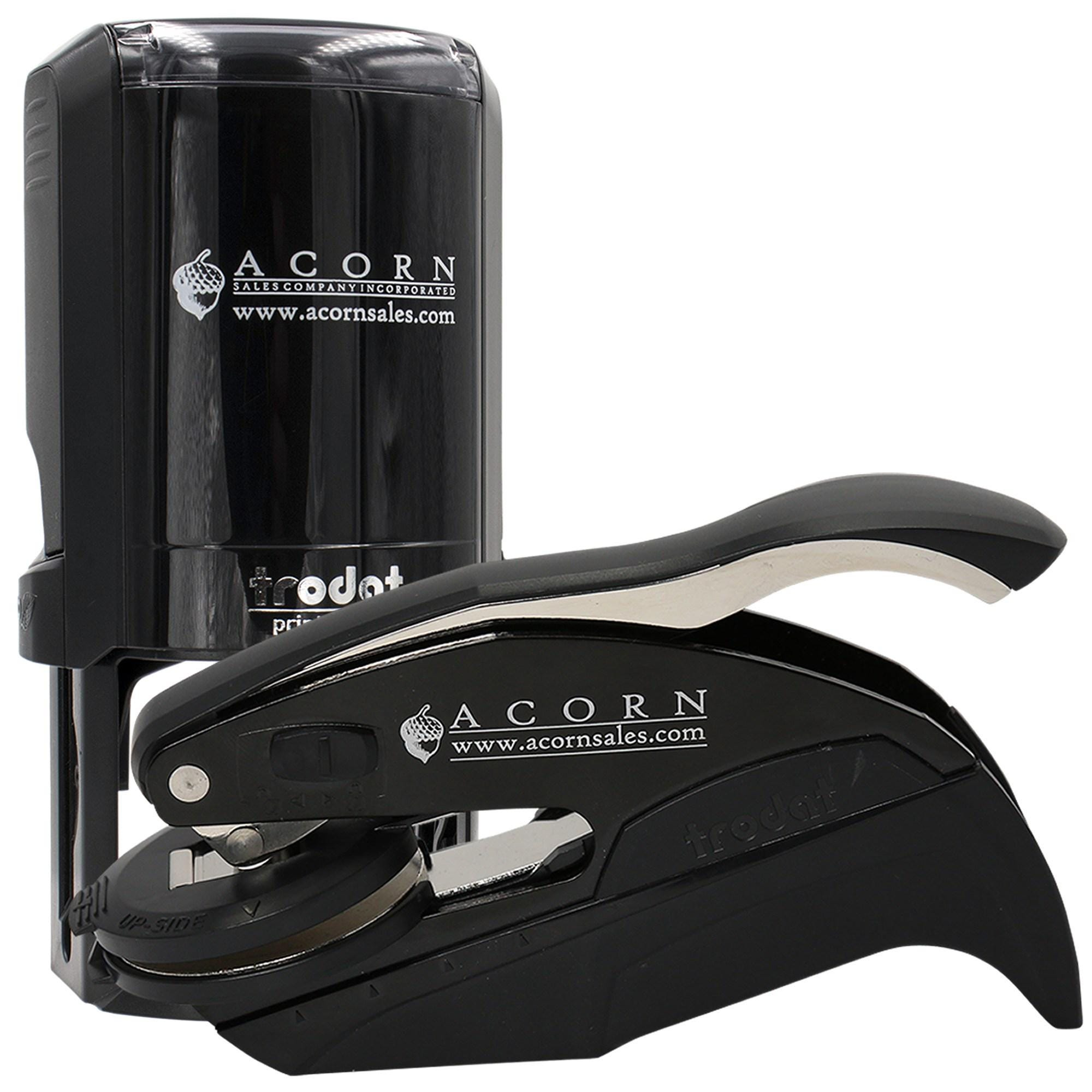
Know Your Colorado Notary Embosser
If you are a Colorado notary public, chances are you have already encountered the term “Colorado notary embosser.” This specialized device creates raised impressions on official documents. In many cases, you might also rely on a notary stamp, but an embosser adds an extra layer of security and professionalism to your work. In fact, some clients or agencies prefer embossed seals because they cannot be reproduced easily on photocopies and scans.When you apply your Colorado notary embosser, you simultaneously protect the legitimacy of notarized documents and uphold guidelines required by the state. You ensure that people can verify documents as authentic, reducing fraud and misunderstandings. Because of this, your choice of embosser must be both thoughtful and informed. From materials to impression depths, each detail plays a role in how well your documents stand up to scrutiny.As you explore embossing options, keep in mind how often you prepare documents, where you perform notarizations, and your personal comfort level. Each of these factors shapes the type and style of embosser that will provide the best results for you and your clients. Whether you are looking to invest now or upgrade a current device, understanding the basics is critical.
Compare Different Embosser Styles
Notary embossers come in a range of shapes, sizes, and functionalities. Your decision often revolves around how and where you plan to use the device. Consider whether you mostly travel to clients, work from a set location, or split responsibilities between the two. Each scenario can benefit from a specific design.
Pocket or Hand-Held Embossers
Pocket, also known as hand-held, embossers are compact and easy to carry. They frequently come with a plastic or metal case that keeps the die plates protected. If you are a traveling notary, you will enjoy the convenience of a small embosser that slips right into a purse or briefcase. However, the smaller size can reduce how much leverage you get as you squeeze. This means you may need to apply extra pressure for crisp, readable impressions.
- Ideal For: Mobile notaries who visit multiple locations.
- Potential Drawback: Reduced leverage can lead to lighter impressions if not pressed carefully.
Desktop Embossers
If you have a stationary workspace, a desktop embosser might be the perfect fit. Desktop models often feature a sturdy handle or lever that makes the embossing process more comfortable. The stable, heavier base allows for deeper impressions with less effort, plus it often feels more substantial and professional to visiting clients.
- Ideal For: Notaries who primarily work in an office or dedicated area.
- Potential Drawback: Bulkier and less portable than pocket units.
Long Reach Embossers
Long reach units allow you to position the impression further into the page. This style can be especially useful when you need to place the seal away from page edges or near other notary stamps. Although they are typically desk-based, some long reach embossers come with travel-friendly designs.Ideal For: Documents requiring seals in non-standard positions.Potential Drawback: Larger units can be heavier and require a solid surface.When selecting the style, weigh portability against the need for crystal-clear impressions. Think about how many documents you handle each day and whether you notarize in different environments. A comfortable embosser that suits your routine enhances efficiency and helps you maintain proper stamping etiquette.
Meet Colorado Seal Standards
Colorado notaries follow regulations involving the design and appearance of their seals. The state specifies certain details, such as including your name and “Notary Public” or “State of Colorado,” and your notary ID or commission number, although the exact rules can change over time. Because these details may shift, your embosser manufacturer will typically remain updated on the latest legal requirements and confirm that your device meets them.When you order or renew your Colorado notary embosser, ensure the seal includes essential elements. Usually, these are the notary name, the words “Notary Public,” and the words “State of Colorado.” Other pieces of data can be included too, such as your commission date or a commission ID number. Double-check that everything appears clear and spelled correctly on the final design.
Tips for Confirming Correct Seal Text
- Review the Colorado Secretary of State website or official notary handbook for the correct language.
- Double-check your name exactly as it appears on your commission.
- Ensure you are not missing mandatory words or lines of text required by law.
- Look for any updates in legislation that may require revising your seal.
Staying mindful of these rules protects your professional standing as a Colorado notary public. When you present a paper with your embossed seal, you convey legitimacy. It signals that your documents meet state standards and that you have followed proper procedure.
Check Quality And Durability
A Colorado notary embosser that breaks or wears out prematurely can disrupt your workflow and cast doubt on your notarizations. Because an embosser is a long-term investment, you want one that marries reliability with ease of use. Telltale signs of a quality product often include solid metal construction, a comfortable handle, and high-grade die plates. Plastic parts may be acceptable in certain components, but the main lever and the plates themselves should be sturdy.
Signs of a Reliable Build
- Metal or high-grade alloy in the handle and arm.
- Sturdy pivot points that resist bending.
- A protective finish that prevents rust.
- Accessible replacement components to extend the tool’s life.
Your embosser should withstand frequent use, especially if you handle multiple document notarizations daily. While you might save on upfront costs with a cheaper model, consider the long-term value of a more durable device. A break or malfunction at a critical time is not just inconvenient, it could also harm your professional credibility.
Ensure Impressions Are Legible
One of the main reasons to have an embosser is to create crisp, raised impressions that are unmistakably yours. If the embossed seal is faint or shows incomplete letters, readers might question the authenticity of the notarization. This calls for consistent impression clarity regardless of paper thickness or texture.
Ways to Improve Embosser Readability
- Apply even pressure across the handle.
- Use medium-weight paper that can hold a raised impression.
- Practice on a scrap sheet to find the right position.
- Periodically check your embosser for alignment issues.
A legible seal is more than just a mark. It eliminates guesswork, ensuring that relevant authorities easily confirm that the documents have gone through valid notary procedures. If you frequently find yourself pressing too hard or seeing poorly formed letters, it might be time to examine your device’s plates for wear or consider an upgrade.
Consider Comfort And Portability
Comfort might not be the first feature that springs to mind, but once you perform dozens of notarizations in a day, you will quickly appreciate a tool that is easy to handle. Embossers with ergonomic designs prevent strain on your wrist and fingers. If you travel often, prioritize an embosser that balances comfort and portability.Pocket embossers are generally the lightest, which is helpful for on-the-go notaries. Yet, as noted, you may have to apply more hand strength. Desk embossers, on the other hand, allow for effortless leverage but can be cumbersome to transport. Some professionals keep both types. They leave the desk embosser in their primary office and carry the pocket version when they visit clients.When evaluating comfort, consider the handle shape, the angle at which you press, and the weight of the device. Just like any tool you use frequently, the right fit can reduce fatigue, speed up your routine, and ensure consistent quality.
Select A Reputable Supplier
Choosing the right supplier is essential for matching you with a high-quality, legally compliant Colorado notary embosser. A reputable supplier will guide you in confirming that your seal text meets state requirements and that the tool itself is durable. Their customer service will also be on hand if you need repair recommendations or updates to reflect any changes in your notary information.One name you can trust is Acorn Stamps. As a family-owned and operated business since 1964, they bring decades of expertise to the table. With more than 60 years of service, Acorn Stamps has built a reputation for stellar customer service and super-fast turnaround times. Whether you need a new Colorado notary embosser or you are also looking for Colorado notary stamps or seals, they can deliver precisely what your commission requires.From verifying correct seal text to providing options for portability, a knowledgeable supplier takes the guesswork out of choosing notary tools. If you ever have to replace your commission information, that same supplier can help you update your embosser plates and maintain compliance with current laws.
Review Common FAQs
Below are five questions that notaries in Colorado frequently ask about embossers. Reviewing them will help you address typical concerns and maintain a smooth workflow.
Do I Need Both a Notary Embosser and a Notary Stamp?
You do not necessarily need both, but many Colorado notaries prefer having both on hand for versatility. A stamp is quick and convenient while an embosser provides extra authenticity and an unmistakable raised impression.
Can I Reuse an Old Embosser After Renewing My Commission?
It depends on whether the commission information still matches your new credentials. If your name or expiration date changes, you must update that data. Otherwise, you risk using incorrect or outdated details, which could invalidate notarized documents.
Are Electronic Seals Recognized in Colorado?
Colorado does allow for remote notarization processes, but the acceptance of fully electronic seals depends on specific guidelines. Check the Secretary of State’s latest rules for e-notarization requirements. Even in a digital landscape, physical embossers remain widely relevant.
Will Embossing Ever Damage My Documents?
If done correctly, an embosser should not harm or tear your paperwork. Most cleanly pressed seals remain legible without compromising document integrity. If you apply excessive force or use extremely thin paper, there is a small risk of slight damage.
How Should I Store My Embosser Between Uses?
Keep your embosser away from direct sunlight and excessive heat. Many notaries store theirs in a protective case to shield the die plates from dust or accidental bumps. This maintains performance and helps ensure your seal impressions remain crisp.
Embrace These Final Takeaways
Picking a reliable Colorado notary embosser is crucial for validating and protecting the documents you notarize. Whether you prioritize portability, comfort, or a more robust handle, make the choice that fits your workflow. Compare various designs, ensuring that you meet Colorado’s legal guidelines with a seal that is clearly readable and professional-looking.Spending a bit of extra time researching your options now pays dividends in the long run. Quality materials, consistent impressions, and the right supplier can elevate your notary practice. You can confidently hand over notarized pages knowing that your raised embossment will stand up to scrutiny.Finally, remember that a trusted source like Acorn Stamps can guide you through the process, offering personalized advice backed by decades of experience. At the end of the day, you want tools that strengthen your professional reputation, satisfy state regulations, and make your job easier. A well-chosen notary embosser gives you exactly that.