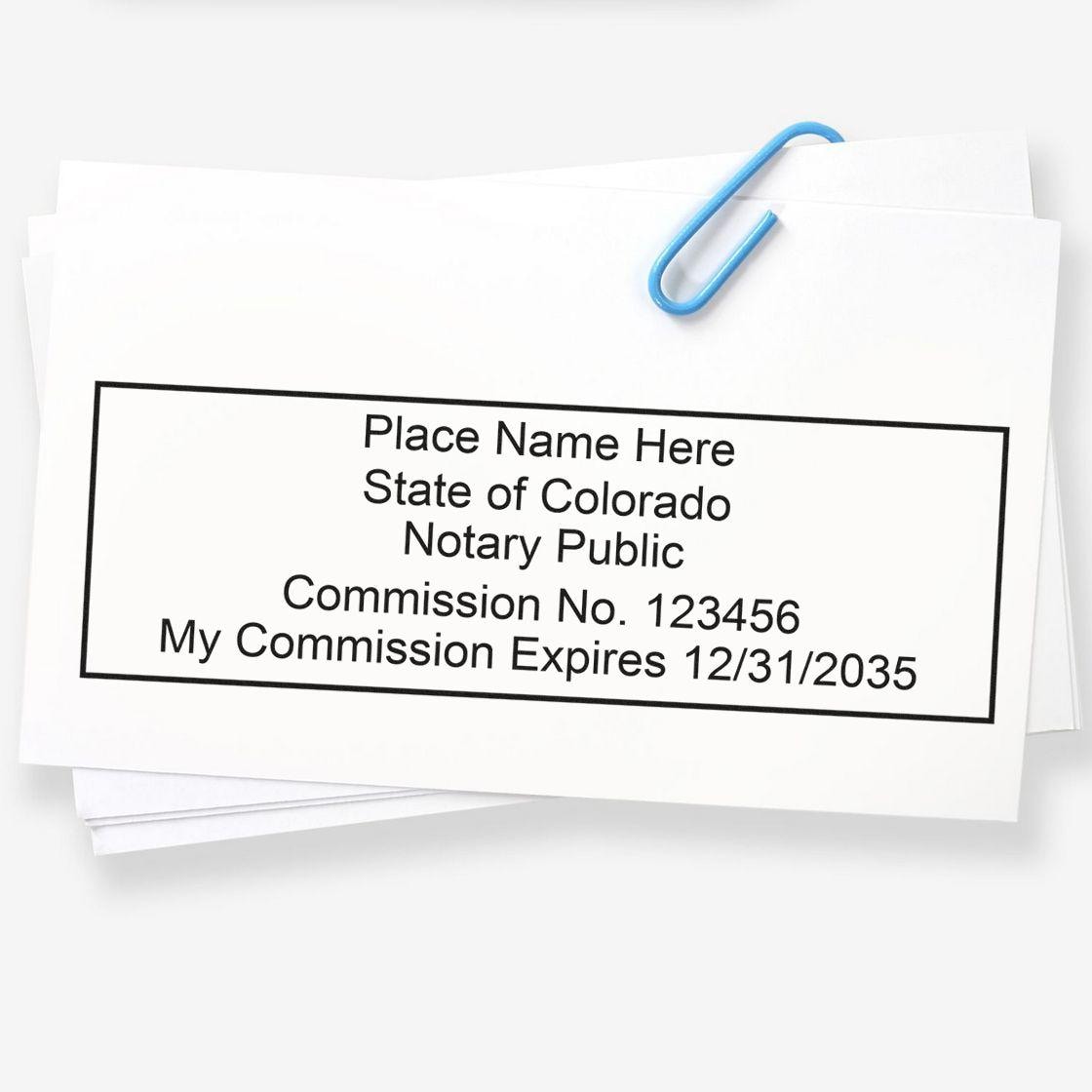
You already know that your Colorado notary seal is a vital tool for authenticating documents. But to get the most out of it—and to ensure you meet state requirements—you’ll want to learn a few best practices. From choosing the right design to securely storing your stamp, this guide walks you through the essentials. Whether you’re newly commissioned or a seasoned notary public in Colorado, these tips will help you keep your notary seal in top shape, uphold your professional reputation, and provide dependable service to every client.
Recognize The Role Of Your Colorado Notary Seal
Your Colorado notary seal represents your authority as a commissioned notary. When you stamp an official document, you’re confirming that you’ve followed the state’s required procedures—verifying identity, checking willingness, and more. It’s not just an ink impression, it’s a legal endorsement.
- The seal must be consistent with Colorado regulations.
- The impression helps detect fraud and builds trust between you and the signer.
- As a notary, you’re expected to keep this seal accessible, secure, and properly maintained to protect its validity.
Why Your Seal Matters
In Colorado, your stamp or embosser includes specific details—usually your name, commission number, and commission expiration date. These details confirm that you’re an active, state-authorized notary. When properly used, your Colorado notary seal helps authenticate signatures on a range of documents, from real estate deeds to affidavits.However, misuse or neglect of your seal can undermine your credibility. If your seal impression is faint or illegible, for instance, a document could be rejected. That’s why investing in a high-quality notary seal and caring for it diligently benefits both you and those who rely on your services.
Choose The Proper Seal Design
You have several Colorado notary seal formats to choose from, including rubber stamps and embossers. Selecting the right design depends on your taste for formality, your budget, and how frequently you perform notarizations. Colorado law doesn’t require an embossed seal, so if you want quicker stamping and consistent impressions, a self-inking or pre-inked stamp might be your best option.
- Rubber Stamp: Requires a separate ink pad but is typically affordable.
- Self-Inking Stamp: Contains a built-in ink pad for quick, clean impressions.
- Pre-Inked Stamp: Offers crisp detail with less frequent re-inking.
- Embosser: Produces a raised impression typically used for formal presentations.
Tips For Picking Your Stamp
- Think about volume. If you notarize many documents daily, a self-inking or pre-inked option might save you time.
- Price out your options. Compare stamp costs versus how often you’ll need to replace or re-ink.
- Consider readability. Embossed impressions look elegant, but a stamped imprint is often clearer on scanned or copied documents.
Once you determine the style of seal you like, read up on Colorado’s design guidelines or consult your supplier to ensure the layout features all required details. A supplier experienced in producing notary seals for Colorado will already know the state’s requirements.
Prepare For An Error-Free Impression
Even though your Colorado notary seal is designed for long-term use, errors can still occur. A faint or smudged impression invalidates an otherwise complete notarization. Luckily, a bit of planning can help you avoid these pitfalls.
- Practice on a scrap piece of paper to gauge ink consistency.
- Check your seal’s alignment so you don’t stamp words upside-down or crooked.
- Keep spare ink or an extra ink pad on hand to avoid subpar impressions.
Step-By-Step Stamping
- Position The Document: Place it on a flat, stable surface to prevent the seal from slipping.
- Align Carefully: Ensure your seal is angled properly so you won’t cut off any important text.
- Press Firmly And Evenly: Apply moderate pressure to get a crisp impression without smearing.
- Double-Check: Examine the imprint to confirm it’s readable—especially the commission number and expiration date.
Making a habit of checking each seal imprint will strengthen your reputation for quality work. Plus, it can save you from having a legal document rejected due to an illegible stamp.
Maintain And Store Your Seal
Proper maintenance of your Colorado notary seal helps ensure clean, consistent impressions for every notarization. Most self-inking or pre-inked stamps can last thousands of uses before needing refills, but that doesn’t mean they’re indestructible.
- Keep it in a protective case or specific drawer—don’t just toss it in a purse or bag.
- Store it away from direct sunlight. Extended exposure to heat can dry out ink prematurely.
- Clean it occasionally to remove dust or debris.
Storage And Security Best Practices
Because your seal is tied directly to your notary commission, unauthorized use could harm your reputation. Take steps to keep it secure:
- Never lend your seal to anyone, even a trusted colleague.
- Store it in a locked desk drawer or cabinet when you’re not actively using it.
- Keep log entries up to date so you can easily review your notarial acts.
By treating your seal like a delicate instrument—both physically and legally—you reduce the risk of accidental misuse and ensure that your impressions remain crisp and valid.
Understand Renewal And Updates
Your notary commission in Colorado has an expiration date, and so does the relevance of the date shown on your seal. Using an expired seal on official documents can lead to legal complications or rejection of notarized paperwork. Staying on top of your commission renewal is crucial for uninterrupted service.
- Keep track of your renewal. Mark the date on your calendar well in advance.
- Once renewed, you’ll likely need a new seal reflecting your updated commission expiration.
- Double-check your new stamp or embosser against your new commission certificate for accuracy.
When To Replace Your Seal
In some cases, you’ll need to replace your Colorado notary seal long before it wears out:
- Commission Renewal: Each new commission comes with a new expiration date.
- Name Change: If your name changes, you must update your commission and get a corresponding seal.
- Damage Or Wear: If the impression becomes inconsistent or parts of your seal break, replace it immediately.
Rely On A Trusted Supplier
When it’s time to purchase or replace your Colorado notary seal, you should work with a supplier that understands state guidelines. Acorn Stamps, for example, is a top supplier of Colorado notary stamps and seals. Family owned and operated since 1964, Acorn Stamps brings nearly 60 years of service to notaries nationwide. Because notary regulations vary from state to state, partnering with a knowledgeable vendor is one of the best ways to ensure you receive a compliant, high-quality seal.
- Stellar customer service: If questions arise about ordering or customizing your seal, knowledgeable staff can offer real-time assistance.
- Super fast turnaround: You can quickly get your new stamp or embosser, which is especially beneficial if you have a busy schedule.
- Familiarity With Colorado Guidelines: You can feel confident that your seal meets state-specific requirements.
A reliable supplier is about more than just making a purchase. It’s about securing the tools you need to deliver professional, compliant, and efficient notary services every day.
Avoid Common Notary Mistakes
Even the most experienced notaries slip up once in a while. However, recognizing common pitfalls helps you steer clear of time-consuming or potentially costly errors. Here’s a quick rundown of issues to watch for in your practice:
- Stamping Over Text: If your seal is partially over typed or handwritten text, the stamped information might be unreadable.
- Misplacing The Seal: If you leave your seal with unauthorized individuals or lose track of it, the risk of fraud escalates.
- Using The Wrong Ink Color: Colorado prefers an ink color that shows up well on copies, such as black or blue. Faint or unusual colors might complicate verification.
- Overlooking Document Gaps: Always scan the document for missing data (like blank spaces) before notarizing. An oversight might invite fraud or require re-notarization.
Strategies For Error Prevention
- Review The Document Thoroughly: Double-check all fields are filled out and consistent.
- Confirm Identity: While stamping is important, verifying the signer’s identity is just as critical.
- Keep A Notary Journal: Recording each transaction helps you stay organized and maintain an accurate log of your activities.
Frequently Asked Questions
What Are The Legal Requirements For A Colorado Notary Seal?
Colorado requires your notary seal to include your official name, commission number, and commission expiration date. It must leave a clear impression that’s legible on the notarized document. If you’re unsure, consult Colorado’s notary guidelines or talk with an experienced supplier like Acorn Stamps.
How Do I Know When To Re-Ink My Seal?
If your stamped impressions start looking faint or patchy, it’s time to re-ink (or even replace) your seal. Perform a quick test on scrap paper before each notarization. This ensures a crisp imprint and saves you from redoing the certification if the first impression is illegible.
Is It Better To Use A Stamp Or An Embosser In Colorado?
Colorado law doesn’t mandate an embosser. The choice is yours. Stamps—especially self-inking or pre-inked styles—are often easier to use, less expensive, and provide a more legible mark on photocopies. An embosser adds a distinguished touch but might be harder to read on scanned documents.
Can I Share My Seal With A Colleague Temporarily?
No. You should never lend or share your Colorado notary seal with anyone, including a close coworker. By law, you’re the only person authorized to use it. Sharing your seal opens the door to unauthorized notarizations and potential legal complications.
Where Should I Store My Seal If I’m Working Remotely?
You’ll want to keep your seal in a locked container away from prying eyes or potential misuse. If remote work is part of your routine, consider maintaining a small cash box or lockable drawer specifically for your notary tools. Always bring it back to a secure location at the end of your workday.Your Colorado notary seal is more than just a formality. It’s a core component of your professional toolkit—one that can elevate your notarial acts when used correctly and properly maintained. By selecting a high-quality design, devoting time to practice stamping, safely storing your seal, and renewing it on schedule, you’ll set yourself up for a smooth, compliant, and trustworthy notary experience in Colorado.When you’re ready for a new or updated seal, don’t hesitate to reach out to Acorn Stamps—family owned and operated since 1964. With six decades of expertise, quick turnaround times, and a strong customer service focus, their team understands precisely what Colorado notaries require. By taking these steps, you’ll protect both your reputation and your clients’ interests, one documented signature at a time.