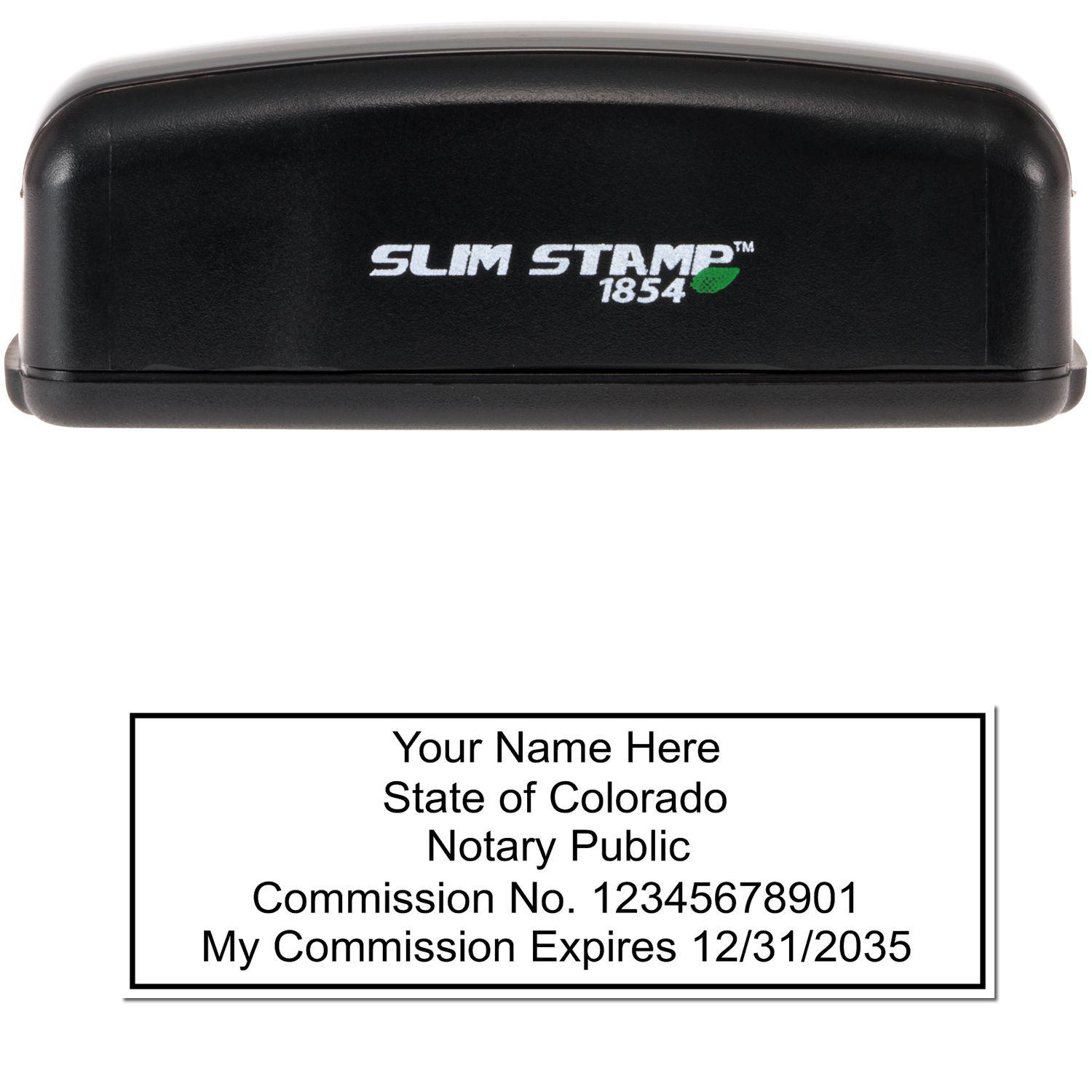
You might already know that following Colorado notary requirements is essential for protecting both you and the public you serve. Whether you are just starting out as a Colorado Notary Public, renewing your commission, or seeking insight into the supplies you need, understanding the key regulations can help you navigate each step confidently. Below, you will find a friendly guide that walks you through the essential requirements, offers practical tips for daily notarial tasks, and shows you how to stay compliant. By the end, you will feel more prepared as you fulfill your important role in verifying and authenticating legal documents.
Understand The Colorado Notary Commission Process
Each state sets its own rules for notaries, and Colorado is no exception. You have specific responsibilities and guidelines to follow, from ensuring you meet eligibility criteria before applying, to properly renewing your notary commission once it expires. Here is an overview of how the commission process typically works.
Confirm Basic Eligibility
Before you start any application, you should confirm that you meet Colorado’s notary eligibility requirements. This helps you avoid wasted time or a rejected application.
- You must be at least 18 years old.
- You must be a Colorado resident (or have a place of employment in Colorado if you are not a resident).
- You should be able to read and write in English.
- You cannot have any disqualifying misdemeanor or felony convictions, especially those related to dishonesty.
By confirming you meet these criteria, you set the stage for a smooth application process.
Complete Required Education
Colorado requires notary applicants to demonstrate knowledge of state laws, official duties, and ethical responsibilities. You can typically satisfy this by completing a notary training course, which may be offered online or through in-person workshops. The training is designed to familiarize you with notarial best practices and the specifics of Colorado’s regulations. This step helps ensure that once you become a notary, you can perform your responsibilities correctly and confidently.
Submit An Application
Your next step is to complete and submit the official application to the Colorado Secretary of State’s office. The application generally includes:
- Personal information (name, address, contact details).
- Disclosure of any previous notary commission revocations in other states.
- Confirmation of completed training or educational requirement.
- Payment of the required filing fee.
Once your application is reviewed, you may need to pass an online exam to confirm your knowledge of Colorado notary requirements. After you pass, your commission certificate will be issued, officially allowing you to serve as a Colorado Notary Public.
Learn About The Notary Oath And Bond
Becoming a notary is not just about filling out forms. You are expected to uphold a serious responsibility toward the public, which is why Colorado requires you to take an oath of office and provides guidelines around bonding. Giving attention to these areas ensures you fully meet all obligations.
Take The Oath Of Office
As part of your initial commission or renewal process, you must take an oath of office. This step formalizes your commitment to honest and ethical service. You may be required to do this in front of a current notary or another authorized officer, affirming that you will follow Colorado notary laws carefully. Keep a copy of your oath in your records should you ever need to prove that you took it.
Notary Bond And E&O Insurance
While a notary bond is not always legally required in certain states, Colorado typically expects you to hold a notary bond, if specified in updated regulations. A bond is designed to protect the public if you make errors or engage in misconduct, ensuring that potential victims have a means of financial recourse. Additionally, you may want to consider Errors and Omissions (E&O) insurance, which protects you personally from claims made against you. E&O insurance is optional, but it can be invaluable if a disagreement or accusation arises over a notarization.
Comply With Identification And Documentation Rules
One major aspect of your notarial duties is verifying the identity of the individuals seeking your services. Properly following state guidelines for identification helps foil fraud and misunderstandings.
Verify Signer Identity
Colorado notary requirements specify which forms of identification you can rely on to confirm a signer’s identity. Generally, a government-issued photo ID such as a driver’s license, passport, or military ID is considered acceptable. Double-check that the name on the ID matches the name on the document you are notarizing. If there is any discrepancy or if you have doubts about the ID’s validity, you should stop the notarization process until you can verify that everything is in order.
Maintain Accurate Records
As a Colorado Notary Public, you have to maintain a notary journal that tracks each act you perform. In Colorado, keeping a journal is strongly recommended and can be required under certain circumstances. Your notary journal typically includes:
- Date and type of notarization
- Signer’s name and contact information
- Type of identification presented
- Document type or brief description
Keeping thorough records protects both you and the public, as it can clarify details if a document’s authenticity is ever questioned.
Choose The Right Supplies For Professional Notarizations
High-quality notary supplies help you perform your role efficiently and demonstrate professionalism. Selection of the proper stamp or seal and ensuring it conforms to legal guidelines is part of your official responsibility in Colorado.
Understand Colorado Notary Stamp And Seal Requirements
Colorado law generally allows the use of either a rubber stamp or an embossed seal, but you have to confirm that your chosen type meets the Secretary of State’s design and content guidelines. Your stamp or seal must:
- State your official notary name.
- Include the words “Notary Public” and “State of Colorado.”
- Contain your notary ID number (if applicable).
You should check carefully for any color or size specifications. Having a clear, legible impression is crucial to ensure your notarization is valid and easy to read.
Where To Find Your Official Supplies
If you are looking for fast, reliable service and top-quality Colorado notary stamps or seals, consider Acorn Stamps. A family owned and operated business since 1964, Acorn Stamps has built a 60-year reputation for stellar customer service and super-fast turnaround times. You will find a range of stamps, seals, and other essential notary items that fit Colorado’s requirements, helping you feel ready to serve your clients confidently. Having the right tools on hand streamlines your daily tasks and reflects the professionalism you bring to every notarization.
Keep Up With Commission Renewals
Failing to renew on time can disrupt your ability to notarize documents, which may inconvenience your clients and potentially affect your income. Knowing the renewal timeline and procedure ensures you maintain your active status as a Colorado Notary Public.
Understand Your Renewal Timeline
Colorado notary commissions generally last for a specified term, after which you must submit a renewal application. You cannot rely on automatic renewal, so you will need to track your commission’s expiration date. Renewal typically involves:
- Completing any continuing education or testing requirements.
- Updating personal information if you have a change of address or name.
- Paying the renewal fee.
It is wise to begin the renewal process a few weeks before your commission is set to expire. This allows you time to address any unforeseen issues or corrections needed in your paperwork.
What Happens If You Miss The Deadline
If you fail to renew your commission before its expiration date, you may have to apply for a new commission. In such cases, you will likely need to go through the same process as first-time applicants: completing training, taking an exam, and filling out the standard forms. By renewing on time, you save yourself the extra work and ensure that your practice remains uninterrupted.
Handle Special Situations And Limitations
Certain notarial acts carry extra complexity and can confuse even seasoned Colorado notaries. To maintain compliance, you should be aware of potential special circumstances and avoid actions outside your legal authority.
Notarizing For Family Members
In Colorado, there is no direct prohibition against notarizing documents for family members, but it can be risky. If you have a personal or financial interest in the document, it is considered a conflict of interest. In these situations, it is safest to recommend that the person find another impartial notary. Taking this extra step reduces any potential claims of impropriety or bias.
Handling Electronic Notarizations
Electronic or remote notarizations have become more common, but Colorado only allows them under certain conditions. You must follow state guidance regarding real-time audiovisual technology and security measures. If you plan to provide remote notarization services, be sure to verify you are eligible and abide by any specific rules around electronic signatures, platforms, and recordkeeping.
Cultivate Professional And Ethical Practices
Your ethical obligations stretch beyond the written requirements. Displays of professionalism — such as safeguarding client privacy, preventing fraud, and offering approachable service — also shape your notary practice.
Protect Confidential Information
When you notarize documents, you might see sensitive personal information. Respecting privacy is paramount. Keep any copies or records containing private data in a secure place, and do not disclose it to unauthorized individuals. This standard applies to your physical space, digital files, and any online notary platforms you use.
Stay Current With Legal Updates
Notary laws and guidelines can change over time. You will want to keep an eye out for updates on Colorado’s official state website or communications from the Secretary of State’s office. Continuing education classes or membership in a professional notary association can also help you stay informed. This vigilance ensures you remain compliant, so your notarizations remain valid and legally recognized.
Strengthen Your Role With Trusted Suppliers
Reliable outlines of Colorado notary requirements help you act responsibly, but quality tools also foster professionalism. Having a dependable notary stamp and seal that consistently produce clear impressions reduces the likelihood of rejects or disputes. It boosts your credibility and streamlines the formalities of signing and stamping.
Rely On Acorn Stamps For Your Colorado Notary Supplies
When it comes to convenience and reliability, Acorn Stamps is a top choice for Colorado notary stamps, seals, and accessories. Not only can you expect accurate, compliant designs — you will also benefit from their friendly customer service. If you have questions about your order or want personalized guidance, the experts at Acorn Stamps are there to help. By selecting a dependable supplier, you essentially invest in the quality of every notarization you perform.
Frequently Asked Questions
Below are five common questions regarding Colorado notary requirements and daily notarial tasks. These concise answers can help you clarify any lingering uncertainties.
How Do I Become A Colorado Notary Public?
You need to meet the basic eligibility requirements (age, residency, and clean record), complete notary education, and pass an exam. Then, you submit your application to the Colorado Secretary of State, provide any requisite fees, and take your notary oath once your application is approved.
Is A Colorado Notary Stamp Required?
Yes. You must use an official stamp or seal that meets Colorado’s design guidelines. It needs to include your name, your status as a Notary Public, and the words “State of Colorado.” Some designs also require your notary ID number. Be sure your stamp produces a crisp, legible impression to validate your notarial acts.
What Is An Official Notary Seal?
An official notary seal is the impression you make on a notarized document that identifies you as a commissioned notary in Colorado. It can be a rubber stamp or an embossed device. Whatever you choose, make sure it follows your state’s regulations so the notarial act stands up legally.
How Do I Renew My Colorado Notary Commission?
Start the renewal process a few weeks before your commission expiration. You may have to update personal information, complete any continuing education requirements, and pay the renewal fee. If you miss the deadline, you may be treated as a new applicant, which means meeting all initial requirements again.
Do I Need E&O Insurance Or A Notary Bond In Colorado?
Colorado may mandate you to carry a notary bond, depending on current legal requirements. E&O (Errors and Omissions) insurance is optional, but it is strongly recommended. The bond helps protect the public, while E&O insurance shields you from personal liability when disputes or mistakes arise in the course of your duties.By now, you have a clearer picture of what it takes to meet the essential Colorado notary requirements, from basic eligibility and proper identification checks to selecting the right supplies and renewing on time. Your notary responsibilities come with both privileges and obligations to the community you serve. When you prioritize ethics, professionalism, and accuracy in each notarial act, you help support the integrity of legal processes throughout the state. And should you need high-quality Colorado notary stamps or seals, remember that Acorn Stamps — a family owned business with 60 years of experience — is ready to assist you with stellar customer service and lightning-fast turnaround. By combining consistent compliance with trusted suppliers, you ensure that every document you notarize upholds the highest standard of authenticity, security, and trustworthiness.