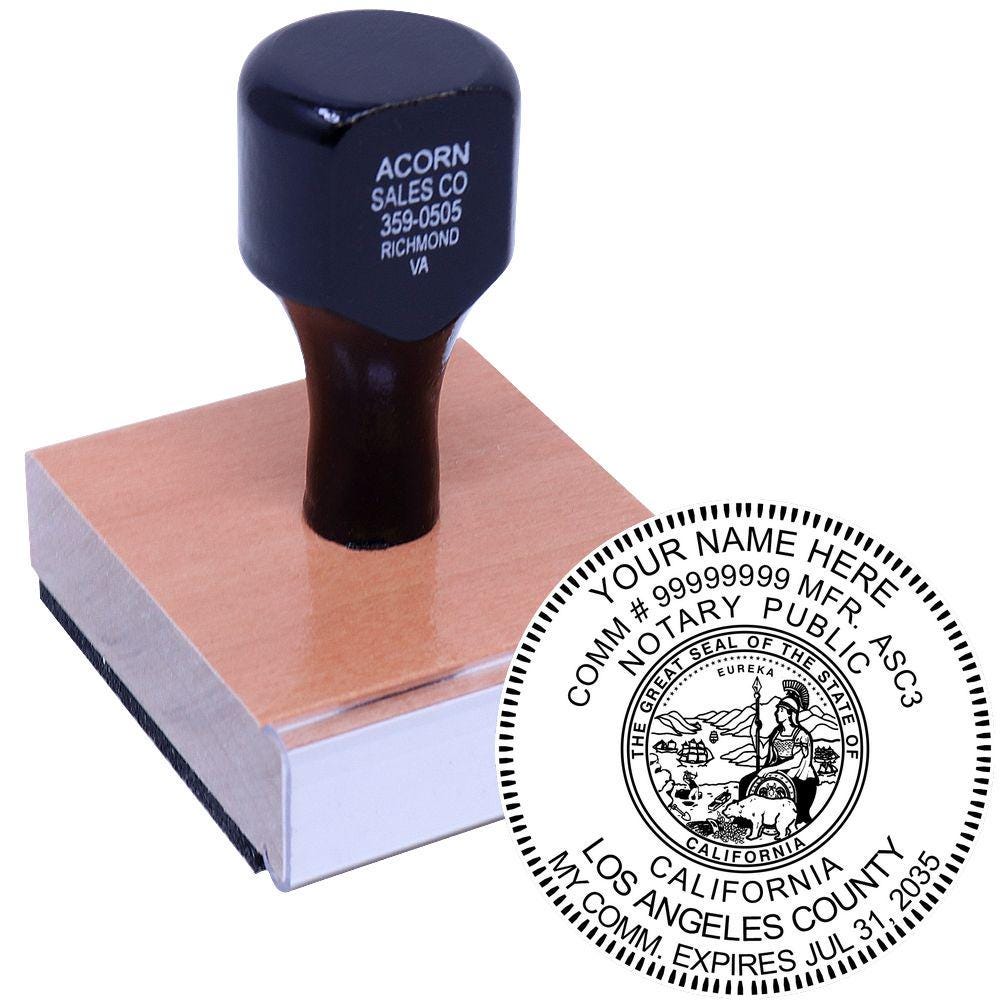
When you serve as a notary public in California, few tools are more crucial than your california notary stamp. It is not only a legal requirement, but it also lends credibility and uniformity to each notarized document you handle. Whether you are a brand-new notary or you have served your community for years, learning how to choose the best california notary stamp can save you time, reduce errors, and ensure your notarial acts meet all state mandates. In this guide, you will find practical tips for identifying the right style, material, and ink type for your notary stamp. You will also discover a straightforward ordering process plus important considerations for following California state guidelines. By the end, you will feel more confident about selecting a stamp that is both high-quality and compliant, ensuring your notarial duties proceed smoothly.
Understand California Notary Requirements
Before you narrow down your stamp choices, it is important to understand the legal framework that governs notary stamps in California. Being consistent with state requirements ensures that every document you notarize is accepted without question, protecting yourself and those who rely on your services.
Check Required Elements
A California notary stamp must clearly show:
- The words “Notary Public”
- The notary’s name exactly as it appears on your commission
- The state seal of California
- The commission expiration date
- The notary’s commission number
All these elements must be visible at a glance. If any portion of your stamp is unclear or poorly printed, it can lead to document rejection. Additionally, check that the layout and format of your stamp follow any guidelines your local county or issuing authority sets, as these can vary slightly across jurisdictions.
Know The Correct Dimensions
The inked impression of your california notary stamp should also adhere to proper dimensions. While specific measurements can fluctuate based on vendor offerings, California law allows rectangular stamps not larger than 2.5 inches by 1 inch. Ensuring your stamp fits within these size parameters helps you avoid rejections for non-compliance.
Understand Placement Protocol
Proper placement of your stamp impression on documents is just as vital as the stamp’s appearance. Aim for a clear area on the document, often near your signature line, ensuring the entire impression is readable. Some legal forms have designated notary blocks where your signature and stamp belong. If the document does not provide explicit instructions, place your stamp in a visible space so critical text is not obscured.
Explore Different Stamp Types
Selecting the right kind of stamp can help you maintain a clean, professional impression on every document. There are multiple shapes and styles available, each offering unique advantages. The choice ultimately hinges on your personal preference, workspace, and frequency of use.
Self-Inking Stamps
Self-inking stamps have a built-in ink pad. By pressing down, the text plate contacts the pad before imprinting on paper. This setup:
- Saves time by eliminating the need for a separate ink pad
- Reduces mess, since ink remains contained inside the stamp
- Offers consistent inking across countless impressions
They are popular among notaries who handle a moderate to high volume of notarial acts daily.
Pre-Inked Stamps
Pre-inked stamps use an ink reservoir integrated directly into the handle or mount. The ink supplies a smooth and crisp impression:
- Longer-lasting imprint clarity for each use
- Ideal for high-volume notaries who need exceptionally clean prints
- Slightly more expensive than traditional self-inking options
If you frequently notarize documents in professional settings like law firms or financial institutions, a pre-inked stamp can deliver premium results.
Traditional Rubber Stamps
Rubber stamps need a separate ink pad. You apply the stamp surface onto the pad, then press onto a document. Although these are simple and typically cost-effective:
- They can be less convenient to carry around
- Ink application can be uneven if not done correctly
- Users must replace or re-ink the pad separately
Traditional rubber stamps suit mobile notaries who already have a portable kit, or those who want a budget-friendly stamp and do not mind the extra materials.
Compare Ink Styles And Materials
Beyond the stamp design, the type of ink and the materials used play an essential role in durability and legibility. California notaries need to ensure their stamp remains consistently clear, even after repeated use.
Ink Color Considerations
Although California law typically allows any legible ink color, black and blue are the most common. Keep the following in mind:
- Black ink is more universally accepted for official documents
- Blue ink helps differentiate originals from photocopies
Whether you prefer black or blue, choose an ink color that stands out on standard white paper and photocopies cleanly without any smudging.
Stamp Body Materials
From plastic to metal, the body of your california notary stamp can come in various forms. Here is a basic comparison:

When you factor in your daily routine and travel needs, consider a body material that can handle repeated use without wearing out. If you conduct notarizations on the go, a lighter design might be more practical.
Re-Inking And Replacement
Regardless of the style you choose, plan for maintenance. Over time, the ink reservoir or pad may need re-inking or replacement. Pay attention to:
- The availability of refill inks that match your stamp brand
- Estimated impressions before a refill is needed
- Manufacturer recommendations on the type of ink for best performance
Spending a little extra on a high-quality refill system can save you money and frustration in the long run, especially if you handle a steady parade of documents.
Follow These Steps To Order Your Stamp
While the ordering process for a california notary stamp might vary slightly between suppliers, these steps can help you navigate each phase with confidence. By confirming details upfront, you avoid delays or misprints that can halt your notarial services.
- Gather Your Commission Details
- Make sure you have your full legal name, commission number, and expiration date. Double-check the spelling and any suffixes, as these details must exactly match your commission certificate.
- Investigate Preferred Suppliers
- Look for reputable businesses with consistent performance records. Customer service, return policies, and shipping times all factor into a smooth experience.
- Evaluate Stamp Options
- Based on your personal preferences or office requirements, decide between self-inking, pre-inked, or traditional rubber stamps. Also pick an ink color—often black or blue—that you know will remain readable.
- Verify Compliance
- Before finalizing the order, confirm the supplier has experience producing California notary stamps. They should be familiar with the official guidelines and able to guarantee compliance.
- Place Your Order
- Provide personal and payment information, then double-check shipping details. If you need a stamp quickly, inquire about expedited turnaround times.
- Inspect Upon Arrival
- Once your stamp arrives, print a few test impressions on scrap paper. Ensure the text is crisp and the elements are laid out in compliance with state guidelines. If you see any errors or smudges, contact your supplier immediately for a resolution.
Why Choose Acorn Stamps
When it comes to selecting a reliable supplier for your california notary stamp, Acorn Stamps has stood out in the industry for nearly 60 years. Family Owned and Operated since 1964, Acorn Stamps brings decades of experience, a friendly approach, and a deep understanding of California’s notary legislation.
Stellar Customer Service
You know how important it is to have dependable support, especially if you plan to use your stamp daily. Acorn Stamps prides itself on answering questions quickly, ensuring orders are accurate, and helping you resolve any hiccups. If you ever need guidance on compliance, re-inking, or picking the best stamp style, their expert team is ready to help.
Super-Fast Turnaround
Nothing is more frustrating than waiting weeks for a critical notary supply. With Acorn Stamps, you can expect super-fast turnaround that gets you the tools you need without major delays. This efficiency is ideal for new notaries who just obtained their commission and for seasoned notaries who need a replacement stamp on short notice.
High-Quality Materials
Every stamp is designed to withstand repeated use across a range of professional environments. Whether you prefer a self-inking model for convenience or a traditional rubber stamp for affordability, Acorn Stamps leads with craftsmanship and reliability. You will have peace of mind that each impression looks uniform and meets promptly evolving needs.
Family Values And Community Focus
Deciding which business to trust with your livelihood goes beyond just product quality. At Acorn Stamps, you are partnering with a brand that cherishes family values and has a longstanding commitment to delivering exceptional experiences. By choosing a family-owned operation, you support a company that respects your efforts to serve California’s communities one notarized document at a time.
Frequently Asked Questions
Below are five questions many California notaries often have about selecting and using their notary stamps.
What If My Commission Information Changes?
If your name, commission number, or expiration date changes, you must obtain a new stamp with the updated details. Continue using your old stamp only if it matches the details on your active commission. If you undergo a name change, you also need to notify the relevant county and apply for an amended commission.
Do I Need A Seal Embosser In Addition To A Stamp?
California only requires a rubber stamp, not an embosser. However, some notaries choose to use an embosser as an additional measure of security or formality. If you decide to get an embosser, make sure it follows state guidelines. Keep in mind that the official requirement is satisfied by a compliant california notary stamp on its own.
Are Self-Inking Stamps Legal In California?
Yes. Self-inking, pre-inked, and traditional rubber stamps are legally acceptable, provided they comply with all requirements set by California law. The most critical factor is that the stamped impression must be legible, include all mandated elements, and fit within the size guidelines.
How Often Should I Replace My California Notary Stamp?
The main reason for replacement is when the ink begins to fade or the impression becomes unreadable. You can re-ink certain models, but if the text plate itself wears out or the frame cracks, a replacement might be unavoidable. Generally, a high-quality stamp can last the duration of your commission. Always ensure the details on the stamp match your current commission.
Where Can I Buy A California Notary Stamp?
You have many options, from specialized online retailers to local office supply stores. However, choosing a reputable supplier such as Acorn Stamps ensures you will receive a stamp that meets California-specific requirements. You also benefit from customer service that understands the unique needs of California notaries, including quick reorders and reliable troubleshooting.By following these guidelines, you are well on your way to finding a california notary stamp that suits your professional style and fulfills every state requirement. Whether you choose a self-inking or pre-inked model, keep your ink fresh and your details up-to-date. In doing so, you protect yourself, your clients, and the efficiency of California’s notarial system. If you crave expert guidance, remember that Acorn Stamps stands ready to streamline the process with nearly six decades of experience, reliable customer support, and fast turnaround times. Make your choice with confidence and start stamping with absolute peace of mind.