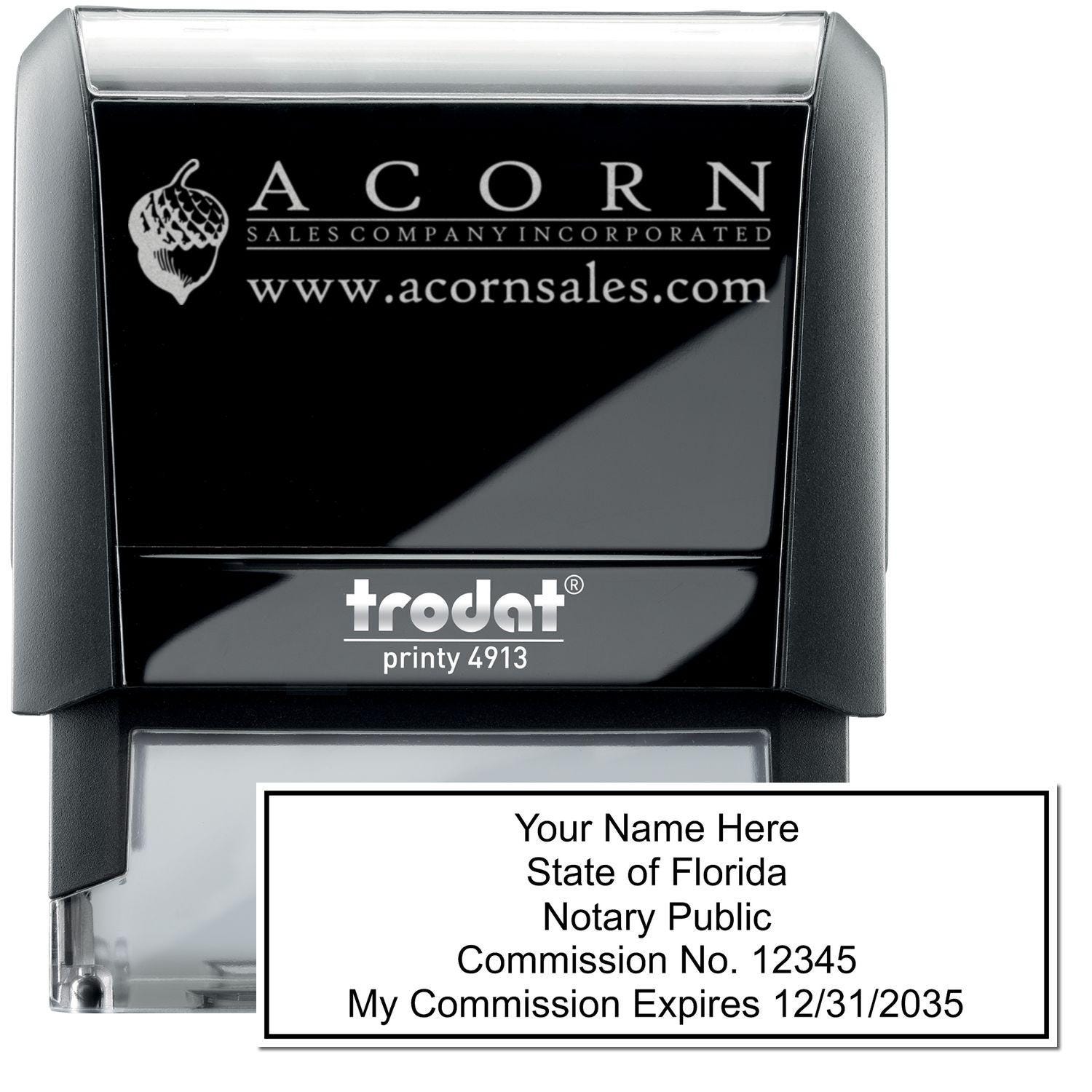
You might be surprised how many details go into selecting the right Florida notary stamp and seal. From meeting state requirements to expressing your personal style, there is a lot to juggle. Whether you are just getting started as a Florida notary public or looking to refresh your current setup, understanding each aspect of these essential tools will help you make a confident choice.
Below, you will discover what makes a Florida notary stamp and seal legally compliant, how to pick the best type for your needs, and why partnering with the right supplier can make your life easier. Acorn Stamps, a trusted name for more than 60 years, has been helping notaries find the perfect combination of reliability and style. Let’s walk through everything you need to know so you can order with peace of mind and focus on your notarial duties.
Understand the Purpose
Having a Florida notary stamp and seal is not just a formality. It safeguards the validity of the documents you notarize and serves as a visual record that backups your official role. When you stamp or emboss a paper, you are confirming that:
- You have verified the signer’s identity.
- You have witnessed the signing under lawful conditions.
- You are acting under Florida’s legal guidelines for notaries.
Why Both Stamp and Seal?
Florida notaries typically use a stamp that contains the required information, such as your name, commission number, and expiration date. You might also have an embossing seal that raises a physical impression on the paper. The stamp alone is adequate for routine notarizations, but some notaries prefer to add a seal for aesthetic or security reasons. A seal can act like a second layer of authenticity, discouraging potential fraud. Depending on the document or personal preference, you might use one or both. Ultimately, the more secure your notarial markings, the better protected the signer is.
Boosting Your Professional Image
A clear, crisp notary stamp and a neatly embossed seal look professional, demonstrating your commitment to detail and the integrity of your work. Clients often notice the effort you put into presenting well-organized documents, which can build trust. Especially if you frequently handle real estate closings, wills, or other sensitive paperwork, a professional appearance can speak volumes. Your stamp and seal become part of that image, reassuring people you are the right person to help finalize important transactions.
Learn the Florida Requirements
Before you start shopping, you will want to be clear on the rules set out by Florida law. Regulations may shift over time, so it is wise to check the Florida Department of State or other official sources for current details. In general, Florida notaries must follow specific guidelines that govern the design, wording, and use of their stamps and seals.
State-Mandated Wording
Florida's requirements typically include:
- Your name exactly as it appears on your notarial commission.
- The words “Notary Public” and “State of Florida.”
- Your commission number.
- Your notary commission’s expiration date.
Shortcuts, nicknames, or missing data can invalidate the stamp. You also need to ensure letters and numbers are legible to avoid confusion or potential misuse. If your commission name has changed at any point, check that your new stamp or seal matches the name on your current documentation.
Size and Placement
Florida rules do not usually dictate a maximum or minimum size for your Florida notary stamp and seal. However, you want a size that fits within typical document margins without obscuring text. Too large, and it might overlap important wording. Too small, and you risk illegibility. In practice, many stamps are about 1 inch by 2.5 inches, giving enough space for all mandatory details. When you apply the stamp, you must place it near your notarial certificate, signature, or other relevant areas on the document. Be mindful of smudges. Always let the ink dry fully so the imprint remains clear.
Renewing and Updating
A Florida notary commission needs to be renewed every four years. As soon as you get your renewal forms approved, you should order a new stamp that reflects your updated dates. If you have changed your name or moved to a new address, you must also update your notarial records and possibly replace your stamp. Staying current will help you avoid any issues if someone challenges your notarial act.
Select the Right Stamp
Your stamp type can have a bigger impact than you might think. Durability, ink type, and ergonomics all influence your day-to-day efficiency. Before buying, consider how often you will use the stamp and what environment you will be working in.
Types of Florida Notary Stamps
- Self-Inking Stamps: These contain a built-in ink pad. Every time you press the stamp down, the die re-inks to provide a consistent impression. They are usually compact and convenient for those who do a lot of notarizations in a day.
- Pre-Inked Stamps: A pre-inked stamp holds ink within the die, making ultra-sharp impressions. These often last longer between refills but might require a bit more care.
- Wood Handle Stamps: The wooden handle style is more old-fashioned and requires a separate ink pad. Some notaries enjoy this traditional feel, although it can be messier if you are on the go. It also requires careful inking to avoid smudges.
Design Considerations
Whatever style you pick, you must ensure it includes the required Florida notary information. If you want to add an extra touch, you can pick from different colors of ink (though standard black is recommended for legal documents) or coordinate your stamp’s outer casing with other office accessories. Some notaries like to match their stamp color to their business branding, but always check that your chosen color contrasts well and shows up on various document backgrounds. The last thing you want is a great-looking stamp that is too faded to read.
Choose the Ideal Seal
A seal generally comes in the form of an embosser, which raises an impression onto paper to visually and physically confirm your authentication. While a stamp alone is acceptable for most Florida notary acts, an embosser can make your notarial documents stand out. That extra layer of texture can be reassuring for signers who want a tangible symbol of official status.
Embosser vs. Rubber Seal
- Embosser: Hand-held devices that press your details directly into the page with a raised imprint. Embossers typically require less ink maintenance than stamps but might need a bit more physical effort to apply.
- Rubber Seal Embosser: Some suppliers offer a combination device that both presses an image into the page and also can leave a touch of ink if you prefer. However, you will still rely on a standard stamp for clarity in most cases.
Design and Size Considerations
Florida does not strictly regulate the design of the seal as long as the critical information appears. You can add decorative rings or minimal flourishes if you prefer. However, the design should not compromise your basic identifying details. Go for a handle shape and size that you find comfortable. If you process multiple documents in one sitting, a lightweight, ergonomic handle helps reduce hand fatigue.
Shop With a Trusted Supplier
Choosing a reliable provider saves you time and headaches. After all, your Florida notary stamp and seal is a core part of your job, and a poorly made product can cause misprints or require frequent replacements. You deserve a supplier who prioritizes quality, stands behind their products, and offers helpful support when you need it.
Why Choose Acorn Stamps
Acorn Stamps has been a family-owned and operated business since 1964, making it a trusted name for Florida notary stamp and seal needs over the past 60 years. This kind of longevity speaks to the care they devote to every order, big or small. They also make sure that their notary stamps, seals, and other supplies comply with state guidelines, so you can shop with total confidence. If you are new to the role, you can even reach out for personalized guidance on picking the right products.
Stellar Customer Service
If you have questions or encounter any hiccups, you can rely on Acorn Stamps to help you solve the problem quickly. Whether it is about refilling ink, replacing an old stamp, or updating the design for a name change, their team is prepared to guide you through the process. They understand that your credibility as a notary hinges on dependable stamps and seals, so they strive to handle all inquiries with efficiency.
Fast Turnaround
When your commission needs renewing, you might find yourself needing a fresh stamp and seal right away. Acorn Stamps knows how valuable your time is. Their process is designed to get your items out the door as soon as possible, so you are always fully equipped to handle important documents. That kind of quick turnaround can be a lifesaver, especially if you have unexpected closings or urgent notarizations.
Care for Your Notary Tools
Stamps and seals, like any work tools, require maintenance to perform at their best. When you care for them properly, you will get clear impressions every time, prolonging their usable life.
Proper Stamp and Seal Storage
- Avoid Extreme Temperatures: High heat can dry out stamp pads and warp plastic casings. Store your supplies in a moderate environment.
- Keep Them Clean: Wipe off any dust or document fragments. Foreign particles can create smudges or degrade the stamp’s surface.
- Use Protective Cases: If you travel frequently to provide mobile notarization, consider a carrying case. It keeps your stamp and seal from getting banged up in purses or briefcases.
Re-Inking and Replacement
Self-inking and pre-inked stamps can eventually need ink refills to ensure crisp impressions. Most choose black, but if you want a different color, confirm it is permitted under Florida law. When your stamp’s text plate begins showing signs of wear, it is time to order a replacement to maintain a clear, legible imprint. Seals, on the other hand, rarely need to be refilled, but the plates can dull over time. Watch for any change in the embossing clarity and replace parts as needed.
Frequently Asked Questions
What Are the Requirements for a Florida Notary Stamp?
Florida requires that your stamp shows your exact name as commissioned, your commission expiration date, your commission number, the words “Notary Public,” and the phrase “State of Florida.” This ensures documents carry all necessary details to confirm your authority.
Can I Have a Decorative Stamp or Embosser?
You can add tasteful design elements around the edges, but you must still comply with Florida’s mandated information. Make sure decorative flourishes do not obscure your legal details. Clear readability is crucial.
How Do I Replace a Worn-Out Stamp?
Contact your supplier as soon as you notice fading or incomplete impressions. If you ordered from Acorn Stamps, you can simply request a new one or get advice on re-inking. Always be sure your new stamp still meets Florida guidelines.
Should I Keep a Seal If a Stamp Is Enough?
Using a seal is not a legal requirement in Florida if you have a proper stamp. However, many notaries choose to maintain one for appearances, extra security, or personal preference. Just ensure it reflects the necessary information and does not conflict with any official rules.
Where Can I Find Quality Notary Supplies?
Family-owned and operated since 1964, Acorn Stamps stands out for its excellent track record in providing Florida notary stamp and seal products. Their fast turnaround, friendly service, and commitment to compliance make them a top choice among Florida notaries.
Putting some consideration into the look, reliability, and supplier of your Florida notary stamp and seal will serve you well over the long run. The effort you invest now in meeting state standards, choosing high-quality materials, and working with a reputable company will pay off in smoother notarizations and a stronger professional image. By collaborating with Acorn Stamps, you will enjoy the confidence that comes from using products designed to make your day-to-day tasks easier.
If you have been on the fence about updating your equipment, now is a perfect time to act. Review each aspect of your stamp and seal, from design to compliance, and pick tools that help you perform your notarial duties with clarity and expertise. You will not only uphold Florida’s standards but also gain peace of mind knowing your documents will stand up to scrutiny in any setting.