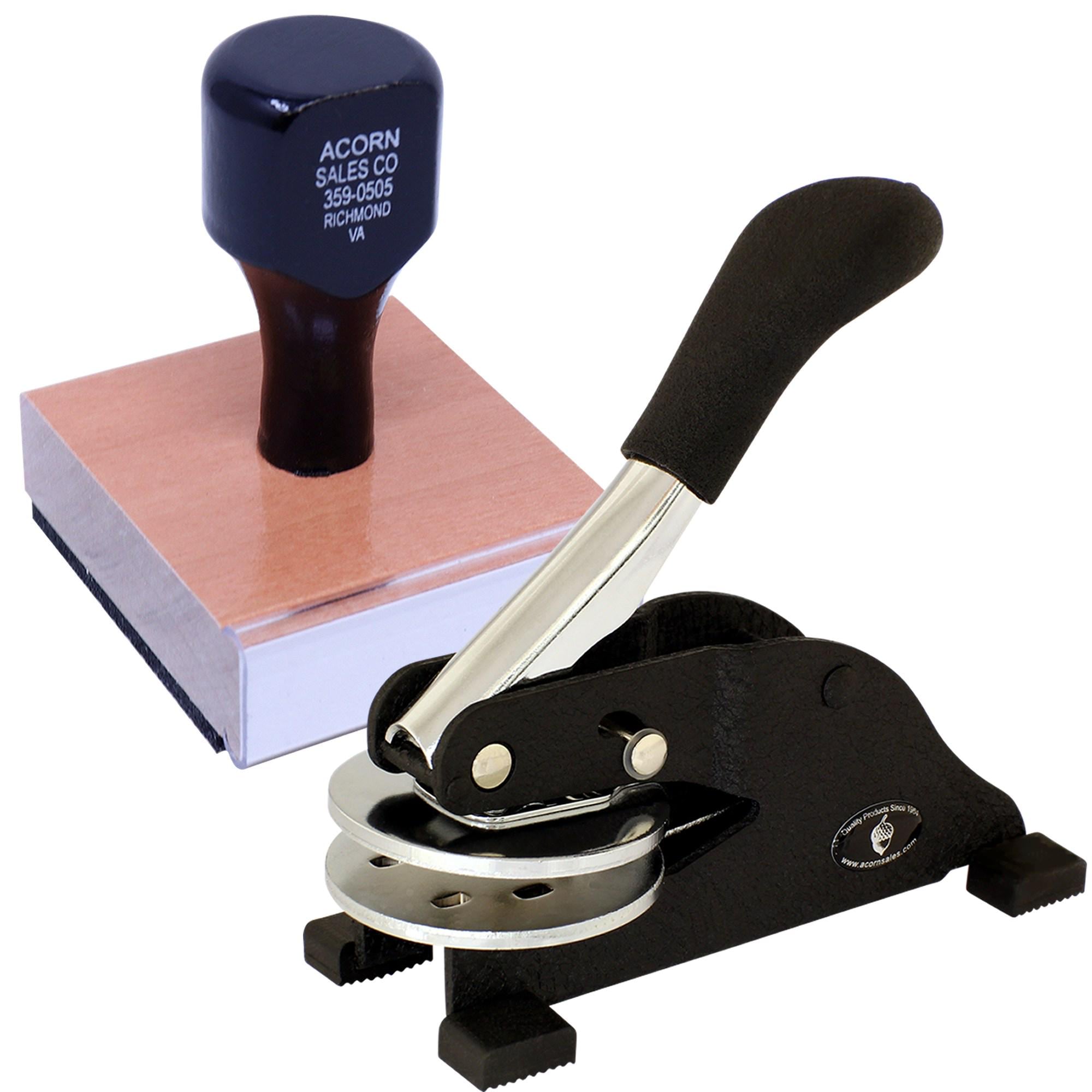
Understanding the importance of Florida notary supplies can make all the difference in supporting your duties as a commissioned notary public. Whether you are just starting out or looking to update your toolkit, having reliable items on hand ensures that you fulfill your responsibilities confidently and in compliance with state regulations. Florida has specific requirements regarding the design and use of stamps, seals, and record-keeping, and staying informed helps you serve clients effectively.
In this guide, you will discover the benefits of quality stamps, how to pick a practical embosser, optional tools that boost your day-to-day efficiency, and tips for finding a reputable vendor. By choosing the right florida notary supplies from the start, you invest in a smoother experience for both you and the individuals who rely on your services.
Below, you will find how to select and maintain your supplies, stay organized with important records, and explore additional items that can enhance your productivity. Let’s walk through each essential element, so you can feel confident about every document you handle.
Understand Florida Notary Basics
Before diving into the individual supplies, it helps to grasp the foundational principles behind Florida’s notary regulations. Your commission gives you the authority to authenticate signatures, administer oaths, and perform other duties that carry legal weight. As such, you must pay close attention to the tools you use and the record-keeping practices you follow.
Review Your Commission Requirements
Confirm that you meet all eligibility standards outlined by the Florida Department of State. You also want to keep copies of the documents you submitted for your notary application, including your oath of office and approval letter.
Keep Up With Renewals
In Florida, notary commissions typically last four years. As you approach your renewal date, you will want to ensure your supplies—especially your stamp—are valid and in top condition.
Follow Legal Standards
Each state has its own rules regarding the appearance and usage of stamps or seals. In Florida, your stamp must include specific elements such as your name, commission number, and expiration date. Always confirm that your chosen stamp provider meets these guidelines to avoid any compliance issues. Understanding how these fundamentals shape your day-to-day work will help you pick supplies that fit the state’s requirements from the start. This knowledge not only safeguards your commission status but also instills confidence in the individuals relying on your notarial acts.
Pick The Right Notary Stamp
Your notary stamp is the most frequently used tool in your arsenal. In Florida, your stamp must clearly display your name (exactly as it appears on your commission), along with the commission expiration date and the words “Notary Public - State of Florida.” Ensuring that your stamp meets these legal requirements is essential to protect the legality of the documents you notarize.
Consider Stamp Types
There are a few main categories of notary stamps you can choose from, each with its own benefits:
- Self-Inking Stamps
- Feature a built-in ink pad.
- Provide clean, consistent impressions.
- Can be re-inked multiple times.
- Pre-Inked Stamps
- Typically offer clearer, crisper imprints.
- Often last longer before needing a refill.
- Might cost slightly more upfront.
- Traditional Rubber Stamps.
- Require a separate ink pad.
- Offer a classic feel but can be messier.
- Less commonly used by modern notaries.
Deciding which type to invest in often depends on the volume of notarizations you perform. High-volume work might justify a more durable and convenient option, such as a self-inking or pre-inked stamp. If you only notarize documents occasionally, you may wish to invest in a simpler, more cost-effective style.
Ensure Legible Details
Always verify the legibility of your personal and commission details on the stamp itself. If even a small portion of this text becomes indistinct over time, it could lead to questions about the validity of your notarial act. Routine checks and ink refills will keep your stamp sharp and professional.
Choose A Quality Embosser
While many Florida notaries rely on stamps for daily tasks, an embosser can add a polished touch to a variety of documents. An embosser raises the paper surface to form a seal impression, which conveys authenticity in a visually distinctive way. Although Florida does not require you to use an embosser, including one in your toolkit can set you apart, especially if you regularly notarize official or ceremonial documents.
Know The Embosser Types
Depending on your workflow, you can select from several embosser designs:
- Handheld Pocket Embossers.
- Compact and lightweight.
- Great for mobile notaries on the go.
- May require more effort to press firmly.
- Desktop Embossers
- Larger but offer a stronger lever for stamping.
- Provide consistent, deeper impressions.
- Ideal for office-based or high-volume notarizations.
When purchasing an embosser, make sure to produce a clear imprint that includes the required notary information in a legible manner. Although an embossed impression offers an elegant look, it is important to confirm that any text remains readable on photocopies or scans of the final document.
Proper Use And Maintenance
Frequent or incorrect use can dull your embosser or cause alignment issues. Examine the raised text every few weeks to ensure the seal remains crisp. If you notice any damage or if your details change—such as your legal name—consider ordering a replacement to maintain professional standards on every page you notarize.
Keep Thorough Notary Records
Maintaining accurate, organized records is essential for verifying your notarial acts and demonstrating your adherence to regulations. In Florida, you are not legally required to keep a journal, but many notaries find it invaluable for clarifying details if any questions or legal disputes arise later.
Why Use A Notary Journal
A notary journal acts as a chronological log of your work. Each entry typically captures:
- Date and time of notarization.
- Type of document notarized.
- Signer’s name and address.
- Type of identification presented.
- Signer’s signature.
While Florida law does not mandate this practice, keeping a journal strengthens both your credibility and protection against future legal issues. Snapshotting each notarial act fosters accountability and makes it easier for you to reference old transactions when needed.
Organizing Paper And Digital Lists
Whether you prefer a paper-bound register or a digital method, clarity is key:
- Paper Journal
- Easy to carry, perfect if you travel for notarizations.
- Store securely and protect from spills or damage.
- Digital Record-Keeping
- Might allow you to gather backups and time-stamped entries.
- Make sure you comply with data privacy rules.
No matter which format you choose, systematic organization prevents confusion, streamlines your daily routine, and helps you handle your tasks with confidence.
Include Useful Extra Supplies
Although stamps and embossers take center stage, you will find that various additional items can streamline your day-to-day notarial work. By keeping these on hand, you reduce last-minute scrambles and maintain a consistent professional image.
Common Add-Ons
- Ink Refills Or Replacement Pads
Even if your stamp and embosser are in good condition, running out of ink mid-signing can create a frustrating delay. Keeping extra ink or additional replacement pads ensures you can continue operating without interruption.
- Notarial Certificates
Florida requires you to use certificates or forms with specific legal verbiage. Having blank acknowledgement and jurat forms ready can expedite your signings.
- Thumbprint Pad
While not mandatory in Florida, requesting a thumbprint from your signer on critical documents can add an extra layer of security. If you opt to do so, store these prints carefully to safeguard personal information.
- High-Quality Pens
Ensure you have a supply of reliable pens that produce clean, permanent ink. This prevents smudges or incomplete signatures when finalizing essential documents.
Personalization And Brand Image
You may also want to consider professional extras that display your name, commission number, or business brand. This could include notary business cards, letterheads, or even a simple nameplate for your workspace. Personal touches go a long way toward establishing credibility and helping clients feel more at ease.
Find A Trusted Supplier
Ensuring that you have quality tools is just as important as the notary supplies themselves. A good supplier stands behind its products, assists you with compliance, and offers prompt delivery so you can avoid unnecessary downtime.
One reputable option is Acorn Stamps, a top resource for Florida notary stamps and Florida notary seals. Family owned and operated since 1964, they bring 60 years of service to notaries across the state. With stellar customer service and super fast turnaround, they are well-known for helping notaries get the most essential supplies in hand quickly. If any of your information changes or you need a new stamp at short notice, a reliable partner can be a lifesaver for meeting your obligations.
Criteria For Choosing The Right Vendor
- Compliance Expertise
Look for suppliers that stay updated on Florida’s laws. They can guide you toward stamps that correctly display all the required information.
- Product Durability
Verify that the materials last under daily use, and check if the supplier offers guarantees on the products.
- Responsiveness
Choose a company prepared to address your questions or concerns. Quick communication can save you time and help you feel confident in your order.
- Range Of Offerings
It is beneficial to purchase not only your stamp or seal but also extras such as ink refills, journals, and certificate forms from the same supplier to simplify shipping and record-keeping.
By carefully selecting your vendor, you make a key investment in the reliability and professionalism of your notary practice. The right partner ensures that your stamp, seal, or any other supply meets or exceeds Florida’s standards.
Frequently Asked Questions
Do I Need A Notary Seal For Florida?
Florida generally requires a notary stamp that includes your commission details, but the state does not strictly mandate an embosser seal. Some Florida notaries use both a stamp and an embosser seal for enhanced verification. If you choose to buy a seal, ensure it clearly displays your name, the state of Florida, and any other mandatory elements.
How Often Should I Renew My Stamp?
Your notary commission in Florida typically lasts four years, so you will need to renew your notary stamp around that time. The stamp itself must accurately reflect updates to your commission date, so remember to purchase a new one when your commission is renewed or if any of your details (such as your legal name) change.
What Is The Typical Turnaround Time For Supplies?
Turnaround time varies by supplier. If you order from a dedicated provider like Acorn Stamps, you can often expect quick processing and shipping. However, it is best to plan ahead by ordering supplies a couple of weeks before you need them, especially if you are about to start your commission or renew it.
Do I Need A Notary Journal In Florida?
A notary journal is not legally required in Florida, but maintaining one is highly recommended for proof and organization. Journals (physical or digital) help you track the date, time, type of document, and signer details for each notarization. This record can be critical if a transaction is ever questioned or if legal challenges arise.
Where Can I Find Reliable Florida Notary Supplies?
You have multiple options, but you should look for suppliers with valid expertise in Florida law and a reputation for quality. Acorn Stamps, for instance, has successfully provided Florida notary supplies for decades. Family owned and operated since 1964, they understand the unique requirements for Florida notaries and offer stamps, seals, and other essential items with stellar customer service.
By equipping yourself with dependable notary supplies, you demonstrate professionalism, safeguard your commission status, and create a positive experience for every signer. Whether you are refreshing your current toolkit or starting from scratch, the right resources can transform a complex process into one that is both streamlined and legally sound.