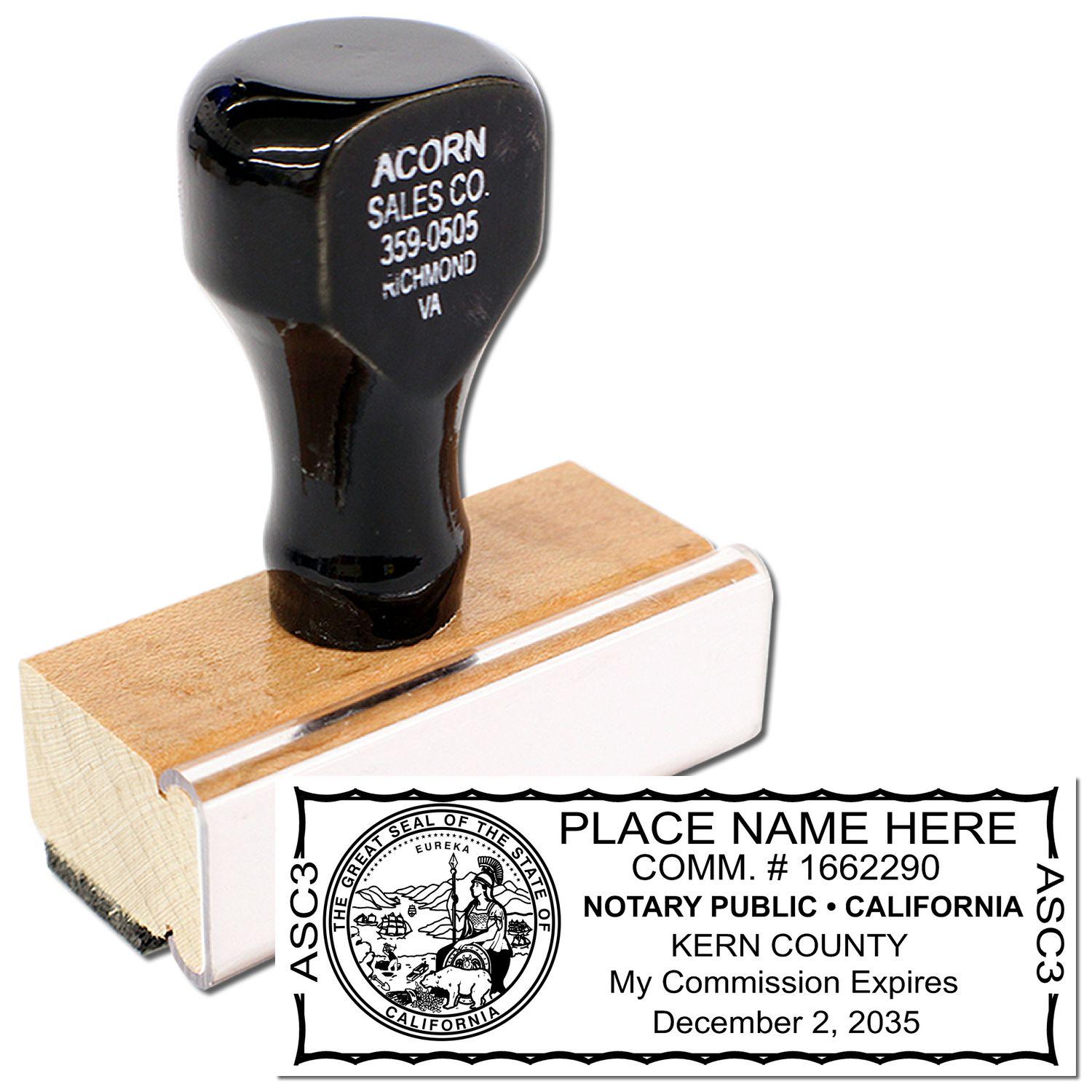
California notary seal requirements can often feel confusing if you are just starting your commission. You need to know exactly what your seal should include, how to use it properly, and where to find a reliable supplier. Whether you are brand-new or looking to refresh your knowledge, this guide will walk you through what you need to know so you never get caught out. By the end, you will feel confident about meeting every requirement and ensuring your documents remain valid and professional.
Understand the Basics of California Notary Seals
Before you place your official stamp on any document, you will want to fully understand what goes into a California notary seal. It is not simply about having a neat design. The seal must follow strict guidelines set out by the California Secretary of State to ensure authenticity and protect against fraud.
Why Your Seal Matters
Your seal represents your authority as a California Notary Public. That small impression on a piece of paper verifies that you have witnessed a signature or administered an oath correctly. Because it carries clear legal significance, part of your job is to make sure your seal meets every specification. If your seal is incomplete or noncompliant, you risk invalidating a notarized document. This can lead to legal complications, customer dissatisfaction, and damage to your practice.
Key Legal Requirements
Although the state periodically updates certain notary regulations, the foundation remains consistent. Generally, your California notary seal must:
- Include your exact name as it appears on your official notary commission.
- State the words “Notary Public” and “State of California.”
- Display your commission number.
- Show your commission expiration date.
- Contain the county where your oath and bond are on file.
Always double-check the exact wording requirements with the most current California notary guidelines. Missing or misstating any detail can result in a noncompliant seal, which means you could unwittingly invalidate documents or face disciplinary measures.
Explore the Main Elements of a Compliant Seal
While the broad guidelines remain stable, the specific design of your seal is just as essential. Depending on your preferences and the guidelines provided by the Secretary of State, you can typically choose from circular or rectangular designs. Regardless of shape, each valid seal should include the required text, your commission details, and a border that clearly separates the imprint from surrounding text.
Required Wording and Information
Your California notary seal requirements center on clear identification. When you press your seal onto a document, anyone reading that document should be 100% sure that a valid notarial act took place. To ensure clarity, your seal must contain:
- Your Name: It should match the name on your commission exactly, without abbreviations or additional titles.
- Commission Number: This is your unique identifier.
- Expiration Date: Your commission is valid up to a certain date. That date must be on your seal.
- County of Filing: Indicate the county where you filed your oath and bond.
- The Words “Notary Public” and “State of California”: These words establish your authority and rank as a California Notary Public.
Shape, Ink, and Legibility
Although you have some discretion regarding size and shape, a good rule of thumb is to keep your seal compact enough to fit in document margins clearly, yet large enough to remain clear and readable. Typical shapes are round (approximately 1½ to 2 inches in diameter) or rectangular (usually not exceeding 1 inch by 2½ inches). Ink color should produce a sharp, legible impression. Many notaries use an inked stamp or an embosser. A visible ink stamp is often preferred to ensure clarity in photocopies.
- Use dark ink (commonly black or dark blue) for better contrast.
- Ensure every letter is easily readable.
- Check for smudging or blank spots regularly.
Because each notarized document is a legal record, you want your seal to appear crisp and professional every single time.
Avoid Common Mistakes and Penalties
As straightforward as these requirements may sound, even seasoned notaries make mistakes. Thankfully, most errors boil down to oversight or lack of periodic review. Being aware of the most common pitfalls will keep your commission in good standing.
Using an Outdated Seal
When you renew your commission, you must also update your seal. Many new notaries assume their existing seal is valid until they physically destroy it, but that is not the case. Once your commission number or expiration date changes, you must replace your seal. It is important to avoid using a seal that references an old commission date.
Incorrect or Missing Information
Small details, when missing, lead to large complications. Double-check that the county on your seal corresponds to the county where you filed your bond. If you have switched counties, then your old seal might no longer be compliant. Using an incomplete seal, such as one without a visible expiration date, can invalidate a document or prompt a complaint.
Failure to Record Seal Usage
While the actual imprint of your seal is crucial, do not forget to log every notarization in your official notary journal. The California Secretary of State expects you to track every act, including the details of when and how you applied your seal. Failing to maintain accurate records could result in fines or even revocation of your commission.
Best Practices for Notary Seal Maintenance
Once you obtain a proper seal, your job is not just to store it in a drawer and forget about it. Regular care protects you against wear and tear, diminishes the chance of faint impressions, and prevents unauthorized use.
Keep Your Seal Secure
Your seal should remain protected to avoid fraudulent use by anyone else. Store it in a locked drawer or safe, and never leave it in public view. If your seal is lost or stolen, report it immediately to local authorities and follow California’s guidelines for notifying the Secretary of State.
Check Stamp Quality Periodically
Seals can degrade over time, especially if you handle a high volume of notarizations. Make sure each imprint remains sharp. If you notice fading or partial prints, it is time to reorder or re-ink your seal. The clarity of the ink is crucial for documents that need to be scanned or photocopied.
Destroy Old Seals Responsibly
When your commission changes or you decide to replace a worn seal, destroy the old one. Doing so prevents anyone from using an invalid seal to commit fraud. You can cut through the rubber portion of a stamp or physically break an embosser’s die. Always confirm the recommended destruction method with the California Secretary of State to ensure compliance.
Partner With Acorn Stamps for a Compliant Notary Seal
Finding a reliable supplier saves you from worrying about spelling errors, incorrect formatting, or missed deadlines. At Acorn Stamps, we know the ins and outs of california notary seal requirements. Our family-owned business has been serving notaries across the state for 60 years, and we pride ourselves on delivering fast, high-quality stamps and seals that follow every state guideline.
Why Choose Acorn Stamps
- Top Supplier of California Notary Seals and Stamps: With decades of experience, we focus on the specific requirements you face as a California Notary Public.
- Stellar Customer Service: Our friendly team understands the importance of accuracy and speed. We promise quick turnarounds so you can keep your business running smoothly.
- Family-Owned and Operated Since 1964: We have built a reputation on trust and service. Your seal is produced with care, and we stand by the quality of our work.
When you order from Acorn Stamps, you do not have to second-guess whether your commission number, county, and expiration date appear correctly. We verify each piece of information to fairly guarantee your seal meets the standards set by the state. Our goal is to make the process painless for you, so you can focus on performing your notarial duties with confidence.
Ensure Legal Compliance With Every Notarial Act
Having the right seal is only half the battle. You must actually apply this seal in the correct manner every time you witness a signature or administer an oath. To keep your documents valid:
- Confirm Signer’s Identity: Always confirm the signer’s identity with a valid photo ID.
- Complete Journal Entry: Log every detail in your official notary journal, including the signer’s name, type of ID, and signature.
- Position Your Seal Clearly: Place the seal near your signature without overlapping text or signatures.
- Double-Check Document Details: Proof the document for correct dates and any required wording, especially for jurats or acknowledgments.
- Provide the Notarial Certificate: Attach the appropriate certificate if the document does not include notarial wording.
Sticking to these steps helps you avoid rework and potential legal issues. Documents or signatures lacking the proper notarial certificate or seal may not hold up in court or for official recordkeeping.
Renewing Your Commission and Updating Your Seal
Your notary commission is valid for a set number of years, after which you must renew. Once you take the renewal oath and file the required bond, it is critical to order a new seal that highlights your updated commission number (if it has changed) and new expiration date. Promptly replacing your seal ensures continuity of your notarial services without risk of using an expired or invalid seal.
Timeline for Renewal
Most California notary commissions are valid for four years, but always confirm your exact date with the Secretary of State. You can start the renewal process around six months before your expiration to avoid a lapse. Also, remember to destroy your old seal once it no longer applies, and keep your new commission details on file for reference.
Handling Unique Situations
Though many transactions involve straightforward acknowledgments or jurats, you will occasionally come across scenarios raising additional questions.
Out-of-State Documents
If you need to apply your California notary seal to a document intended for another state, you generally follow California law. However, the receiving state might have extra requirements. In most cases, the notarial act is valid if you follow California law, but advise signers to confirm acceptance in the destination state.
Remote Online Notarization (RON)
Currently, California does not allow full remote online notarization in the same way some other states do. Always confirm the most recent legislative updates if you receive any request to notarize a document remotely. You still need to use your physical seal for most notarial acts, unless the law changes and new guidelines are provided.
Frequently Asked Questions
Below are five frequently asked questions about california notary seal requirements to help you feel even more prepared.
Do I need a seal if the document already has notarial wording?
Yes. Even if a document includes the correct notarial certificate or wording, your notary seal is necessary to authenticate the act. The wording alone does not replace the seal requirement under California law.
Can I order a seal before receiving my commission number?
You should wait until you have your official commission number and commission expiration date. Any seal you order must include these exact details to be valid.
What if my seal impression is partially smudged on the document?
To avoid any doubts about validity, it is best to correct the error immediately. You may either re-seal on the same document (if space allows) or attach a separate notarial certificate. Make sure the final result is clear and legible.
Do I need different seals if I file my commission in multiple counties?
In California, you only file your oath and bond in the county where you primarily operate. That county’s name must appear on your seal. If you move counties during your commission, you need to update your seal once your bond and oath are on file in the new county.
Where should I store my seal when I am not using it?
Always keep your seal in a secure area, such as a locked drawer, safe, or cabinet. Letting others access your official seal can open the door to misuse or fraud. Ensuring your California notary seal meets every requirement may feel like a juggling act at first, but it pays off in fully valid, trusted notarizations. The key is to stay on top of your commission details, provide complete and accurate information, and source your seal from a reputable supplier that knows these requirements inside and out.
At Acorn Stamps, we strive to simplify that process. Our team double-checks every detail so you can focus on delivering top-notch notarial services. When it comes to guaranteeing compliance, a little attention to the rules and a high-quality stamp can save you and your clients significant hassle in the long run. By keeping your seal up to date, consistently following best practices, and renewing on time, you will continue to provide trustworthy, efficient notarial services that your clients can count on every day.