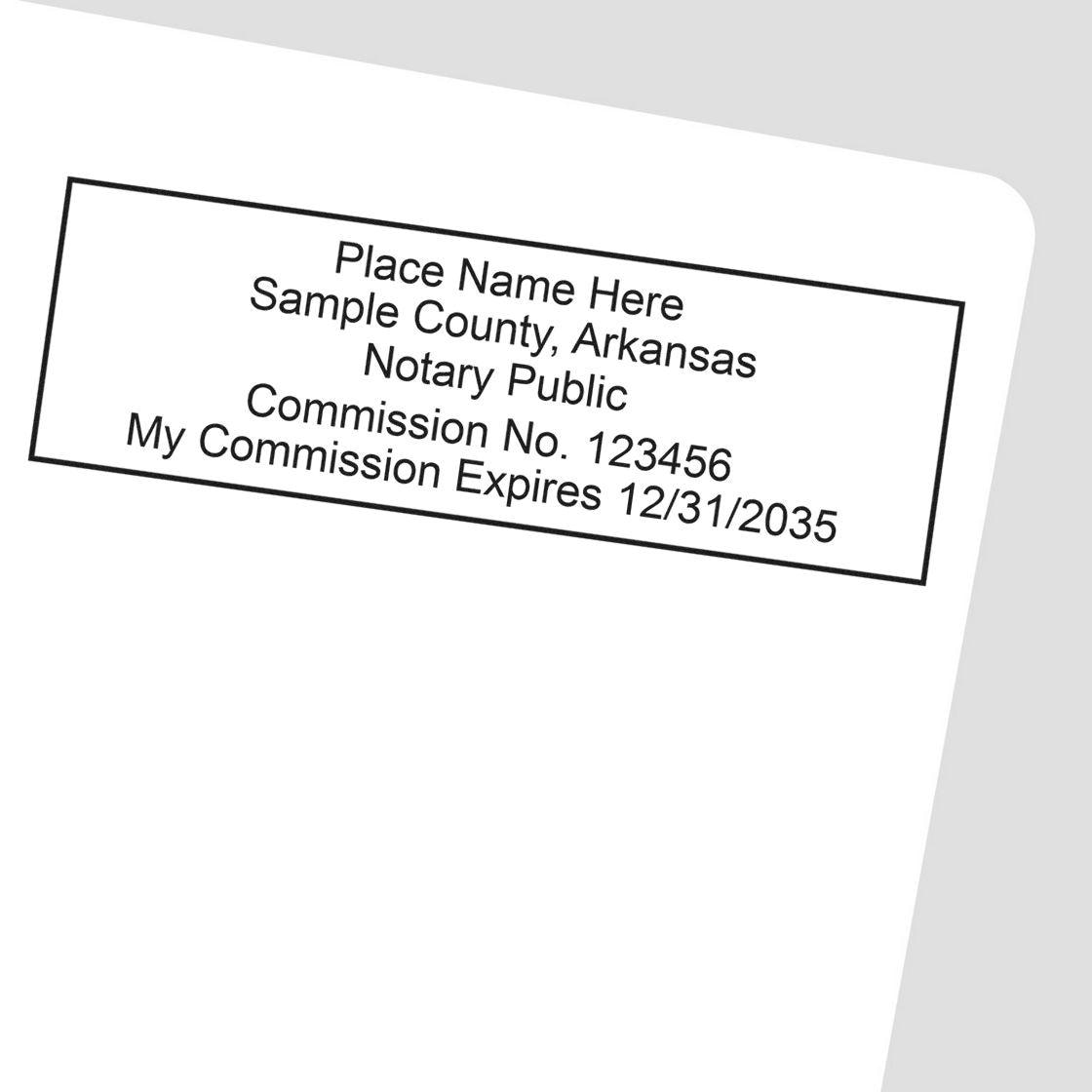
If you want to excel as an Arkansas Notary Public, understanding Arkansas notary seal requirements is one of the most important steps you can take. A properly designed, maintained, and used notary seal ensures your notarizations are valid under state law, protecting you and your clients. Fortunately, staying compliant doesn’t have to be complicated. By focusing on a few key details and choosing the right tools, you’ll set yourself up for long-term success. Below, you’ll discover everything you need to know about your notary seal, from what it represents to how to care for it. You’ll also find practical tips for making the most of your career as a commissioned notary in Arkansas.
Understand the Basics of a Notary Seal
Your notary seal isn’t just a stamp—it’s a symbol of trust and credibility that verifies your authority to witness signatures and authenticate documents. When you place your seal on a document, you’re confirming that it was signed willingly and that accurate identification steps were followed. Here’s what you need to keep in mind:
- Your notary seal must clearly show the name under which you’re commissioned.
- Including the phrase “Notary Public” and the name of your county is typically required.
- The seal’s impression assures clients and recipients that your commission is valid.
In Arkansas, the seal provides an official record of your notarization. It’s an essential piece of equipment you’ll use regularly, so investing in a durable, high-quality seal or stamp is critical. Family-owned and operated since 1964, Acorn Stamps offers sturdy Arkansas notary stamps and seals for notaries of all experience levels. When you’re working with official government documents, you want products capable of producing a clean impression throughout your commission.
The basics come down to clarity and consistency. You want your seal impressions to be legible on every single page that calls for notarization. If your seal is too faint, incomplete, or hard to read, the notarized document might not be recognized by relevant authorities, causing hassles for both you and your clients. By ensuring your seal is crisp and correct, you’re preserving the trust placed in you as a notary.
Meet Arkansas Notary Seal Requirements
Regulations for notary seals differ from state to state, but Arkansas notary seal requirements are fairly straightforward and strictly enforced. Make sure you understand each aspect so you can avoid any compliance issues:
Required Wording
Your seal should include “Notary Public,” the name under which you’re commissioned, your commission number (if required by Arkansas law), and possibly the state or county of your commission. Consult current Arkansas law to confirm specifics.
Size and Legibility
While there isn’t a single mandated size for every notary seal, Arkansas typically requires the seal or stamp to produce a clear, readable impression that doesn’t obscure text or stray off the page.
Approved Formats
Seals often come in different styles (circular, rectangular, or oval). Arkansas law doesn’t usually mandate a specific shape, but it does require certain elements such as your name, the state, and the phrase “Notary Public.”
Ink ColorsMany notaries opt for black ink because it tends to photocopy well. Check if your county or local jurisdiction recommends or requires a specific ink color. Whichever color you choose, ensure it stands out on common paper formats.
Accessibility for Verification
Your seal impression should be easily verifiable. Whether you use an embosser or self-inking stamp, the seal must remain clear for anyone who needs to confirm the document’s authenticity.
If you have any doubts, always double-check updated Arkansas legislation or consult a local authority. For convenience, pick a trusted supplier like Acorn Stamps, which has been serving the notary community for over 60 years. They understand Arkansas regulations and can help you find the right seal format, so you can continue your notary duties without worry.
Select the Right Stamp or Embosser
Choosing between an inked stamp and an embosser for your notary seal is largely a matter of personal preference, but it also depends on how you plan to use it. Each style offers its own advantages:
Inked Notary Stamps
- Speed: If you expect to notarize multiple documents each day, an inked stamp saves time with quick, repeatable impressions.
- Visibility: Inked impressions are easy to see on both original and photocopied documents.
- Portability: Self-inking or pre-inked stamps are compact and can be used on different surfaces, making them a favorite for mobile notaries.
Embossers
- Appearance: An embosser raises the paper, creating a professional, tactile impression. Some people prefer the timeless look and feel.
- Security: Embossed seals are more difficult to forge since a raised imprint is harder to replicate exactly.
- Tradition: Many notaries appreciate the traditional approach and find embossed documents more official-looking.
Both styles can meet Arkansas notary seal requirements, but the key is selecting a product designed to last. At Acorn Stamps, each notary seal—stamp or embosser—is engineered to make a consistently clear impression, so you never have to worry about misalignment or fuzzy text. If you’re uncertain about which option fits your practice, consider how frequently you’ll notarize documents, what medium you’ll be stamping on, and whether you prefer an ink-based or embossed seal.
Ensure Proper Use and Maintenance
Once your seal is ready, using it correctly is vital for maintaining compliance. A few small habits go a long way in prolonging the life and clarity of your notary stamp or embosser:
Test Before You Stamp
Always do a quick test stamp or emboss on a scrap sheet of paper if your seal hasn’t been used recently. This ensures the impression is still crisp.
Store It Securely
Whether you choose a traditional or self-inking stamp, be sure to store it in a protective case or bag. Keeping it away from moisture and extreme temperatures preserves both the impression device and your ink pads.
Use Consistent Pressure
Excessive force can wear down internal components faster, leading to fuzzy or incomplete impressions. Apply firm, even pressure so that the entire seal is cleanly transferred.
Replenish Ink As Needed
If you’re using a self-inking or pre-inked stamp, pay attention to the color and clarity of each impression. When it starts to fade, it’s time to refill or replace the ink pad to maintain compliance with Arkansas notary seal requirements.
Keep It Confidential
Your seal is a serious matter of legal authenticity. Never let others use it or store it without your knowledge. Your seal is as personal as your signature for official documents.
Routine maintenance ensures you don’t run into errors that derail your notarization process. By caring for your seal consistently, you also save money in the long run, since you won’t have to replace it prematurely. And if you ever need a repair or replacement, Acorn Stamps offers quick turnaround times to get you back on track without delay.
Avoid Common Pitfalls and Fees
Detailed attention to the rules makes your life as a notary much simpler. Even small mistakes can lead to significant problems, including rejected documents and potential legal or financial repercussions. To stay on the safe side:
Double-Check All Document Details
- Always confirm that signatures and dates are in the right places. Missing dates, incomplete addresses, or incorrect names can make a notarized document invalid, resulting in extra scrutiny or additional fees.
Use the Correct Seals for Each Commission
- If you’re commissioned under multiple names or in multiple states, you need seals that align exactly with each jurisdiction’s requirements. Mixing them up (even just once) can cause confusion or potential fines.
Keep Updated with State Laws
- Arkansas notary rules can evolve. Periodically check the latest guidelines so you’re never caught off-guard by new requirements. If you’re ever in doubt, official state resources or local authorities can clarify the most recent amendments.
Record Notarial Acts in a Journal
- Although journaling practices can differ by state, it’s good practice in Arkansas to keep a record of your notarizations. Tracking dates, document types, and parties involved can shield you from liability if a transaction is challenged later.
Verify Client Identity Diligently
- As a commissioned notary, you have the authority to validate identification. This is not a step to take lightly—always request secure identification documents and make sure names match before stamping.
Avoiding these pitfalls helps you maintain professional standards that your clients will appreciate. That effort builds trust and encourages repeat business, which is especially important if you’re a traveling notary or plan to expand your services.
Take Advantage of Acorn Stamps Support
Working with a reliable stamp provider can save you time and frustration, especially where regulations are concerned. Acorn Stamps has helped Arkansas notaries navigate state-specific guidelines for more than 60 years. As a family-owned and operated company since 1964, they’ve earned a reputation for:
Stellar Customer Service
When you need a new stamp or replacement part in a hurry, you want a supportive team who understands local regulations. At Acorn Stamps, you’ll get that personal touch at every step.
Super Fast Turnaround
Orders often need quick processing, especially if you’ve used up your current seal or your existing stamp breaks down. Acorn Stamps works swiftly to ensure you keep notarizing without disruption.
Expert Guidance
Unsure which type of stamp fits your needs? Acorn Stamps can help you choose the style and format that meets Arkansas notary seal requirements while suiting your level of activity.
Durable Products
Cheap, unreliable seals can leave faint or incomplete impressions that jeopardize document validity. With Acorn Stamps, you can expect sturdy designs built to last your entire commission period.
Whether you’re a brand-new notary or a seasoned professional, having dependable support behind you increases your efficiency and confidence. When you meet your clients with a sturdy notary seal that produces a flawless impression, you highlight your commitment to quality and precision.
FAQs
Below are five common questions Arkansas notaries ask about seals and requirements:
How Often Do I Need To Replace My Notary Seal In Arkansas?
You generally use the same seal throughout your current commission term, as long as it remains clear and legible. If you renew your commission or if your seal wears out, you’ll need a new seal that reflects your updated commission details.
Can I Use A Personal Logo On My Arkansas Notary Stamp?
Arkansas law focuses on required text—name, commission information, and the designation “Notary Public.” While some states allow extra design elements, always ensure the mandated elements remain prominent and text is easily readable. If in doubt, verify through official channels.
Are Electronic Notary Seals Permitted In Arkansas?
Arkansas does have provisions for electronic notarization, but it requires specific authorization. If you plan to provide e-notary services, confirm you have the correct credentials and the technology that adheres to state regulations.
What If My Seal Impression Is Faint Or Missing Part Of The Text?
A faint or incomplete seal might invalidate the notarized document. In such cases, replace or re-ink your seal immediately, and consider re-notarizing the paperwork if applicable. Always prioritize clarity to ensure your notarizations stand up to scrutiny.
Should I Keep A Backup Notary Stamp Or Embosser?
Many notaries do keep a backup, especially those who notarize frequently. Mechanical failures can happen, and having a secondary seal prevents delays. Just remember to secure both seals to prevent misuse.
Mastering Arkansas notary seal requirements helps you build a distinguished reputation as a reliable notary public. By being meticulous about your seal, obeying state laws, and offering first-rate service, you’ll provide valuable expertise that makes a real difference for individuals and businesses in your community. In return, you’ll enjoy the peace of mind that comes from knowing you’re fully compliant—and ready to handle every notarization with professionalism and confidence.