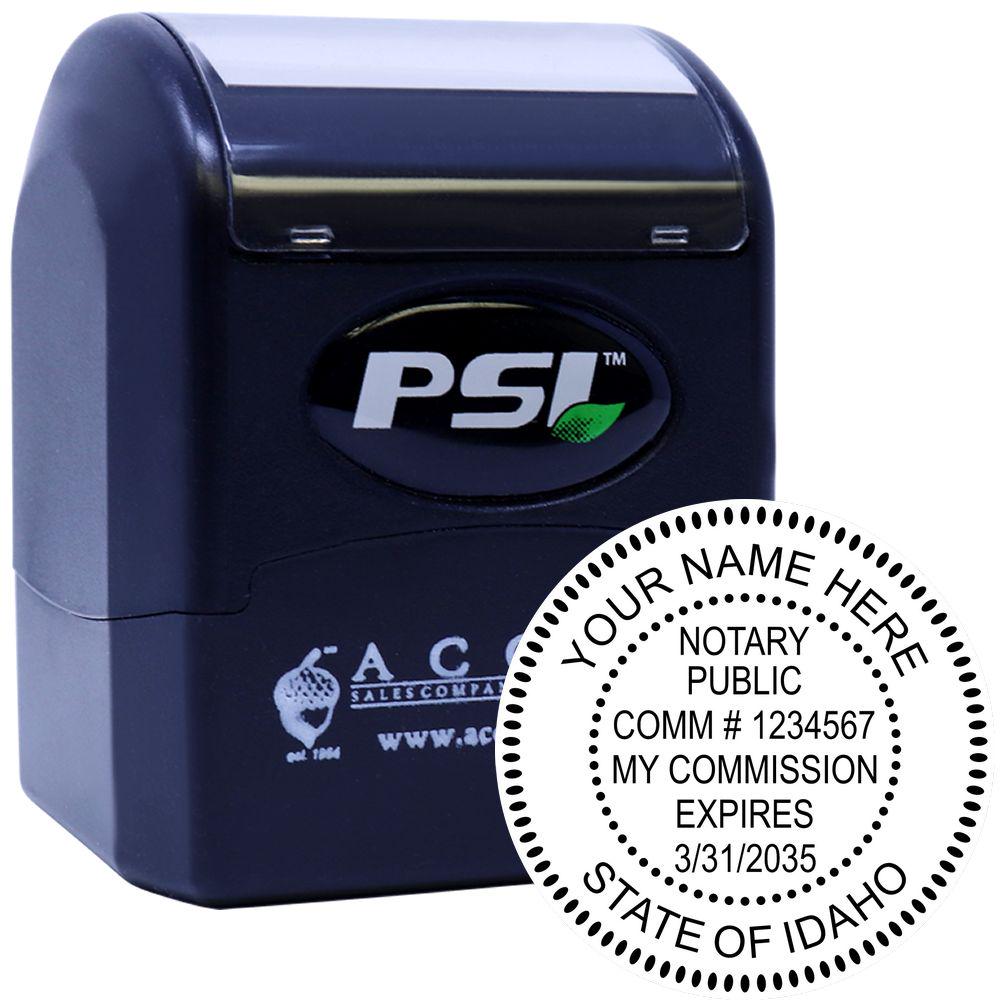
You have an important role as an Idaho Notary Public, and reliable ID notary supplies make your daily tasks much easier. Whether you are stamping loan documents, verifying signatures, or providing sworn statements, you need tools that meet state requirements and ensure a professional impression. Having the right notary stamp, seal, and accessories spares you from last-minute hassles and helps you focus on delivering accurate service. In this article, you will learn what to look for in core supplies, discover how to maintain them, and see why Acorn Stamps has been a trusted name for more than 60 years.
Understand Your Notary Needs
Before you invest in your ID notary supplies, it helps to clarify exactly what you need for your role. Idaho sets specific guidelines for notary stamps, embosser seals, record-keeping, and security. Some offices may have additional preferences or requirements, but your main goal is to remain compliant with state law while maintaining a smooth workflow.
Check Idaho Regulations
- Notary Stamp Requirements: Idaho requires you to use a clearly legible ink stamp or embosser that includes your name, the words “Notary Public,” and “Idaho.” You must also incorporate your commission number, which helps identify your work and confirm authenticity.
- Expiration Date: Many notary stamps contain your commission expiration date to further validate your stamp. This additional detail can discourage misuse and reassure anyone relying on your notarization.
- Seals vs. Stamps: In Idaho, you can use an ink stamp, an embossed seal, or both. Make sure to verify the exact requirements for your commission.
Practical Considerations
- Frequency of Usage: If you handle many notarizations daily, you might prefer a durable self-inking stamp. If you notarize documents occasionally, a manual stamp or embosser could be enough.
- Document Types: Thicker documents might be easier to emboss, but for most standard pages, an ink stamp is quick and practical.
- Record-Keeping: Idaho recommends keeping a notary journal or log to track each transaction. This added step protects you from liability and proves the legitimacy of your work.
Understanding the requirements and your workflow saves you from purchasing the wrong supplies. It also ensures that you do not run into compliance issues, which could cause costly delays or put your commission at risk.
Choose the Right Stamp
Your notary stamp plays a central role in your day-to-day tasks. A crisp, clear image tells your clients you are organized and professional. Idaho notary stamps often feature your name, the words “Notary Public,” “Idaho,” your commission number, and, where preferred, your commission expiration date. Finding the right style at the start will save you money on replacements down the line.
Self-Inking vs. Pre-Inked
Two popular types of notary stamps are self-inking and pre-inked. While both are convenient, there are differences to consider:
- Self-Inking Stamps
Ink Pad Built In: These stamps contain an internal ink pad that re-inks the die after each use.Quick, Crisp Impression: Self-inking stamps offer fast stamping without requiring a separate ink pad.Moderate to Heavy Use: Expect up to thousands of impressions before needing a refill.
- Pre-Inked Stamps
Ink Embedded in the Die: The stamp die itself contains the ink, resulting in a very sharp image.Smoother Operation: Pre-inked stamps generally produce less noise and require slightly less pressure.Long Endurance: You can often get more impressions out of a pre-inked stamp before re-inking.
Key Factors for Stamp Selection
- Ink Color: Black is standard, but blue or other colors may be allowed if they contrast well on documents. Read your local guidelines to be sure.
- Durability: Look for a sturdy stamp body. Cheaper stamps can break easily, especially if you use them multiple times a day.
- Refilling: If you opt for a refillable stamp, keep extra ink on hand. Running out of ink unexpectedly can delay your notarizations.
- Size: A large stamp might not fit neatly in the margins of certain documents. Make sure the design meets Idaho’s size requirements while staying compact enough for everyday use.
Choosing the right stamp can streamline your workflow. Selecting a notary-friendly design that avoids smudges and yields clean impressions each time helps you maintain a professional image.
Pick the Perfect Seal
An embossed seal adds a sense of tradition and prestige to your notarial acts. While Idaho recognizes rubber stamps, you may prefer the security and authenticity that come with a raised impression. If you want to use an embosser either as your primary or secondary method of notarizing, pick one designed for easy handling and precise pressure.
Types of Embossers
- Handheld Embosser
Compact and Portable: Ideal if you travel to meet clients, as it easily fits in a bag.Manual Pressure: Requires hand strength. If you deal with lengthy documents, your hand might get fatigued.
- Desk Embosser
Stable Design: Usually sits on your desk, so you can apply even, reliable pressure.Less Portable: Bulkier than a handheld model, but often more comfortable for frequent use.
Embosser Best Practices
- Positioning: Apply the seal near or next to your signature to confirm authenticity without overshadowing the text.
- Impression Clarity: Place a scrap sheet under the page for a tighter seal. This trick ensures the page embosses cleanly.
- When to Offer Embossed Seals: Some clients specifically request a raised seal. It can serve as an extra layer of security, especially for legal or financial documents.
Whether you use a stamp, seal, or both, making sure each impression is readable builds trust. In Idaho, a notary embosser can be a valuable addition, especially for forms that require a more traditional mark.
Stock Up on Essentials
You may think that a stamp or seal is enough, but a complete set of ID notary supplies requires a few other items to keep your workflow organized, efficient, and compliant.
Journals and Logbooks
A notary journal is more than just a record of each notarization. It is also a protective measure in case clients or the state question a past notarization. In Idaho, you might not be legally required to keep one, but doing so is strongly recommended.
- Record Client Details: Note the signer’s name, type of document, date, and ID verification method.
- Track Fees: If you charge fees for your notarial acts, you can keep a running total that helps you stay organized for tax season.
- Protect Yourself: A properly maintained journal is evidence that you followed correct protocols if any disputes arise.
Ink Pads
Even if you own a self-inking stamp, an external ink pad can come in handy. Sometimes a stamp’s ink pad runs low, or you need a different color quickly. Keep an extra pad on hand so you never turn away a client due to lack of ink.
Security Supplies
As a notary, you often handle confidential documents. Consider adding a few security measures to your kit:
- Locking Bag or Briefcase: Secure your stamp, seal, and journal when you travel. This protects against theft or tampering.
- Tamper-Evident Stickers: For certain documents, you can apply security stickers that show if someone has tried to remove or alter your seal.
- Secure Storage at Home or Office: Keeping your notary kit in a locked drawer or cabinet preserves the integrity of your tools.
Office Essentials
While not strictly notary tools, items like sticky notes, paper clips, and file folders keep your workspace orderly. You can also invest in a quality pen for signing certificates, so your signature always looks consistent.
Maintain Your Tools Properly
Your notary supplies are an investment. By caring for them, you reduce the frequency of replacements, protect your professional reputation, and ensure consistent results.
Stamp Care Tips
- Refill on Time: Keep a small bottle of ink handy and refill as soon as you notice lighter impressions.
- Clean Excess Ink: Occasionally wipe the stamping surface with a soft cloth to remove accumulated residue.
- Protect from Heat: Avoid storing your stamp in direct sunlight or near heat sources since excessive temperatures can degrade the ink.
Embosser Maintenance
- Store Safely: When not in use, place your embosser in a protective case or box so the die does not get bent.
- Periodic Checks: Press the embosser lightly on a scrap piece of paper to make sure the raised image is aligned. If the seal appears misaligned, contact the supplier or manufacturer for adjustments.
- Avoid Overexertion: If you notice that applying your embosser requires excessive force, the die might be getting dull. Replacing it promptly will spare you hand strain and ensure crisp imprints.
Journals and Logbooks
- Keep Them Secure: If you use a physical logbook, store it in a locked drawer or safe.
- This cannot be overstated, since your journal might contain sensitive client details.
- Use Archival Ink: When you log entries, use an acid-free pen with archival ink so your notes remain legible for years.
Regular maintenance preserves the life of your supplies and ensures you can continue to perform your duties with confidence.
Rely on Acorn Stamps
Finding ID notary supplies you can trust often means turning to a dedicated, reputable company. Acorn Stamps has earned a name for stellar customer service, super fast turnaround, and a family-owned approach to business since 1964. That means you benefit from decades of experience supporting Idaho notaries.
What Sets Acorn Stamps Apart
- Deep Expertise: After 60 years in the stamping and sealing industry, Acorn Stamps understands the nuances of Idaho’s notary requirements. You will get accurate guidance on everything from design layout to verifying your commission details.
- Quality Craftsmanship: Each stamp and seal is made to withstand daily use. Compliant text, high-grade materials, and clear impressions give you peace of mind when you reach for your notary kit.
- Fast Turnaround: You should not have to wait long for crucial supplies. Acorn Stamps offers efficient production and shipping so you can begin using your new stamp or seal as soon as possible.
- Personalized Customer Service: As a family-owned business, Acorn Stamps aims to connect with you one-on-one. If you have questions about your order or want to confirm you are following the latest Idaho guidelines, their responsive team is happy to assist.
Ordering Made Simple
Getting started with Acorn Stamps is easy:
- Send your Commission Details: Provide the exact spelling of your name, commission number, and any other required information.
- Choose Your Preferred Format: Pick a self-inking or pre-inked stamp, a desk or handheld embosser, or both.
- Confirm Shipping Times: Acorn Stamps turns orders around quickly. Expect clear communication about delivery dates so you know exactly when your supplies will arrive.
Offering Multiple Products
You can outfit your entire notary kit in one go. From spare ink pads and secure carrying cases to official notary journals, you will find everything you need to handle the demands of your office or mobile notary services.Relying on Acorn Stamps means you can concentrate on your notarial duties instead of juggling supplier delays or subpar supplies. When you are ready to upgrade your ID notary supplies, make sure to check out their complete product lineup.
Frequently Asked Questions
Below are five questions about Idaho notary supplies and common scenarios you might encounter:
How Long Does a Typical Notary Stamp Last?
This depends on the type and quality of the stamp. A self-inking stamp usually provides thousands of impressions before needing a refill, while pre-inked stamps often yield even more. Proper cleaning and storage can extend the life of either type.
Can I Use Multiple Stamps and Seals for a Single Commission?
Yes. Many Idaho notaries keep both an ink stamp and an embosser on hand. This allows you to cater to different document needs or client requests, while still meeting state requirements for legibility and authenticity.
Do I Need an Expiration Date on My Idaho Stamp?
Idaho law does not specifically require your stamp to show your commission expiration date. However, many notaries choose to include it for added clarity. If you do opt for an expiration date, ensure it is always correct to avoid confusion or invalidations.
What Are the Most Common Mistakes with Notary Stamps?
One frequent mistake is failing to re-ink the stamp, resulting in faint impressions that are hard to read. Another issue is forgetting to verify your information before production. Always double-check your name, commission number, and any required phrase.
How Should I Store My Notary Seal or Stamp Off-Hours?
Keep your stamp, seal, and journal in a locked cabinet or bag to protect against unauthorized use. You are responsible for any notarial act performed with your tools, so secure storage is critical. Storing them properly also protects stamps from damage and ensures clean impressions for your next appointment.
By selecting the right ID notary supplies and keeping them in excellent working condition, you ensure efficiency, compliance, and professionalism in every notarization you perform. From precision stamps to reliable embossers, each part of your toolkit matters. With guidance from Acorn Stamps, you can easily find and maintain the essentials, saving yourself time and stress for years to come.