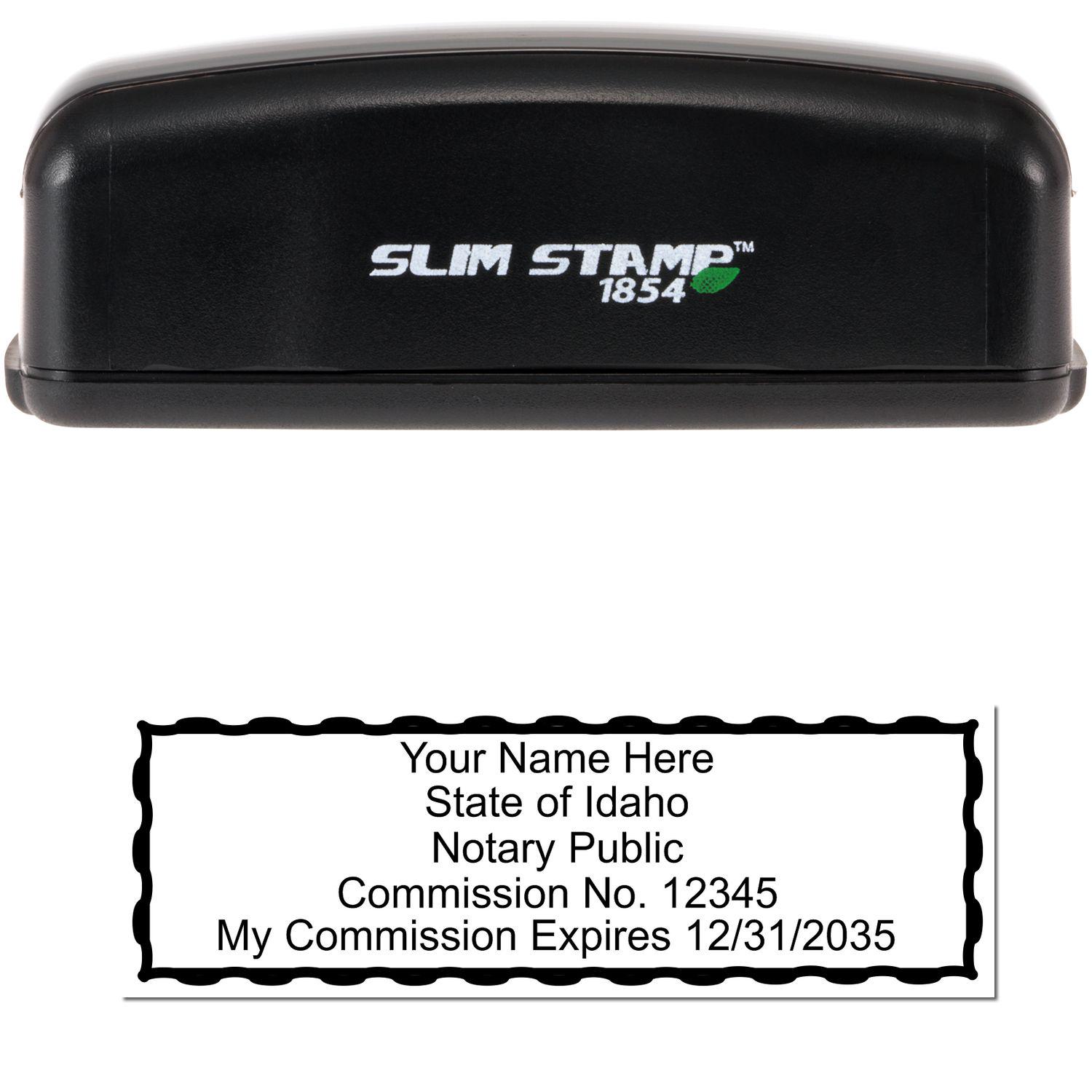
Your Idaho notary stamp and seal are at the heart of your work as a notary public. They serve as visible, reliable proof that you have verified identities and that you stand behind the documents you notarize. By understanding all the moving parts involved—legal requirements, best practices for daily use, and how to maintain your supplies—you can carry out your duties with total peace of mind. Below, you will find a handy guide to help you select and care for your Idaho notary stamp and seal, as well as some friendly tips on keeping everything compliant with Idaho law.
Explore Idaho Notary Basics
Before delving into the specifics of your idaho notary stamp and seal, you will want to understand your general role as a notary public in the state. As an Idaho notary, you serve as an impartial witness to the signing of formal documents. Your seal and your stamp provide a clear indication of authenticity for each notarized document. Here are some fundamentals you should know:
- You verify the identity of signers to ensure they are who they claim to be.
- You confirm that signers understand and intend to sign the document without coercion.
- You reflect the authenticity of a notarized document through your clear and valid notarial act.
With proper training and following Idaho’s notarial statutes, you provide a valuable service, minimizing fraud in important transactions like property transfers, legal agreements, and sworn statements. While this guide focuses primarily on your idaho notary stamp and seal, remember that your notary training and continued education are just as important in maintaining professional standards.
Distinguish Between Stamp And Seal
In Idaho, you often hear the terms “notary stamp” and “notary seal” used interchangeably, but they can refer to slightly different tools:
- A notary stamp is typically a rubber stamp (pre-inked or self-inking) that leaves a clear impression on paper.
- A notary seal may sometimes refer to the same device, or in certain contexts, it might indicate an embossed seal that raises the paper where it is pressed.
Although embossed seals are still recognized in various states, many notaries in Idaho prefer the inked stamp because it leaves a legible impression that scans or photocopies accurately. Some professionals use both, especially if they frequently notarize official documents for organizations that prefer one format over another. Understanding these distinctions helps you decide which style best aligns with your duties.
Check Idaho’s Legal Requirements
Idaho has specific guidelines for what must appear on your stamp or seal to ensure documents meet state standards. The requirements may vary slightly over time, so always check the official Idaho notary statutes to stay up to date. Generally, your notary stamp or seal should include:
- Your official name as it appears on your commission.
- The words “Notary Public.”
- The words “State of Idaho.”
- Your commission number, if required by the current statutes.
- Your commission expiration date if mandated by the state.
Keep in mind that statutes can be updated, adding or removing certain designations or formatting rules. Maintaining compliance with these guidelines is vital. Failure to do so can lead to rejection of notarized documents or, in severe cases, issues with your notarizing authority.
Select The Right Style
When choosing the perfect idaho notary stamp and seal, it is important to consider factors like speed, convenience, clarity of the impression, and personal preference. Three main types of notary stamps are commonly used:
- Self-Inking Stamps
These stamps contain an internal ink pad. Each time you press down, the stamp flips around and inks itself, delivering a crisp impression. Self-inking stamps are a favorite for notaries who need a quick, reliable imprint without re-inking after every use.
- Pre-Inked Stamps
Pre-inked stamps often provide a sharper, more precise image because the ink is embedded in the stamp’s surface. They require re-inking only occasionally, making them a popular choice for frequent use. However, they may cost a bit more up front.
- Embossers (Seals)
While Idaho commonly relies on ink stamps, you could also consider an embosser for official-looking impressions. Embossers physically crimp the paper, leaving raised text and graphics. However, scanned or photocopied embossed text may not always be as clear as ink stamps.You will also want to think about the size and layout of the information on your stamp. A larger stamp may accommodate extra details comfortably but might make precise placement trickier, especially on documents with limited space. Each notary's preferences differ, so it is best to choose the style and size that fit your document types and personal workflow.
Use Your Stamp And Seal Properly
A notary stamp and seal are significant tools that need your careful handling. Proper use helps guarantee that your notarized documents hold up under scrutiny. Here are some simple ways you can sustain professionalism in your notarial acts:
- Position Your Impression Carefully
Place your stamp or seal near your signature and in a clear area of the document where it will not obscure existing text. A crooked impression or one that bleeds into important text can raise doubts about authenticity.
- Confirm Readability
After stamping, examine the impression. Make sure all details, especially your expiration date and commission number, are legible. If the impression is faint or smudged, you may need to re-ink your stamp.
- Avoid Unauthorized Use
Keep your notary stamp secure when not in use. You are responsible if someone uses it without your knowledge. A locked drawer or safe is an excellent way to prevent tampering.
- Document Proper Signatures
Before applying your stamp or seal, verify that the signer has provided proper identification. By law, notarization involves checking IDs and confirming a person’s identity. This step is essential in maintaining your credibility as a state official.When used properly, your idaho notary stamp and seal strengthen trust in every transaction you oversee. But maintaining trust also requires keeping your notary tools in top shape.
Maintain And Renew Your Commission
A well-maintained stamp guarantees that every impression is sharp and consistent, reflecting your professionalism. Below are practical ways you can stay on top of your notary tools:
- Re-Ink Regularly: If you use a self-inking or pre-inked stamp, check the clarity and darkness of your impressions. Re-ink based on the manufacturer's instructions to keep them crisp.
- Clean the Surface: Dust or paper fibers can accumulate on the face of your stamp or embosser, distorting your seal. Gently wipe the surface clean whenever you notice a buildup.
- Monitor Expiration Dates: Your Idaho notary commission will expire at some point, typically several years after it is issued. Start the renewal process early to avoid a gap in your authority. Once you renew, you may need a new stamp listing your updated commission details.
In the event of a name change or if you relocate within Idaho, you might also have to update your commission and order a corresponding notary stamp or seal reflecting the new information. Keeping an eye on all these moving parts allows you to continue notarizing smoothly.
Find Quality Support
Whether you are commissioning for the first time or renewing for the fifth, having a dependable supplier makes a world of difference. That is where Acorn Stamps can help. As a family-owned and operated business since 1964, Acorn Stamps has been providing top-notch idaho notary stamps and idaho notary seals for over 60 years. You benefit from:
- Stellar Customer Service: If you need help finding the right stamp style or clarifying state requirements, their team is ready with friendly and knowledgeable assistance.
- Fast Turnaround: Urgent orders are handled with care, so you will not be left waiting long for critical tools.
- Quality Materials: Sturdy construction and crisp impressions mean your stamp lasts longer, saving you time and money in the long run.
Selecting the right partner for your notary supplies cuts down on guesswork and ensures you remain compliant with state regulations. With the right supplier at your back, you can focus on delivering a seamless notarization experience to everyone who relies on your services.
Frequently Asked Questions
Is A Seal Required In Idaho?
In Idaho, you should always use a notarial seal when performing official acts. Most notaries use an inked stamp to meet state requirements, although embossers can still be used if they include the mandatory information. Always confirm that each impression clearly shows your name and commission details.
Can I Get A New Stamp If My Name Changes?
Yes. If your legal name changes during your commissioned period, you must notify the proper state authority and update your notary records. This usually means obtaining a new notary stamp reflecting your current legal name. Check with the Secretary of State for any additional steps required.
When Should I Update My Notary Seal?
Update your notary seal if any of the required information changes, such as your name or commission expiration date. If you notice wear and tear that is making your impressions hard to read, it is also time to replace or re-ink your stamp to ensure readability.
Where Should I Store My Idaho Notary Stamp?
Keeping your stamp locked up will help protect the integrity of your notarial acts. Once someone else gets ahold of it, there is a risk of fraudulent use. A desk drawer might be fine if it has a lock and you are sure no one else can access it without your knowledge.
Does The Law Require Specific Ink Color?
Idaho does not generally mandate a specific ink color, though black or blue ink is most commonly used. It is best to choose an ink color that produces a clear image on all types of paper. Avoid neon or light-colored inks, as they may be difficult to read or scan accurately.
By staying on top of your commission obligations and giving your idaho notary stamp and seal the care they require, you uphold the credibility of your notarial acts. The sense of security you bring to every signature is invaluable, helping businesses and individuals navigate legal matters with confidence. You can count on this guide—and the reliable support of Acorn Stamps—to help you make the right choices every step of the way.