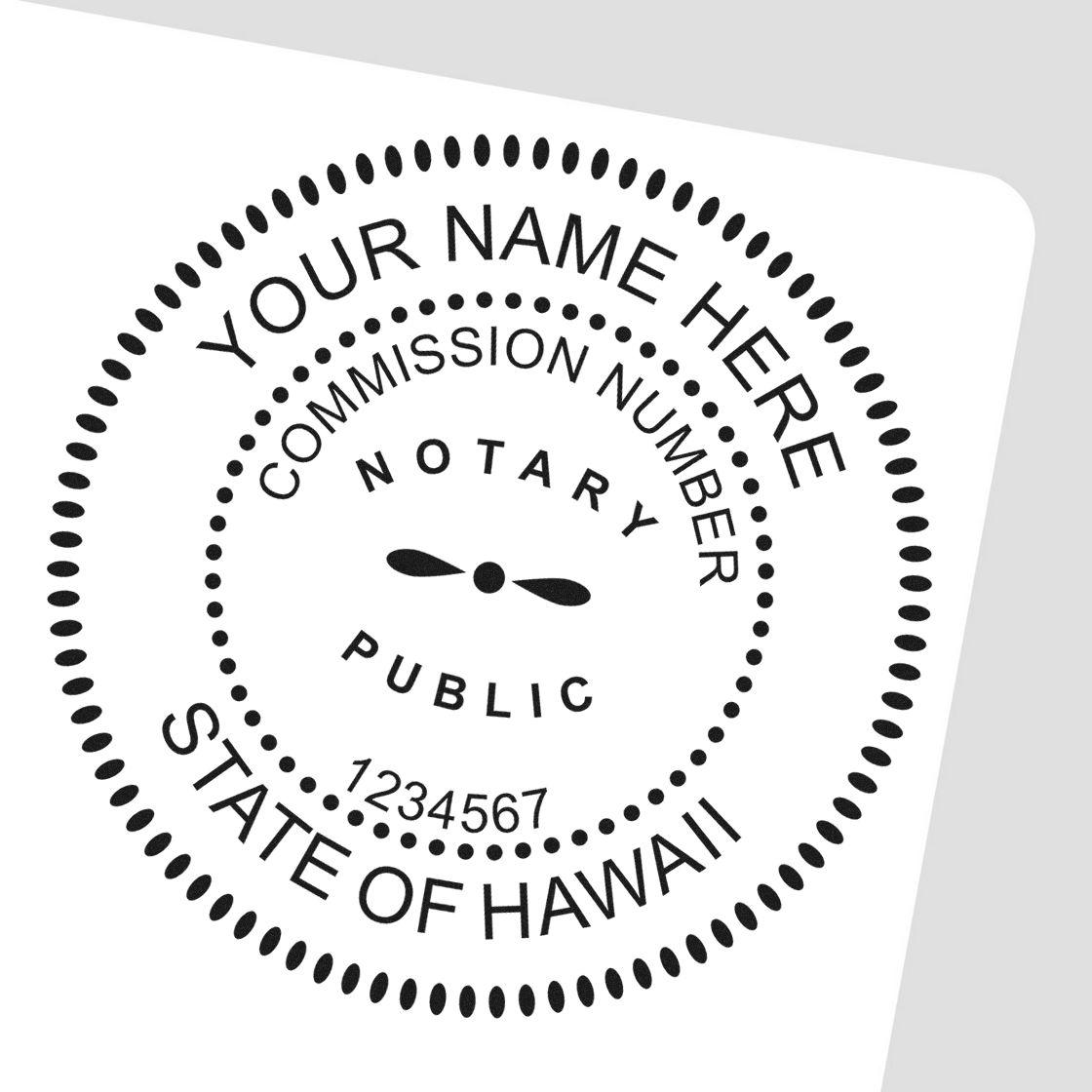
Hawaii notary stamp and seal tools aren’t just accessories in your notary toolkit. They represent your authority, professionalism, and commitment to safeguarding important documents under Hawaii law. As a Hawaii Notary Public, you rely on these tools to give legal weight to the paperwork you authenticate. But how can you ensure you’re using the right stamps and seals for your needs? And is there an easy way to get high-quality, long-lasting supplies?
Below, you’ll discover everything you need to know about selecting, using, and maintaining your Hawaii notary stamp and seal. You’ll also learn how to partner with a trusted supplier like Acorn Stamps—family owned and operated since 1964. Whether you’re just starting out or looking to upgrade your existing notary supplies, these insights will help you stand out in your role.
Understand Hawaii Requirements
Before you shop for your Hawaii notary stamp and seal, it’s essential to understand the legal requirements set by the state. Notaries in Hawaii must follow specific guidelines regarding the format of the stamp or seal, the size of the impression, and the information that must be included. Although the precise regulations can change over time, you’ll typically need:
- Your name exactly as it appears on your notary commission.
- The words “Notary Public” and “State of Hawaii.”
- Your commission number (if applicable).
- A legible impression that meets the state’s size and clarity standards.
Following these guidelines helps you avoid any legal complications. It also reassures your clients that their documents are being notarized by a professional who adheres to all relevant laws. If you’re ever unsure about an update or new requirement, check the Hawaii Department of the Attorney General’s notary section. Doing so will help you stay fully compliant, boosting your credibility and ensuring smooth transactions.
Why You Need Proper Notary Tools
Beyond meeting legal obligations, proper notary tools establish you as a serious professional. When you use a clear, crisp stamp or seal, you project an image of competence that can’t be matched by a worn-out ink pad or fading mark. People trust you with sensitive documents—mortgage forms, affidavits, and legal agreements—so it’s your job to maintain the highest level of quality possible. In a field that depends on precision and trust, having reliable tools is priceless.
Compare Stamps And Seals
You might notice that your commission references both a “stamp” and a “seal.” Yet in everyday terms, notaries often use the words interchangeably. In Hawaii, the important point is that you produce a clearly visible and consistent impression. That impression should contain all the required details about your status as a notary. But how do you decide which type of device is best for you?
- Stamps: You apply ink to a surface using a pre-inked or self-inking method. These stamps are quick and convenient, and modern designs can withstand thousands of impressions before they need additional ink.
- Embossing Seals: Using raised lettering, an embossing seal creates a three-dimensional imprint on your document without ink. In Hawaii, you can use an embossed seal, but it’s often recommended to add an inked impression as well. That way, official copies and photocopies will clearly display your notary information.
Self-Inking Vs. Pre-Inked
If you choose an ink-based stamp over an embosser, you may encounter two main options: self-inking or pre-inked.Self-Inking Stamps
- Contain a built-in ink pad.
- Can be re-inked easily.
- Typically lasts for thousands of impressions.
- Offer consistent quality.
Pre-Inked Stamps
- Use oil-based ink inside the stamp plate.
- Provide even crisper, cleaner impressions.
- Can be slightly more expensive.
- Usually last longer between refills.
Both types have their advantages, so your preference might come down to budget, usage frequency, and personal comfort. If you notarize documents all day and need a reliable stamp that creates flawless impressions every time, a pre-inked stamp might be your best bet. If you prefer a more affordable option that still performs well, go for a solid self-inking stamp.
Choose The Right Specifications
In Hawaii, you can use a round or rectangular shape for your notary seal. Deciding on the shape often comes down to personal preference, though you might consider how much space you typically have on documents. Here are a few tips to guide you:
- Rectangular Stamps: Ideal if you need to affix your notary details within tight margins or align your seal with existing text.
- Round Stamps: Provide a traditional look, which some people find more visually appealing. Round impressions can stand out, emphasizing the importance of your signature.
No matter the shape, ensure your stamp is sized to fit neatly on the page without overlapping other critical text or signatures. The last thing you want is to obscure important details by stamping over them. Also, avoid notary stamps that are too large, as they can clutter the page and distract from the legal content. A neat, professional imprint helps ensure each notarized document is accepted without question.
Details To Include
Hawaii law typically requires certain text to appear on your stamp or seal. As a quick reminder:
- Your full name
- “Notary Public”
- “State of Hawaii”
- Your commission number (if the state provides one)
Double-check you aren’t missing anything required by current regulations. Having all the correct details prevents rejections and demonstrates you’ve taken the time to create a proper impression.
Master Proper Usage
Now that you know what type of Hawaii notary stamp and seal to get, how do you use it effectively day after day? Start by practicing on scrap paper. This not only breaks in your new device but also helps you figure out how much pressure to apply for a crisp imprint. The goal is a clean mark that neatly displays your name and official information.
Where And How To Stamp
Whenever you notarize a document, you’ll usually place your seal near your notarial certificate. Look for a designated area if the paper is preformatted. Otherwise, choose a spot that doesn’t obscure text or other important signatures. If you’re using an embosser, add an inked stamp beside it so copies of the document can reflect your authorization accurately.
- Keep the stamping surface flat and stable.
- Apply steady, even pressure to avoid smudges.
- Tilt the stamp slightly and lightly lift off to avoid excess ink streaks.
Handling Legal Documents
You might work on anything from real estate papers to financial affidavits. In each instance, your role is to verify identity and witness signatures. Before stamping, ensure the signer has shown proper identification, the document is complete, and the signer understands its contents. Don’t skip the journaling step—Hawaii may require you to keep a record of each notarial act. By carefully following every guideline, you protect yourself from liability and build a reputation for thoroughness.
Store And Maintain Your Tools
Your notary stamp or seal is an official device entrusted to you for the duration of your commission. Improper handling or carelessness can lead to unauthorized use, damaged impressions, or costly replacements. Safeguarding your seal is a simple step toward professional longevity.
- Keep your stamp or seal locked away when not in use.
- Store it in a cool, dry area to prevent ink from drying out prematurely.
- Clean the device according to the manufacturer’s guidelines to keep impressions crisp.
Cleaning Tips
Over time, even the best stamp can accumulate dust or paper fibers around the edges. If you notice incomplete or fuzzy impressions, you may need to clean the impression surface and re-ink if necessary:
- Gently wipe the stamp surface with a lint-free cloth.
- Use a mild cleaning solution if recommended for your stamp.
- Allow everything to air-dry before replacing the cover.
Embossers need occasional lubrication of the moving parts. If you feel extra resistance or squeaking, look for any manufacturer recommendations on how to oil or lubricate the hinge.
Avoiding Wear And Tear
However sturdy your stamp or seal is, it won’t last forever without some care. Here are a few ways to prolong its life:
- Avoid pressing too hard. Over-pressing a stamp can warp the rubber or metal components, leading to faint or uneven impressions.
- Refill ink promptly. Low ink levels can cause you to press harder, contributing to premature wear and fuzzy markings.
- Guard against accidental drops. A jolt on a hard surface might misalign internal parts.
By following these steps, you’ll often get thousands of crisp, valid impressions before needing to replace your device. You’ll also save money and protect your professional reputation by always delivering a neat, readable seal on every document.
Rely On Acorn Stamps
Choosing a supplier for your Hawaii notary stamp and seal is more than a transaction. It’s about forming a relationship that supports your notarial practice. At Acorn Stamps, you’ll find not just top-notch products but also a family-based business that has been serving notaries for 60 years, since 1964.
- Family Owned And Operated: Acorn Stamps prides itself on adding a personal, friendly touch to every order.
- Stellar Customer Service: If you have a question about stamp design, ink refills, or new legal requirements, you can rely on quick, helpful support.
- Super Fast Turnaround: When time is crucial, Acorn Stamps ensures you get your notary supplies promptly, keeping your practice running smoothly.
Whether you need a brand-new stamp or are looking to replace an older seal, Acorn Stamps has options that align with Hawaii’s guidelines. From self-inking stamps for everyday use to precision embossers for a timeless impression, you’ll find the perfect match for your style and budget.
Easy Ordering Process
Worried about having to navigate complicated forms or confusing product menus? The ordering process is straightforward. Just choose:
- The type of device (inked stamp or embosser).
- The shape (round or rectangular).
- Any customization (like ink color choices, if allowed).
- Provide your official notarial details, as required for Hawaii law.
From there, you can expect a fast turnaround, plus all the guidance you might need along the way. When you partner with a reputable supplier, you can focus on your core duty as a Hawaii Notary Public—witnessing and verifying documents with complete confidence.
Your Top FAQs
Below are five questions you might have about your Hawaii notary stamp and seal. If you still feel uncertain, remember that you can always consult official state guidelines or talk to suppliers like Acorn Stamps for further clarification.
What Is The Difference Between A Notary Stamp And A Notary Seal?
Both terms generally refer to the device you use to create an official impression. A “stamp” typically involves ink, while a “seal” can also involve embossing. In Hawaii, it’s common to use an inked stamp because it reproduces well on photocopies. Some notaries include an embossed seal alongside their ink stamp for an extra layer of authenticity.
How Do I Know My Stamp Meets All Hawaii Requirements?
The best approach is to read current regulations from the Hawaii Department of the Attorney General. Check details like required text, commission numbers, and imprint sizes. When ordering from a notary-focused supplier like Acorn Stamps, you can also get guidance to ensure your stamp is up to date.
Can I Use A Personalized Design On My Notary Seal?
While you might want a unique or creative design, remember that Hawaii law prioritizes clarity and standardized text. Always include your name, “Notary Public,” “State of Hawaii,” and your commission number if required. Any additional design elements should not obscure these crucial details.
Do I Need To Sign My Name If I Use A Notary Stamp?
Yes. Your stamp authenticates the fact that you’re an official notary, but your signature completes the act of notarization. The state of Hawaii typically requires both a valid stamp impression and your written signature on most documents you notarize.
How Often Should I Replace My Stamps Or Seals?
Replace them if the imprint becomes faded or the device stops producing a legible mark. This varies based on how frequently you notarize transactions. Some high-quality stamps last for thousands of impressions before you need to re-ink or refresh them. If you notice wear, re-inking may solve the issue without requiring a full replacement. But if the impression is permanently damaged, opt for a new stamp to maintain professional standards.
In the end, your Hawaii notary stamp and seal not only confirm your authority but also illustrate your dedication to maintaining reliable and consistent service. With the right blend of state-compliant details, high-quality construction, and good care, your notary tools will continue to serve you appointment after appointment. By choosing a reputable supplier such as Acorn Stamps, you’ll enjoy peace of mind, knowing you have the proper guidance, top-tier products, and a supportive partner in your notarial journey.