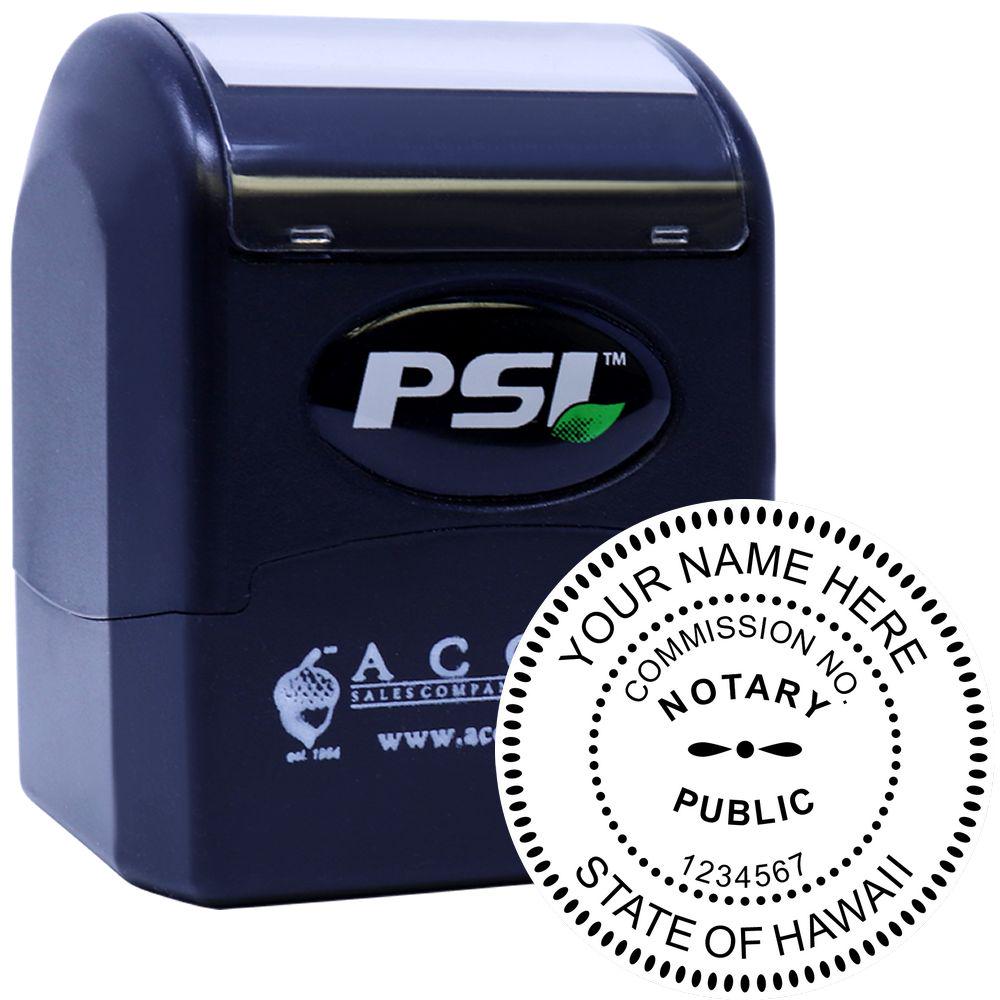
Whether you are just starting out or have been a notary for years, knowing how to use your hawaii notary public stamp is essential for professional success. The way you apply, handle, and maintain your stamp has a direct influence on your credibility and the quality of your notarizations. In Hawaii, where precise regulations govern notarial acts, it is especially important to understand the best practices for stamping documents. Below, you will find key insights and practical tips to help you use your hawaii notary public stamp correctly and efficiently.
Understand the Significance
Your notary public stamp represents more than just an inked impression on a document. It carries your licensing authority, confirms that you have verified signers’ identities, and upholds public trust in official transactions. Because of this significance, you want to ensure that every time you stamp a document, you do so with care and consistency.
In Hawaii, the notary public stamp typically reflects your name, your commission number, and the state seal. This helps guarantee that any document you notarize will be recognized as legitimate under state law. Those who rely on your stamp—such as financial institutions, government officials, and your clients—depend on you to use it correctly and only within the bounds of your commission. Misuse or neglect can lead to legal complications, so it is vital to fully appreciate the weight of your stamping responsibilities.
When you fully understand the role of your stamp, you become better equipped to handle your duties with confidence. You also build trust among clients, reinforcing your professional reputation and ensuring that others know your notarial acts are valid.
Follow State Regulations
In Hawaii, notarial procedures are clearly defined by state statutes. You must stay updated on all relevant guidelines so that your notary stamp impressions meet official requirements. When you begin your notarial career, you typically receive a commission number that must appear on each stamp. The state may also mandate specific sizes or formats, making it important to obtain the correct design from a reliable supplier.
- Double-check required elements
Confirm that your notary stamp includes your full name, commission expiration date, and any other components outlined by Hawaii law. This ensures your stamp aligns with local regulations.
- Keep track of renewals
Hawaii notary commissions do not last forever. Renew your commission on time, and update your stamp immediately if your commission information changes. If you keep using a stamp with outdated details, your notarizations could be deemed invalid.
- Stay informed on any updates
Laws can change. As soon as you hear about a new rule or standard, adapt your practices accordingly. This proactive approach keeps your notarial acts legally binding and consistent with current regulations.By carefully following state regulations, you reduce the risk of errors or challenges to your notarized documents. You also demonstrate your dedication to quality and transparency in your notarial practice.
Gather Essential Tools
Your hawaii notary public stamp is, of course, your primary tool, but you will need several other items to perform your job accurately and efficiently. Ensuring you have the right setup contributes to a smoother notarial experience for both you and your clients.
- Journal or record book
Keeping a detailed notary journal is strongly recommended. Some states require notaries to maintain one, and even if it is not mandatory, it provides a thorough record of all your notarial acts. Record information such as the signer’s name, the date, and the type of document.
- Ink refills
Depending on the type of stamp you use—self-inking or pre-inked—you will need a reliable source of ink refills. Making sure you do not run out of ink mid-document is crucial to maintaining a professional environment.
- Identification verification tools
You will need to verify each signer’s identity. While visual inspection of a driver’s license or passport is usually sufficient, some notaries rely on additional tools like ultraviolet light detectors or special scanning devices. These tools make it more difficult to accept counterfeit IDs by mistake.
- Reliable workspace
You should have a clean, organized area where you can comfortably lay out documents, check IDs, and apply your stamp. A clutter-free environment helps you avoid errors and keeps you focused on the task at hand.By assembling these necessary tools before you begin notarizing documents, you will set yourself up for success. Proper organization will also help you appear polished and dependable to anyone needing your notarial services.
Use Proper Stamping Technique
Although applying a stamp might seem straightforward, there is a certain finesse to using your hawaii notary public stamp effectively. Proper stamping technique not only ensures legibility, but also avoids smudges or other errors that could invalidate the document or diminish your professional image.
- Position carefully
Align your stamp in an area of the page that is clearly visible and designated for the notary seal. This is often near or below your signature, depending on the structure of the document.
- Apply firm, even pressure
If you are using a self-inking or pre-inked stamp, push down firmly and evenly. Uneven pressure can cause partial or blurred impressions, which may be difficult to read.
- Check for clarity
After you lift the stamp, take a moment to inspect the imprint. The text and seal elements should be crisp, complete, and dark enough to read easily. Smudges or incomplete impressions should be corrected if possible, following the guidelines of your notary regulations.
- Practice makes perfect
Before stamping important documents, practice on scrap paper. Familiarize yourself with the amount of pressure needed for a clear imprint. This helps you get comfortable with your specific notary stamp and reduces the likelihood of mistakes when it counts.When you apply your stamp correctly the first time, you demonstrate professionalism and care. Clear impressions are essential for legal clarity and help your clients trust in the authenticity of their notarized documents.
Avoid Common Stamp Mistakes
Even experienced notaries make occasional errors. Some mistakes are easy to correct, while others may invalidate a document entirely. By learning to sidestep common pitfalls, you save time, prevent confusion, and protect your professional reputation.
- Overlapping other text
Placing your stamp on top of already printed or handwritten text can obscure important information. Always check that the stamping area is clear and free from text or graphics.
- Using incorrect ink color
In some cases, a notary may be required to use a particular ink color—often black or blue. Clarify any color requirements and always have the correct ink on hand.
- Stamping outside the margin
Documents often have specific spaces allocated for notary seals. If you stamp in the wrong place or off the margin, it can cause the document to be rejected. Double-check your positioning to avoid this mishap.
- Forgetting to sign or date
In addition to stamping, you often need to sign and date the document. Neglecting these steps may lead to questions about the document’s validity. Always review each requirement before handing over the finalized document.If you do make a mistake and need to restamp or rectify the document, confirm the protocol based on your state’s rules. Sometimes a correction might require an additional acknowledgment or endorsement. By handling any mix-ups promptly and transparently, you uphold the integrity of your notarial acts.
Store and Maintain Properly
Properly storing and maintaining your hawaii notary public stamp is essential for its longevity and for safeguarding the security of your notarial practice. If your stamp becomes worn out, illegible, or is compromised in any way, it can damage your professional credibility and even invite potential fraud.
Keep it secure
Store your stamp in a locked drawer or safe when not in use. Unauthorized individuals should never have access to your notary tools. This measure helps prevent misuse and keeps you compliant with industry best practices.
Protect from moisture and heat
Extreme heat and moisture can degrade ink and damage rubber surfaces. Keep your stamp in a cool, dry spot away from direct sunlight or humidity. If you live in a humid area, consider placing a small packet of silica gel with your supplies.
Inspect regularly
Every few weeks, check the face of the stamp for signs of wear. A worn or cracked surface may produce unclear imprints, which could invalidate your documents. Replace or refurbish your stamp when you notice any defects.
Clean gently
Residue can build up on the stamp’s surface. Use a soft cloth or mild cleaning solution—if recommended by the manufacturer—to wipe away any debris. This simple act can significantly extend the life of your stamp.By caring for your stamp, you also protect your reputation. Clients will appreciate your attention to quality and security. Moreover, a well-maintained stamp saves you money and hassle in the long run.
Renew and Replace as Needed
A Hawaii notary commission comes with an expiration date, and your stamp is tied to the status of your commission. When the time comes, you must renew your commission and update or replace your stamp accordingly. Ignoring these deadlines can lead to lapses that invalidate notarized documents and open you up to liability.
- Monitor your commission cycle
Mark calendar reminders or use a digital planner so you know exactly when your commission will expire. Start the renewal process well in advance to allow for any administrative delays.
- Order a replacement stamp promptly
If your current stamp has older information—like an expired commission date—order a new one as soon as you receive your updated credentials. Using an outdated stamp can create confusion or legal issues.
- Dispose of old stamps responsibly
Once you replace your stamp, destroy or deface the old one so no one else can misuse it. Proper disposal safeguards your notarial authority and protects you from fraud.Keeping up with renewals is part of your professional responsibility. By ensuring your stamp’s details are always up to date, you reassure clients that you are fully compliant with Hawaii notary requirements.
Benefit from Acorn Stamps
When you need a reliable hawaii notary public stamp, turning to a trusted supplier can make all the difference. Acorn Stamps has proudly served notaries for 60 years and is family owned and operated since 1964. Over the decades, we have earned a reputation for providing top-tier Hawaii notary stamps and seals, along with stellar customer service and super fast turnaround times.Along with ensuring your stamp meets state guidelines, Acorn Stamps offers:
- Quality Materials
Our stamps and seals are crafted to produce crisp, professional impressions, helping you maintain the highest standards in every notarized document.
- Expert Guidance
Unsure about format requirements, ink colors, or the best style for your notary duties? Our team is highly knowledgeable about Hawaii’s regulations and ready to help you make the right choice.
- Fast and Efficient Service
Whether you are renewing your commission or ordering your first stamp, our quick turnaround times minimize downtime so you can continue serving your clients without delay.
- Personalized Experience
We treat each customer like family. If you have unique requests or need specialized solutions, we are here to accommodate your needs.Working with a dependable supplier gives you peace of mind and reduces the risk of receiving subpar products. Ultimately, partnering with Acorn Stamps helps you place your trust in a move that safeguards your professional reputation.
Adopt Best Practices Seamlessly
Once you have your hawaii notary public stamp in hand and understand local regulations, it is time to refine your day-to-day routine. Consistency is key. Every customer interaction reflects your level of professionalism, so developing strong habits will pay off quickly.
- Practice thorough record-keeping
Record each notarial act in your journal with all pertinent details. This habit will help you quickly respond to any inquiries and demonstrate your professionalism to clients and regulatory bodies.
- Always verify identity
It might be tempting to skip steps for people you know or close friends, but always adhere to identity-verification protocols. Consistency helps you sidestep potential claims of negligence or favoritism.
- Maintain confidentiality
Keep sensitive documents and personal information private. This shows respect for your clients and keeps you in line with ethical and legal guidelines.
- Continue your education
Notary laws can evolve, and new best practices emerge over time. Seek out refresher courses, read industry updates, and stay engaged with professional notary associations or online communities.When best practices become second nature, you shift from a cautious approach to a confident, knowledgeable professional. Clients will notice, and you will build positive word-of-mouth that reinforces your standing in the community.
Frequently Asked Questions
Here are answers to some of the most common questions about hawaii notary public stamp usage and upkeep:
How often should I change my stamp?
You should replace your stamp if it becomes worn or illegible, or when your commission information changes. Always ensure the details on your stamp match your current notary commission.
Can I lend my notary stamp to someone else to use?
Absolutely not. Your stamp is tied to your notary commission and personal responsibility. Letting someone else use it is considered a serious violation in Hawaii and can result in penalties, including revocation of your commission.
Do I need special software or equipment for eNotarizations in Hawaii?
Hawaii’s guidelines on electronic notarizations may specify certain technology or digital certificates. Your physical notary stamp may not be used in an electronic environment, but make sure to confirm the latest rules and recommended tools for any eNotary services you provide.
What kind of ink works best in a humid climate?
Self-inking or pre-inked stamps with fast-drying ink are popular choices in humid areas. The key is to store your stamp in a cool, dry space. If your area is extremely humid, look for a brand of ink known for consistency in moist conditions.
How do I handle cross-outs on stamped documents?
Check Hawaii’s official guidelines to see if making small corrections with an initial note is acceptable. If a significant error occurs, you may need to complete a fresh notarization or follow specific procedures to authenticate any changes.
By understanding these essentials—and turning to tried-and-true resources when questions arise—you will feel more secure in your daily notarial tasks. The final hallmark of good notaries is a commitment to learning and growth, ensuring you stay up to date on regulations and modern best practices.
In summary, your hawaii notary public stamp is a cornerstone of your professional role. By following state rules, mastering your stamping techniques, and forming a reliable partnership with a proven supplier like Acorn Stamps, you cement your standing as a dependable notary public. Make it a habit to review your processes and refresh your knowledge, and you will be well on your way to a consistent, trusted notarial practice in Hawaii.