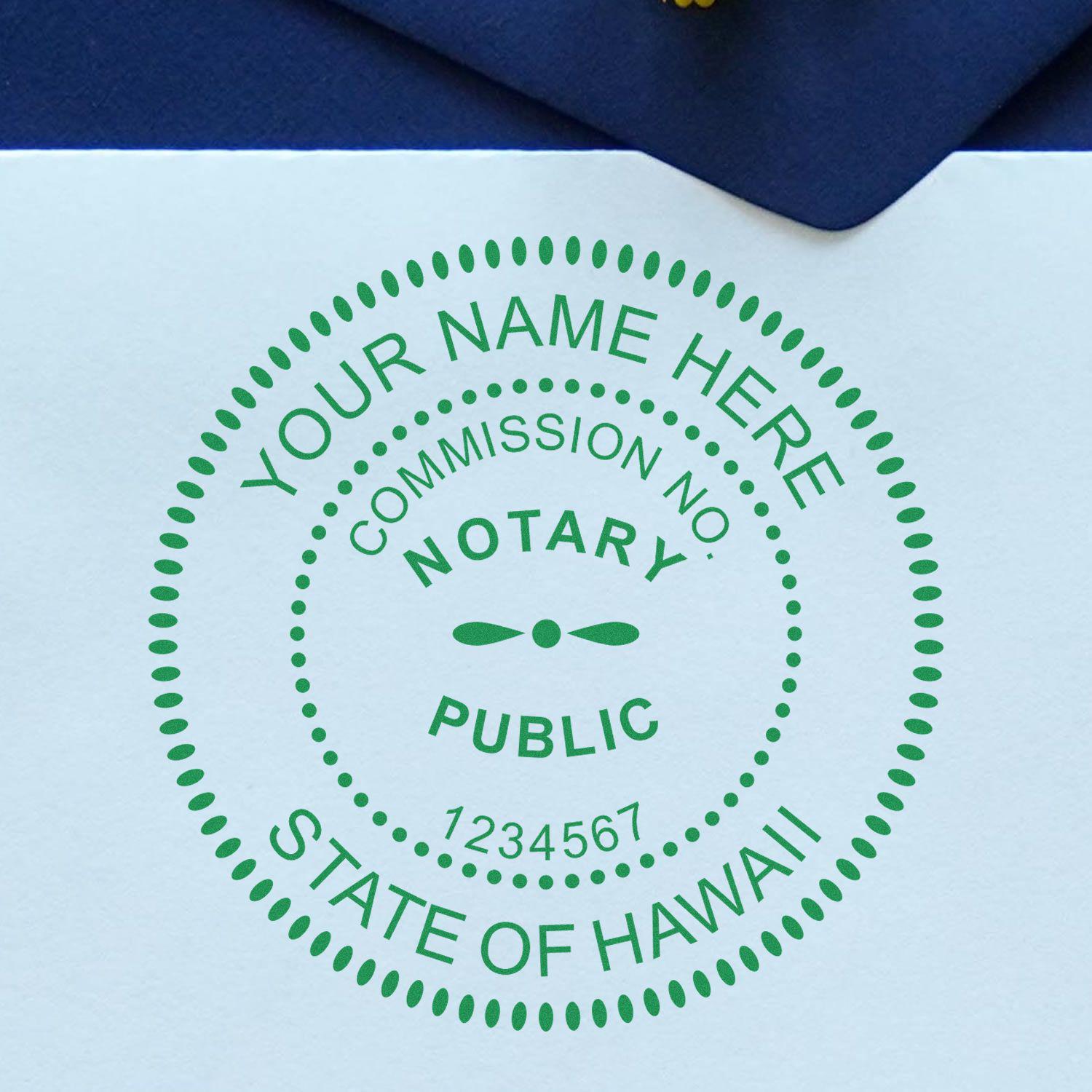
Navigating Hawaii notary stamp requirements is a key step in your journey as a notary public, whether you are newly commissioned or looking to renew. Complying with these guidelines helps you uphold the law, protect the integrity of important documents, and ensure the trust people place in your position. By understanding the state’s rules and aligning your supplies with current regulations, you will be well on your way to notary success.
In this guide, you will learn the fundamentals of Hawaii notary stamp requirements, why they matter, and how to select a stamp that complements your role. You will also explore strategies for maintaining compliance, updating stamps and seals as needed, and avoiding common missteps. Throughout the process, remember that a top-notch supplier, such as Acorn Stamps, can offer quality products and speedy service to make your job easier.
Understand Hawaii Notary Stamp Requirements
Before you purchase or use any stamp or seal, you need to understand the stipulations that the state of Hawaii has put in place. Notary stamps are more than just ink on paper. They provide an official validation that a document has been properly verified and certified by a commissioned notary public.
Role of Stamps in Notarization
When you serve as a Hawaii notary public, your stamp or seal is your official mark of authentication. By affixing your stamp to a document, you confirm that you have verified the identity of the signer, ensured their willingness to sign, and maintained proper recordkeeping during the notarization process. Your stamp is also a deterrent to fraud and forgery. When it is used correctly, it helps individuals, businesses, and government entities trust the documents they receive.
Core Legal Requirements
Hawaii requires you to carry a notary stamp or seal that includes specific details. While the exact rules can change from time to time, you can generally expect to incorporate:
- Your name exactly as it appears on your commission.
- The words “Notary Public” and “State of Hawaii.”
- Your commission number for tracking and verification.
- Your commission expiration date or a clear reference to it if mandated by law.
Pay close attention to font size, location of information, and any restrictions against decorative flourishes or extraneous text. It is a good idea to periodically review the official Hawaii statutes or check government resources for updates or clarifications.
Choose the Right Notary Seal
Selecting a notary seal is not simply about fulfilling guidelines. You also want a product that is durable, easy to use, and leaves a crisp impression. Exploring different stamp or seal types will help you find one that works best for your workflow.
Self-Inking vs. Pre-Inked
You may come across two common options: self-inking and pre-inked stamps.
- Self-Inking: This stamp contains an internal ink pad. Each time you press down, the stamping surface rolls onto the ink pad and then onto the paper. These are often cost-effective and can be re-inked. They typically last for several thousand impressions before a refill is needed.
- Pre-Inked: In this design, the ink is integrated into the stamp’s rubber surface. Pre-inked units tend to offer very clean, precise impressions and, depending on the brand and model, may last even longer. They usually cost a bit more but provide premium quality impressions.
If you notarize documents multiple times a day, a high-capacity solution is crucial. Self-inking stamps are popular for their affordability and reliability, while pre-inked stamps can ensure a crisp, professional look.
Metal Embossers
An embosser raises the paper to create an indented impression instead of relying on ink. Some notaries want to add this extra level of visual authenticity to their paperwork. While an inked stamp is still required in most cases, you can supplement the inked seal with an embosser, provided you follow state regulations. Check that any embosser you choose meets size specifications for the seal. Using an embosser as an enhancement can be a helpful security measure, but do be aware of any added costs or practical issues, such as carrying a heavier tool.
Combination Solutions
Some notaries prefer having both an inked stamp and an embosser. Each has its strengths, and using them together may bolster the integrity of notarized documents. If you expect to handle sensitive transactions or want to offer clients extra peace of mind, having both tools on hand can be a worthwhile investment. However, always confirm that you properly apply the seal required by law. If an embosser is optional, remember not to use it as a substitute for your required inked seal.
Steps to Maintain Compliance
Hawaii’s rules do not just involve purchasing a stamp. They also encompass how you handle your official seal day to day. A few simple measures can keep you in line with the law and protect others from fraudulent activity.
Proper Storage and Security
Your stamp or seal is your official notary signature. Keep it in a secure place where unauthorized individuals cannot access it. Consider:
- Locking it in a drawer or safe.
- Using a storage device that remains in your direct possession when traveling between appointments.
- Never lend your stamp to anyone, even a trusted colleague.
It is critical for you to maintain control over your seal at all times. If security is compromised, you risk legal penalties and potential liability if someone misuses your stamp.
Routine Usage and Recordkeeping
Staying compliant also means knowing exactly when and where to affix your seal. In Hawaii, your stamp should appear on all notarized documents in a clear, readable manner. You should also log each notarial act, including location, date, type of document, and pertinent details about the signer. Some notaries keep a dedicated journal. Others maintain digital logs, if permitted by state regulations. Either way, having complete records protects you and proves you are following best practices.
Regular Maintenance and Inspection
You do not want to realize in the middle of a signing that your notary stamp is smudging, leaking ink, or producing partial impressions. Make it a habit to examine your stamp at least once a week, particularly if you complete a large volume of notarizations. Check for:
- Clarity of each element (your name, commission number, etc.).
- Even distribution of ink.
- Proper alignment and no cracks or damage on the stamping surface.
When you notice faded impressions, it is time to re-ink or replace your stamp’s components. Doing so keeps your notarial acts professional and meets legal standards.
Update or Replace Your Stamp
When your commission name, expiration date, or other details change, your notary stamp must be updated accordingly. Using a stamp that bears outdated information may invalidate the document and potentially lead to penalties.
Timing for Renewals
Plan ahead for commission renewals. As soon as you confirm your updated commission information, order a replacement stamp with accurate details. This way, you can seamlessly switch to your new stamp the moment your existing one expires or changes. Do not continue to use old stamps, hoping the discrepancy will go unnoticed. It is safer to be fully compliant from day one of your renewed commission.
Disposal of Old Stamps
After you replace a notary stamp, ensure that you destroy the old one. Given that it still displays your personal credentials, an outdated stamp in the wrong hands can lead to fraudulent transactions. You can remove or deface the rubber portion, making it unusable. Some people also choose to cut up or shred any embossing plates. Although this may feel extreme, it preserves the security of your notarial acts.
Work With Acorn Stamps
Navigating Hawaii notary stamp requirements can be much more manageable with a reliable supplier. Acorn Stamps is a trusted, family-owned company that has been serving notaries and other professionals since 1964. For more than 60 years, Acorn Stamps has specialized in providing top-quality notary stamps and seals for Hawaii, offering:
- Fast turnaround times, so you are never left waiting for crucial supplies.
- Stellar customer service, ensuring all your questions are answered before you purchase.
- A variety of styles, from self-inking to pre-inked and embossers.
- Customization to precisely match the state’s legal requirements while meeting your personal preferences.
When you partner with Acorn Stamps, you can rest assured that you are getting reliable and compliant products. Whether you are placing your first order or updating your existing stamp, the team will guide you through the process. If you need a quick re-ink kit or want to upgrade to a more durable model, Acorn Stamps makes it easy to stay prepared.
Avoid Common Mistakes
Even the most seasoned notaries can slip up from time to time. Here are a few pitfalls you can avoid by staying vigilant.
- Using Faded Impressions
A faint or half-printed seal can lead to rejected documents or raise questions about your professionalism. If your stamp is losing clarity, replace its ink or get a new one right away.
- Misplacing the Stamp
When you conduct multiple signings daily, it is possible to misplace your seal. Since your stamp contains your notary credentials, keep it in a designated spot or always within your personal bag. Leaving it unattended risks unauthorized use.
- Forgetting to Update Your Information
When your commission is renewed or your status changes, you must order a new seal. Neglecting to update your stamp with the current information can invalidate notarial acts and potentially land you in legal trouble.
- Overlooking State Regulations
Laws can evolve, and while your original setup might have been valid at some point, it may no longer conform. Occasionally review Hawaii’s notary laws so you can adjust if something changes, such as required wording, seal size, or expiration date format.
- Skipping Regular Maintenance
Stamps and seals, especially if used daily, require ongoing care. Clean them regularly to avoid ink or dust buildup. Over time, you may also need to re-ink repeatedly or replace worn surfaces.By paying attention to these details, you can sidestep avoidable problems and ensure all notarized documents remain valid and professional.
Frequently Asked Questions
Below, you will find common questions about Hawaii notary stamp requirements, along with straightforward answers to help you clarify your responsibilities.
How Do I Know If My Notary Stamp Is Officially Approved?
You should follow Hawaii’s regulations regarding the design and content of the seal. Typically, your stamp must display your name, the words “Notary Public, State of Hawaii,” your commission number, and your commission expiration date whenever it is required by law. Verify the precise design requirements with reliable government resources or consult with experienced suppliers like Acorn Stamps.
Can I Use an Embosser Instead of an Inked Stamp?
In Hawaii, an inked stamp is generally required for official notarization. However, you can enhance the security of your documents by adding an embosser. Always use your ink stamp in accordance with state rules, and treat the embosser as an optional extra if allowed, not a replacement.
What Happens If My Stamp Is Damaged or Stolen?
If your stamp becomes damaged to the point you can no longer make a clear impression, order a replacement immediately. In the event it is lost or stolen, report this development to the relevant authority if required by Hawaii law and request a new seal. You may also need to update your records to ensure no fraudulent notarizations occur under your credentials.
Do I Need to Replace My Stamp Every Time I Renew My Commission?
Yes, if your renewed commission involves any changes, such as the expiration date or commission number. Under no circumstances should you continue to use a stamp showing outdated details. Pair your renewal process with ordering a fresh stamp that displays the correct information.
Why Should I Choose Acorn Stamps for My Notary Needs?
Acorn Stamps has proudly served customers since 1964, specializing in high-quality notary stamps and seals for Hawaii. By shopping with a family-owned business that offers speedy turnaround, stellar customer service, and compliance-friendly products, you simplify your own process. You can trust that you will receive a stamp precisely tailored to official standards, helping you maintain credibility.
By staying informed and using a stamp that aligns with Hawaii notary stamp requirements, you will enjoy a smooth notarial practice. Paying close attention to compliance will safeguard your reputation, protect your clients, and reinforce the value of notarization. When you are ready for a reliable supply or simply want advice on best practices, consider Acorn Stamps as your partner. Their history of dependable products and dedicated customer support can make all the difference in ensuring you meet and exceed Hawaii’s notary expectations.