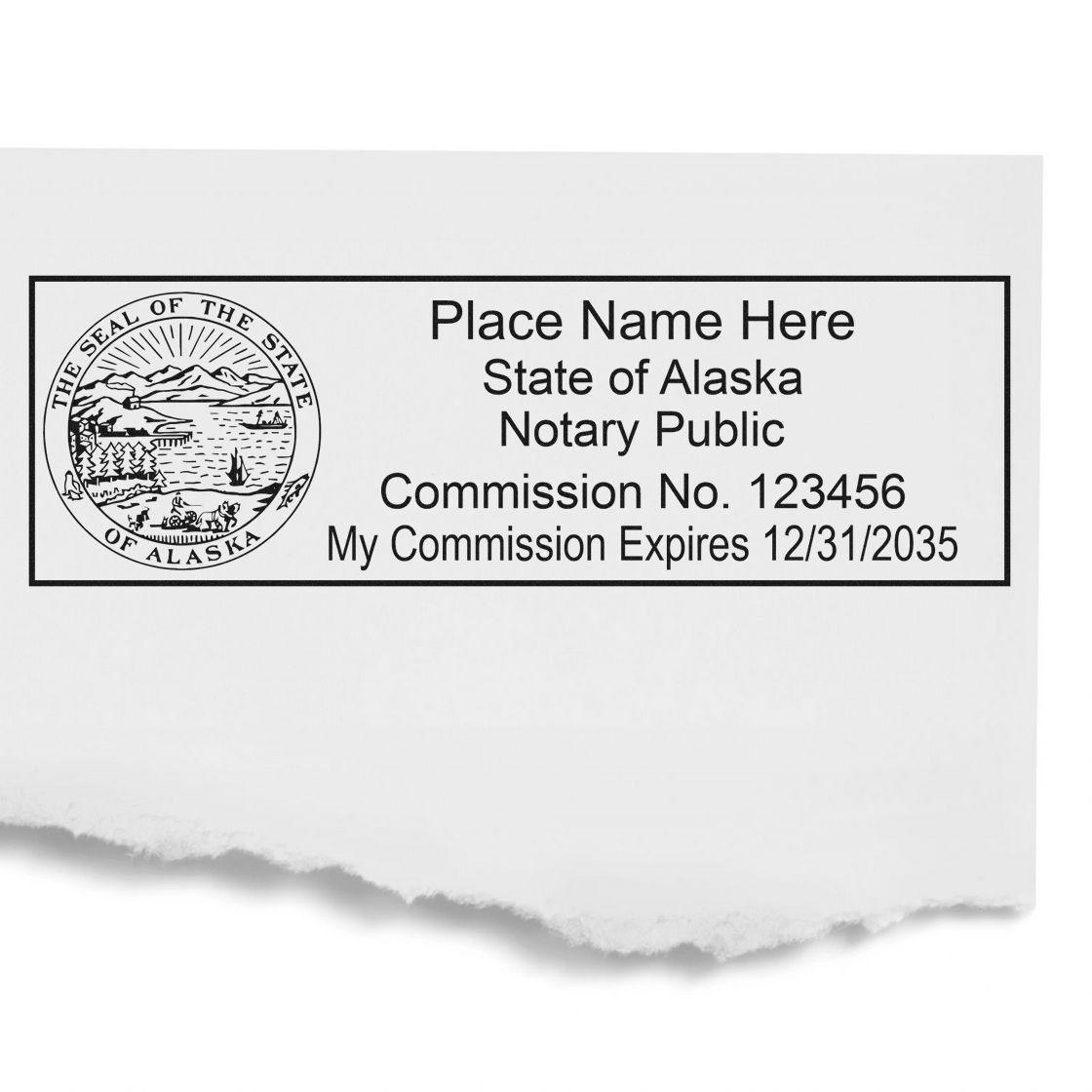
When you take on the important responsibility of serving as a notary public in Alaska, having the right tools is essential. One of the most valuable tools at your disposal is your Alaska notary embosser. This handheld device adds a raised, embossed impression to your official documents, providing an extra layer of authenticity and professionalism. By choosing the appropriate embosser and following best practices, you can ensure each notarized document meets Alaska’s legal requirements.
Below, you will find a series of guidelines, tips, and suggestions to help you get the most out of your Alaska notary embosser. From understanding the significance of your seal to storing and maintaining this valuable piece of equipment, these insights are designed to make your notarial duties more efficient and precise. Whether you are just starting your notary journey or looking to refine your technique, you can rely on the information here to help you excel.
Know Your Alaska Notary Embosser
Before you begin stamping your way through legal documents, it helps to understand exactly what your Alaska notary embosser does and why it is such a crucial part of notarial practice.
Learn the Purpose of the Embosser
- Identifying Authenticity: Embossing creates a raised seal on the page, which makes it harder to copy or forge. This is a visual and tactile way to ensure that the document has your genuine authorization.
- Meeting Regulatory Standards: Alaska requires your notarial seal to appear on official documents, and an embosser stands out in professional contexts.
- Reducing Document Tampering: An embossed seal is not easily replicated through standard photocopying or scanning, adding a layer of security to the document.
Understand the Basic Components
- Die Insert: This is where your information (like name, commission number, and “State of Alaska”) is engraved. When you press the embosser, this die creates the impression on the page.
- Handle or Frame: This portion provides the leverage needed to make a clear, raised impression.
- Positioning Guides: Some embossers include guides or alignment markers to help you place the seal precisely on the page.
Getting a feel for how each component fits within the overall tool makes it easier to operate seamlessly. If you ever have doubts about the correct engravings or design, remember that the ultimate goal is to include all details required by Alaska’s notarial laws.
Set Up Your Embosser Properly
Once you have a clear sense of your Alaska notary embosser’s purpose, the next step is effective setup. A simple checklist can prevent misprints or damage to your seal, saving you time and money in the long run.
Check Your Embosser Details
- Verify Text Accuracy: Ensure your name, commission expiration date, and any legally required wording match the specifications set by Alaska law. A minor discrepancy can render an embossing invalid.
- Inspect the Engraving: Hold the engraved die against a blank sheet of paper and do a test embargo. If any character is unclear, contact your supplier for adjustments.
Position the Paper Correctly
- Use Firm Support: Place your documents on a stable surface for best results. A wobbly desk might cause uneven pressure and a blurry or partial seal.
- Align the Document: If your embosser has a built-in guide, line your document edge against it before pressing down. Keep the seal at a position that is easily visible, yet not overlapping vital text or signatures.
With a properly set up embosser, you can move forward confidently, knowing each seal will look sharp and professional.
Follow Alaska Regulations
Alaska has specific regulations for how and when you should use your embosser. Staying up to date prevents legal hiccups and helps you maintain a polished reputation as a notary public.
Know the Legal Requirements
- Mandatory Seal: Alaska requires each notary public to use an official seal that meets state standards. An Alaska notary embosser offers a distinct impression and is widely accepted as part of those requirements.
- Record-Keeping: While the embossed seal itself is crucial, maintaining a proper log of each notarization is equally important. Your records can be digital or physical, but they must be consistent and thorough.
- Placement on Document: Place the seal close to the signature or relevant text to indicate which part of the document you are notarizing. This proximity reduces confusion and clarifies your role in authenticating the content.
Avoid Common Compliance Pitfalls
- Overstamping: In Alaska, you only need one clear notary seal per document, usually near the jurat or acknowledgment. Multiple impressions can cause confusion, so stick to the required single seal unless directed otherwise.
- Unauthorized Usage: Never lend your embosser to a colleague or friend, even if you trust them. The seal is your legal signature, so treat it as securely as you would a personal identification document.
When you make compliance a priority, you are not only protecting yourself from legal complications, you are also safeguarding the trust that people place in notaries across the state.
Ensure Crisp Impressions
A crisp, raised impression on a document sets you apart as a detail-oriented professional. Even the best embosser can produce blurry or faint seals if handled incorrectly.
Select the Right Paper
- Standard vs. Specialty: Heavier paper stock (like 24 lb. bond or thicker) helps the raised seal show up clearly. Very thin paper can tear if you apply too much pressure.
- Document Coatings: Glossy or heavily coated paper can make embossing challenging. If possible, place a protective sheet of standard paper underneath to keep the seal crisp.
Apply Balanced Pressure
- Steady Grip: Use one hand on the handle and the other to support the base. This ensures you apply uniform pressure across the seal.
- Firm, Quick Press: A firm push on the embosser handle followed by a quick release usually yields the sharpest impression. Holding the handle down too long can cause slight paper tearing, while pressing too lightly leaves a faint seal.
Adjust Technique for Visibility
- Embossed vs. Inked: Some notaries choose an inked seal (or “embosser impression inker”) to highlight the raised design in dark ink. This can be handy for documents that need clear reproduction, such as faxed or scanned files.
- Practice Runs: If you are new to embossing, use a few scrap sheets to perfect your technique before applying the seal to an official document.
With these steps in mind, you can consistently create high-quality embossed impressions that convey professionalism.
Store and Maintain Safely
Your Alaska notary embosser is more than a simple office supply. It is a legally recognized representation of your authority. Taking good care of it will lengthen its lifespan and keep you in compliance with Alaska’s notarial standards.
Store It Responsibly
- Avoid High Heat or Moisture: Extreme temperatures and humidity can warp the metal dies, making the seal less accurate over time.
- Keep It Under Lock and Key: Since your embosser is closely tied to your notarial authority, always keep it in a safe, locked drawer, or a secure bag when not in use.
Clean and Check Regularly
- Simple Wipe-Down: Use a soft cloth to remove dust or paper residue from the plate.
- Inspect for Wear: Over time, the die or handle may wear down, affecting the clarity of your seal. Address any signs of damage promptly so you do not risk invalid impressions.
- Test Frequently: Conduct periodic test embossings on spare paper to ensure the characters remain sharp and properly aligned.
By treating your embosser with care, you keep each notarization process efficient, consistent, and legally valid.
Choose Acorn Stamps for Quality
Choosing a reliable supplier for your Alaska notary embosser and other supplies can make all the difference in your day-to-day notarial duties. With more than 60 years of service, Acorn Stamps has supported countless notaries in Alaska and beyond.
Family Owned and Operated Since 1964
When you buy from Acorn Stamps, you are not just a customer. You become part of a long tradition of excellence in professional stamping. The family behind this brand has refined their expertise over decades, making them a trusted go-to for:
- Alaska notary stamps and seals
- Tips on proper embossing techniques
- Fast and friendly customer assistance
Stellar Customer Service and Fast Turnaround
Your notarial work often demands quick solutions. Acorn Stamps understands your need for a prompt response and speedy deliveries. Whether you are ordering a new embosser, re-inking a stamp, or looking for expert insights, you can expect:
- Personalized Support: Real people who are eager to help you select the best product for your requirements.
- Quick Shipping: Timely turnaround so you can stay efficient.
- Satisfaction Guarantee: Acorn Stamps stands behind their product quality, ensuring each embosser meets Alaska’s notarial standards.
Choosing your supplies from Acorn Stamps helps you maintain a high level of professionalism while staying true to Alaska’s legal requirements.
Key Takeaways
- Your Alaska notary embosser is a symbol of your official authority, so handle it with care and attention.
- Verify that the information on your embosser stamp (name, notary commission details) matches the requirements set forth by the state.
- Follow Alaska’s regulations by using the seal correctly and maintaining thorough records of your notarial acts.
- Keep the seal crisp and legible by using balanced pressure, practicing on spare sheets, and adjusting aspects like paper thickness.
- Store and maintain the embosser in a secure location to prevent tampering or wear.
- When sourced from a reliable supplier like Acorn Stamps, you gain access to high-quality equipment, knowledgeable support, and swift turnarounds.
By following these guidelines, you can feel confident in both the authenticity of your notary seal and the professional way you carry out each notarization.
Frequently Asked Questions
Here are five common questions about working with an Alaska notary embosser, along with straightforward answers to guide you:
Do I need an embosser if I already have a notary stamp?
Alaska recognizes both ink stamps and embossers, but many notaries appreciate the added authenticity of a raised seal. If you prefer to have a distinctive mark on your documents, consider using an Alaska notary embosser alongside your stamp.
How often should I test my embosser for clarity?
It is wise to make a test impression at least once a month, or any time you suspect wear or misalignment. Early detection of any flaws can save you from invalid seals on important documents.
Where should I place the embossed seal on a document?
Generally, you should place it near the signer’s signature or the notarial certificate language, ensuring it is clear which portion of the document you are notarizing. Avoid placing it over text to prevent obscuring important details.
How do I properly dispose of an old or damaged embosser?
Because your seal contains sensitive information and grants authority, you should disable the embosser before disposal. Render it unusable by removing its die or scratching out the engraved portion, then discard it securely.
Can I lend my embosser to another notary?
No. You should never allow anyone else to use your embosser. Each seal is unique and tied to a specific commission, so sharing it poses legal risks and undermines the integrity of your notarial practice. By keeping your Alaska notary embosser up to date, secure, and compliant with regulations, you ensure that both you and the documents you notarize hold strong legal validity. With the right approach, you will be well-equipped to handle the responsibilities and opportunities that come with being a notary public in Alaska.