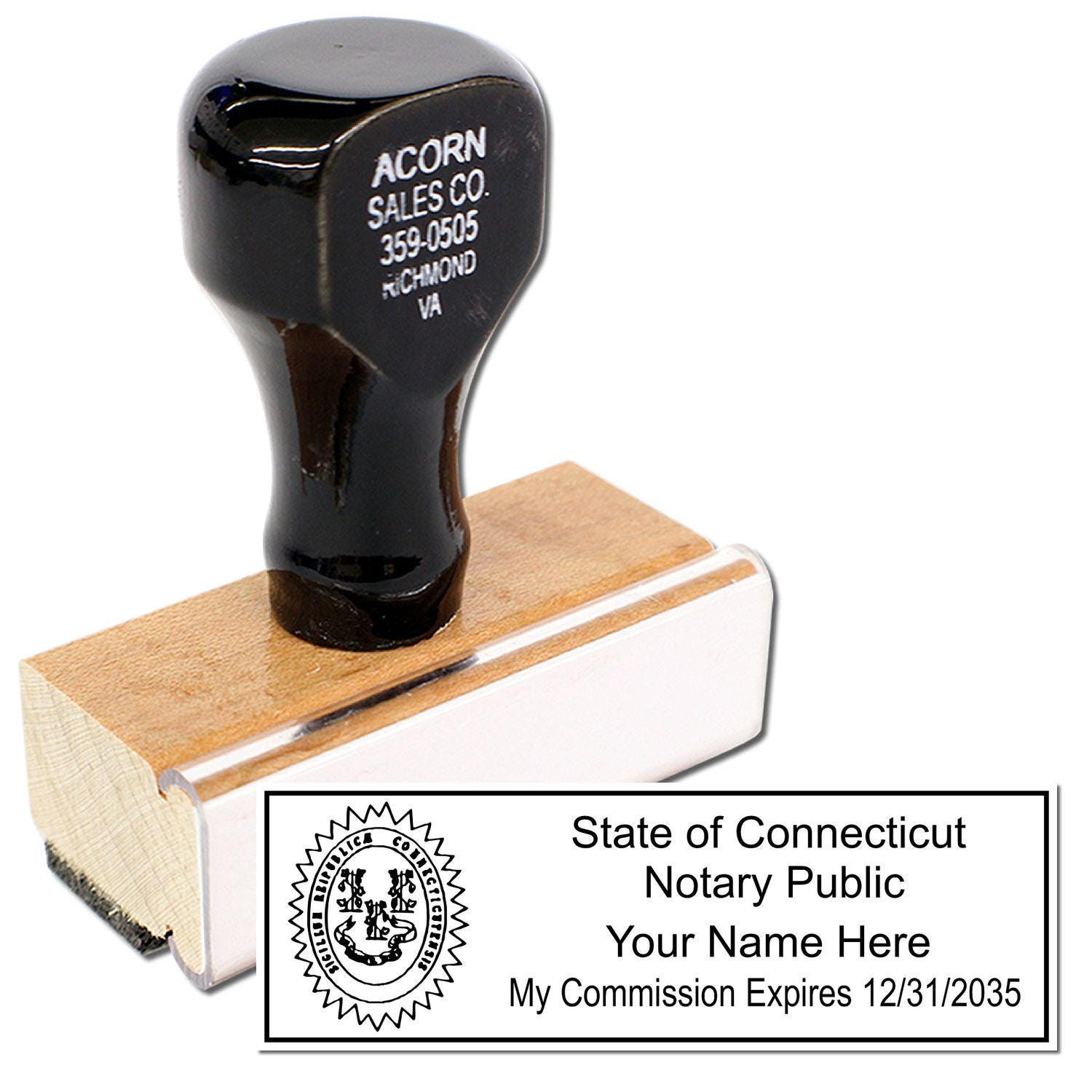
As a Connecticut Notary Public, your CT notary seal is an essential tool that validates your authority and confirms the authenticity of the documents you notarize. Correctly using your seal not only protects you from potential liability but also assures the people you serve that their paperwork is in good hands. A small oversight, however, can lead to delays or rejected documents. Below, you will find practical steps to help you use your stamp or embosser effectively, from choosing the right equipment to maintaining it for consistent quality.
Understand Your CT Notary Seal
Your seal represents your official power to witness signatures, administer oaths, and certify the authenticity of documents. In Connecticut, you may use either an ink stamp or an embosser, as long as it follows state guidelines. The seal must include specific details such as your name, the words “Notary Public,” and the state of Connecticut.
Why The Seal Matters
- Establishes legitimacy. Your seal ensures the people receiving the notarized document can trust it is valid.
- Prevents fraud. A clear, consistent impression helps deter document tampering.
- Complies with state rules. Connecticut law outlines the information your seal must contain, so make sure you follow those requirements.
Understanding how your seal works and why each detail is important will streamline every notarization you conduct.
Choose The Right Seal
Selecting a notary seal goes beyond picking something that looks appealing. You need to consider legal requirements and practical considerations, such as how often you notarize documents and where you plan to store your seal.
Stamp Or Embosser?
- Ink Stamp. Commonly used due to ease and speed. When pressed onto the document, the ink creates a clear impression that is easy to photocopy or scan. You typically use a self-inking or pre-inked device.
- Embosser. Raises the paper surface with a crimped impression. While visually distinctive, embossed images may not always photocopy well. Some notaries prefer using an embosser alongside an ink stamp for added security.
Either option is acceptable in Connecticut, so choose what best meets your needs. If you frequently handle documents that must be reproduced, an ink stamp may offer better visibility. If you want an extra level of security, consider carrying both an ink stamp and an embosser.
Comply With Connecticut Requirements
Before placing an order, consult Connecticut’s notary handbook or refer to official state guidelines to confirm the precise details your seal must contain. Double-check that your name matches exactly what is on file with the state, and confirm any size requirements so that your seal is legible on the documents you notarize.
Locate The Proper Placement
Placing your CT notary seal in a clear and precise area ensures that it does not obscure critical information on the document. It also makes it easier for recipients to confirm that the document has indeed been notarized.
Give The Document Room
Avoid placing your seal too close to signatures or text. Typically, people expect to see your seal near your notarial certificate wording or close to your signature, but not overlapping. Keeping some space around the seal prevents ink from bleeding into nearby text.
Mind Margins And Spacing
Some documents come with dedicated boxes or sections labeled “For Notary Use” or “Notary Seal.” Use these guidelines whenever possible to ensure proper placement. If you see no clear instructions, look for a margin or corner of the page that is still prominent and easy to see.
Avoid Common Errors
Even minor oversights can invalidate a notarization. Taking a few moments to review your process and verify details will help you steer clear of mistakes that could result in legal headaches or confusion.
Skipping The Journal Entry
In Connecticut, you are strongly advised (and in some cases required) to keep a record of each notarization. Failing to note the details of a transaction may trigger questions about the legitimacy of your act. Always document date, type of document, signer details, and how you identified them.
Missing Or Illegible Impressions
A faint or incomplete seal impression can be grounds for rejection. Make sure the seal’s ink pad contains enough ink, or if using an embosser, apply consistent pressure so that text is clearly visible. If a seal impression is unclear, place it again on a different area of the notarized document, and neatly cross out the unusable impression with a simple line.
Overusing The Seal
You only need to affix your seal once per notarial act, unless otherwise required by the receiving authority. Repeated stamping can create clutter and make the document harder to read. Stick to a single, well-placed impression for clarity.
Store And Maintain Your Seal
Proper care of your CT notary seal ensures you can provide crisp, clear impressions every time. It also prevents misuse or tampering if your seal ends up in the wrong hands.
Secure Your Seal
A notary seal can be used fraudulently if it is lost or stolen. Make it a habit to:
- Keep your seal in a locked drawer or cabinet when not in use.
- Avoid leaving your seal on your work desk unattended.
- If you commute between home and office, store it in a separate bag or purse rather than your main briefcase.
Conduct Regular Maintenance
Just like any tool, your seal benefits from routine upkeep. Monitor your ink levels if you use a self-inking model. If you rely on an embosser, ensure the plates remain properly aligned. Clean off any dried ink or paper residue to keep your seal functioning at its best.
Renew Or Replace As Needed
Over time, seals wear down and can become unclear. If you notice your seal impressions are fading or no longer crisp, it may be time to replace your stamp pad or entire seal device. Most notary commissions in Connecticut must be renewed every five years, so that is a good checkpoint to make sure your seal is also up-to-date.
Work With A Trusted Supplier
When you need a new or replacement CT notary seal, teaming up with a reliable supplier helps ensure you receive high-quality products that meet state requirements. Since accurate designs and fast delivery are essential for busy notaries, consider turning to a company that truly understands your role.
Why Choose Acorn Stamps
Acorn Stamps has been a family-owned and operated business since 1964, serving notaries for over 60 years. Whether you need a Connecticut notary stamp or an embosser, you will receive stellar customer service and a super fast turnaround time. Ordering the right seal can be a smooth experience when you partner with a supplier that values quality and clarity as much as you do.
Peace Of Mind For Connecticut Notaries
Selecting a reputable supplier means you can trust that your devices will produce crisp, legally compliant impressions. Better still, a knowledgeable team can guide you through updating your seal when your notary commission renews. This peace of mind enables you to focus on your clients instead of worrying about whether your tool meets the standards of Connecticut law.
Frequently Asked Questions
Below are some of the most common questions about your CT notary seal. Reviewing these can help you avoid surprises and notarize with confidence.
Is An Embosser Required By Connecticut Law?
Connecticut allows both stamps and embossers. While an embosser adds a distinct raised imprint, some documents photocopy or scan more clearly with an ink stamp. You can also use both for an extra layer of security if desired.
What Should I Do If My Notary Seal Is Lost Or Stolen?
If your seal goes missing, report it immediately to the local authorities and to the appropriate state notary commissioning authorities. You should then order a replacement as soon as possible to avoid a lapse in your professional duties.
How Often Do I Need To Replace My Seal?
This depends on how frequently you notarize documents. Seals sometimes lose clarity over time, especially if used daily. Replace your device or refill the ink whenever the impression becomes blurry. Take the opportunity to check your seal’s condition when you renew your notary commission every five years.
Where Should I Store My Notary Seal When Not In Use?
Keep it locked away in a secure space, for example in a locked cabinet or drawer that only you can access. Keeping it in a separate, secure compartment in your work bag is also wise if you must transport it frequently.
Can I Order A Custom Design For My CT Notary Seal?
Connecticut law requires certain text (your name, “Notary Public,” and “State of Connecticut”). Aside from these requirements, you might be able to choose different seal shapes, font styles, or additional decorative elements as allowed by state guidelines. Confirm your design with a trusted provider like Acorn Stamps to ensure you still meet every legal prerequisite.Using your CT notary seal effectively is about more than just stamping a document. It reflects your professionalism, protects you from potential disputes, and gives contributors confidence that they are placing their trust in the right person. By following the state’s guidelines, keeping your seal secure, and working with a knowledgeable supplier, you can keep providing reliable notarization services for your community. If you have questions about maintaining or replacing your seal, reach out for expert assistance so you can focus on offering the best possible notarial support.