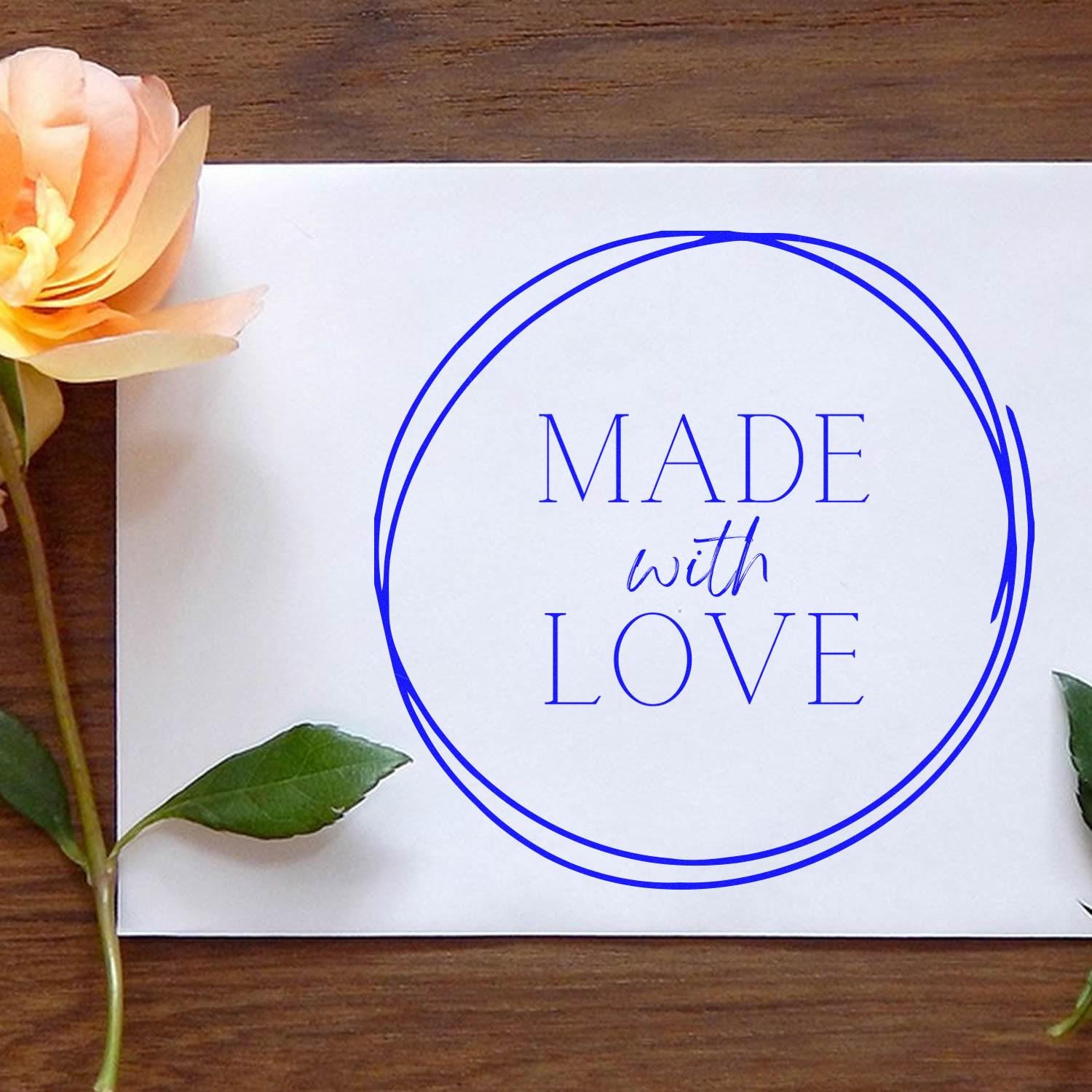
Natural light can brighten any space, but when it comes to your brand, a little creativity can do wonders too. If you have ever wondered about boosting your small business identity without breaking the bank, consider a logo made by stamp. It is an affordable, versatile, and personal way to make your mark on everything from packaging to marketing materials. By crafting your own custom stamp, you create a distinctive look that people will remember long after they have left your shop or website. In this article, you will learn what a logo made by stamp really entails, why it matters for your success, and how to use it effectively to elevate your products or crafts.
Understand a Logo Made by Stamp
A “logo made by stamp” is just what it sounds like: your brand’s signature emblem rendered as a rubber, polymer, or wooden stamp. Instead of printing stickers or ordering thousands of pre-labeled items, you can simply press your brand identity onto surfaces of your choice. Since a quality stamp captures every line and detail of your design, you do not lose brand integrity. The key difference is the method of application. Rather than relying on digital or large-scale print processes, you manually impress your logo onto your products, packaging, or marketing materials.
Why Stamps Work So Well
It might seem old-fashioned in a digital age, but stamping is anything but outdated. People crave tangible, personal touches in a world saturated with electronic messages. Hand-stamping your logo meets that need perfectly. Instead of a mass-produced label, customers see that you took time to create something special. This human element can build a more genuine connection with your audience.
- Stamps add a handcrafted touch that you cannot replicate with entirely digital designs.
- Applying a stamp is quicker and more cost-effective than having items pre-printed in bulk.
- Seeing a stamped logo conjures feelings of warmth, nostalgia, and authenticity.
Stamps versus Stickers or Labels
Business owners often debate the merits of stamping, stickers, or other labeling options. Each method has its place, but a stamp offers several advantages. With sticker sheets, you might face minimum orders and higher costs for high-quality finishes and special shapes. Labels can also peel, fade, or require placement that feels too automated. Stamping, on the other hand, gives you:
- Control: Apply your logo precisely where you want it, at the angle you choose.
- Flexibility: Change ink colors, switch surfaces, or create varied impressions all with the same stamp.
- Uniqueness: Each stamped logo will have slightly different nuances, adding character to your brand.
By understanding exactly what a logo made by stamp involves, you can approach your branding decisions with confidence.
Recognize Its Key Benefits
At first glance, stamping might seem like a simple solution, but the impact it can have on your small business is significant. From emotional appeal to cost savings, stamps deliver numerous benefits to help you stand out in a crowded market.
Creating a Memorable Impression
When customers receive an item or a piece of packaging adorned by a carefully stamped logo, they often pause, give it a closer look, and appreciate the attention to detail. This pause matters. The goal of branding is to stay in your customers’ minds for as long as possible. Hand-stamped elements achieve that by making them feel that a real person put care into the product.
Enhancing Brand Consistency
You might worry that stamping each piece by hand leads to inconsistency. However, good technique and the right materials can make the impression almost identical each time. While there may be slight variations, these differences become part of your brand’s charm. Everything from your business cards to your product boxes can still look unified with a consistent stamp design and well-chosen ink color.
Saving on Design Costs
Custom packaging can be expensive, especially when dealing with large print houses that require high minimum orders. With a stamp, your initial investment is usually just the cost of having the stamp produced. Afterward, you only need to purchase ink pads and occasionally replace them. This is often more cost-effective than continually ordering thousands of pre-labeled bags or boxes. You also gain flexibility: if you rebrand or shift your color palette, you can invest in a new stamp or different inks rather than overhauling all of your packaging.
Demonstrating Eco-Friendliness
Today’s consumers value sustainability. Using a stamp instead of stickers or plastic labels can reduce your overall waste. Just think about how many adhesive liners or glossy packaging scraps typically end up in a landfill. A simple wood-mounted rubber stamp and an ink pad have a smaller environmental footprint, especially if you use eco-friendly ink.
Adding a Personal Touch
Finally, a logo made by stamp allows for a kind of craftsmanship that resonates with those who prefer artisan experiences over impersonal transactions. If you want to convey that your business is handmade or family-run, the tangible texture of a stamped impression says it all.
Choose the Right Materials
Once you decide to move forward with a stamped logo, the next step is selecting the materials that align with your products, budget, and branding goals. While your design is crucial, the type of stamp, ink, and surface you use play equally important roles in achieving the best result.
Types of Stamp Bodies
Stamps come in several forms, each with its own advantages: Wood-Mounted Rubber Stamp
- Traditional look and feel.
- Rubber is durable and can hold detail well.
- Works best for earthy, classic, or artisan brands.
Clear Polymer Stamp
- Allows for precise placement since you can see exactly where you’re stamping.
- Often slightly less durable than rubber, but still reliable if you take care of it.
- Great for crisp, modern designs.
Self-Inking Stamp
- Houses its own ink pad, making it extremely convenient.
- Ideal for stamping large volumes or at events.
- Typically used for office tasks, but custom designs can still stand out.
Selecting Ink Pads
Choosing an ink pad is not just about color. Consider surface compatibility, drying time, and durability:
- Dye-Based Inks: Fast-drying, vibrant, and work well on paper.
- Pigment Inks: Richer color, but require more drying time. Ideal for surfaces like paper, cardboard, or fabric with some additional heat setting.
- Permanent Inks (Solvent-Based): Versatile on non-porous surfaces such as plastic, metal, or glass.
Make sure you choose an ink that will not fade or bleed on your desired surface. For instance, if you plan to stamp on fabric, a specialized fabric ink pad might be necessary to ensure washability.
Considering Surface Materials
Not all materials take ink equally. When you stamp on rough or textured surfaces, the impression might look slightly distressed, which could be desirable for a rustic aesthetic. Smooth, coated surfaces usually show clearer lines. Before committing, test your stamp on sample materials:
- Cardstock or Kraft Paper: Common packaging choice, easy to stamp.
- Fabric or Textiles: Requires special ink, but creates a fun, hand-printed vibe.
- Glass or Glossy Surfaces: Needs permanent ink and a steady hand to avoid smudging.
By experimenting with stamp bases, ink types, and surface materials, you will discover the ideal combination to bring out the best in your logo design.
Design a Clear Impression
A visually appealing stamp design begins with clarity and cohesion. Unlike digital artwork, where you can blend gradients or tiny details, a stamp impression thrives on bold lines and cohesive shapes. You want your brand to stand out every time you press the ink to paper, box, or bag.
Simplify Your Logo
Start by reviewing your existing logo. If it has too many intricate elements, try simplifying the details. Tiny flourishes or thin lines might not transfer well onto certain surfaces. Keep the key elements that define your brand, but tune them so they will maintain clarity with ink.
- Use thick strokes instead of fine lines.
- Limit the number of elements so the eye can immediately register the brand.
- Choose fonts that are legible at a small size.
Pick the Right Size
Scale matters when designing a logo made by stamp. Think about the surfaces you frequently stamp. If you stamp small business cards or gift tags, you need a smaller dimension that fits neatly. On the other hand, if you want to cover a larger area—like a bakery bag—you can opt for a bigger stamp. Align the size of your stamp with its most common application to avoid a disproportionate look.
Consider Negative Space
In the stamping world, negative space is the area of your design that does not receive ink. Plan your logo’s background carefully so that shapes or letters are not crowded. A balanced design ensures the logo stands out clearly:
- Maintain breathing room around your central image or text.
- Avoid overcrowding letters close to the edge of the stamp.
- Ensure each element has a clear outline against the rest of the design.
Test Before Finalizing
Before ordering a custom stamp, test your design in black-and-white on your computer or by printing a draft. This step helps you see how the design looks without color distractions. If you are satisfied with the high-contrast version, the design will likely stamp well. From there, partner with a professional stamp maker to finalize the design and execute it in rubber, polymer, or another suitable material.
When you invest time into designing a clear, concise impression, the final result will be both eye-catching and memorable.
Use Your Stamp Effectively
After all the thought you put into your design and materials, the next step is applying that stamp in ways that raise brand awareness. Whether you want to surprise customers, win over prospects, or create gorgeous gift packaging, your stamp has multiple possibilities.
Customize Your Packaging
One of the simplest ways to leverage a logo made by stamp is on packaging: boxes, bags, envelopes, tissue paper, and beyond. Clean, uniform stamping across your product packaging lends cohesiveness to the entire unboxing experience. If you ship products, seeing a neatly stamped box on a porch can heighten excitement and curiosity. You can also:
- Stamp the inside flaps of boxes to delight the customer upon opening.
- Use bright or metallic inks on dark packaging for contrast.
- Personalize shipping labels or tape if your chosen materials are stamp-friendly.
Spruce Up Business Cards and Thank-You Notes
Stamps can transform ordinary business cards into mini works of art. You might print a standard card layout but leave a blank area for your hand-stamped logo. This technique adds a tactile component that sticks in recipients’ minds. Similarly, if you enclose thank-you cards with orders, stamping your logo can tie the note back to your brand in a personal, heartfelt way.
Seal Event Invitations or Mailers
If you host special workshops, grand openings, or sales events, consider stamping your envelopes or mailers. Recipients often sort through piles of standard-sized letters daily. A stamped emblem on an envelope sets it apart immediately—generating curiosity and a sense of exclusivity.
Create Limited-Edition Promotions
Because a stamp is so flexible, you can experiment with various ink colors or surfaces, turning each new iteration into a limited-edition run. You can offer special timestamps on your packaging during the holidays, or seasonal color variations during summer or winter. This approach adds excitement for returning customers, who will appreciate the extra flair in each new order.
By consciously planning how and where you apply your stamp, you transform a simple tool into a dynamic brand asset that consistently wows your audience.
Tackle Common Pitfalls
While using a custom stamp sounds straightforward, there are still a few pitfalls new stamp owners can fall into. Recognizing them now can help you avoid wasted time and materials.
Uneven Ink Distribution
If you apply too little ink, your logo will look faint. Too much ink can cause smudges or bleed. For best results, press your stamp gently but firmly onto the ink pad, then stamp on test paper a few times until you achieve a clean impression. Practice makes perfect.
Misalignment on Surfaces
When you hurry or apply your stamp without alignment, the logo might appear crooked or cut off. A quick fix is to use light pencil guidelines on your paper or boxes, which you can erase later. If you select a transparent polymer stamp, you can visually center your design, which reduces placement errors.
Blotting and Smearing
Quickly picking up your stamp after pressing can help prevent smudges. Keep solid, consistent pressure, then lift the stamp in one smooth motion. If you notice blotting, switch to a smaller or firmer ink pad, or test a different ink formula that reduces ink pooling on the surface.
Inconsistent Results on Different Materials
Just because your logo looks remarkable on a cardboard box does not guarantee the same effect on glossy tags or fabric. Always test each new surface and experiment with ink types as necess
ary. Keep a record of which ink pads work best for each material.
Over-Stamping or Fading
If you stamp the same area multiple times, you might create a blurred impression. Commit to one decisive stamp placement per surface. As for long-term use, rubber stamps may harden or crack if not cleaned and stored properly. Gently wipe your stamp after each session, and store it away from direct sunlight or heat.
By knowing these pitfalls and how to address them, you ensure that each impression is a consistent representation of your brand.
See How Acorn Stamps Helps
When you are ready to transform your design into a custom logo made by stamp, Acorn Stamps stands out as a trusted choice. Family owned and operated since 1964, Acorn Stamps has built a solid reputation over 60 years of service. With a focus on stellar customer care and super fast turnaround, they help businesses of all sizes put their best imprint forward.
Tailored Support for Your Brand
Acorn Stamps does not just produce stamps, they guide you through the entire process. If you are unsure about the best stamp material or size for your logo, their experienced team can make professional recommendations. They consider your budget, typical usage, and brand aesthetic, ensuring you get a stamp that truly meets your needs.
High-Quality Materials
Since your logo is one of your brand’s most important assets, Acorn Stamps uses top-tier materials to guarantee crisp, long-lasting impressions. Whether you prefer a traditional rubber stamp or want the convenience of a self-inking design, their products combine durability with artistic precision.
Personalized Seals and Embossers
Beyond standard stamping, Acorn Stamps offers personalized embossers to add dimension and a touch of elegance to documents or stationery. These embossers create a raised impression of your design, giving an official and premium feel to letterhead, certificates, or packaging. If you are looking to elevate your branding, pairing a custom stamp with an embosser can create a multi-textured experience that impresses clients and customers alike.
Dependable Turnaround Times
One of the biggest concerns for small businesses is receiving supplies quickly, especially when you are preparing for a launch, trade show, or seasonal event. Acorn Stamps focuses on a super fast turnaround so your project stays on schedule. Their efficiency does not compromise quality, it merely reflects a deep commitment to stellar customer service.
A Family Legacy You Can Trust
Choosing a family-owned business often means tapping into decades of specialized knowledge and a genuine passion for the craft. Acorn Stamps’ roots date back to 1964, and their multi-generational expertise ensures you benefit from time-tested techniques and modern innovations alike. You can feel confident knowing your brand is in the hands of experts who take pride in every stamp they produce.
Explore Extra Creative Ideas
Ready to push the boundaries of how you use your custom stamp? There are plenty of imaginative directions you can take once you have the basics down. Your brand identity can shine in unexpected ways.
Incorporate Fabric Elements
If your products include fabric items, take advantage of fabric ink to stamp your logo onto tote bags, aprons, or even T-shirts. This simple approach can turn customers into walking advertisements for your brand. Just ensure you follow proper heat setting instructions or any recommended fabric prep so the ink does not wash out.
Turn Packaging into Art
Add extra flair to your packaging by combining stamping with handwriting or illustration. You could stamp your logo in one corner of a box, then sign your name or draw a fun border. This mix of stamped and freehand elements looks artistic and personable, catching customers’ attention in an instant.
Curate Seasonal Variations
Consider having multiple stamps that correspond to different seasons or promotional events. For instance, a holiday-themed version of your logo stamp can surprise customers with a festive touch. Or you might design a “limited edition” stamp for special product launches, driving a sense of urgency and exclusivity.
Offer Stamped Swag
Promotional items often fuel your marketing strategy. You could stamp notebooks, coasters, or postcards with your logo and give them away at workshops or events. This approach leaves attendees with something tangible to remember your brand by—an especially powerful technique if you are looking to grow local or niche communities.By letting your imagination explore these creative possibilities, you expand your stamp’s role from basic branding tool to a full-fledged method of engagement.
Review Key Takeaways
You have learned that a logo made by stamp is an affordable and versatile option for boosting brand recognition. Once you understand the purpose, select quality materials, and refine your design, the actual act of stamping becomes a fun and rewarding process that draws customers to your business. Whether you stamp boxes, envelopes, fabric items, or even your marketing swag, each impression speaks to your attention to detail and personal touch. You have also discovered how Acorn Stamps can help bring your custom vision to life efficiently, with high-quality materials and a family legacy of excellent service. Keep these vital points in mind as you move forward:
- Simplify your logo for bold, clear impressions.
- Test different ink and stamp materials to find the right fit.
- Practice correct stamping techniques for consistent results.
- Explore creative applications to keep your branding fresh.
- Partner with a reliable stamp maker like Acorn Stamps for expert guidance and fast turnaround.
By combining your unique brand story with the flair of a well-crafted stamp, you encourage a deeper connection with your audience at every turn.
Frequently Asked Questions
How Do I Maintain My Stamp?
After each use, gently wipe away excess ink from the stamp’s surface with a damp cloth or stamp cleaner. Store the stamp in a cool, dry space, away from direct sunlight. Regular cleaning and proper storage can help prevent rubber hardening or deterioration, ensuring your stamp remains crisp and long-lasting.
Will a Stamped Logo Fade Over Time?
If you use high-quality ink that is compatible with the surface, your stamped logo should remain visible for a considerable period. Dye-based inks on non-coated paper may fade more quickly than permanent or pigment inks, especially in direct sunlight. For surfaces exposed to moisture, consider permanent or heat-set ink for added durability.
What If I Want Multiple Stamp Sizes?
It is common to have multiple stamps for different needs. For example, a smaller stamp might fit product tags, while a larger stamp could be used on packaging boxes or promotional materials. Most custom stamp providers, including Acorn Stamps, can accommodate various dimensions of the same design.
How Do I Choose the Best Ink?
The best ink depends on the surface you plan to stamp. If you are stamping paper or cardboard, dye-based or pigment-based inks typically work well. For glossy or non-porous surfaces, look for permanent or solvent-based inks that will adhere and dry effectively. Always test new inks on a sample material before applying them to your final products.
Can I Use My Stamp on Fabrics?
Yes. However, you will need a specialized fabric ink. Some fabric inks require heat setting with an iron or dryer to become permanent. Make sure the stamp design does not have overly fine lines, as fabric textures can blur very thin details. Always follow the ink manufacturer’s instructions for the best, most durable results.
By taking these answers into account, you elevate your stamp usage from a simple branding solution to an adaptable tool for all kinds of creative, brand-focused projects. Remember, it is your personal touch that sets you apart—your logo made by stamp is just the beginning of a long adventure in bringing your brand to life on every possible surface.