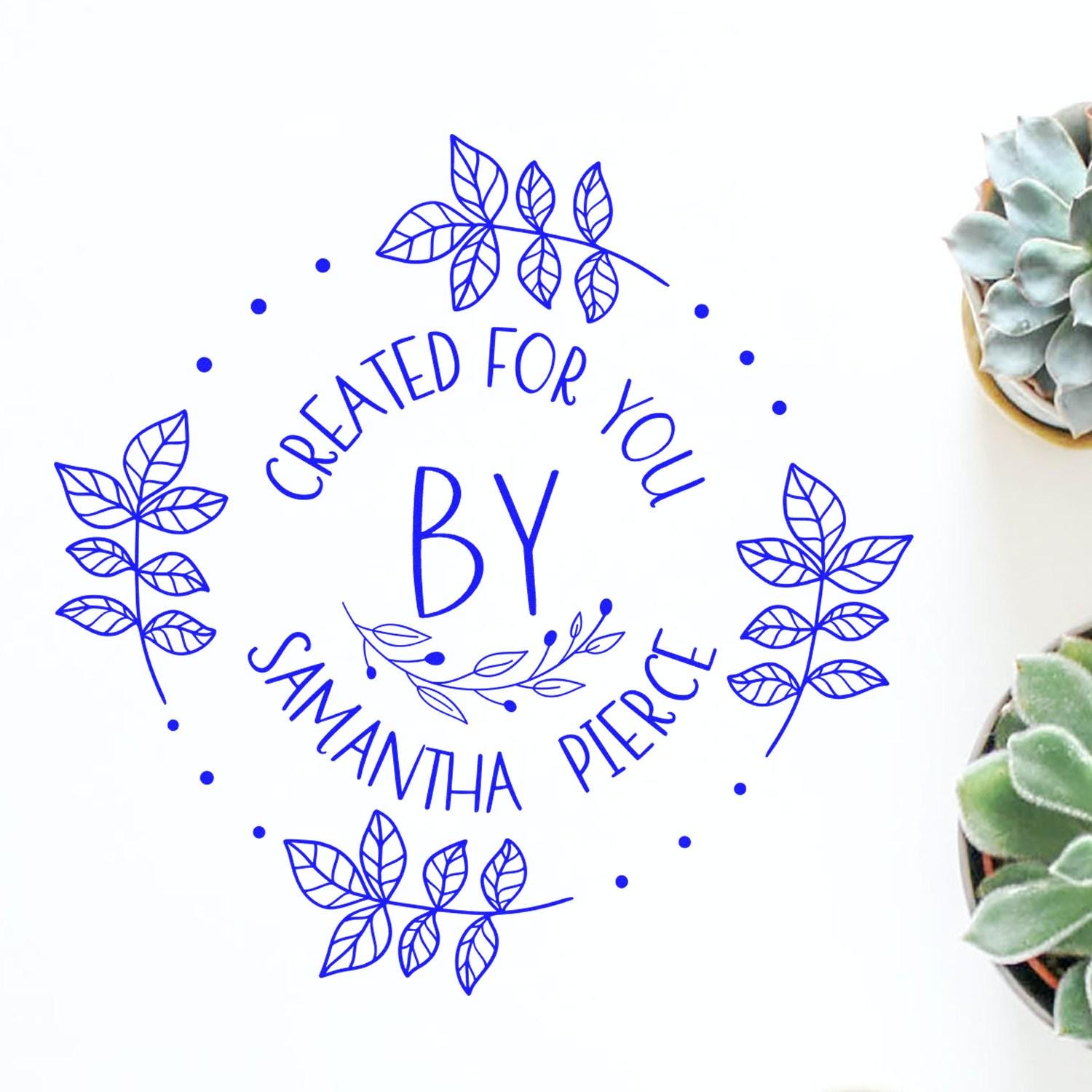
If you want to add a personal and professional flourish to your homemade baked goods, a bakery made by stamp can be the perfect finishing touch. Whether you dream of showcasing your name or a whimsical logo on every loaf of bread you sell, using a custom stamp allows you to share your brand and craftsmanship in a small but meaningful way. In fact, these stamps help you turn every package or box into a signature reflection of your baking artistry. Below, you’ll discover how to choose the best bakery made by stamp for your unique needs, ensuring a polished look that customers will notice.
Understand The Role
A bakery made by stamp is much more than an ink imprint. Think of it as your calling card or miniature billboard, designed to introduce your baked goods with style. This stamp can serve multiple purposes:
- Highlighting your brand or bakery name
- Including a fun slogan or decorative motif
- Listing essential product details such as flavor or allergy information
When you stamp each bag, box, or label, you create consistency in your packaging. This consistent look allows customers to recognize your goods immediately. If you sell at farmers’ markets or local shops, the stamp separates your products from the competition, conveying a sense of professionalism and trustworthiness. Adding this artistic flair can also elevate how customers feel about your baked goods. It demonstrates that you care about every last detail. And when you create memorable, branded packaging, you often encourage repeat purchases. Essentially, a well-chosen stamp is an investment in customer loyalty. By understanding the core role of a bakery made by stamp—identifying and elevating your baked goods—you can shape an overall brand presence that truly stands out.
Explore Stamp Styles
Before settling on the perfect stamp, it’s helpful to know the common varieties. Each type impacts the look of your packaging, the ease of use, and the final cost. Options include:
- Traditional Rubber Stamps: Simple and classic, these stamps typically require a separate ink pad. They’re budget-friendly and versatile, but can be slightly messier if you’re new to stamping.
- Self-Inking Stamps: Convenient and neat, self-inking stamps come with a built-in ink pad. After each press, the stamp retracts so that it is instantly ready for the next use. These provide consistently crisp impressions, though they’re often more expensive than traditional rubber stamps.
- Pre-Inked Stamps: If sharp, vibrant detail is your top concern, pre-inked stamps provide neat impressions without needing a separate ink pad. They typically handle fine lines and small text very well. However, you’ll need to re-ink them once they begin to dry out.
When comparing styles, you’ll want to think about factors like:
- Volume of use: If you plan to stamp hundreds of boxes each day, a self-inking or pre-inked stamp can save time.
- Level of detail: Intricate artwork often looks best with a pre-inked or high-quality rubber stamp for sharper lines.
- Portability: If you’re traveling to events, a self-inking stamp might be the easiest to pack and use on the spot.
Considering each stamp style in advance helps you focus on the features that matter most, whether that’s cost, convenience, or clarity of design.
Consider Stamp Materials
Choosing the right stamp materials is another key step in getting a bakery made by stamp that will stand up to real-world usage. The style of stamp you select influences the materials you can choose, but here are some common options:
- Wood Mount: A classic choice, wood-mounted rubber stamps offer a traditional look and reliable durability. They often come with a handle or wooden block that’s easy to grip.
- Plastic Housing: Self-inking or pre-inked stamps normally feature a plastic enclosure that houses both the inking mechanism and the rubber die. Many current designs are lightweight, compact, and fully enclosed to keep ink from leaking.
- Metal Components: Some higher-end, heavy-duty self-inking stamps include metal frames for longer life. They’re a good choice if you’re stamping thousands of bakery boxes each week.
Of course, the actual stamping surface (usually the rubber or polymer) is just as critical. Look for stamps made with top-quality rubber or resin because these materials can hold up under regular use. The sharper the molding or laser-engraving process, the more precise your impression will appear. Knowing how different materials affect longevity, comfort, and performance allows you to invest in a stamp that complements your workflow. With the right construction, you’ll feel confident that your stamp can handle anything your bakery throws its way.
Personalize Your Design
A core advantage of a bakery made by stamp is the ability to infuse a piece of your own creativity and identity into every baked treat. From the shape of your stamp to the fonts and graphics you choose, your design is essential to making a lasting impact on customers.When personalizing, consider:
- Brand Identity: If you have a logo, you’ll likely use it. If not, think about a simple icon or outline that represents your bakery—maybe a whisk, rolling pin, or cupcake silhouette. This image becomes the visual anchor for your stamps.
- Fonts and Text: Legibility is everything. Choose a typeface that’s easy to read, even at a smaller size. If you add text like “Baked By [Your Name],” make sure it appears clearly when stamped.
- Final Shape: Stamps can be designed in circles, rectangles, or even whimsical outlines. The shape you pick can reflect your brand’s style—whimsical, rustic, modern, etc.
- Colors: While black or brown ink is common for a rustic or minimal style, you can also add an unexpected pop of red, pink, or another vibrant color.
Experiment with different layout ideas, but keep it simple. The best designs typically stick to minimal text and one strong visual. Clean lines and uncluttered text usually offer the most consistent results when stamping multiple pieces of packaging.
Check Durability And Quality
Quality control might not be the most glamorous aspect of choosing a bakery made by stamp, but it’s absolutely crucial. After all, if your stamp falls apart or starts producing fuzzy imprints right before a busy weekend, you’ll find yourself in a bind. Here’s what to verify when checking for durability and consistency:
- Crisp Edges: The stamp should produce neat outlines, especially around text. Blurry edges or patchy fills are often an indicator of low-grade rubber and insufficiently detailed engraving.
- Ink Absorption: If you’re using a traditional rubber stamp, test how well it absorbs and holds ink. A high-quality rubber or polymer will prevent excessive spreading and smudging when pressed on paper, cardboard, or other surfaces.
- Wear Resistance: If your design starts to lose sharpness quickly, that can point to subpar materials or manufacturing. Look for any noticeable dips or dents in the rubber/engraved surface.
- Consistency Over Time: You want to feel confident that the first stamp impression of the day looks just as good as the hundredth. A strong return mechanism or well-mounted surface helps ensure consistent performance.
Durability matters because you’re investing not only in the artistry but in the reliability of your workflow. By prioritizing a high-quality stamp, you avoid reordering in a hurry and rest easy knowing each impression will look clean and professional.
Balance Budget And Value
A bakery made by stamp is an asset to your baking business or hobby, so budget is certainly part of the conversation. Even so, there’s a difference between finding a real bargain and buying a short-lived tool that will need replacing in no time. To get the most value for your money:
- Look For Reputable Suppliers: Reliable companies often stand behind their product quality and may provide clear product details or guarantees.
- Compare Price Points: Traditional rubber stamps can be more affordable than self-inking stamps, but you might end up buying extra accessories like ink pads. See what fits your workflow and how any additional supplies factor into your total spending.
- Plan For Reorders: If you run a high-volume bakery, your stamp might need more frequent ink refills or replacement stamp pads. Factor these ongoing costs into your budget from the start.
- Consider Your Artistic Goals: If a slightly more expensive product creates a significantly better impression—leading to stronger brand recognition—then the extra cost might be worth it.
In the end, value hinges on how well your stamp meets your needs for quality, usability, and branding. You don’t want to overspend, but buying a stamp at the rock-bottom price can have hidden costs in the form of blurred images or frequent replacements.
Pick A Reliable Supplier
Choosing your supplier might be one of the most important steps in acquiring a bakery made by stamp that you’ll use day after day. You want a partner who understands the value of top-notch craftsmanship and stands behind every product. If you’re looking for a dependable place to get your stamp, consider Acorn Stamps. Family owned and operated since 1964, they bring over 60 years of service to every order. They’re also known as a top supplier of custom-made seals and personalized embossers, which means they have extensive experience in crafting high-quality stamping solutions for a range of needs.Beyond the product line, you’ll want to note these supplier attributes:
- Stellar Customer Service: If you run into questions about design or have any concerns about your order, reliable support can help you troubleshoot quickly. Acorn Stamps prides itself on responding to customer inquiries with genuine care, reflecting its family-owned values.
- Super Fast Turnaround: When running a bakery, time is especially precious. A supplier that can deliver your stamp quickly lets you continue focusing on what you do best—baking delicious treats. With Acorn Stamps, you’ll find that production and delivery paths are optimized for minimal waiting time.
- Clear Customization Process: The ideal supplier should offer an easy online design interface or a simple way for you to transmit your ideas. Make sure you understand the steps required to review and finalize your custom stamp.
- Flexible Return/Exchange Policy: Even with precise measurements, you may occasionally need revisions. Working with a company that’s open to modifications or has a solid return policy can save time and frustration, especially in busy seasons.
A reliable supplier sets the stage for your overall satisfaction. When you know your stamp is coming from a source you trust, it’s that much easier to focus on delivering top-notch baked goods to your customers.
Find Creative Inspiration
After handling the logistics of choosing materials, shapes, and suppliers, it’s time to spark some creativity. Designing a stamp is your opportunity to reimagine how people see your bakery at first glance. You can draw inspiration from:
- Vintage Bakeries: Emulate the charm of old-fashioned bakery signs through playful fonts and retro-inspired color schemes.
- Modern Minimalism: If you want to appear hip and contemporary, focus on clean lines, geometric shapes, and understated text.
- Seasonal Themes: Do you have special holiday treats? One approach is to rotate seasonal stamp designs to match occasions like Thanksgiving, Valentine’s Day, or Christmas.
- International Influences: If your baked goods are inspired by French patisseries or Italian biscotti traditions, draw on subtle national motifs to highlight authenticity.
It may help to create a small mood board with color palettes, font samples, and possible icons. While browsing designs online can be helpful, be sure to maintain your own unique spin. Originality resonates with customers—particularly those who embrace artisan and small-batch bakeries over mass-produced alternatives.
Plan For Maintenance
When you’re counting on your bakery made by stamp day in and day out, basic maintenance ensures your impressions consistently look sharp. Luckily, caring for stamps isn’t difficult:
- Cleaning: Wipe off any excess ink or powder. A gentle soap and water rinse (if rubber or polymer) can be enough, but avoid soaking any wooden mounts. Always allow the stamp to dry fully before your next use.
- Re-inking: Self-inking or pre-inked stamps need fresh ink eventually. The frequency depends on how frequently you’re stamping. Keep a supply of recommended inks on hand to prevent downtime.
- Storage: Store your stamps in a cool, dry space, away from direct sunlight or extreme temperatures. If your stamp includes a cover or case, use it.
- Inspecting For Wear: Over time, even the best rubber can develop cracks or lose clarity. Look carefully after extended use. If you see any distortion in your design, it might be time for a replacement.
By integrating regular maintenance into your routine, you’ll prolong the life of your stamp. In the long run, this helps you save money and maintain a professional appearance for your brand.
Follow An Easy Ordering Process
Once you’ve made your decisions on design, materials, and supplier, it’s time to order your stamp. Here’s a simple step-by-step approach:
- Finalize Your Design: If you worked with an artist, confirm you have the correct file format, typically a high-resolution image or vector file.
- Customize Online or Send Details: Many suppliers, like Acorn Stamps, let you upload your image directly or email your design specifics for a custom quote.
- Review The Proof: Ensure there isn’t any spelling or sizing error. If you see something off, give feedback promptly so the supplier can adjust.
- Confirm Production Details: Ask about production time, shipping estimates, and any add-ons (like extra pads or extra ink refills).
- Wait For Delivery And Inspect: Upon arrival, test a few impressions on spare paper or packaging materials. Make sure everything looks as expected.
This process shouldn’t be stressful. In fact, a reliable stamp provider will guide you through each step. When the product arrives, you can start stamping your bakery boxes and bags right away, confident you’ve chosen a tool that perfectly fits your style and needs.
Frequently Asked Questions
Below you’ll find answers to five common questions about bakery made by stamps, covering everything from cleaning routines to design considerations.
How Do I Select The Right Ink For My Bakery Made By Stamp?
It depends partly on your packaging material. A water-based ink works fine for most standard papers and cardboard. If you’re stamping freezer wrap or glossy surfaces, choose a specialized ink that won’t smudge. Many self-inking stamps come with universal ink suitable for most porous surfaces. If you’re uncertain, ask your supplier for recommendations based on your target packaging materials.
Should I Use A Different Stamp For Product Labels Versus Paper Bags?
It can be helpful. If you stamp on small product labels with intricate lettering, a pre-inked stamp or a specific size might be best for detailed designs. Paper bags might require a larger stamp so your brand name or artwork stands out. Splitting up stamp usage by task can help ensure clarity on every type of surface.
How Often Will I Need To Re-Ink Or Replace My Stamp?
Frequency varies based on how heavily you use your stamp. With daily stamping, you might need to re-ink a self-inking or pre-inked stamp every few weeks. A traditionally mounted rubber stamp can last a long time if you store it correctly, since it relies on separate ink pads. Watch for fading or uneven impressions, which are signs it’s time to refresh your ink.
Can I Incorporate Special Characters Or Artwork Into My Design?
Absolutely. Many home bakers use small icons like hearts, stars, or bakery-themed elements (like a whisk or rolling pin) to highlight their brand personality. As long as you provide a clear, high-resolution file, the engravers can usually replicate your artwork precisely. The key is ensuring that lines aren’t too thin so they don’t lose detail in the stamp-making process.
What Makes Acorn Stamps A Great Choice For Bakery Made By Stamps?
Acorn Stamps has spent decades perfecting the art of custom stamp creation. As a family owned and operated business since 1964, they combine 60 years of service with modern technology to deliver trustworthy, high-quality stamps. You’ll find stellar customer service, super fast turnaround, and a genuine commitment to making sure each stamp meets your needs. From design collaboration to final delivery, they make the process easy. Choosing the perfect bakery made by stamp encourages your baked goods to stand out and leaves a lasting impression on customers. By focusing on the right style, materials, supplier, and design, you can turn a simple stamping tool into one of your bakery’s most valuable branding investments. Enjoy every moment of creating your handmade treats and stamping them with a design that reminds customers just how much passion goes into each batch.