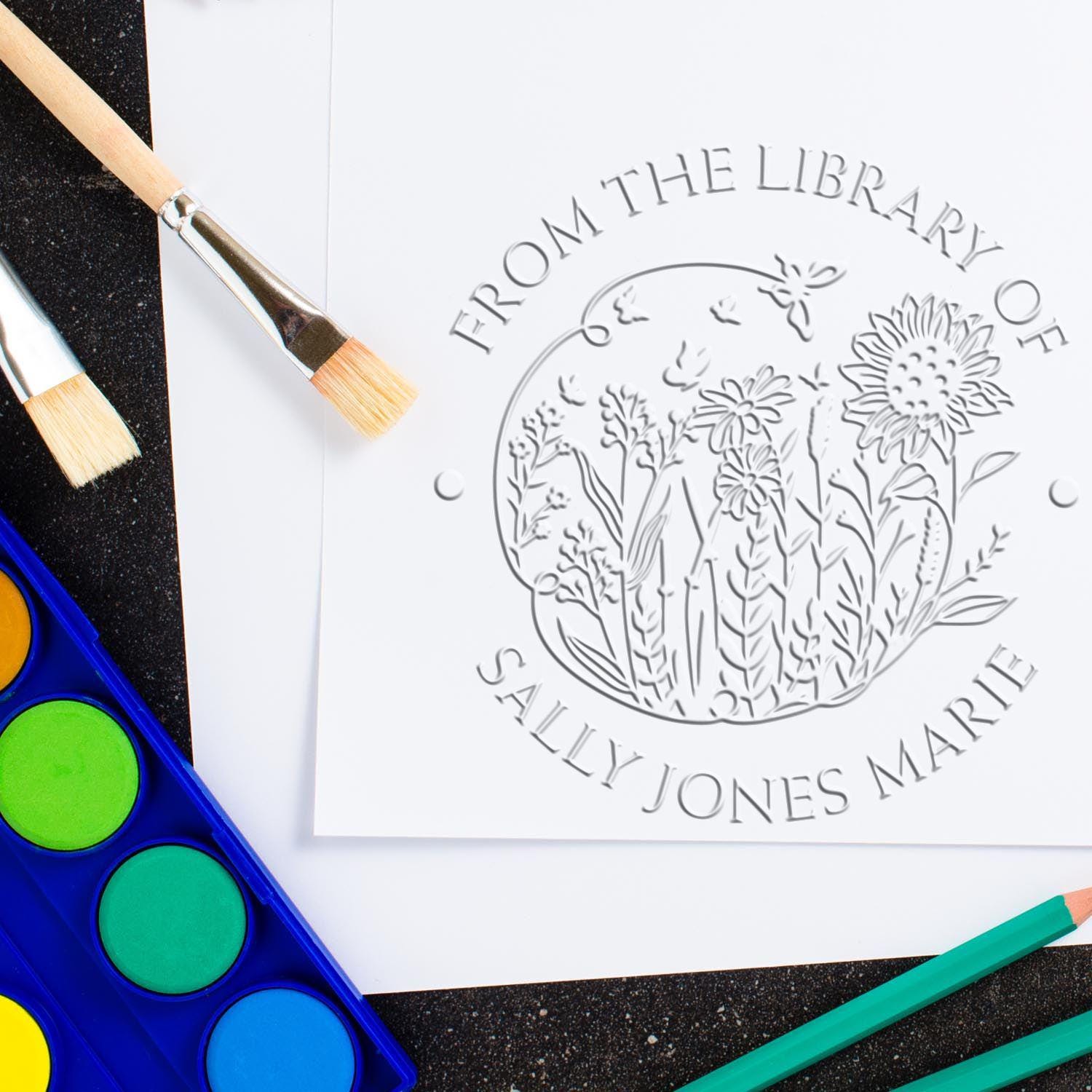
Baking is more than combining flour, sugar, and a dash of creativity. It is a way to share your affection for homemade treats with friends and family. A recipe card stamp adds an extra flourish to every pastry you present, making your gifts feel unique and undeniably yours. By customizing your own stamp, you can add a memorable “from the kitchen of” note, your name, or a heartfelt message that brightens someone’s day each time they reach for a recipe.
Embrace Personalization In Baking
Personalizing your baking routine transforms ordinary moments into treasured experiences. Not only does it let you reflect your baking style, but it also helps turn your recipes into tangible expressions of who you are. If you enjoy passing around hand-pressed recipe cards at gatherings, a recipe card stamp keeps your details consistent and professional, no matter how many goodies you whip up.From cupcakes to casseroles, you pour effort into each creation. It is only natural to finish off those baked goods or recipe cards with your own personal stamp. When people see that distinctive imprint, they instantly know you made the treat with care. A customized stamp also shows that you invest thought into how your culinary endeavors appear and feel.Personalization has another benefit: it ties your name to every recipe you share. If you often pass out recipe cards at holiday events or birthdays, you probably want a quick, stylish way to identify them. A recipe card stamp eliminates the need for repetitive handwriting, letting you spend more time perfecting that delicate pastry dough instead of scribbling your name on every piece of paper.
Why Personalization Matters
- It demonstrates care: A personalized mark reflects your dedication to detail.
- It saves time: Stamping is far quicker than writing your name on every recipe.
- It fosters connection: People appreciate a thoughtful touch that highlights your individual style.
Choose The Ideal Stamp Design
Selecting the right design for your recipe card stamp is the first step toward making your mark on each dish you serve. Stamps come in various shapes, styles, and materials, so it helps to think through exactly what you want before you invest. From intricate flourishes to minimalist lines, the style you pick should match the tone of your cooking and the type of recipes you usually make.
Consider Readability First
It might be tempting to go all out with fancy fonts and ornate borders, but your main objective is clarity. When someone glances at your recipe card, they should be able to read your name and any additional text immediately. If you choose a cursive or elaborate design, try to balance it with strong, bold letters for the central text. This ensures your name remains the focal point.
- Test different font sizes and styles: Some scripts look gorgeous digitally but can be illegible once stamped onto a card. Ask for a test print or sample if possible.
- Use high-contrast colors: Black ink on light-colored paper stands out well. If you decide on custom or colored ink, be sure it does not blend with the cardstock.
Find A Layout That Fits
Another key point is how you will arrange text and graphics. Many bakers prefer a “From the Kitchen Of” phrase along the top, with their name laid out in bigger letters beneath. You could also include a small illustration, like a whisk, rolling pin, or cupcake, to hint at your favorite type of treat. Extra flourishes look lovely, but keep them contained so they do not overshadow essential text.If your design gets too cluttered, the message can drown in decoration. Strike a balance between artful flair and functional clarity. A few carefully placed icons or borders achieve an appealing look without taking over the entire stamp. This ensures your brand or name stands out clearly in every impression you make.
Think About Future Use
You might love crocheting or painting when you are not baking, so pick a stamp design that can adapt to future projects. If you ever decide to extend your stamp’s use to labeling handmade crafts or gift tags, the style should be versatile enough to suit multiple tasks. This saves you from having to buy a brand-new design if you branch out and use the stamp for more than recipes.
Customize To Reflect Your Style
Your recipe card stamp will be an extension of your identity in the kitchen, so make it truly yours by including elements that encapsulate your personal flair. Make it bright and playful if you enjoy whimsical desserts, or choose a polished, classic look if you prefer timeless family recipes. Remember, the final goal is to stamp your imprint on every dish you bring to the table, so the stamp should reflect your distinctive baking personality.
Add Personal Wording
Give your stamp a custom wording that feels friendly. Instead of a formal “From the Kitchen of…,” you might choose something more casual, like “Baked With Love By.” This little modification adds warmth and helps whoever receives your recipe card feel the personal touch behind your culinary creation.If you have a signature phrase, maybe something your family always says around the dinner table, use it in the design. That phrase quickly becomes a recognizable marker of your approach in the kitchen. Perhaps you enjoy humor, like “Calories Don’t Count If You Bake With Love.” If it matches your style, go for it. Every time someone sees that phrase under your name, they will crack a smile.
Incorporate Meaningful Symbols
Imagery that represents your journey in the kitchen can elevate your stamp’s uniqueness. Perhaps you use your grandmother’s recipe book, so add a small vintage spoon illustration. Maybe you are known for the swirl on your cupcakes, so a micro cupcake icon could become your “logo.” These images do not have to be large, subtle icons keep the focus on text while still speaking volumes about your baking style.
- Whisks and rolling pins: Perfect for highlighting your love of pastry.
- Baked goods icons (cupcakes, pies, cookies): Ideal for a playful, sweet vibe.
- Floral accents: Excellent if you often bake with herb or floral flavor profiles.
Explore Everyday Uses
Once you have your recipe card stamp, you will find that it is not just for decorating recipe cards. This versatile tool can enhance multiple areas of your baking life, and even beyond. Putting it to work in creative ways ensures you get the most from the investment. Think about anywhere you would include your name, your brand, or a greeting that ties back to your homemade treats.
Elevate Your Recipe Cards
Naturally, recipe cards are the main canvas for your stamp. Stamping each card transforms them into keepsakes that friends and relatives might hold onto for years. The unique flair makes each card possess more than just a list of ingredients, it becomes an extension of your story. If you are putting together a homemade cookbook or giving away your top holiday recipes, that consistent stamped detail unifies the entire collection.
Label Baked Goods Packaging
If you frequently give out treats in small boxes, paper bags, or even on top of parchment wrap, your stamp can function as a quick and stylish label. Consider adding your signature stamp to cupcake boxes, cookie tins, and bread wrappers. Doing so is not only practical—identifying which homemade treat belongs to you, but also creates a polished, welcoming exterior that recipients will love.
- Bee-themed stamp for honey-based recipes
- Winter-themed icon for holiday cookies
- Elegant script for wedding or anniversary treats
Dress Up Gift Tags
When a friend’s birthday or a holiday rolls around, you might slip your baked goods into a decorative bag or box. Attach a gift tag and give it a swift stamp. Whether it is shaped like a festive ornament or a simple square tag, the stamp ties your baked gift directly to you. This is especially handy if you are part of a recipe swap or a bake sale where multiple people contribute goodies.
Handy For Big Events
If you participate in local craft fairs or community gatherings where you distribute homemade samples, a recipe card stamp can set you apart from others. Press your brand onto paper napkins, small thank-you notes, or bag seals. When event participants head home and unpack their freebies, they will be reminded of who baked that delightful treat, they might even look you up for more.
Pick A Trusted Provider
Finding the right company to bring your recipe card stamp idea to life is crucial. You want a partner that understands the nuances of clarity, style, and quality, ensuring your stamp prints consistently and beautifully with every use. That is why choosing a brand like Acorn Stamps can make all the difference. Family owned and operated since 1964, Acorn Stamps has over 60 years of experience working with customers who care about personal detail and craftsmanship.
Why Acorn Stamps Stands Out
- Top supplier of custom and personalized stamps: You are not limited to generic designs. Working with Acorn Stamps means you can collaborate on a style that aligns perfectly with your vision, whether you bake exclusively gluten-free or specialize in lavish wedding cakes.
- Stellar customer service: If you have concerns about your design, color, or the usability of your stamp, Acorn Stamps ensures you receive helpful guidance.
- Super fast turnaround: When you are eager to brand your next batch of cookies, you do not want to wait ages for your stamp. Acorn Stamps’ efficient process keeps you from missing important baking deadlines.
Before you commit to a provider, consider requesting examples of past work or reading testimonials from other bakers. A trustworthy company will answer your questions thoroughly and help you pick the right ink, handle type, and design size. Remember, your recipe card stamp should be an investment that lasts for years to come, so you want to rely on a business that has a proven track record in delivering consistent, high-quality results.
Customization Tips
When working out the final look with your stamp maker, communicate your goals clearly. Provide references if you have a specific aesthetic in mind, like minimalist typography or playful cartoon icons. Show them color swatches you adore or fonts that mirror your personal style. By being upfront about your preferences, you help the company craft a stamp that matches your creative aspirations and prints flawlessly.
Perfect Your Stamping Technique
Once you receive your recipe card stamp, you will want to master the art of stamping so every impression looks crisp and clear. Even the highest-quality stamp will struggle if the stamping process is rushed or not done on the right surface. With the right approach, you can create consistent, professional-looking results time after time.
Prepare The Surface And Ink
Start by using a flat, stable surface. If your table wobbles or the surface has ridges, it can lead to smudges or uneven impressions. It also helps to place a rubber mat or a stack of scrap paper under the area you are stamping. This adds a bit of cushion that improves contact between stamp and card.Next, choose an ink pad designed for rubber stamps or polymer stamps (depending on the material). Some inks dry faster than others. If you actively bake in a fast-paced environment or you plan to stamp multiple cards at once, pick a quick-dry ink to avoid smearing. Gently press your stamp onto the ink pad, ensuring the entire surface is coated. Pressing too hard can flood the design with ink, resulting in a blurry impression.
Apply Even Pressure
Once the stamp is inked, align it with the surface you intend to mark. Press firmly and evenly for a moment, concentrating on balanced pressure. Lifting the stamp too soon can cause partial images or pale areas. Try to keep your wrists straight and move deliberately.If you notice any patchy spots, re-ink and test your technique on spare paper until you achieve uniform coverage. Practice a few test stamps before you work on your actual recipe cards, especially if you are using a brand-new ink pad. This small bit of rehearsal can save you from unsightly smudges on precious stationery or gift packaging.
Clean And Store Properly
A clean stamp is key to longevity and clear impressions. Wipe off any excess ink with a gentle, non-toxic cleaner or simply use mild soap and water if the material allows. Pat the stamp dry thoroughly before storing it in a cool, dry place. Exposure to direct sunlight can cause rubber to harden or crack over time, so keep it tucked in a protective box or drawer.
Infuse Extra Charm
If you crave extra flair, you will find countless ways to take your recipe card stamp experience to the next level. The beauty of a custom stamp is that you can combine it with other decorative elements, turning every recipe or baked treat into a miniature art piece.
Experiment With Creative Inks
Colored inks open up new possibilities. A classic black impression is timeless, but consider how a delicate pastel or metallic gold might complement certain recipe cards. For a holiday twist, switch to a deep red or green around December. This reflects the festive season and instantly sets your notes apart from everyday stationery.When trying colored inks, remember that readability remains your priority. If you are stamping onto darker paper, white or metallic inks might be your best bet. On the other hand, if your recipe cards are pale, a bold navy or forest green can look distinct without sacrificing clarity.
Pair With Embellishments
Once your stamped design has dried, you can personalize further with elements like ribbons, stickers, or washi tape. Attach a small bow on your pastry bag, or place a whimsical sticker near the stamped text on your recipe card. These added touches transform your creations into special tokens of your thoughtfulness, and they also hint at the time and care you put into each treat.Additionally, if you keep scrapbooking supplies on hand, experiment with layering techniques. For instance, stamp your name onto a separate piece of patterned paper, then cut it out and attach it to your recipe card with adhesive foam squares to give it a 3D effect. Small changes like these infuse your finished stamp impressions with extra personality, an especially fun approach for seasonal or celebratory recipes.
Highlight Seasonal Changes
Think of your stamp as the central brand. Then, during different seasons or special events, rotate in smaller accent stamps to match the mood. If your main stamp says “From Joanne’s Kitchen,” you could add a snowflake icon in winter or a small heart in February for Valentine’s Day. By layering complementary accents, you give your cards or packaging a theme without needing an entirely new custom design each time.
Answer Five Common Questions
What kind of ink works best with a recipe card stamp?
You want an ink that dries quickly and provides crisp detail. Dye-based inks are popular because they absorb easily and minimize smudging. Pigment inks can offer richer colors but may take longer to dry, so be careful when stacking your cards.
How do I ensure my stamp lasts a long time?
Clean it gently after each use and store it in a dust-free environment away from direct sunlight. Proper cleaning prevents ink buildup, while the right storage conditions keep the rubber or polymer material from deteriorating.
Can I include more than just my name on the stamp?
Absolutely. Many bakers add phrases like “Homemade By” or “Baked With Love,” as well as small graphics that represent their baking style. Just remember to maintain legibility, so your primary text remains clear.
What happens if I need to change my design later?
You can always have a new stamp made if you change your branding or need a different design. However, choosing a versatile layout up front helps ensure that your stamp remains relevant for years, saving you money and the hassle of reordering.
How soon can I get a recipe card stamp from Acorn Stamps?
Thanks to Acorn Stamps’ super fast turnaround, you typically receive your custom stamp quickly, often much sooner than expected. They prioritize stellar customer service and efficient production times, so you will be stamping your recipe cards in no time.From labeling your favorite cookie recipe to adding a distinctive flair to your holiday goodie bags, a recipe card stamp helps you celebrate your love of baking in a memorable way. When you can combine quality materials, clear design, and a personal touch, every recipe card that carries your stamp becomes a sweet invitation into your kitchen, and that is something you can take pride in sharing.