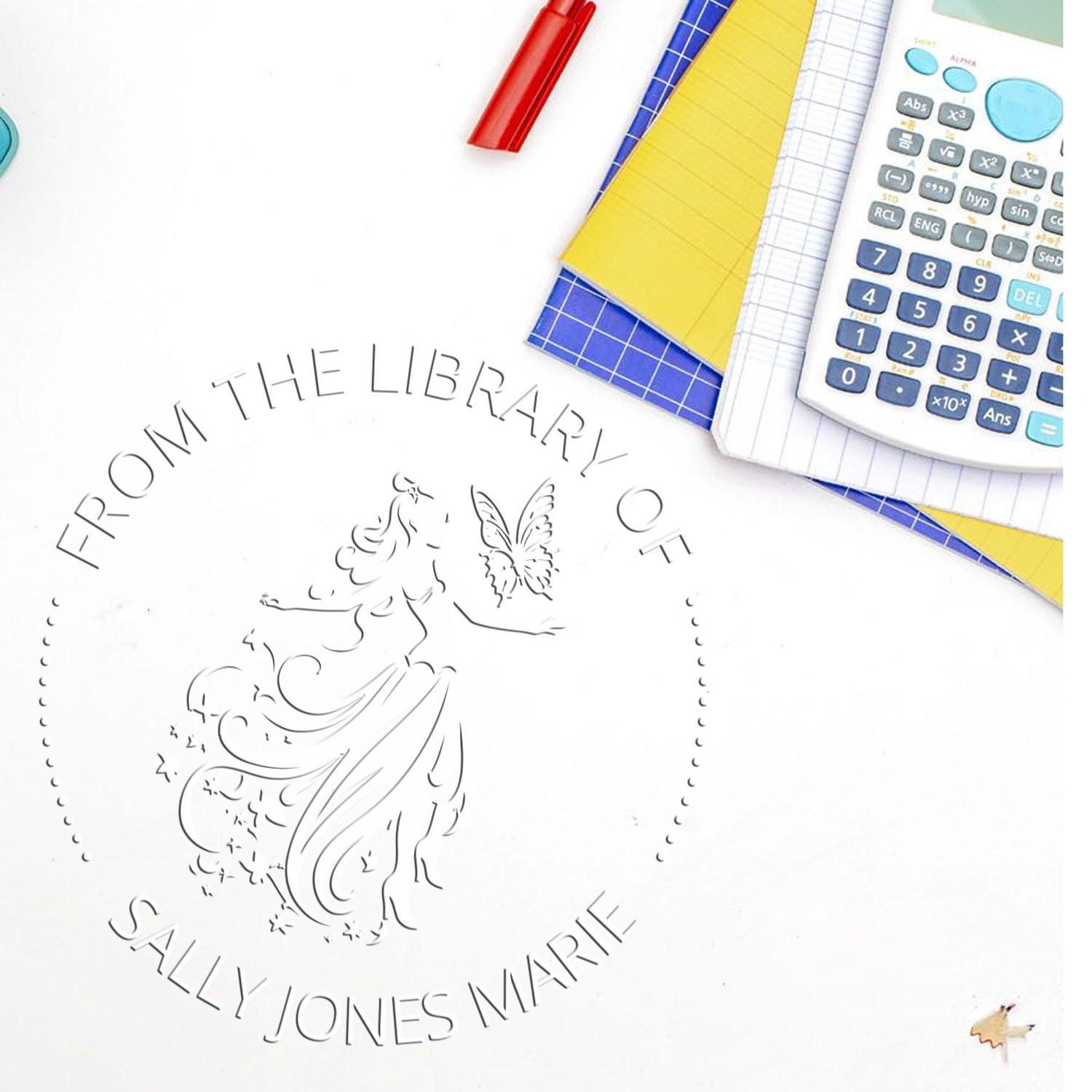
Have you ever longed to place your personal mark on treasured books? A circular ex libris embosser could be the ideal solution. By imprinting a unique seal on each title page, you bring an air of sophistication to your collection that friends and family will admire. If you love the feel of a book in your hands or you have a friend who can’t part with physical copies, an embosser is the perfect way to elevate those pages from ordinary to extraordinary.
Below, you’ll discover what a circular ex libris embosser is, how to customize it for the best results, and why it can make a memorable present. You’ll also learn how Acorn Stamps, a family owned company with decades of experience, can guide you through the creation of a truly special piece.
Discover The Circular Ex Libris Embosser
A circular ex libris embosser is a hand-operated device that presses a raised design onto paper, typically on the inside cover or title page of a book. The term “ex libris” means “from the library of,” signifying the owner of the book it adorns. The circular shape creates a timeless feel, making your library look refined and carefully curated.
A Brief History
Embossers have been used for centuries to personalize documents, arts, and crafts. Traditional ex libris marks once took the form of labels or inked stamps. Over time, the embossed form emerged as a charming alternative. The crisp raised image conveys an elegant aesthetic that marks your ownership in a more permanent way.
- Historically used to prevent book theft or misplacement
- Distinguished personal ownership from public or communal libraries
- Showcased taste, education, and a sense of identity
Modern-Day Appeal
Today’s embossers come in assorted shapes and styles, but the circular ex libris embosser remains a popular pick. Its balanced proportions suit most book page layouts. With custom designs, you can make something truly your own. It appeals to book collectors, gift-givers, and anyone who appreciates the subtle beauty of paper crafts.
Why “Circular” Matters
While you can choose different shapes, circles have a classic look that frames informative text and imagery neatly. The geometry works well symmetrically, creating a polished boundary around your name or chosen design. You’ll find that circles also integrate nicely with most interior pages, whether you place them on a blank endpaper or near a title.
Understand The Art Of Personalization
Personalization goes beyond adding your name or monogram. You can think about symbols, illustrations, quotes, and even typefaces that reflect your personality or reading preferences. When you tailor your circular ex libris embosser, the result suits your books perfectly.
Reflecting Your Reading Habits
If you’re a fan of a particular genre or author, incorporate elements that resonate with that style. For instance, if you love nature writing, consider a leaf motif around your name. If you’re drawn to timeless literary works, an elegant crest might feel right. Personal touches can bridge the gap between form and function.
Coordinating With Book Styles
Think about your favorite volumes. Perhaps you own antique first editions, modern hardcovers, or whimsical kids’ books for your little ones. A versatile design can be used across all your books, but you might also create special embossers for themed collections. Some readers find it fun to have multiple embossers for different sections of their libraries.
Considering Fonts And Layout
One reason the circular shape shines is that text can curve around the perimeter. You might choose an arched serif font for a traditional look or a clean sans serif typeface for a modern approach. The way your name or initials appear makes a difference in the final impression. Experiment with letter spacing, line thickness, and decorative flourishes that tie everything together.
Explore Key Design Elements
Each design component of your circular ex libris embosser can reflect who you are or convey something meaningful. When you break down a typical circular design, you’ll see space for text, a focal image, and perhaps a smaller ornament.
1. Central Imagery
In many designs, the center holds the main icon or illustration. This could be a family crest, a simple monogram letter, an animal silhouette, or even a short phrase. It’s the heart of your ex libris mark, so choose carefully. Some people opt for minimalistic silhouettes, while others pack in tiny details for a more elaborate look.
2. Outer Ring Text
Often, the outer ring spells out “Ex Libris,” accompanied by your name. In a circular layout, the text arches around the top and bottom edges. The spacing and arrangement matter to ensure the words feel balanced. Test out a few typefaces, and observe how letters align to maintain an uninterrupted curve.
3. Border Flourishes
You can add subtle decorations, such as leaves, stars, or geometric shapes, around the perimeter. These details can serve as both a frame and a visual accent. If you like the minimal aesthetic, you might keep the border simple. If you love intricate designs, consider a more ornate flourish set.
4. Personal Mottos Or Dates
Some reading aficionados enjoy including a favorite quote or a special date to commemorate when their collection began. A short line of text can fit elegantly under the central imagery or alongside the circular perimeter. This additional text can transform your embosser into a mini work of art.
Learn About Practical Uses
At first glance, you might think a circular ex libris embosser only serves a single purpose: marking books. However, you’ll discover it can become a versatile tool. Once you have a beautiful design, the possibilities are open to your creativity, from personalizing gifts to adding artistic touches to projects.
1. Signature Style In Every Book
Naturally, your new embosser can lend a sophisticated touch to each cherished title. Place the stamp on the inside front cover, title page, or near a table of contents. If you sometimes share your books or run a small lending library among friends, you’ll appreciate how the crisp impression reminds borrowers to return the volume to you.
2. Special Stationery And Favors
Don’t limit yourself to inserting your ex libris only in books. Embossers are equally great for personal stationery, such as letters, note cards, or even invitations. If you’re inviting friends to a party or wedding shower, that embossed detail makes every envelope look professional yet heartfelt.
3. Gift Wrap And Tags
If you love a personalized touch on wrapped boxes, use your embosser on gift tags. You can emboss the corner of a paper tag, then write a short note. It’s a subtle but thoughtful addition that demonstrates extra care in your gift-giving.
4. Handmade Crafts
Are you a scrapbooker or planner enthusiast? Consider embossing decorative pages, corners, or embellishments. This can also apply to hand-made greeting cards, place cards for dinner parties, or event programs. The uniform circular design stands out, making your crafts appear cohesive and polished.
Choose The Right Materials
A high-quality circular ex libris embosser depends on both the tool’s build and the materials you’re embossing. If you often work with heavy card stock, you’ll need an embosser designed to handle thicker paper. If your books have delicate, thin pages, you’ll want to adjust the pressure so the design looks crisp without tearing.
Paper Types And Weights
- Standard Text Weight (70-80 lb): Ideal for typical book pages. The impression won’t be too deep or tear the paper.
- Card Stock (100 lb or higher): Suited for invitations, gift tags, and thicker covers. Make sure your embosser can handle this weight.
- Specialty Papers: Handmade or textured papers are trickier, but they can also create more stunning impressions.
Embosser Construction
Look for a sturdy, reliable embosser that presses uniformly. Desktop embossers can handle frequent usage, while handheld versions offer portability. Gauge the handle’s comfort too, especially if you plan on using it to mark a large volume of books at once. The best embossers use durable metal components, ensuring consistent pressure for crisp images.
Plate Material
The plate, or die, is the part that makes contact with the paper. Metal plates are common in premium embossers, providing longer-lasting impressions. Sometimes, you can select a plastic alternative, but metal typically ensures a sharper result. A removable or interchangeable plate opens the door to switching designs if you want variety down the line.
Give A Memorable Gift
A circular ex libris embosser is a delightful gift for any book lover, teacher, or writer. If you need a unique holiday present or a thoughtful housewarming offering, an embosser stands out as personal and practical.
1. Tailor The Design To The Recipient
You know your recipient’s interests best. If they have a favorite color scheme or a motif they often use in their home, reflect it in the design. For a friend who’s an avid traveler, you might incorporate a globe or a compass. For someone who loves fantasy novels, try a crest featuring mythical creatures.
2. Pair With Other Bookish Items
Make the gift even more special by packaging the embosser with a few extras. Perhaps slip in a classic novel, a journal, or a personalized bookmark. If you want to show how the embosser works, you could even pre-emboss a small sample of gift tags or stationery.
3. Demonstrate Thoughtfulness
When you present a personalized embosser, you’re not just offering a tool. You’re showing that you’ve considered their interests and reading habits. It’s a sentiment that resonates deeply with those who appreciate tangible reminders of your connection.
Use And Care Tips
Once you’ve ordered the perfect circular ex libris embosser, you’ll want to keep it in prime condition. A well-maintained embosser will last for years, producing crisp impressions with every press.
Storage
You might store your embosser on a shelf near your books, but consider protecting the die from dust or moisture. A small cloth cover or pouch can help keep it clean. Avoid storing loose pieces in cramped drawers, which might cause accidental damage to the handle or printing plate.
Operating Pressure
Different paper types call for slightly different pressures. With a bit of experimentation, you’ll figure out how firmly to squeeze. For thick cardstock, you may need more force, while delicate pages work best with gentler presses. Over time, you’ll develop a feel for the right amount of force.
Cleaning
If your embosser accumulates dust or debris, gently wipe it with a soft cloth. Check the raised design on the die for any particles lodged in the grooves. Compressed air can be used to remove stubborn dirt. Avoid harsh chemicals that may corrode metal parts.
Common Troubleshooting
- Uneven Embossing: Check if your paper is fully inserted and the embosser is on a flat surface.
- Faint Impressions: Apply slightly more pressure or do a test emboss on scrap paper.
- Misalignment: Make sure the page is aligned with the center mark of the embosser to prevent offset impressions.
Meet Acorn Stamps
When it comes to designing and creating top-tier custom made seals and personalized embossers, Acorn Stamps leads the way. You’ll appreciate their stellar customer service, super fast turnaround, and commitment to quality. Family owned and operated since 1964, Acorn Stamps brings 60 years of expertise to ensure your circular ex libris embosser is exactly as you envision. Many people choose Acorn Stamps for:
- Customized solutions: You can incorporate unique artwork, family crests, or business logos.
- Quality materials: Expect metal components that stand up to frequent use.
- Expert guidance: Their knowledgeable team helps refine your design for crisp, balanced impressions.
- Long-term value: Because they’ve been doing this for decades, they understand what works best for each individual’s needs.
You’ll feel confident knowing you’re partnering with a company that has helped thousands of book lovers and collectors add that personal finishing touch to their prized collections.
Frequently Asked Questions
Where Do I Typically Place An Ex Libris Emboss On A Book Page?
You can position the embossed seal anywhere that feels right, though many people prefer the title page or inside front cover. If you’d like it to be more discrete, consider placing it on the corner of the inside back cover.
How Important Is Paper Thickness When Embossing?
Paper thickness (weight) impacts how crisp and detailed the final impression appears. Thicker cardstock often yields a bolder, more pronounced imprint, whereas thinner paper requires a gentle touch to prevent tearing.
Is Maintenance Complicated For My Embosser?
Not at all. Simple storage, occasional dusting, and correct operating pressure go a long way. Keep your embosser clean and stored in a protective place, and it should deliver consistent results for years.
Can I Emboss Materials Other Than Paper?
While these embossers are primarily designed for paper, some users do try them on thin cardstock or lightweight fabrics. Always test on a sample piece first to check if the material is suitable and won’t tear.
What If I Want To Redesign My Embosser In The Future?
Some models allow you to swap out the die. If that’s a priority, mention it when ordering. Acorn Stamps can advise you on options that let you replace the plate with a new design whenever you’d like.
A circular ex libris embosser allows you to mark ownership in a way that speaks to your personal style. Whether you’re adding a cherished piece to your own library or surprising a fellow bibliophile, the embossed design adds a subtle aura of finesse to every volume it touches. From picking the right layout to learning how to store and protect your new tool, you now have the information you need to create that perfect finishing touch for your favorite books. Let your collection shine with each refined impression.