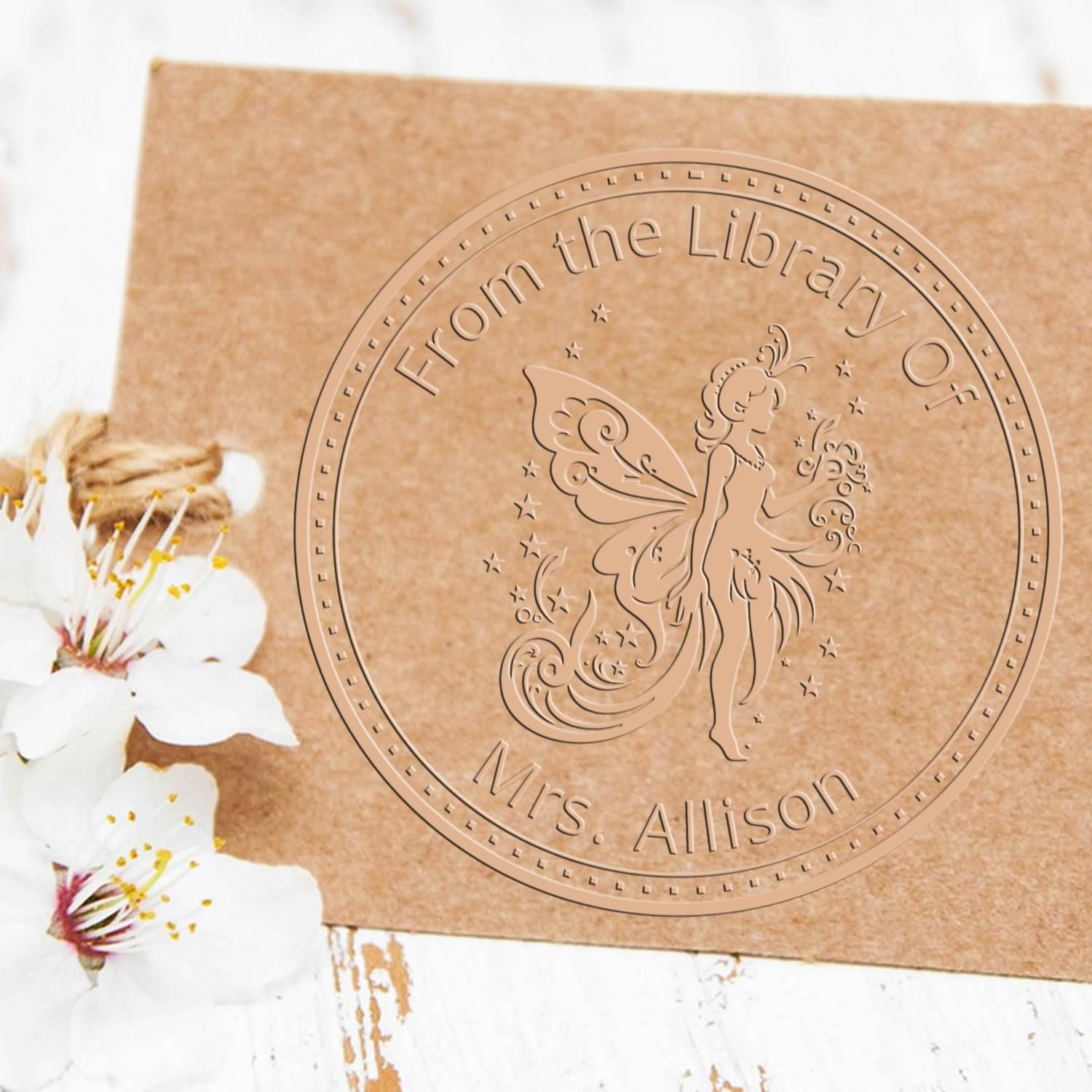
Looking for a unique yet practical way to personalize your favorite hardcover novels, treasured albums, and other bound materials? A book embosser for thick paper can help you create an elegant, raised impression that turns any volume into a distinct statement piece. By adding your name, initials, or a special design to each book, you transform plain pages into cherished keepsakes. If you want a present that truly stands out, an embosser can be the perfect choice—and it’s easier to use than you might think.
This guide will show you how a sturdy, high-quality book embosser for thick paper can elevate your library through beautifully raised seals. You’ll discover how to choose the right type of embosser, tips for embossing books without damaging the binding, and ideas for transforming your embossed volumes into meaningful gifts. Along the way, you’ll also learn more about Acorn Stamps, a family-owned and operated business that’s been making custom seals and personalized embossers for over 60 years.
Understanding Book Embossers for Thick Paper
When you come across a crisp, embossed design on a page, you can’t help but run your fingers over it and feel the raised texture. Book embossers create these impressions by pressing a metal die and a metal counter-die together around a sheet of paper. While all embossers share the same fundamental principle, an embosser intended for thicker paper requires special considerations to ensure a flawless imprint every time.
What Is a Book Embosser for Thick Paper?
A book embosser for thick paper is designed to press an image or text onto bulkier materials, like heavy-grade book pages or card stock, without tearing or creasing them. The main difference between standard embossers and those made for thicker paper often lies in:
- The force or pressure the embosser can apply
- The throat depth (how far into a page you can comfortably emboss)
- Overall build quality, to handle repeated impressions on denser sheets
While you might use a typical hand-held embosser for thin letters or stationery, a book embosser for thick paper is far sturdier. This extra strength and precision give you consistent, crisp impressions, so you can confidently personalize everything from sturdy cookbook covers to thick watercolor paper.
Why Invest in One?
If you love physical books, you probably understand the joy of holding a well-crafted, tangible item in your hands. Embossing adds even more charm to that experience. A specialized embosser lets you:
- Permanently label your collection with a refined, professional look
- Customize your library in a way that stands out from simply writing your name on the inside cover
- Elevate your gift-giving, especially for special occasions such as weddings, retirements, or graduation celebrations
For lovers of print materials, a quality embosser becomes a much-appreciated tool, producing consistent results again and again. It’s an heirloom gadget that, with proper care, can last for years.
Benefits of Personalizing Your Collection
Customization is more than just placing your name on an object. It’s about expressing your personality, style, and regard for the things you own. Whether you want to add a timeless family crest or a playful artistic design, a personalized seal can make your bookshelf that much more meaningful.
A Signature Touch to Your Library
Think of your library as a reflection of your personality. By embossing a sophisticated seal, you’re adding a finishing flourish to your treasured volumes. Instead of a run-of-the-mill bookplate or sticker, you get an eye-catching raised imprint that:
- Looks sophisticated enough for professional or academic contexts
- Proclaims your ownership without taking away from the book’s aesthetics
- Enhances the overall reading experience by taking you beyond the printed text
When you step into the world of embossed books, your shelves capture attention. From the thick coffee table volumes to your favorite collecting guides, each embossed design becomes a subtle mark of your personal flair.
Memorable Gifting Option
When you’re looking for a thoughtful gift, a book embosser for thick paper can turn any hardcover novel or journal into a keepsake. By presenting someone with a book embossed with their name, monogram, or meaningful quote, you show how much care went into selecting and decorating the gift.
- For a wedding: Emboss a guest book or photo album for the happy couple.
- For graduations: Personalize a planner or professional reference text for a new graduate.
- For retirements or anniversaries: Customize a memory journal or commemorative book that marks the milestone.
This personal approach resonates, making your present stand out while suggesting a deeper connection with the recipient’s passions. And unlike other gifts that fade in value over time, an embossed book can be enjoyed for decades.
Selecting the Right Embosser
Before you begin creating beautifully raised seals, you need to consider which type of embosser best fits your needs. From manual to electronic options, each style offers different benefits. The right choice depends on how frequently you plan to use it, the style of impressions you want, and your comfort level with each device’s mechanics.
Manual vs. Electronic Embossers
You’ll encounter two main categories:
- Manual:
Operates via a lever or hand press Generally more affordable and simpler to maintain Offers excellent precision if you want to feel physically closer to the embossing process Great for smaller projects or personal use, where you don’t have to emboss large batches at once
- Electronic:
Powered options that reduce or eliminate the need for manual forceIdeal for frequent or high-volume embossing tasks
Provide more consistent pressure, which can result in very uniform impressions Usually heavier, more expensive, and bulkier than manual models For most personal libraries or smaller gift projects, a high-quality manual embosser is a dependable solution. You can control pressure by hand, ensuring that even the thickest book pages receive a clean imprint. If you find yourself personalizing large quantities, like doing multiple wedding invitations on heavyweight cardstock, an electronic embosser could save you time and prevent strain.
Considering Throat Depth and Capacity
“Throat depth” refers to how far into the paper your embosser can reach. You’ll often see references like “1.5-inch reach” or “2-inch reach.” For book embossing, a deeper throat is helpful because you’re typically positioning the seal a few centimeters into the page instead of right along an edge.
Additionally, ensure that your embosser has the capacity to handle thicker stock (like heavyweight or coated pages) without creasing or ruining your books. A model specifically labeled for thick paper usually provides the extra clearance and pressure needed to emboss sturdier materials.
Designing Your Seal
One of the most exciting parts of owning a book embosser for thick paper is deciding on your custom design. Acorn Stamps, family owned and operated since 1964, specializes in creating unique dies that reflect your style. Some popular design ideas include:
- A simple monogram of your initials
- A personalized crest with a family motto
- A stylized image that resonates with your interests (e.g., a favorite flower, a skyline, a hobby icon)
- A name encircling a memorable quote
A well-crafted design ensures that your embossed impression is clear and legible, even on thicker pages. You can collaborate with a designer or choose from pre-designed templates, adding text or a small logo.
How to Emboss Thick Paper Without Hassle
Embossing thicker paper is surprisingly straightforward once you understand the right techniques. By preparing your location, positioning the embosser properly, and applying consistent pressure, you’ll achieve sharp impressions without harming the book’s spine or pages.
Preparing the Workspace
Your work area plays a big role in the success of your embossing:
- Use a stable surface: A sturdy table or countertop prevents wobbling and ensures even pressure.
- Gather supplies: Keep your book embosser, the book or page you’re embossing, and any alignment guidelines within easy reach.
- Test first: If you’re new to embossing thicker materials, practice on a similar scrap sheet. Pay attention to the alignment and how hard you have to press.
Especially if you’re planning to emboss multiple books, it’s worth taking the time to customize your workspace. Clear away any clutter so you can move freely, and position your supplies where you can easily grab them.
Proper Positioning and Pressure
Positioning is essential for a neat final look. Here’s how to get the best results:
- Determine the ideal spot for your seal. Many people prefer the lower right corner on the inside cover, though you can experiment with other places.
- Center your page in the embosser’s jaws, using any guidelines or etched lines on the tool to help align the design.
- With your book carefully placed, hold the page taut without wrinkling it.
- Activate the embosser by pressing down on the handle (for manual models) or initiating the electronic mechanism (for electronic versions).
- Release gently, then check the impression.
Applying the right amount of pressure can be a matter of trial and error. Too little force might leave a faint imprint, while too much can risk ripping thicker paper. You can usually feel a small “give” when the die and counter-die clamp together, signifying that you’re at the correct pressure.
Fixing Common Mistakes
Even experienced crafters make mistakes from time to time. Here are a few tips to correct or avoid those mishaps:
- Misalignment: If your impression is crooked or off-center, you might try repositioning the page or adding a faint pencil mark in the correct spot. Practice your pivot movement with the embosser before applying pressure to the actual book.
- Over-embossing: Pressing too hard can wrinkle or tear thick paper. Ease up on your arm strength or switch to a manual embosser you can control better.
- Light or incomplete impressions: If the design looks patchy, ensure that the page is laid flat. Adjust the tension or pressure until you get consistent results.
Patience and practice are crucial when you’re learning the nuances of your new embosser. Don’t be discouraged if it takes a few tries to find the perfect balance of pressure and alignment.
Caring for Your Embosser
Although book embossers for thick paper are typically built to last, it’s worth dedicating some time to regular maintenance. Simple steps can help keep your embosser working smoothly and preserve the quality of your die plates.
Cleaning and Storage
Dust, ink, or residue can sometimes accumulate around your die. Keeping your embosser clean can maintain crisp results:
- Gently wipe down the plates with a soft, dry cloth to remove dust.
- If the exterior gathers dirt or fingerprints, a slightly damp cloth can help, but avoid using harsh chemicals.
- Store your embosser in a cool, dry location, away from direct sunlight. This protects the metal from potential warping or color fading.
If you plan to take your embosser on the go, perhaps to an event where you’re embossing on-site, invest in a sturdy carrying case or padded bag to keep its handle and die plates secure.
Checking for Wear and Tear
Over time, the moving parts of your embosser may loosen or show mild wear. If you notice:
- The handle starts sticking
- The die plates no longer line up correctly
- You’re exerting more force to get the same impression
You may need a simple tune-up. Try contacting the manufacturer for replacement parts, or get in touch with Acorn Stamps for expert advice on re-lubricating or recalibrating your embosser. Addressing problems early can protect your books from subpar imprints and prevent mechanical damage from worsening.
Transforming Embossed Books Into Heartfelt Presents
Embossed books make extraordinary gifts. They carry a personal touch that a mass-produced item can’t replicate. With some creativity, you can level up your present even further, making it a treasured keepsake for your recipient.
Pairing With Handwritten Notes
Adding a handwritten message inside an embossed book can transform it into a sentimental treasure:
- Pen a short dedication about what the book means to you or how the content connects to your relationship.
- Share an inside joke or a heartfelt sentiment that conveys how special the recipient is to you.
- Sign off with your name and the date, so they can look back fondly on that moment.
Your embossed seal, combined with a personal note, weaves a narrative that resonates beyond the pages. Years later, the recipient can open their book and immediately recall the warmth behind the gift.
Incorporating Other Custom Elements
Embossing the cover or a particular page can be just the beginning. You might also add:
- Customized illustrations or printed photos on the flyleaf
- Gilded or colored page edges for an extra flourish
- A slipcase or box imprinted with the same seal, offering protection and style
Combining these customizations into one cohesive gift is a sure way to create a lasting impression. Whether for a book club friend, a professional colleague, or a family member marking a milestone event, every element will show the care you put into crafting a personal, distinctive item.
Why Choose Acorn Stamps
When you’re in the market for a book embosser for thick paper, you want a product you can trust. After all, high-quality embossers aren’t just about function, they’re about creating memorable impressions you’ll cherish for decades to come. At Acorn Stamps, we pride ourselves on offering:
Family-Owned Legacy
As a family-owned and operated business since 1964, we’ve had over 60 years to perfect our craft. That dedication shows in our artisanship and our commitment to top-notch materials. We understand how important it is to invest in products that symbolize your personal or familial legacy. Since we take pride in our own legacy, we aim to uplift yours by providing the best embossers possible.
Stellar Customer Service
Being a family-run operation, we treat each customer like a friend. We know that designing and ordering an embosser can seem daunting, especially if you’re new to customization:
- Have a question about how a particular design might look? We’re here with honest advice.
- Need guidance on choke or coverage for thick paper? We’ll help you troubleshoot.
- Unsure which handle style suits your grip? We’ll walk you through it.
Your satisfaction is paramount, and we’ll be there each step of the way to troubleshoot, clarify details, and ensure your embosser meets every expectation. Your feedback isn’t just welcomed, it actively shapes how we refine our products and approach.
Super Fast Turnaround
Life moves quickly, and so does your need for personalized items. Perhaps you’ve just realized you need an embossed wedding guestbook at the eleventh hour, or your client gift needs a rush order. Whatever the scenario, we strive to offer a fast turnaround without compromising quality:
- Orders are processed promptly
- Art proofs and design adjustments are handled with efficiency
- Shipping is optimized for quick and reliable delivery
We respect your timeline and work diligently to ensure you receive your embosser in plenty of time for that special occasion.
Frequently Asked Questions
What’s the difference between an embosser for thick paper and a standard embosser?
An embosser designed for thick paper applies greater force and often features a deeper throat capacity. This ensures your impressions remain crisp and without damage to hardcover pages or heavyweight materials.
Can I use my embosser on materials other than books?
Absolutely. You can often emboss envelopes, cardstock, certificates, or similar paper products. Just verify your embosser’s capacity to handle the thickness before proceeding.
How do I design a personalized seal for my embosser?
You can either select a premade design template or collaborate with a designer to create a custom image, text, or monogram. The key is to keep the design layout simple enough so the details remain clear on thick paper.
Will embossed pages damage the spine of my book?
If you’re using the right amount of pressure and positioning your embosser properly, it won’t harm the spine. Many people prefer to emboss only the first few pages, which are usually thicker and separate from the book’s glued binding.
How long will my embosser last?
With proper cleaning, storage, and occasional tune-ups, a quality embosser can last for many years, potentially decades. Embossers from trusted brands like Acorn Stamps are known for their durability and timeless design.
Conclusion
Whether you’re highlighting the books in your own private collection or searching for a heartfelt present, a book embosser for thick paper offers a simple but powerful way to leave your mark. You can add personal touches, like a custom monogram or heartfelt quote, that will resonate for a lifetime. From selecting the optimal design to caring for your embosser, every step of the process ensures a more meaningful, memorable result.
At Acorn Stamps, we combine a family-owned legacy with knowledgeable customer service and lightning-fast turnaround times. With over 60 years in the business of custom-made seals and personalized embossers, we’re dedicated to helping you create truly unforgettable impressions. All it takes is a bit of creativity, the right tools, and a personal vision. Soon enough, every book you open will reflect your individual story, ensuring that your collection, and the gifts you give, carry both substance and style.