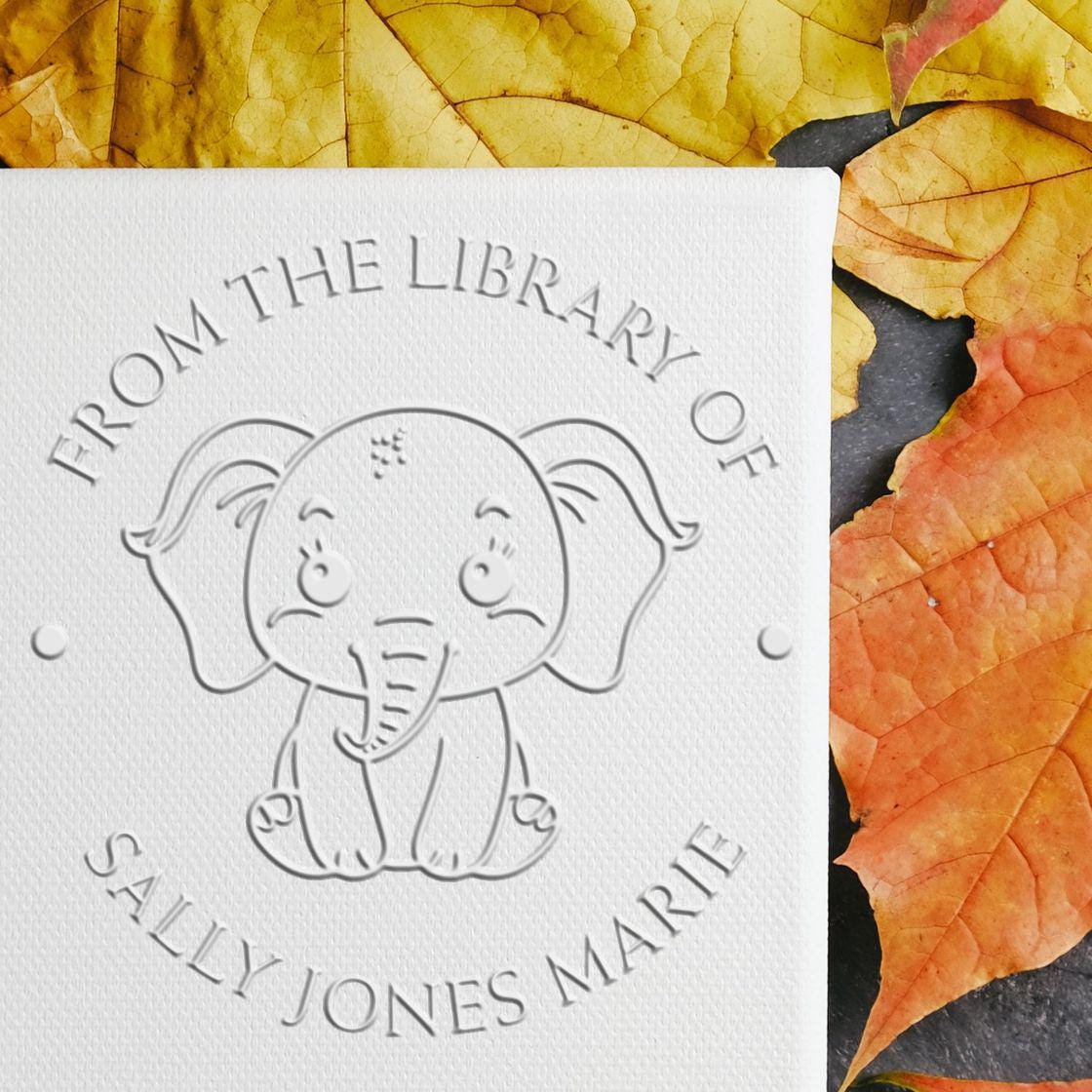
Understanding the Value of a Teacher Classroom Library Stamp
When you think about making your personal mark on the books you share with students, a teacher classroom library stamp can be a game-changer. Whether you teach elementary, middle, or high school, adding a simple stamp with your name or a custom illustration creates a sense of ownership and identity that resonates with learners. It is more than just an organizational tool. It is a statement that says, “These books belong to our classroom family.” In many ways, the right stamp can embody your teaching style, spark curiosity in your students, and inspire them to value reading every day. Beyond just neat labeling, a well-designed stamp can spark excitement in young readers. Picture this: each time a student picks up a book, they see a friendly message that encourages them to treat the classroom library as a shared resource. When your name or even a snappy motto greets them, it creates that extra bit of pride in borrowing and returning items, leading to a more respectful and engaging atmosphere. Despite its simplicity, a personalized stamp can have a much bigger impact than standard sticky labels or pen scribbles. It is more durable, more polished, and more reflective of you as an educator.
Recognizing Why You Need One
You may be wondering if a teacher classroom library stamp is truly worthwhile. In a busy classroom, small touches can have a big influence on how smoothly things run. By stamping your books, you:
- Clearly mark classroom resources to help students remember where books belong
- Instill a sense of responsibility to return borrowed items
- Communicate a consistent message about respect and care for shared materials
- Save time re-labeling or searching for missing volumes
- Add a personal flair that students will remember
A visible, uniform label is especially helpful if you frequently rotate your collection or send books home for reading assignments. When each book is stamped with your name, the subject, or even a kindhearted note, learners will think twice before leaving it in a random stack. Plus, as you expand your library over the years, your stamp grows right alongside it, keeping the entire reading collection unified and easy to manage.
Key Factors To Consider
Not all classroom library stamps are the same. Details like the type of ink, the shape, and the overall design can influence how effectively your stamp functions day-to-day. Understanding these factors will help you narrow down the perfect stamp that suits both your professional needs and personal taste.
Choose the Right Ink
Ink choice is vital because it affects how your stamp looks on the page and how it holds up over time. Some stamps use water-based ink, which is often cheaper and easier to refill, but might smudge if the paper is glossy or if it comes into contact with slight moisture. Other stamps use oil-based or fast-drying inks that offer crisp impressions and resist fading. If you plan to stamp many books in one sitting, self-inking stamps are a convenient option. They store ink in a built-in pad and re-ink automatically after each impression. Alternatively, pre-inked stamps house ink within the stamp’s surface, producing consistently sharp results but requiring re-inking less frequently. Both hold up well for classroom use, so the final choice depends on what you prefer regarding maintenance and overall impression quality.
Decide on an Appropriate Stamp Size
A stamp that is too large can dominate the inside cover of your book, leaving little room for additional notes. Meanwhile, a tiny stamp might be overlooked entirely. Ask yourself how you want your label to appear. Do you need a compact design that simply includes your name and the words “Classroom Library?” Or do you want something slightly bigger to fit a logo, a short message, or some decorative elements? For a practical fit, many teachers find that around two to three inches in width accommodates the necessary text without overwhelming the page. However, if you include more than just your name, you might opt for a slightly larger template. A great way to check is printing a digital draft of your design at different sizes, then placing it on a sample page to see what feels right.
Consider Durability
Stamps come in a variety of materials, from classic wooden handles to sleek plastic bodies. Wooden stamps exude traditional charm, and you can pair them with separate ink pads in various colors. Plastic self-inking stamps, on the other hand, are typically lighter, offer quicker use, and include the pad inside. If you anticipate a high volume of stamping—especially in a busy school setting—a sturdy material that requires minimal upkeep will be a must. Many teachers also consider the style of the mount (the part you hold). A durable, comfortable design can make continuous stamping easier on your hands. If you only plan to place your stamp a few times a week, a standard option might be enough. But if you foresee daily stamping, it is worth investing in a higher-quality product.
Personalization and Design Elements
Since the stamp is an extension of your teaching persona, customization is key. A teacher classroom library stamp can include:
- Your name or initials
- A short phrase, like “Property of Ms. Smith’s Class”
- A small image or icon that reflects your subject (e.g., a tiny book stack), your personality (e.g., a favorite animal silhouette), or a school mascot
- Special fonts that reflect your style, from typed-looking block fonts to playful cursive
Whether you go for a minimalist design or an intricate piece of art, the point is to make it unmistakably yours. After all, the goal is to turn an ordinary label into something that exudes warmth and invites students to explore. If you are adding a graphic, ensure it prints clearly at the stamp size you choose. Fine lines might blur on small or heavily detailed images, so a simpler graphic may stand out better.
Designing Your Perfect Stamp
Much of the fun in ordering your stamp lies in the design process. Even if you have never created custom stationery before, you can easily craft a design that aligns with your classroom theme and personal aesthetic. This phase usually involves brainstorming and then finalizing the elements you want to include.
Brainstorm Your Theme
Think about what defines your teaching style. Do you place emphasis on creativity, collaboration, or curiosity? This can guide your stamp’s design. For example, if you teach language arts, you might incorporate a quill or an open book image into your stamp. If your focus is science, perhaps a small flask or microscope icon could make it extra memorable. Alternatively, you may want something completely generic to accommodate rotating subjects: a pencil or a simple border can be timeless and universal.
Select the Right Font
The font can set the tone just as much as any image. A bold, blocky font projects confidence and clarity, while a fun or script font might bring more playfulness. Sometimes mixing two fonts evokes even more flair—like pairing a basic sans-serif font for your name with a whimsical font for your “Classroom Library” line. Just be mindful of readability. A complicated script might look pretty, but if students or parents cannot easily read it, it loses practical value.
Layout and Spacing
As you arrange your text and images, consider the balance between all elements. Your name and any artwork should not feel squished. Conversely, you do not want too much empty space. It can help to center your text and place a smaller icon above or below, or you can use a side-by-side layout if it looks more appealing. If you are working with an online mockup tool, experiment with different alignments until everything feels harmonious. You will also want to confirm how your design looks in black and white (or a single color). Most classroom library stamps use a single ink color for simplicity. If you love color variations, be sure each hue you use still stands out when stamped on a page, keeping text clear.
Making the Most of Your New Stamp
Once you have ordered or created your custom piece, the fun really begins when you start stamping. It might feel tempting to immediately press it onto every page you can find, but being strategic will yield the best, most consistent results.
Prepare Your Books Thoroughly
Before you start stamping dozens—perhaps hundreds—of books, do a quick check for any tears, loose pages, or laminated surfaces. On paper covers, your ink might appear differently than on a glossy jacket. It is usually best to open the cover to the first blank page (or an inside front cover page) for a clean, flat spot to stamp. Prepping the area helps ensure a crisp impression so your design remains consistent across the entire collection.
Practice on Scrap Paper
Even when you feel confident, test out your stamp on a few sheets of scrap paper before you move to the real deal. This trial run helps you gauge the right amount of pressure. Press too lightly, and you may miss parts of your design. Push down too hard, and you can cause ink smudges or slight over-inking around the edges. After a little practice, you will know the sweet spot that works best for your specific stamp model.
Develop a System for Large Collections
If your library contains hundreds of titles, you do not want to wear out your wrist by stamping nonstop for hours. Create an assembly line. Stack your books, stamp five to ten covers, and then let them dry while you work on the next batch. You can also invite student helpers if appropriate. Not only will they get a kick out of using the stamp, but it also fosters a sense of collective ownership over the library. Just make sure to show them the proper stamping technique first so you get neat and uniform results every time.
Why Choose Acorn Stamps
When it comes to personalizing a teacher classroom library stamp, partnering with a trusted brand ensures you get high-quality materials and professional customer support. At Acorn Stamps, you will find:
- A family-owned and operated business since 1964, offering 60 years of experience in custom stamps
- Stellar customer service that cares deeply about your satisfaction
- Super fast turnaround times, so you can start labeling your library without delay
- A wide range of design possibilities, from simple text to unique graphics or logos
- Dedicated craftsmanship to ensure your stamp stays crisp and legible lesson after lesson
Working with a reliable stamp provider can make the entire process feel seamless. You will have peace of mind knowing your design will come out exactly as imagined. Plus, if you ever need assistance with layout suggestions, ink recommendations, or re-inking instructions, Acorn Stamps is always ready to help.|
Personalizing Beyond Text
Your name and a “Classroom Library” label are just the beginning. If you are feeling extra creative, consider ways you can modify your stamp so each impression looks distinctly yours.
Incorporate Symbols and Illustrations
Although many teachers prefer a simple text-based stamp, some add a small image to highlight their subject area or personal passion. For instance, an art teacher might use a paintbrush icon, while a math teacher could add a set of geometric shapes. If you coach a sports team or advise a club, reflect that in your stamp by including a symbol or small silhouette relevant to that group. Students love seeing those unique touches that make your classroom environment more personal and inclusive.
Experiment With Different Colors
Standard black ink may be the most common choice, but if you want to switch things up, think about using a deep blue or dark green. These darker ink tones remain highly legible and professional-looking while adding some variety. Some stamps can even accommodate multiple color pads, giving you a chance to alternate stamp colors for different collections—perfect if you manage separate reading levels or subject-based mini-libraries. Just make sure the brand of ink is compatible with your particular stamp model to avoid clogging or inconsistent prints.
Add Inspirational Quotes
If you want to give students a motivational nudge every time they open a book, consider including a short quote under your name. It might be something that captures your teaching philosophy or a line from a beloved children’s author. Keep it short so it fits clearly within your design and doesn’t overwhelm the page. A single uplifting line can go a long way in reinforcing a positive, learning-focused atmosphere.
Making Stamping a Classroom Ritual
Beyond the purely functional side of marking your books, stamping can become a fun classroom tradition. Remember, everything you do to transform reading into a treasured activity can have a ripple effect on your students.
Let Students Stamp Their Favorite Finds
Whenever a new book arrives or a student donates a gently used title, you could celebrate the moment. Invite the student to join you in stamping the new addition. Perhaps you even let them add a short annotation, like “Donated by Sarah, Grade 4” next to your teacher's classroom library stamp. This small act fosters ownership and makes the reading material feel special from the very beginning.
Create Task Cards for Organized Stamping
To keep the stamping process orderly, you might create task cards or instructions detailing how a student helper should position the stamp, which page to use, and how much pressure to apply. Laminating simple instructions ensures the process remains consistent, even if you have different students or teaching assistants helping on different days. This structured approach also teaches kids about following directions, quality control, and taking pride in their work.
Use the Impression for Record-Keeping
Some teachers like to record the date a book was introduced into the library right next to the stamp, writing it by hand or by using a small date stamp. That way, you can easily keep track of when certain books were added, helping you evaluate how often certain types of books get circulated. Over time, you can identify which genres or levels are most in demand.
Maintaining Your Stamp
A quality stamp, especially one from a reputable provider like Acorn Stamps, can last a long time with basic care. The following tips will help ensure each impression looks just as beautiful as the last:
- Store It Properly
Keep your stamp in a dry environment away from direct sunlight. Prolonged heat or heavy moisture can affect the rubber or polymer.
- Clean It Gently
If you notice excess ink buildup on the die (the part that makes the impression), use a soft cloth or stamp cleaning solution. Avoid harsh chemicals or scrubbing too aggressively to prevent damage.
- Re-Ink When Needed
For self-inking or pre-inked models, follow the instructions for refilling. Use the recommended ink type so you do not compromise the clarity of your stamp.
- Check the Pad
If you use a separate ink pad with a wooden stamp, keep track of how saturated the pad is. Re-ink it or replace it as needed to ensure consistent impressions.
- Inspect for Wear
Every so often, look closely at the surface of the stamp for signs of wear, such as cracks or peeling edges. Catching damage early can help you fix the issue or reorder a new stamp before it affects your label quality.
Building Community Through a Stamped Library
Your classroom library can be so much more than a bookshelf full of random titles. Thoughtful touches like a personal stamp tie everything together and speak volumes about how much you care for your students’ reading experience. This sense of classroom community can grow even stronger if you allow them to see the stamp as more than just a label.
- Encourage them to keep your books in good condition as a sign of respect for your shared resources.
- Let them show off newly stamped volumes during a show-and-tell or silent reading time.
- Collect feedback from students or colleagues on the stamp’s design, possibly tweaking it in future revisions to reflect changes in your teaching journey.
If your school hosts open houses or parent-teacher nights, your custom classroom library stamp can also serve as a talking point. It is a subtle but impactful reminder that you put time and effort into making the space inviting and cohesive.
Evolving Your Stamp Over Time
As your role or teaching style evolves, so can your teacher's classroom library stamp. Maybe you change grade levels, or your name changes, or you add endorsements in new subjects. In those cases, having a stamp that is easily updated is crucial. Some teachers even collect multiple stamps for different purposes: one for classroom books, another for personal reading logs or certificates, and a third for special occasions or holiday-themed messages. No matter how your professional journey progresses, your classroom stamp can adapt right along with you. That is part of the charm of customizing it in the first place. As you look back over the years, you might discover that the design of your stamp serves as a nostalgic marker of different eras in your teaching career.
Emphasizing Quality With Acorn Stamps
Quality matters in every aspect of your teaching—your curriculum, your classroom environment, and the materials you use. With Acorn Stamps:
- You’re working with a company that has specialized in custom stamps for six decades
- You’ll enjoy the peace of mind that comes from friendly, experienced professionals
- You’ll gain a partner committed to making your classroom library organization both efficient and beautiful
Personal touches elevate your classroom from ordinary to extraordinary, and that is what Acorn Stamps has been helping educators accomplish since 1964. When you order from a brand that values its long-standing relationships and maintains high performance standards, you get a teacher classroom library stamp that is built to serve for years.
Bringing It All Together
Crafting a cohesive, inspiring reading space in your classroom involves many decisions, from shelving arrangements to lighting to the way you label your books. A customized teacher classroom library stamp helps unite all those elements under one consistent message: these books are special, and they belong in this learning community. By stamping your classroom library, you create a sense of ownership and pride in your students, encourage responsibility for shared resources, and add a friendly personal touch that reflects who you are as an educator. In an age of endless digital options, something as simple as a physical stamp can remind us of the joy of tangible, printed books. It is a small detail that can spark conversations, inspire children to return borrowed items on time, and enhance the overall atmosphere of your classroom. Whether you choose a timeless wooden handle or a modern self-inking style, your stamp can become a valuable ally in managing and celebrating your library’s collection. Let it serve as a visual reminder that reading is an adventure best carried out together.
FAQs
How Long Does a Custom Teacher Stamp Last?
With proper care, a high-quality stamp can last for thousands of impressions. Regularly cleaning your stamp and storing it away from extreme temperatures will keep the rubber or polymer surface in top condition for years.
Are Self-Inking or Wooden Stamps Better for Classrooms?
Both have their merits. A self-inking stamp offers convenience and speed, as it re-inks itself. A wooden stamp adds a classic touch and can be used with different colored ink pads. Your best choice depends on how frequently you plan to stamp and your preferred style.
What Ink Colors Are Available for a Teacher Classroom Library Stamp?
Black ink tends to be the standard option. However, many teachers choose alternative dark colors like blue, green, or purple to add a personal touch while maintaining clear readability.
How Do I Keep My Stamp From Smudging on Book Pages?
Consider practicing your technique on scrap paper first to get the right amount of pressure. Also, check the drying time if your book covers are glossy or coated. A fast-drying oil-based ink can help prevent smudges on non-porous surfaces.
Can I Update the Design Later If My Teaching Needs Change?
Absolutely. If your name, grade level, or subject area changes, you can create a new stamp or update your existing design. Many teachers keep multiple stamps for different purposes, so you can adapt over time without losing your stamped legacy. When you are ready to enhance your classroom library, remember that even small, thoughtful touches can spark joy in the learning process. A simple teacher classroom library stamp can open countless doors to organization, pride, and shared reading experiences. And with Acorn Stamps, you will discover how rewarding it is to personalize your teaching journey with time-tested expertise and unwavering customer support.