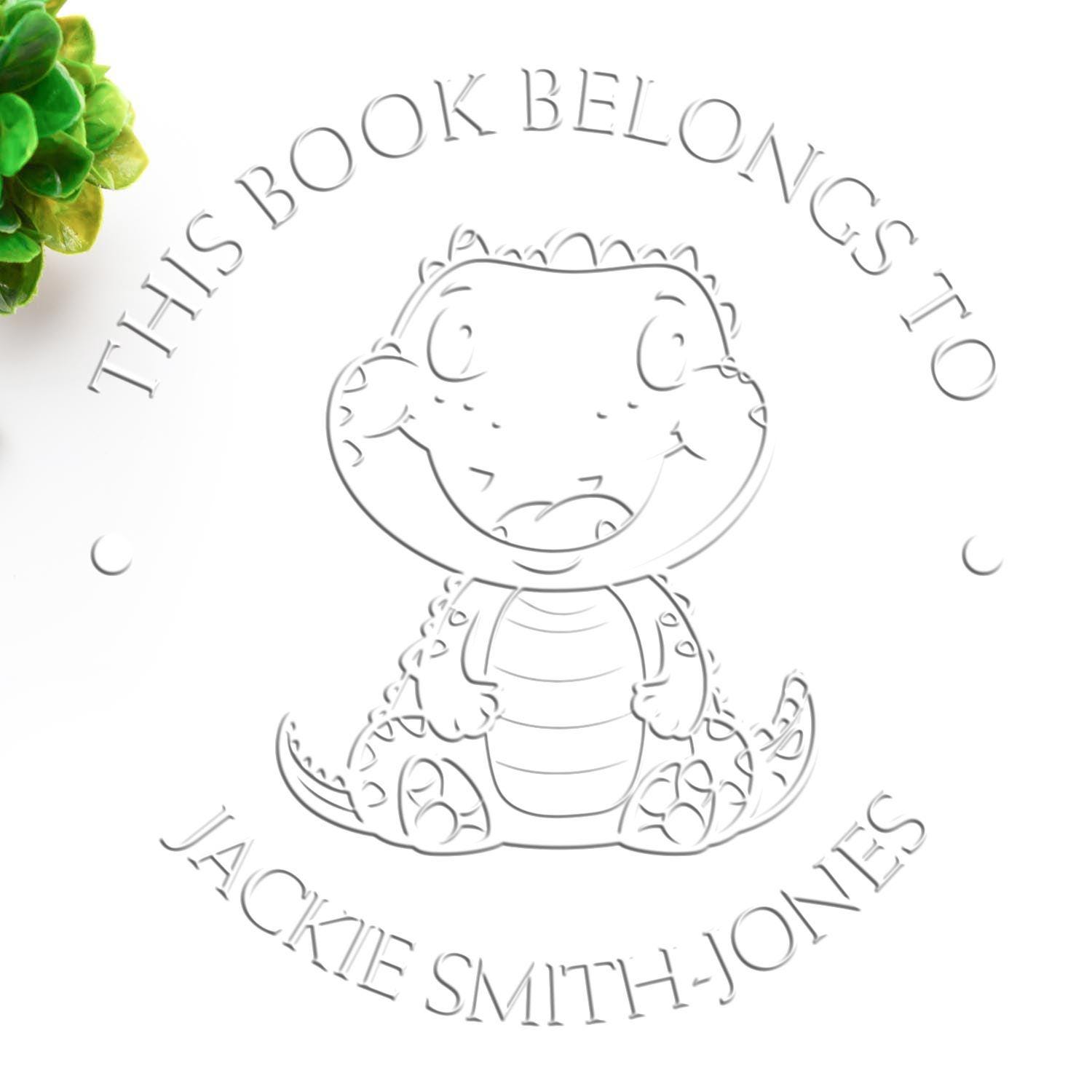
Discover The Harvest Label Stamp
A bountiful garden is a source of pride and joy, and highlighting your fresh produce with a stylish harvest label stamp can make your gardening experience even more delightful. By creating personalized labels, you connect with each plant as it flourishes and celebrate the unique flavors that come from your careful tending. Unlike generic stickers or handwritten notes, a custom stamp helps you add memorable flair to everything you grow.
Why A Harvest Label Stamp Matters
A harvest label stamp is more than a piece of stationery—it’s a statement of your commitment to fresh homegrown produce. When you label your garden harvest, you streamline gift-giving, simplify storage, and showcase your personal style. Imagine friends opening a jar of homemade jam and discovering a neat, personalized label that identifies the berry variety, harvest date, or even your signature slogan. These concise details help your recipients appreciate the origin and care that went into each item.
By using a harvest label stamp, you also build recognition for your gardening efforts. Whether you love showcasing your green thumb at farmer’s markets or just gifting produce to friends, stamping your harvest sets it apart with a professional and celebratory feel. Plus, a custom stamp stands up better over time than many handwritten labels, which fade or smudge when exposed to moisture or sunlight.
Initial Steps To Get Started
When you first begin stamping, it helps to gather your most essential items: the harvest label stamp itself, an ink pad suited to your chosen surface, and a comfortable workspace with good lighting. Lay out any boxes, bags, tags, or jars you plan to label. Test the stamp on scrap paper or a single label to see if any adjustments are necessary. If you’re satisfied with the result, you’re ready to make your mark on your entire harvest.
Getting the hang of stamping is straightforward, and you’ll soon find it’s a relaxing, creative process. With a few initial impressions under your belt, you’ll be able to stamp more quickly and confidently, all while enjoying how each label adds a special touch of personal pride to your garden’s offering.
Customize Your Garden Harvest
Your harvest label stamp can reflect your unique preferences, from the font style to the layout design. You might incorporate motifs such as leaves, flowers, or small hand-drawn vegetables that capture the essence of your garden. Customizing each label ensures that not only does your produce look appealing, but it aligns perfectly with your gardening tastes and personality.
Highlight Your Produce Varieties
If you have multiple produce varieties—like heirloom tomatoes, specialty peppers, or an assortment of herbs—custom labels let you instantly recognize what’s in each container. You can keep things straightforward by simply listing the item’s name, or you can dive deeper and include details like:
- Harvest date
- Growing conditions or region
- A personal note about flavor or cooking suggestions
This extra information adds excitement for anyone receiving your produce. Whether it’s family, neighbors, or farmers’ market customers, your label helps them get the most out of what you’ve grown.
Reflect Your Personal Style
Designing custom content on your harvest label stamp also allows you to reveal more of your personality. Do you favor rustic, farmhouse-chic designs, or do you prefer a sleek modern aesthetic? Maybe you enjoy experimenting with playful script fonts or adding rustic borders. No matter your taste, you can adapt the stamp’s visuals so they align with your home décor, your gardening style, or even the vibes of the season.
Consider using color-coordinated ink pads for an extra decorative flourish. Pastel blues or greens might complement soft-hued blossoms, whereas deeper oranges or reds can echo the vibrant petals of summer or the warm harvest colors of autumn. The freedom to experiment is endless, and the result is a family of labels that feels completely your own.
Choose Sturdy Materials And Ink
To make the most impact with your harvest label stamp, you’ll need the right materials and ink types. While ordinary paper is fine for quick use, you may want to explore other options—especially if you expect your labels to endure moisture, handling, or sunlight.
Picking The Right Stamp Base
When selecting a stamp base, durability and clarity of design are top priorities. Here are some popular base options:
- Wood-Mounted Rubber Stamps: Classic and sturdy, wood-mounted stamps give you a comfortable grip. The raised rubber image delivers crisp details that hold up with repeated use.
- Clear Polymer Stamps: These are transparent, so you can accurately place your design on each surface. They’re often smaller and flexible, which can help you stamp on curved containers or irregular surfaces.
- Self-Inking Stamps: This is a handy option if you do lots of stamping in a short period. Rather than re-inking between every impression, you simply press down for a consistent, easy label.
Each type has its advantages, so consider the frequency of your stamping projects and the surfaces you work with most often. If you love stamping on baskets, for example, a self-inking stamp might be less ideal than a wood-mounted stamp that lets you press more precisely on uneven spots.
Selecting Ink For Various Surfaces
Ink choice dramatically affects how your labels look. A water-based ink is suitable for paper tags or cardboard boxes but not ideal for glossy surfaces. Consider:
- Dye-Based Ink: Generally fast-drying on porous surfaces, ideal for standard paper or cardstock.
- Pigment Ink: Slower to dry but tends to deliver richer color. Great for producing bold, vivid designs and can be used with embossing powders for decorative techniques.
- Permanent or Solvent Ink: Perfect for non-porous materials like glass jars, plastic containers, or metal lids, as the ink resists smudging and is water-resistant.
By matching the ink to your surfaces, you ensure your harvest labels remain vibrant and legible, even in damp storage areas or under bright sunlight.
Maintain And Store Your Stamp
A well-cared-for harvest label stamp can serve you for years—possibly spanning multiple planting seasons and countless harvests. Dedicate some time to cleaning, handling, and storing your stamp properly, and it will reward you with consistently crisp prints.
Cleaning Techniques
After you’re done stamping, clean off any excess ink. If you used water-based ink, simply wipe the surface gently with a damp cloth. For solvent-based ink, a specialized stamp cleaner might be necessary to break down more stubborn residue. You can also use mild soap and water, but try to avoid submerging the entire stamp underwater—for instance, if the stamp is wood-mounted, you don’t want to soak the wood.
Make sure not to scrub too vigorously; it’s best to use a soft cloth or a stamp cleaning pad designed specifically for preserving rubber or polymer. The key is to clear away any ink before it dries into crevices of the design, ensuring your next impression remains as sharp as the first.
Storage Best Practices
Proper storage can lengthen the lifespan of your harvest label stamp. A simple approach is to store it in a cool, dry place, away from direct sunlight. Excess heat can warp wooden mounts, while continuous sun exposure can dry out rubber or polymer, causing cracks.Consider these tips:
- Keep your stamps in a sealed container or box to shield them from dust.
- Organize stamps in a drawer lined with a soft cloth or foam sheet to prevent accidental scratching.
- Ensure your stamps are entirely dry before stowing them away so trapped moisture doesn’t lead to mold or deterioration.
Following these care methods keeps your favorite stamping tool in top condition for when the next wave of ripe vegetables and fragrant herbs arrives.
Experiment With Creative Projects
While your initial goal may be to label produce, your harvest label stamp can go so much further. From decorative crafts to thoughtful gift ideas, having a versatile stamp on hand opens up a world of possibilities.
Craft Ideas Beyond Labels
You can transform leftover seed packets, plain gift wrap, or blank greeting cards with a quick press of your custom design. This small, personalized detail makes your materials look polished and professionally produced. Some additional ideas include:
- Recipe Cards: Stamp the top of each card to signal which veggie or fruit is featured.
- Scrapbooking: Add flair to your garden journal or photo albums detailing each planting season.
- Home Décor: Stamp a set of place cards for a casual farm-to-table dinner party.
Small, personal touches like these remind everyone around you of the love you pour into your garden. If you’re feeling extra imaginative, you could even create a themed set of notepads or bookmarks—perfect for fellow gardening enthusiasts.
Seasonal And Holiday Themes
Your stamp can also adapt to seasonal changes or festive occasions. Around the holidays, you might incorporate wintry elements or bright red and green colors. In the fall, try pairing your harvest label stamp with earthy oranges, browns, and golds. You could add subtle silhouettes of pumpkins or acorns to celebrate a bountiful autumn produce haul.
Similarly, on Valentine’s Day, load up a pink or red ink pad. For summer barbecues, use bright blues and yellows to reflect sunshine and outdoor gatherings. Stamping is a cost-effective way to keep your crafts seasonally fresh without having to redesign everything from scratch.
Ready Your Workspace
Before diving into a big stamping session—especially if you plan to label dozens of jars or boxes—set up a workspace that supports your creativity. Proper organization and planning make the stamping process smoother, reduce errors, and shorten your overall project time.
Organize Your Materials
Place everything you need within easy reach. Keep your empty jars or containers lined up on one side, your chosen ink pad in front of you, and your harvest label stamp on the other side. If you’re stamping paper labels or tags, arrange them neatly in small stacks.
An organized setup prevents ink mishaps and messy smudges. Consider using a silicone mat or an old cutting board underneath your stamping area. This surface will catch any stray ink and is easy to clean up afterward. Keeping your immediate space tidy also reduces the risk of mixing up produce varieties or misplacing certain tags in the flurry.
Plan A Printing Session
If you have multiple produce types to label, group your items by category. Perhaps you’re labeling a batch of homemade jams, pickled vegetables, or fresh herbs. By grouping your tasks, you’re less likely to mix strawberry jam labels into the blueberry jam stack. Double-check that you have the correct stamp design and that your ink color aligns with the look you want.
Once you begin, find a comfortable rhythm. Some people like to stamp systematically—finish all your “tomato sauce” labels, then move on to “zucchini relish,” and so forth. Others prefer a more random approach. Either way, a calm, purposeful pace ensures each imprint comes out crisp and distinct.
Ensure A Refined Finish
Stamping labels combine creativity and precision. A smudged or incomplete imprint can be frustrating, but with the right methods, you’ll improve your stamping technique and wow anyone who sees your finished product.
Test Prints And Adjustments
Even seasoned stampers do a test run before tackling an extensive project. Use a scrap piece of the same material you’ll be labeling to confirm your ink’s dryness time and clarity of the impression. If the ink looks washed out, re-ink your pad or press slightly longer for a bolder imprint. Should you notice smearing, lighten your pressing pressure or allow more time between labeling different sections.
Testing isn’t merely about perfecting the look—it can also reveal whether your design or text placement needs tweaking. You might notice that certain letters are too close to the edges, or that an anticipated color doesn’t pop quite like you hoped. A quick test saves you from stamping an entire batch incorrectly.
Keeping Lines Crisp
Achieving crisp lines involves both technique and care:
- Apply Even Pressure: Press the center and edges of the stamp with equal force.
- Lift Straight Up: Try not to rock the stamp side to side. A clean, vertical motion prevents accidental smudges.
- Periodically Re-Ink: Don’t wait until images become obviously faint. For consistent quality, top off the ink pad or re-ink between every few impressions, as needed.
By paying attention to these small yet significant details, you’ll create professional-looking labels that enhance your garden’s bounty.
Why Choose Acorn Stamps
When it comes to finding the perfect harvest label stamp, Acorn Stamps stands out as a top supplier of custom made stamps and personalized stamps. You want materials that last, designs that pop, and customer service you can rely on at every step. Acorn Stamps is family owned and operated since 1964—an impressive 60 years of service—so you can count on time-tested expertise and a passionate approach to crafting quality products.
Family Owned And Operated Since 1964
With decades of experience behind them, Acorn Stamps has built a legacy of reliability. Being family owned isn’t just a label—it’s a hallmark of care passed through generations. You’ll find that same warm, personal approach in every stamp they create, whether you’re ordering a single harvest label stamp or a themed collection for every season. Throughout their history, they’ve guided countless garden lovers like you in finding the perfect design to capture their unique style.
Stellar Service And Fast Turnaround
Along with outstanding quality, you’ll discover stellar customer service when you choose Acorn Stamps. If you ever have questions about materials, design options, or best stamping practices, their knowledgeable team is ready to help. The company also offers super fast turnaround times, ensuring that your custom stamps are in your hands when you need them. Whether you’re rushing to finish a last-minute batch of jam labels or gearing up for a farmer’s market display, Acorn Stamps keeps your deadlines in mind.
It’s this combination of attentive service, decades of craftsmanship, and genuine passion for what they do that makes Acorn Stamps the go-to choice for harvest label stamps. Your garden deserves the best—and a brand that values your love for fresh produce as much as you do.
Frequently Asked Questions
Will The Ink Smudge If My Produce Is Moist?
If you’re labeling directly on surfaces that might get damp (like a jar that gathers condensation), consider using a solvent or permanent ink. These inks resist moisture better than water-based formulas. Also, let each label fully dry before exposing it to any water. For extra protection, you could add a transparent sealant to safeguard the design from smudging.
How Do I Make Sure My Stamp Design Is Legible On Different Surfaces?
The key is matching your ink to the surface. Use dye-based or pigment inks for porous surfaces like paper or cardboard, and opt for permanent inks on plastic or metal lids. Testing a sample label first helps you identify any issues with readability. Adjust your pressure or the amount of ink as needed for a sharper impression.
Is It Possible To Include Dates Or Custom Text On My Stamp?
Absolutely. Many garden enthusiasts love adding harvest dates or short notes to remind themselves (and others) about each item’s origin. Acorn Stamps offers plenty of customization options, so you can choose exact text, font, size, and arrangement. If you anticipate labeling different items, you might prefer a versatile design where you can handwrite a date or variety on a blank line.
Do I Need Special Paper For Long-Lasting Labels?
Special waterproof or tear-resistant paper can increase your label’s durability, especially if you anticipate cleaning jars or storing them in humid environments. Look for labels or cardstock labeled “weatherproof” or “water-resistant.” Pairing sturdy paper with a high-quality stamp ensures your design stays crisp and vibrant throughout the season.
How Often Should I Clean My Harvest Label Stamp?
After each major stamping session, especially if you’re switching ink colors or using heavy layers of ink, take a moment to clean your stamp. Warm water and mild soap often suffice for everyday maintenance. For tougher ink, use a specialized cleaner recommended for rubber or polymer stamps. Regular cleaning prevents residue buildup and maintains top-notch stamping quality.
By personalizing your garden’s bounty with a harvest label stamp—and caring for your tools properly—you’ll create a more meaningful connection to every fruit, herb, or vegetable that flourishes under your care. No matter the size of your garden or the variety of your produce, remember that every label, every stamped image, carries a story of dedication and joy. With the dependable craftsmanship of Acorn Stamps on your side, you can celebrate that story in style, season after season.