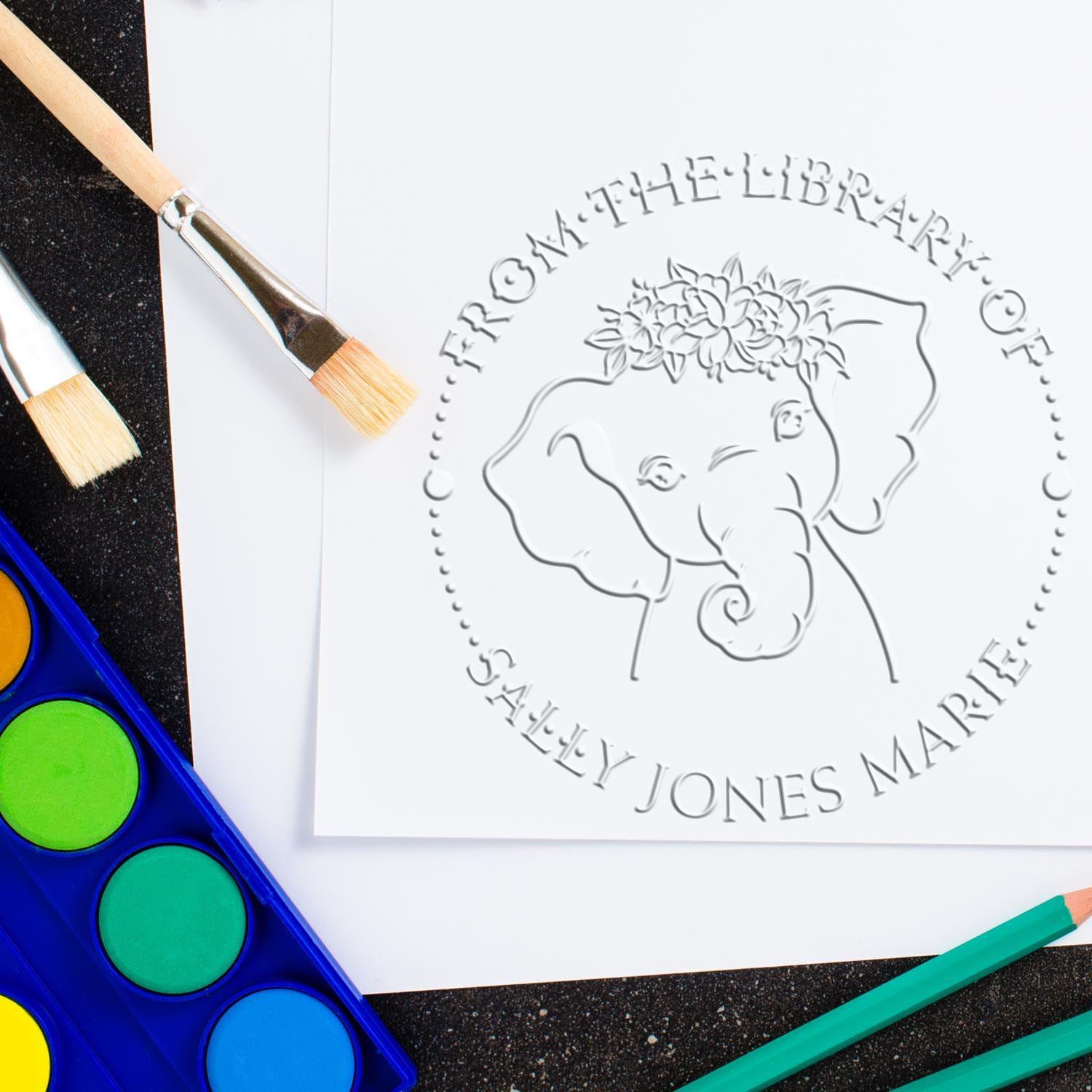
If you love collecting books or passing along a favorite novel to a friend, you know how important it is to keep track of your treasured volumes. One simple yet impactful way to do this is by using a “this book belongs to stamp.” This personalized touch helps everyone know right away where a book’s journey started. It also adds a warm, distinctive flair to your personal library, whether you have just a few paperbacks on a shelf or hundreds of rare editions carefully cataloged. By investing in a customized solution, you have full control over how your stamp looks and feels. From whimsical fonts to vintage flourishes, you can add your name or even a special message for everyone who picks up your book. This kind of personalization transforms your reading collection into something uniquely yours. Below, you will discover how to choose the best design elements, explore creative ways to use your stamp, and learn the secrets of making your books truly stand out with the help of Acorn Stamps, a family-owned business that has been perfecting stamp craftsmanship for 60 years.
Discover The Appeal Of Book Labeling
Labeling your books is more than just a practical method of identification. It can also serve as a personal statement about your tastes, your style, and your commitment to cultivating a reading sanctuary. You have likely spent years building your collection, pouring time and thought into every purchase. Why not celebrate that journey with a small but meaningful addition? When you stamp your pages, you put a little bit of yourself into every book. This simple action does not merely say, “This one is mine.” Instead, it communicates your passion for reading. It also invites visitors (or borrowers) to notice and appreciate your library in a new way. With the right design, your stamp can lend a touch of whimsy or sophistication that transforms plain covers and title pages into something more memorable. Next, consider how a “this book belongs to stamp” helps you track your books. If you frequently share them with friends, a neat stamp on the front pages can be a gentle reminder for readers to return the volume when they finish. Alternatively, if you have a large household, stamping your family name or a fun family crest on each book keeps them organized. You can wave goodbye to accidental mix-ups or lost novels. A custom stamp also extends beyond your home. If you are a teacher or a part of a club or organization, showing ownership can bring people together around a shared interest. When your name or group’s name is clearly displayed, others immediately sense a bit of your identity merged into each volume. Whether you hand out business publications or personal bestsellers, the message is clear: someone genuinely cares about these books and takes pride in them.
Explore The Purpose Of “This Book Belongs To” Stamp
While stamping your books can be fun, there is also a strong practical side to it. Labeling items has always played a critical role in libraries and institutions. However, in a personal setting, a “this book belongs to stamp” represents not just functionality but also a reflection of you as a reader.
- Clarity of Ownership: If you have ever lent a book to someone, you know it is easy for the borrower to forget who originally owned the book. Your custom stamp provides clarity the moment they open the cover.
- Natural Conversation Starter: When people see the impression on a book, it invites them to ask questions about your reading habits. It can even spark discussions about favorite authors, genres, or the design of stamps themselves.
- Preserving Tradition: The act of personal labeling has a long history. In earlier centuries, ex libris plates (decorative labels placed inside a book’s front cover) were popular. Today, a modern version of that tradition has emerged in the form of stamps. Stamping your page is like carrying on a time-honored practice, updated for the twenty-first century.
- Easy Organization: If your shelves face frequent rearrangements or you own multiple copies of the same title, your stamp can help you quickly differentiate each item. It saves time when you want to locate a specific edition, especially if you are also noting volume numbers or purchase dates.
By understanding the purpose of a “this book belongs to stamp,” you set the stage for a deeper appreciation of how it works within your personal library. With the right design, you merge practicality, aesthetics, and a hint of literary tradition into one small yet striking detail.
Gather The Essential Stamp Design Elements
Creating a customized stamp is more than just placing your name above “This Book Belongs To.” It involves selecting specific design elements that best represent you. Before finalizing your choice, explore different typography, shapes, embellishments, and arrangement styles. Below, you will find a breakdown of what to keep in mind as you start designing.
Choose The Right Font
Font selection plays a major role in setting the tone of your stamp. Think about the message you want to convey: are you hoping for a refined, traditional look, or do you prefer fun, modern lettering?
- Serif vs. Sans Serif: Serif fonts (such as Times New Roman or Garamond) give a formal feel, often associated with classics and historical texts. Sans-serif fonts (like Arial or Helvetica) are crisp and contemporary.
- Decorative Lettering: Fancy scripts, elaborate calligraphy, or playful hand-drawn lettering styles can add flair. However, it is important to ensure the text remains clear and readable, especially if you plan to include lengthy details like your entire name or a short quote.
- Font Pairing: Want to highlight specific words? Consider pairing two complementary fonts, such as a cursive style for your name and a simple sans-serif for the “This Book Belongs To” portion. This technique can draw attention while maintaining overall balance.
Pick The Perfect Shape
Just as the right font sets the tone for your stamp, the shape of the stamp itself plays a strong supporting role. Explore both traditional and unconventional shapes to find a style that suits your personal theme.
- Rectangle: Classic rectangular shapes mimic a label or name tag, offering plenty of room to include extra details or even small illustrations.
- Oval or Circle: These shapes provide a softer, more imaginative vibe that can feel timeless or whimsical depending on other design elements.
- Custom Frames: You can go outside basic geometric options by adding decorative borders or frames around your text. Think floral wreaths, shield-like borders for a regal look, or art-deco lines for vintage charm.
Add Embellishments And Borders
Embellishments such as small icons, flourishes, or background patterns inject character into your stamp. A minimalist approach can spotlight your name, while decorative touches tell a story about your passions or your household’s identity.
- Icons: If you are a musician, use small musical notes. If you are a gardening enthusiast, introduce a leaf motif. If you adore fantasy novels, perhaps an antique key or mythical creature silhouette.
- Fancy Flourishes: Swirling lines or ornate patterns can draw attention to the text. These are especially fitting if you aim for a sophisticated vintage design.
- Family Crests: Want to make it a true family tradition? Incorporate an existing crest or design a new one that includes meaningful symbols for you and your loved ones.
Each element must work together, serving a purpose rather than simply cluttering the space. If everything flows, you ultimately end up with a stamp that is both stylish and highly personal. Before you move on to the next step, take a moment to check the layout: is your name front and center? Are decorative elements positioned in a balanced way? By surveying all these components as a whole, you enhance the overall effect.
Elevate Your Personal Library
Now that you have the basics of design, you might wonder how this stamp actually fits into your everyday life as a reader. After all, it is not just about the final look. It is also about how it resonates with you each time you open your beloved books. Start by deciding where you want your “this book belongs to stamp” to appear. Different readers prefer different placements. Some choose to stamp the inside cover, while others place it on the title page. A consistent spot can guide you each time you add a new book to your collection. This practice can also be helpful for quickly identifying whether or not you have already marked a certain volume. Another popular approach is stamping an endpaper in the back, especially if the front pages display special illustrations. The subtle placement at the end can be a delightful surprise for anyone who finishes the book. Whichever spot you choose, the stamp becomes a memorable punctuation mark on your reading experience. If you like to organize your shelves by genre or author, you can incorporate a small color-coding trick. Consider using different ink colors for different categories. For instance, you might use classic black for fiction, deep green for gardening books, and vibrant red for cookbooks. This method adds a visual system that extends beyond the text of your stamp. It heightens the sense of order and can catch your eye the moment you pull a book off the shelf. Lastly, do not limit yourself to only stamping physically. You might run a personal bookshelf app or keep a spreadsheet to manage your collection. Take a photograph of your stamp and store it digitally next to your book’s entry, turning your selection process into a full experience that merges old-fashioned charm with modern record-keeping.
Maintain And Store Your Stamp
Taking good care of your new stamp ensures it stays sharp and functional over time. Regardless of whether you opt for a self-inking style or a traditional wood handle, a few best practices will keep everything in tip-top shape.
- Cleanliness: After each round of stamping, lightly wipe away any excess ink. This prevents build-up that can distort letters or icons on subsequent impressions.
- Proper Storage: If you have a wood-handled stamp, store it in a dry place and keep it away from direct sunlight or humidity. Excess moisture can cause the wood to warp, while too much sun can fade certain inks.
- Ink Choices: If you prefer different ink colors, be mindful of how you use them. Repeatedly switching from black to red ink, for instance, might require extra cleaning in between to maintain crisp lines.
- Replacing Ink Pads: For self-inking stamps, you can replace ink pads once they start to run dry or fail to capture the full design. Ensuring you have a quality pad on hand can greatly extend the life and clarity of your impressions.
By being proactive about these care habits, you will avoid smudges, fading, and uneven stamping. The result is a crisp, attractive mark that looks as lovely on your 300th book as it did on your first.
Why Choose Acorn Stamps
You have explored the basics of stamp design, placement, and care. The next step is finding a reliable provider who can turn your creative ideas into a physical product you will be proud to use on all your books. That is where Acorn Stamps comes in. As a family-owned company that has been in operation since 1964, Acorn Stamps brings unparalleled expertise and a personal touch to the world of custom stamps. For over 60 years, they have helped countless readers, teachers, and small businesses achieve a unique, high-quality design.
Family-Owned For 60 Years
When you choose Acorn Stamps, you support a multigenerational family business that understands the value of personal expression. With decades of experience, the team has honed their craft while preserving a warm, friendly atmosphere. This familial approach means you are never just an order number. Instead, you are a fellow hobbyist or professional seeking a creative solution, and that perspective shapes how they handle each project.
Quality And Fast Turnaround
In today’s busy world, you probably want your new “this book belongs to stamp” as quickly as possible. Acorn Stamps is known for super fast turnaround times, ensuring you do not have to wait long to start labeling your favorite volumes. Their production process balances speed with impeccable quality control. High-end materials, precision inking methods, and attention to detail ensure that every finished stamp consistently delivers sharp impressions on paper. Whether you prefer a bold monogram or a more detailed illustration, you can trust that Acorn Stamps will produce a product that holds up over time. From first impression to the thousandth, you will see the same crisp outlines and distinct lettering you envisioned from the start.
Attentive Customer Service
Acorn Stamps places a premium on stellar customer service. Because they have spent years perfecting this craft, they know the importance of clear communication and personalized recommendations. If you have a design idea but need guidance on fonts or shapes, their friendly team is there to help you navigate each option. You can also ask questions about maintenance, ink types, or how best to store your stamp. Whether you reach out by phone or email, you will find a team that genuinely wants your project to succeed. This combination of expertise and warmth creates a comfortable environment for you to share your vision.
Get Creative With Book Stamps
A “this book belongs to stamp” does more than mark ownership. It gives you a fantastic opportunity to be imaginative. You can incorporate funny quotes, a personal mantra, or references related to your favorite genres. If you thrive on creativity, here are more ideas to spark your imagination:
- Seasonal Themes: If you change up your library displays throughout the year, you could have variations of your stamp that fit each season. For winter, maybe add snowflakes around your name. For autumn, try leaves or a harvest motif.
- Favorite Character Symbols: Love Sherlock Holmes? Integrate a detective silhouette or a magnifying glass image. Crazy about sci-fi? Incorporate rocket ships or futuristic lettering around your name.
- Themed Inks: For special occasions, use limited-edition ink colors such as metallic gold or silver. They can add a festive gleam, particularly during holiday gatherings or book club events.
You can also apply the stamp in unconventional places, like on bookmarks, postcards, stationery, or even the packaging of a gift book. Every use reminds people of the joy that reading brings, and it reveals something about your personal style.
Extend The Uses Beyond Books
You might focus primarily on your “this book belongs to” concept, but it is worth noting that custom stamps can apply to more things than paperback and hardcover pages. If you thrive on organization, creativity, or an orderly home, consider these applications: Journals And Notebooks
- Mark your personal diaries or planners with a stylish stamp on the inside cover.
- Commence each year’s journal with a brand-new impression as a personal signature.
Documents And Letters
- If you send out letters for the holidays or simply love writing to pen pals, a small personalized stamp can be your signature hallmark.
- Stamping on envelopes or letterheads adds a friendly, handmade feel that sets your correspondence apart.
Classroom Materials
- Teachers can use custom library stamps in their classroom books.
- A stamp reading “This Worksheet Belongs To” can also be a fun way for students to claim their handouts, encouraging them to keep their papers organized.
Scrapbooking And Crafting
- If you love to scrapbook, a personalized stamp can title pages or add an interesting border around photos.
- Crafters can brand their handmade cards or knitted gifts with a custom stamp bearing their name or personal logo.
Office Files And Supplies
- For home offices, add a stamp to your file folders so you can quickly spot which ones are yours during group projects.
- If you share resources, a distinctive stamp on shared materials can prevent confusion and track important paperwork.
If you think beyond the obvious, you will see that your stamp can help you streamline tons of things in your daily life. The flexibility is almost limitless, offering you countless ways to infuse a bit of fun and professionalism into various tasks and hobbies.
Frequently Asked Questions
Below, you will find some common questions readers have when exploring the idea of a “this book belongs to stamp.” You can use these answers to guide your decisions and gain peace of mind about the process.
Can I include more than just my name on the stamp?
Absolutely. You can add a family name, a quote, or even a favorite symbol to make it extra personal. Just make sure you have enough space to keep the design clear and legible.
Which ink color works best for book pages?
Many people go for black ink because it offers strong contrast on most pages. However, other dark colors like navy blue or deep brown can also look striking while maintaining legibility. Avoid overly light inks, as they can be hard to read.
How do I make the stamped pages look uniform across different paper types?
The best approach is to test your stamp on any new paper before committing to stamping all your books. Some paper surfaces are more porous than others, so a quick test helps you gauge ink bleed or clarity. Adjust your pressure accordingly for a crisp imprint.
Does a self-inking stamp last as long as a wooden stamp?
Both types can last for many years, provided you care for them correctly. Self-inking stamps need occasional ink pad replacements, while wooden stamps may require cleaning and proper storage to maintain detail. Their longevity depends largely on handling and frequency of use.
Why should I rely on custom stamps instead of store-bought stickers?
Custom stamps provide a personal touch that is more durable and versatile than stickers. Plus, they leave no residue and can be used repeatedly on different surfaces. They also look more polished and professional for labeling longstanding collections. By now, you know that a “this book belongs to stamp” can be both practical and delightful, highlighting the uniqueness of your reading collection. From choosing fonts and shapes to picking the right ink and placement, design possibilities are endless. And with a trusted provider like Acorn Stamps, you ensure a top-quality, long-lasting impression on every page. Feel free to get creative, explore different stamp options, and elevate your bookshelf into a true reflection of your identity as a reader. Once you start, you will find that customizing your own stamp for your beloved books becomes an enjoyable tradition you’ll want to share with friends, fellow bibliophiles, and future generations alike.