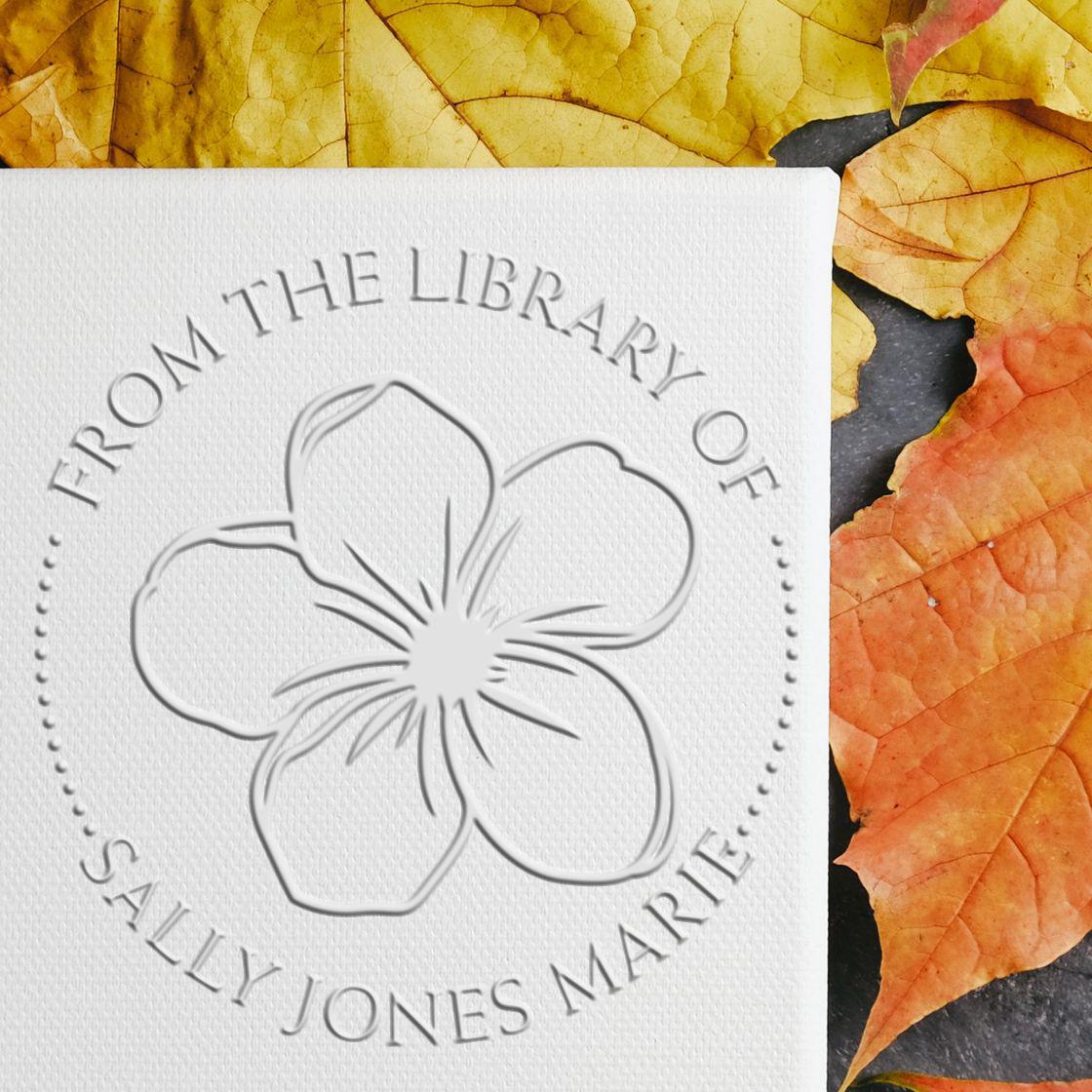
If you love expressing your creativity in the kitchen, a vintage kitchen stamp can be a delightful way to add uniqueness to your baked goods. From delicate sugar cookies to artisan bread, stamping a carefully crafted design onto your treats helps them stand out and shows friends, family, and customers just how special your homemade creations are. Whether you run a home-based baking business or simply enjoy experimenting in your own kitchen, using a vintage-inspired stamp can give your treats visual appeal and a touch of nostalgic charm. In this guide, you will learn how to choose, use, and care for a vintage kitchen stamp so you can make your baked goods shine.
Discover The Vintage Kitchen Stamp
A vintage kitchen stamp recalls simpler times, bringing an heirloom-like quality to your baking routine. Popular for both professionals and hobbyists, these stamps often feature classic patterns, whimsical shapes, or decorative lettering reminiscent of decades past. Beyond basic aesthetics, they can make your baked goods more memorable by showcasing a signature look, one that reflects your personal approach and style.
What Is A Vintage Kitchen Stamp?
A vintage kitchen stamp is a specialized tool you press onto dough, fondant, or even packaging materials to leave an impression. You might find stamps decorated with flourishes, floral accents, or old-fashioned font. They come in various sizes and shapes, allowing you to imprint words like “From the Kitchen Of” or delightful motifs that convey warmth and tradition. Vintage stamps differ from modern or generic novelty stamps primarily in their design inspiration, they typically evoke a timeless, classic feel rather than a sleek or trendy look.Beyond dough and fondant, you can use these stamps on labels or gift tags. If you enjoy handing out baked goods wrapped in custom packaging, a vintage design can help tie everything together. The end result is a cohesive presentation that delights from the moment someone sees your culinary creations.
Why Vintage Stamps Stand Out
When you aim to present something that reflects genuine warmth and care, a vintage stamp can help you do just that. Unlike digital labels or printed stickers, a hand-stamped design feels personal. Each impression has subtle differences. This slight imperfection adds character to the final product, much like a hand-signed card feels more heartfelt than an automatically generated message. Also, there is an element of surprise and delight for your recipients. They can see your effort in personalizing each baked good, turning a tasty snack into a memorable experience.Over time, you might even develop your own signature stamp look. When people see the image or read your charming tagline, they will know exactly whose kitchen it came from. This recognition can become crucial if you aspire to grow a home bakery business or simply want to share your passion for baking with loved ones on birthdays, holidays, and special occasions.
Enjoy Key Benefits
Choosing a vintage kitchen stamp opens up a world of creative possibilities. From highlighting the special touches you put into your recipes, to pleasing the people who savor your treats, there are many benefits to using a stamp that celebrates classic design.
Personalize With Style
Your stamp can include anything from your family name to an image that resonates with you. Perhaps you want a quaint teapot, a stylized whisk, or a flowing “Thank you for tasting!” line beneath a rolling pin graphic. The personalization options can be almost unlimited. By introducing vintage flair, you ensure each baked good has a tasteful, old-world warmth that instantly feels comforting. This flair can also inspire you to try new recipes or plating ideas so every aspect of your baking reflects a cohesive theme.Personalized stamps also add sentimental value. Imagine gifting homemade cookies to a dear friend, each one pressed with a simple heart design or your surname. An impression like “From the Kitchen of Sarah” will put a smile on their face. Even in a busy, technology-forward world, your stamp underscores that real human thought went into every bite.
Save Time And Effort
While hand-drawn illustrations or meticulously piped icing decorations can look lovely, they also demand considerable time. A stamp, on the other hand, streamlines the process by providing consistent designs in mere seconds. You can press our vintage kitchen stamp onto cookie dough right before baking or add it to fondant for a more refined look. When the dough comes out of the oven, your impression often remains visible and impressively neat.If you produce baked items in batches for farmers’ markets or community events, the time saved can really add up. You get to focus more on perfecting dough consistency or mixing flavors instead of fussing over individually piped details. That efficiency means you can accomplish more with your available baking hours. You can also experiment with new stamp images or phrases without reinventing your entire decorating process.
Choose The Right Stamp
Selecting a vintage kitchen stamp that suits your style and needs is key to ensuring you remain excited about using it over and over again. Consider aspects like design preferences, size, and the stamp’s materials to make the best choice for your baking projects.
Materials To Consider
Traditional wooden stamps often exude an authentic, old-fashioned feel. Their handles can be sturdy and comfortable to grip. The stamping surface itself might be made from high-quality rubber or polymer. These materials hold detailed designs effectively and can handle repeated use. You usually want a rubber or polymer stamp if you plan to press intricate motifs into dough or fondant, as it offers crisp, clean lines when ink or flour is applied correctly.You might encounter decorative metal stamps too, reminiscent of antique cookie stamps. These metal variants are heavier and can create a deep, distinct impression on dough. However, they might be less flexible if you want to stamp curved edges or softer materials. Always check the care instructions for each type, as certain metals can require special cleaning or drying steps to prevent corrosion.
Size And Design Tips
Aim for a stamp large enough to showcase your pattern or text clearly but not so big that it overwhelms your baked item. If your cookies average two inches in diameter, pick a stamp just a bit smaller to ensure the entire design fits neatly. The same approach applies if you stamp bread loaves or pastry tops. You can go bigger if you prefer the impression to dominate the surface, giving it a truly bespoke flair.Remember to think about style. If your goal is pure nostalgia, you might choose intricate floral borders or silhouettes reminiscent of farmhouse patterns. If you prefer something playful, consider stamps with whimsical images like rolling pins, vintage measuring cups, or even cursive script. The best design is the one you will be proud to share again and again.
Use Every Stamp Effectively
Now that you have a vintage kitchen stamp in hand, the key is to perfect your technique. Although stamping can be simple, a few extra steps ensure you get consistently clear impressions that bring out the full charm of your chosen design.
Stamping Dough And Fondant
- Chill Your Dough: If you are stamping cookie dough, chilling it helps your stamp press more cleanly. Warmer dough may stick to the stamp, leading to smudged designs or uneven depth. Implement short freeze intervals if you are working on large batches.
- Light Flour Dusting: Dust the stamp with a small amount of flour or powdered sugar, which acts as a release agent when pressing into dough. This prevents the dough surface from clinging.
- Apply Even Pressure: Gently press down. Once you feel the stamp reach the dough’s surface, hold it still for a moment before lifting straight up. This method helps avoid distorting the pattern. Heavy or uneven pressure can lead to partial or skewed impressions.
- Test Your Timing: If your dough expands substantially while baking, your stamped pattern may appear softer or blurrier afterward. Experiment with different recipes or reduce leavening agents if crisp detail is a top priority.
For fondant-embossed designs, roll your fondant to a uniform thickness, lightly dust your stamp with cornstarch, and press firmly. Allow the fondant to dry slightly if you plan to paint inside the stamped lines with food coloring or add edible glitter for extra sparkle.
Marking Packaging
Your vintage kitchen stamp works just as well on paper packaging and gift tags. If you plan on labeling cookie boxes or paper bags, you can use food-safe ink pads or water-based inks suitable for craft projects. A bright or metallic ink choice can contrast beautifully with brown kraft paper or pastel boxes.
- Let It Dry: Once you stamp your packaging, set it aside briefly. Smudging can ruin even the prettiest design.
- Consider Multiple Impressions: On large bags or boxes, add more than one stamp in different positions to create a repeating pattern or subtle border design.
- Showcase Your Personal Tagline: You can craft a short greeting like “Made with Love” or “Baked Fresh By You” to place alongside your name or a small illustration.
Maintain And Store Properly
Proper care prolongs the life of your vintage kitchen stamp so you can keep delighting friends, family, and customers for years to come. Each time you invest in a new stamp, you gain a valuable kitchen tool that deserves a little tender attention.
Basic Cleaning Steps
- Clean Promptly: After each use with dough or fondant, rinse your stamp under warm water and use a soft brush to remove residue from intricate crevices. This step prevents hardened dough buildup that might degrade your next stamped impression.
- Use Mild Soap: Gentle dish soap is appropriate for rubber or polymer surfaces. For wooden handles, avoid prolonged soaking. Instead, wipe them down to prevent wood from warping or cracking.
- Dry Completely: Moisture trapped under any surface can lead to mold or unpleasant odors, especially if you store your stamp for long stretches between baking sprees. Pat it dry with a clean towel, then leave it out until all components are moisture-free.
Long-Term Storage Tips
- Keep Away From Heat: Avoid placing your stamp in direct sunlight or near heat sources. Extended exposure to heat can warp rubber or fade the design.
- Wrap Or Box: If you collect multiple vintage stamps, store each one in a small bag or box. This helps prevent dust accumulation and protects the stamping surface from scratches.
- Check For Wear: Occasionally inspect your stamp for cracks or loose handles. Early repairs or replacements help maintain consistent, crisp impressions.
Meet Acorn Stamps
When it comes to custom and personalized stamps, you want a reliable supplier who understands your passion for baking and takes pride in every detail. That is where Acorn Stamps comes in. Family owned and operated since 1964, Acorn Stamps has proudly served the stamping needs of many creative individuals for 60 years. Whether you are looking for a vintage look or a modern twist, you will find an array of options that cater perfectly to bakers like you.Acorn Stamps stands out by offering super fast turnaround times that help you move quickly from idea to finished product. If you have ever felt frustrated waiting for impersonal online orders, you will appreciate Acorn Stamps’ commitment to stellar customer service. Their friendly team is always ready to help you choose or design the right stamp to reflect your baked goodies’ personality and charm.Moreover, Acorn Stamps provides a variety of customization choices. Want to add your name or a heartfelt message? They can incorporate it. Interested in a classic “From the Kitchen of” motif with ornate lettering? You will discover endless possibilities. You are sure to find a vintage kitchen stamp that speaks to your style and reminds you of cherished family baking traditions.
Elevate Your Baking Routine
Once you have selected your vintage kitchen stamp and prepared your workspace, it is time to elevate your routine. Instead of reserving decorations or custom touches for special occasions, consider bringing them into your everyday baking. That simple shift can make ordinary treats feel extraordinary.
- Bake In Batches: If you are whipping up a weekly batch of cookies, take a moment to press your unique stamp onto a few. You can store them for quick gifts or freeze them for a future event.
- Host A Stamp Party: Gather fellow bakers for a stamping session. Teach friends how to use the stamps, or exchange design ideas to broaden your creative horizons.
- Spread Joy: If you regularly give away your homemade bread or cupcakes, make each gift an event. Add a handstamped tag, tie it with twine, and let the vintage vibe speak for itself.
Over time, you might discover that stamping is not just a decorating step but also a moment to pause and appreciate the art of baking. People often talk about slowing down and savoring the experience. Stamping can be just that, a mindful break where you transform plain dough into a personalized masterpiece.
Experiment With Recipes And Techniques
A vintage kitchen stamp can encourage you to explore baking challenges or ingredients you have never tried before. Maybe you farmed out your pastry attempts to store-bought goods in the past, but now you feel inspired to deliver a polished, old-time cakery feel in your own home. By connecting new decorating possibilities with new recipes, you can revive your passion for spending quality time in the kitchen.
- Colorful Dough: Tinted cookie dough acts like a built-in highlight for your stamps. Light pastel shades allow your stamp impressions to stand out in gently contrasting hues.
- Layered Fondant Accents: For more advanced decorating, apply a colored fondant layer and stamp it, then carefully lay it on top of your cakes or pastries. This layering technique lends a professional style that matches pairs of complementary colors.
- Artistic Fill-Ins: If your vintage stamp includes lines or outlines, try painting within those lines using a food-safe brush and slightly thinned icing or edible paint. This approach adds dimension and detail, almost like coloring in a small piece of art.
If you find yourself enjoying these experiments, consider making a small portfolio of your designs. Take photos of your stamped cookies, breads, and pastries to see how your technique progresses over time. You might be surprised by how swiftly you develop a signature look that friends and customers can identify at first glance.
Spread Nostalgic Comfort
Nostalgia is a powerful force. It can transport you back to your grandmother’s kitchen, where the scent of vanilla and cinnamon lingered, or remind you of old-fashioned bakeries in charming small towns. A vintage kitchen stamp ties neatly into that timeless aesthetic. When someone spots your artisanal marking, they feel an instant sense of comfort and tradition, well before they even take their first bite.If you bake for kids, a vintage kitchen stamp can cultivate fond memories they may carry for life. Imagine them pulling up a stool to watch you stamp dough. Over time, grabbing that same stamp might become a cherished ritual, linking the past to the present in a sweet, flour-dusted loop. Even if the children are more enthralled by modern devices, the quiet, creative act of stamping dough can hold a special type of magic.Professionally, if you sell your goods at local farms or fairs, creating a strong, nostalgic brand can help set you apart. People often remember the care and detail put into a product more clearly than the product itself. Your vintage-stamped cookies might encourage them to share your treats or talk about your booth. This word-of-mouth can be a significant boon to any small baking business.
Incorporate Other Personal Touches
While the stamp might be the star of the show, do not forget the supporting cast of details that can elevate your overall presentation. If your baked goodies are going out as gifts or retail products, think about:
- The Packaging: Complement your vintage stamp with packaging that echoes the same vibe. Choose simple wax paper, delicate doilies, or jute twine for a rustic yet polished look.
- Handwritten Notes: Add a short, heartfelt message on a small card. If you love calligraphy or have neat handwriting, this personal detail pairs well with a vintage impression.
- Matching Colors: Choose icing or decorations that incorporate the stamp’s theme. For instance, if you used a floral stamp, use subtle petal hues for your frosting.
- Seasonal Twists: Integrate seasonal stamps or occasional one-liners such as “Sweet Valentine Bakes” for February or “Harvest Warmth” in the fall. Keep your designs rotating yet consistent in their signature style.
Combining extra details with your vintage kitchen stamp can transform your baked goods into a complete sensory experience. Recipients will see, smell, and taste the care you invest in each step.
Frequently Asked Questions
How Do I Keep The Stamp From Sticking To Dough?
You can dust the stamp lightly with flour or powdered sugar before pressing it onto dough. This prevents sticking, especially if your dough is inclined to be moist or warm.
Can I Use A Vintage Kitchen Stamp On Different Types Of Icing?
Absolutely. Fondant is a popular choice, but you can also carefully stamp softer icings if you chill them slightly. Always test on a small area first to ensure the icing holds the impression.
How Do I Clean A Wooden-Handled Stamp Safely?
Wipe down the wooden handle to avoid soaking it, since prolonged exposure to water can cause warping. Clean the rubber or polymer surface with mild soap and warm water, and dry thoroughly.
Will My Stamped Designs Fade When Baked?
Depending on the recipe and how much the dough rises, the impression might soften slightly. If you want very crisp lines, make sure your dough is chilled well and consider reducing baking powder or soda in your recipe.
Why Choose Acorn Stamps For My Vintage Stamp Needs?
Acorn Stamps offers family-owned expertise spanning 60 years, stellar customer service, and quick turnaround times. They work closely with you to customize the perfect design that captures the spirit of your baking adventures.By using a vintage kitchen stamp in your baking, you merge tradition with creativity. Whether you are crafting sweet shortbread cookies or hearty homemade bread, each treat reflects who you are as a baker. From thoughtful customization to proper care, every step you take ensures delightful presentation. Embrace the nostalgic charm, and watch your baked goods shine in a way that only a timeless touch can achieve.